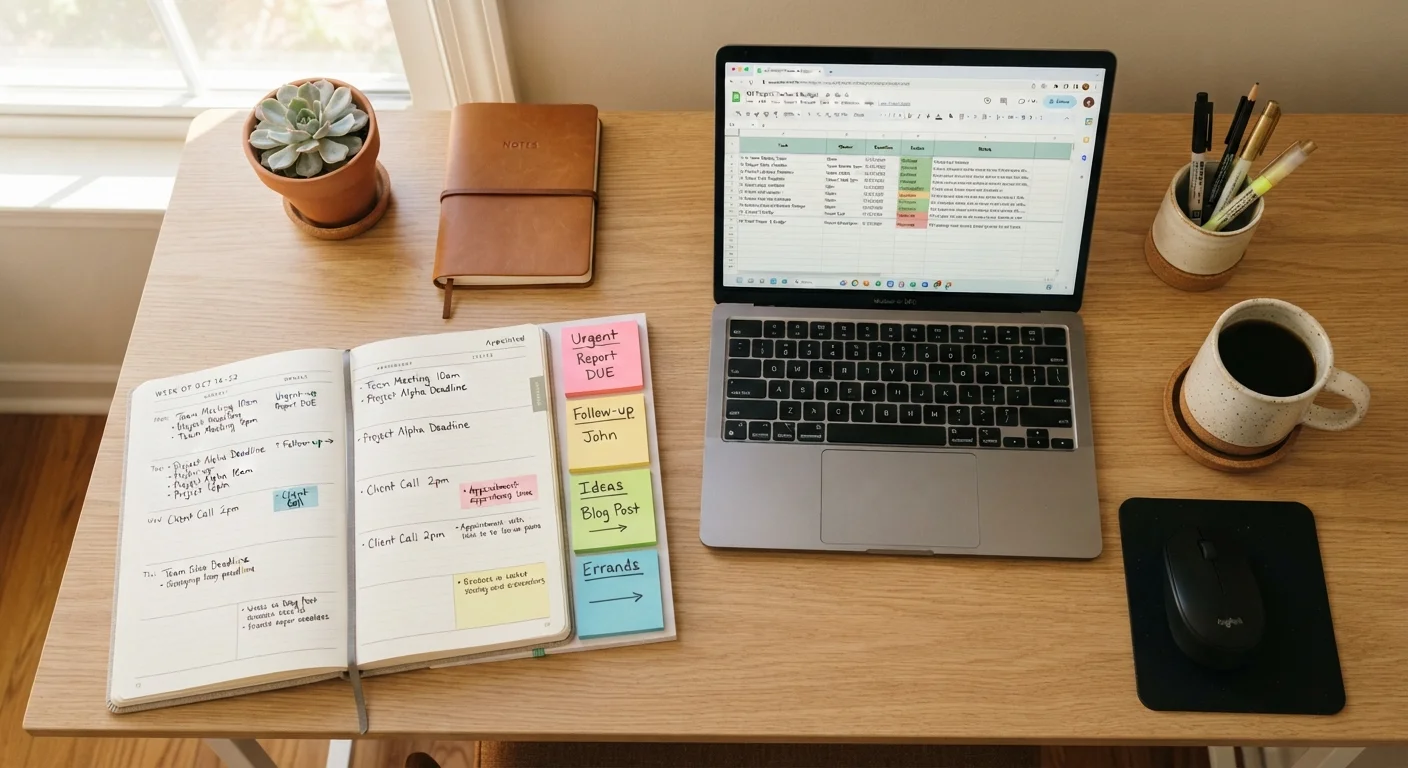
A practical checklist covering your resume, cover letter, online presence, and role research before you apply to any position.
Key Takeaways
Tailoring your resume to each job posting increases relevance and improves your chances of passing automated screening.
A clean, consistent online presence matters - recruiters routinely check LinkedIn and Google before interviews.
Researching the company before applying helps you write a stronger cover letter and spot red flags early.
Small errors in formatting or contact details can quietly disqualify an otherwise strong application.
Why a Pre-Application Review Pays Off
Most job seekers spend hours crafting a resume, then rush through the final submission - skipping basic checks that could cost them the interview. A short, structured review before you hit submit helps ensure your materials are accurate, targeted, and professional. It also forces you to slow down and think critically about whether this role is a genuine fit before you invest more time in the process.
This checklist walks through four core areas: your resume, your cover letter, your online presence, and your research into the role itself. Work through each section before submitting any application - not just for roles you consider competitive. Consistency builds good habits, and good habits reduce avoidable mistakes.
If you haven't yet decided whether applying cold is the right move, it's worth reading about the trade-offs first: networking vs. cold applying can shape how much effort you put into any single submission.
Resume
Mirror language from the job posting in your resume - use the same terminology the employer uses for key skills and responsibilities.Must
Verify that your contact information (email, phone, LinkedIn URL) is current, accurate, and professionally formatted.Must
Confirm your most recent role and dates are correct, and that there are no unexplained timeline gaps without context.Must
Quantify achievements where possible - replace vague descriptions with specific results (percentages, dollar amounts, team sizes).Should
Run a spell-check and read the document aloud to catch awkward phrasing or missed errors.Must
Save and submit the resume as a PDF unless the job posting specifically requests a different format.Should
Cover Letter
Address the letter to a specific person if you can identify the hiring manager - avoid generic salutations when a name is findable.Should
Open with a clear statement of the role you're applying for and why this employer specifically interests you.Must
Connect two or three concrete experiences directly to the job's stated requirements - don't summarize your resume.Must
Check that the company name and job title are spelled correctly throughout the letter.Must
Keep the letter to one page and trim any paragraph that doesn't add new information.Should
Online Presence
Search your full name on Google and review the first page of results - address anything that could raise questions.Should
Ensure your LinkedIn headline and summary reflect your current career focus and are consistent with your resume.Must
Set public social media accounts to private or review recent posts for anything that conflicts with a professional image.Should
If you have a portfolio, personal site, or GitHub, verify all links work and your most relevant work is featured prominently.Nice to have
Role and Company Research
Read the full job description carefully and confirm you meet the required qualifications - distinguish required from preferred.Must
Research the company's mission, recent news, and general reputation to ensure basic alignment with your values and goals.Should
Look up the company on employee review platforms to identify common themes in workplace culture or management feedback.Nice to have
Note any application-specific instructions (file naming, word limits, required samples) and confirm you've followed all of them.Must
Check the application deadline and allow time for a final review pass at least 24 hours before submission if possible.Should
Log the application in a tracking system immediately after submitting - include the role, company, date, and contact name if known.Should
Tools That Make This Process Easier
You don't need specialized software to complete this checklist, but a few free tools can speed up the process and catch things you might miss on your own.
Optional
Grammarly (free tier)
Catches grammar, spelling, and tone issues in your resume and cover letter text.
Required
Google Docs or Microsoft Word
Standard word processors for formatting and exporting your documents to PDF.
Required
LinkedIn
Used to research the company, identify the hiring manager, and keep your professional profile current.
Required
A simple spreadsheet or note-taking app
Tracks submitted applications, deadlines, contacts, and follow-up dates across your job search.
Once you've submitted, your preparation work continues. Tracking what you've sent, to whom, and when is just as important as getting the application right the first time. See our guide to staying organized during a job search for practical systems that scale as your pipeline grows.
Watch Out for Copy-Paste Errors
When adapting a cover letter from a previous application, it's easy to leave in the wrong company name or job title. These mistakes signal low effort and are among the most common reasons a strong candidate gets passed over early. Always do a targeted find-and-replace check before submitting any adapted document.
Career & Work Editorial Team is the collective byline for our editorial team and contributor network. Articles published under this byline or an editorial pen name are researched, written, and reviewed according to our editorial standards for clarity, consistency, and independence before publication.
The content on this site is for informational purposes only and is not a substitute for professional advice. Always consult a qualified professional for guidance specific to your situation.