Why Developmental Domains Matter
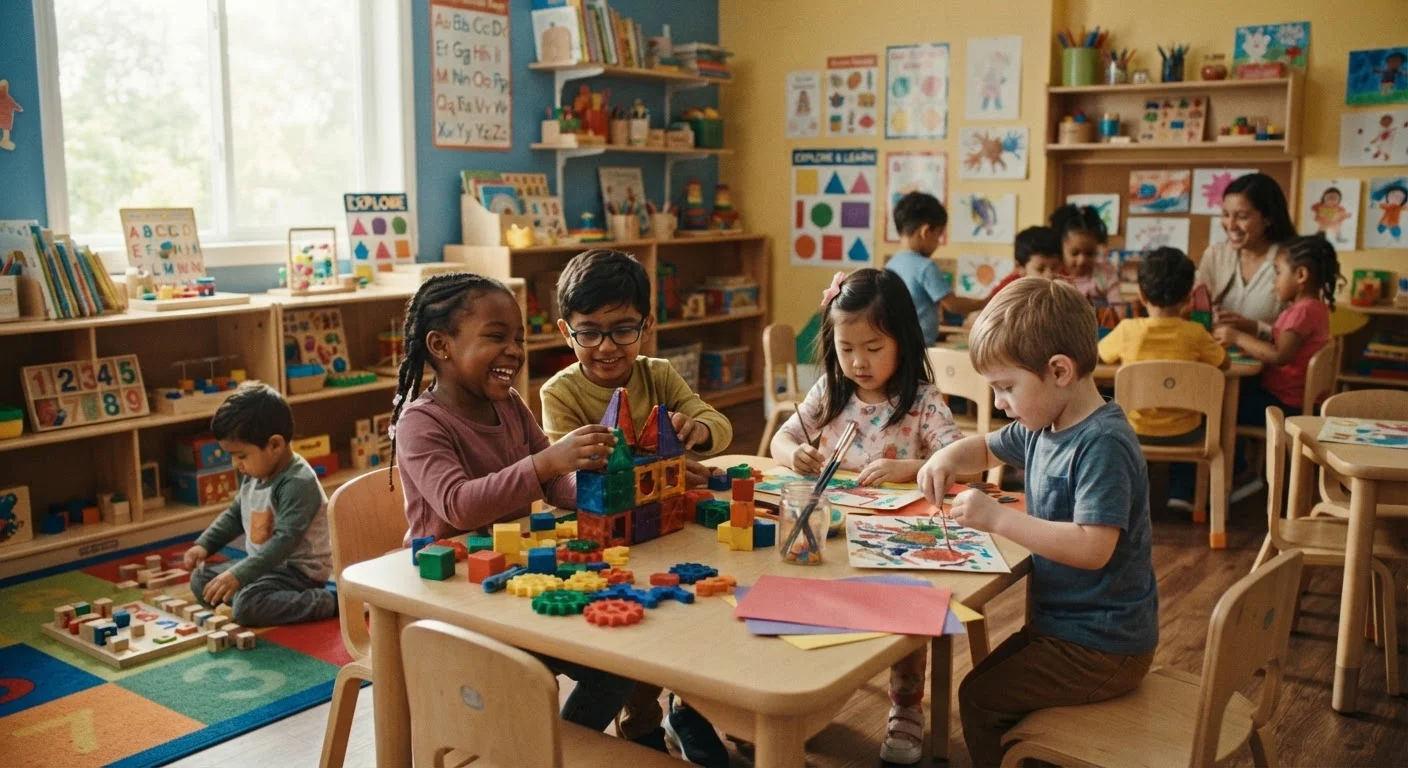
When pediatricians, educators, and child psychologists talk about how children grow, they typically organize development into four interconnected domains: cognitive, social-emotional, physical, and language. These categories aren't rigid silos - a toddler learning to share a toy is practicing language, social understanding, and motor control all at once - but they give parents a useful framework for noticing strengths, spotting concerns, and nurturing potential at every stage.
Understanding these domains can also help you have more informed conversations with your child's pediatrician or teacher. Rather than wondering generally whether your child is "on track," you can think specifically about which areas are thriving and which might benefit from more support.
| Number of Core Developmental Domains | 4 (cognitive, social-emotional, physical, language) |
| When Development Begins | Prenatally - including early language exposure |
| Key Early Milestone Window | Birth to age 5 - often called a sensitive period for brain development (CDC developmental milestones framework) |
| Routine Screening Opportunity | Well-child pediatric visits (9, 18, 24, and 30 months recommended) (American Academy of Pediatrics) |
| Domains Are Interconnected | Progress in one domain typically supports growth in others |
The Four Domains Explained
Cognitive Development
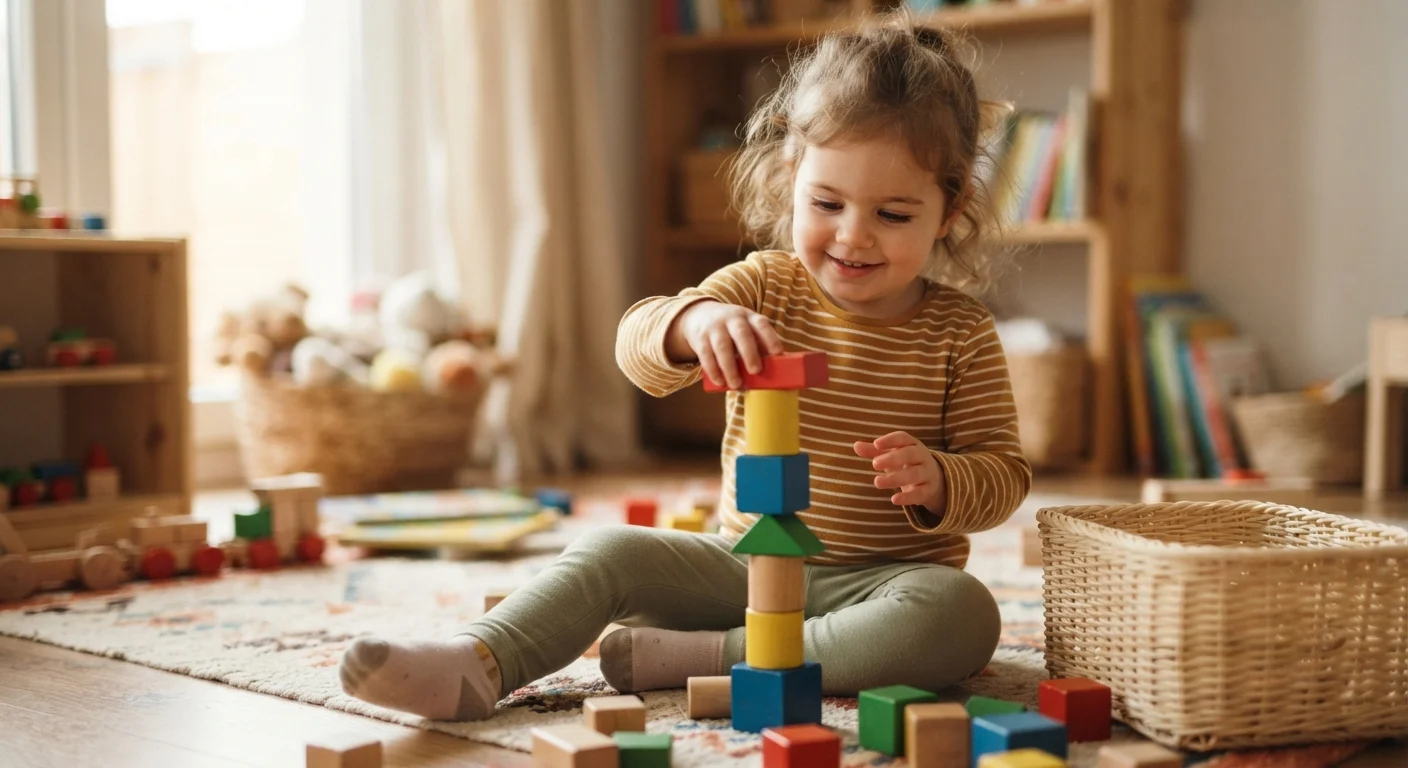
Cognitive development refers to how children think, learn, reason, remember, and solve problems. In infancy, this looks like a baby recognizing a caregiver's face. By the preschool years, it includes symbolic play, early number concepts, and curiosity-driven questioning. School-age children develop logical reasoning, and adolescents begin engaging in abstract thought - weighing hypothetical scenarios and considering future consequences.
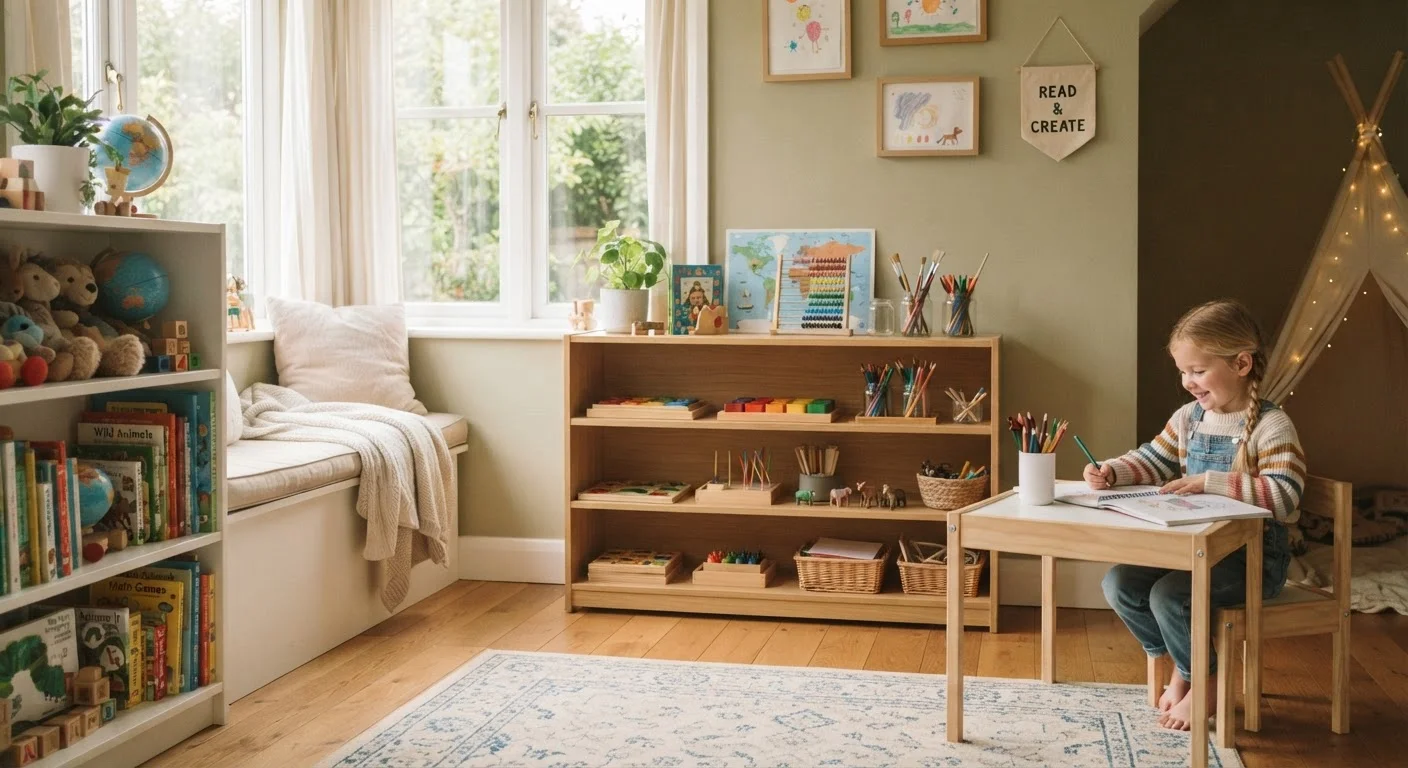
The home environment plays a significant role here. Open-ended toys, reading aloud, and conversations that invite children to explain their thinking all support cognitive growth. For a deeper look, see our guide on building a home environment that supports learning and curiosity.
Social-Emotional Development
This domain covers how children understand and manage their own emotions, build relationships, and develop empathy and self-concept. Secure attachment in infancy lays an early foundation. Preschoolers practice turn-taking and navigating disagreements. By middle childhood, peer relationships become increasingly central to identity. Parenting strategies that involve consistent warmth, clear boundaries, and emotion coaching tend to support healthy social-emotional growth across all ages.
Physical Development
Physical development includes both gross motor skills (large movements like crawling, running, and jumping) and fine motor skills (precise movements like grasping, drawing, and buttoning). Development generally follows a head-to-toe and center-outward progression. Our companion reference on fine motor and gross motor skills provides detailed timelines and guidance on when to seek a professional evaluation.
Language Development
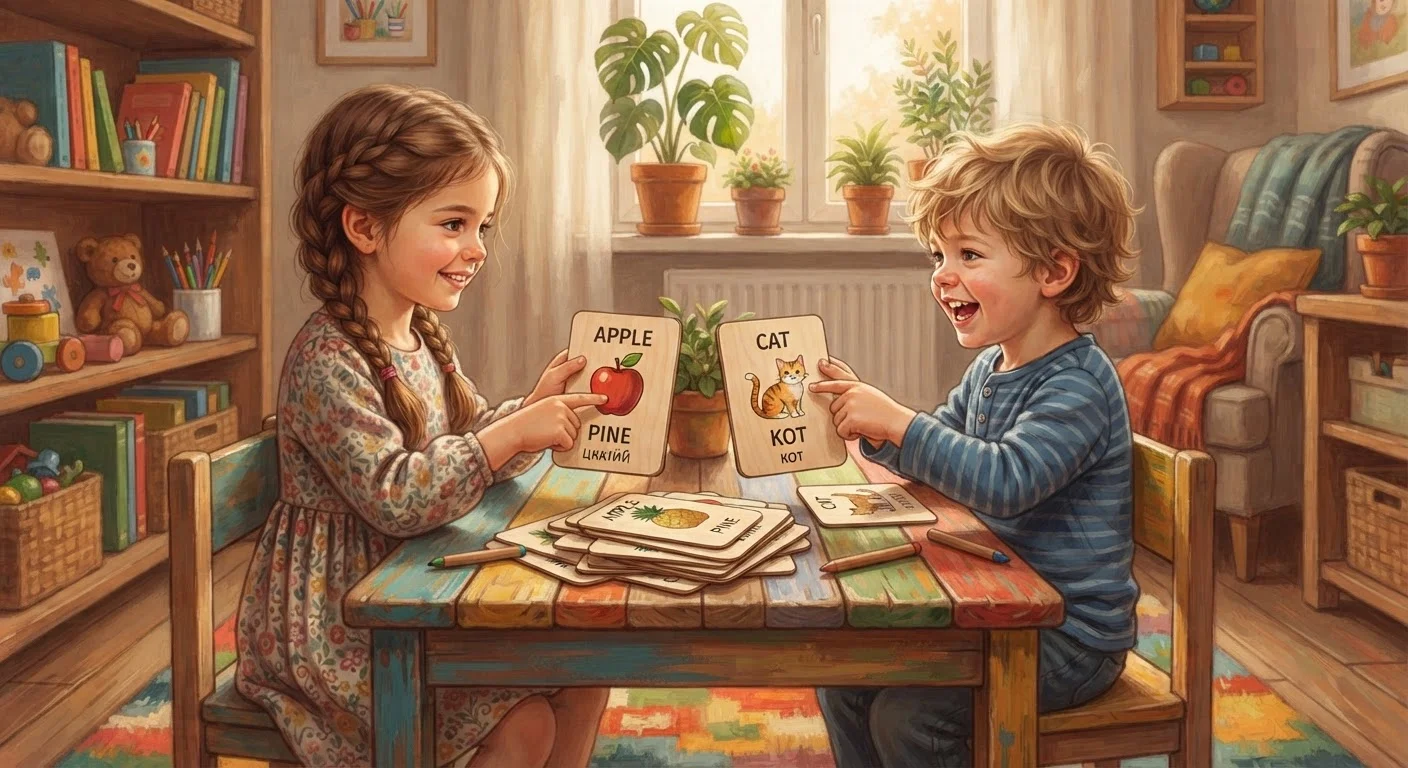
Language development encompasses listening, speaking, reading, and writing. It begins before birth - research shows newborns already recognize the rhythm of their home language. The early years are a particularly sensitive period, but language learning continues well into adolescence. Notably, children raised in bilingual households show distinct cognitive patterns; see our article on how bilingual environments shape cognitive development for what the evidence shows.
Cognitive Development
The process by which children develop thinking, reasoning, memory, and problem-solving abilities. It progresses from basic sensory recognition in infancy to complex abstract thought in adolescence.
Social-Emotional Development
The domain covering how children recognize and regulate their own emotions, form relationships, and develop empathy. It is closely tied to attachment relationships in the early years.
Gross Motor Skills
Physical abilities involving the large muscle groups, such as crawling, walking, running, and jumping. These skills typically develop before fine motor skills.
Fine Motor Skills
Physical abilities requiring precise coordination of smaller muscles, especially in the hands and fingers. Examples include grasping objects, drawing, and using utensils.
Language Development
The acquisition of listening, speaking, reading, and writing abilities. It begins prenatally and continues through adolescence, shaped by both biology and environment.
Developmental Domain
A category used by researchers and clinicians to organize the different dimensions of child growth - cognitive, social-emotional, physical, and language - for easier study and observation.
Sensitive Period
A window of time during which the brain is especially responsive to certain types of input or experience. Early language exposure is a well-documented example.
How the Domains Interact - and What Parents Can Do
One of the most important things developmental science has established is that these domains reinforce each other. A child who struggles with language may find it harder to navigate social situations. Physical play builds not only motor coordination but also impulse control and spatial reasoning. The research on nature vs. nurture in child development makes clear that both genetic predispositions and everyday experiences shape each domain.
90%
Of brain development occurs by age 5
According to the Harvard Center on the Developing Child, the brain's architecture is built rapidly in the earliest years of life.
30 million
Word gap by kindergarten in some children
Research has documented significant disparities in words heard by young children across different home environments, with lasting effects on language development.
Practical ways to support all four domains together include:
- Read together daily - strengthens language, attention, and emotional vocabulary simultaneously.
- Provide unstructured outdoor play - builds gross motor skills, peer negotiation, and creative thinking.
- Name emotions during everyday moments - builds social-emotional literacy alongside language skills.
- Engage curiosity without rushing answers - questions like "What do you think will happen?" build cognitive flexibility.
If you ever notice that your child seems significantly behind in one or more areas, the right first step is a conversation with your pediatrician. Developmental screening is a routine part of well-child visits, and early support - when needed - can make a meaningful difference. As children approach the teenage years, the domains shift in emphasis; our guide on preparing for your child's adolescence covers what parents often underestimate about that transition.
This article is for general informational and educational purposes only. It is not a substitute for professional medical, psychological, or developmental advice. If you have concerns about your child's development, please consult a qualified healthcare provider or developmental specialist.