Why Your Home Environment Matters More Than You Might Think
Child development research consistently shows that a child's everyday surroundings - the objects within reach, the sounds in the air, the rhythms of the day - shape cognitive growth in measurable ways. Understanding the four domains of child development helps clarify just how interconnected environment and growth really are.
The good news: you don't need a dedicated classroom, a large home, or a big budget. What matters most is intentionality - making deliberate choices about space, materials, and interaction. This checklist gives you a practical framework to audit your current home environment and identify meaningful improvements across several key areas.
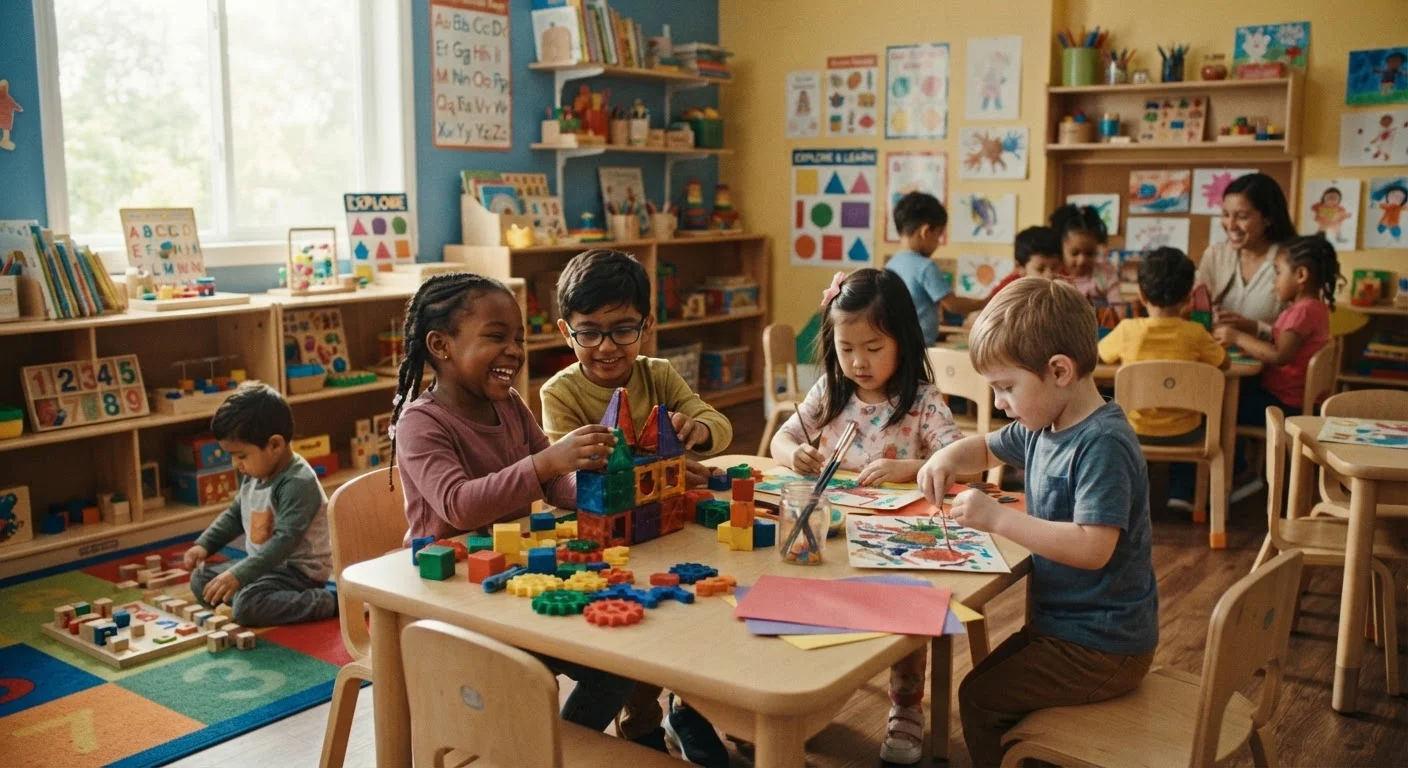
Open-ended building materials (blocks, LEGO-style sets)
Supports spatial reasoning, problem-solving, and creative construction without prescribing a single outcome.
Age-appropriate books (fiction and nonfiction)
Builds vocabulary, background knowledge, and a lifelong reading habit when kept visible and accessible.
Art and craft supplies (paper, crayons, clay, scissors)
Provides open-ended creative expression that supports fine motor skills and imaginative thinking.
Basic science tools (magnifying glass, measuring cups, small containers)
Encourages hands-on inquiry and observation skills through everyday kitchen or backyard exploration.
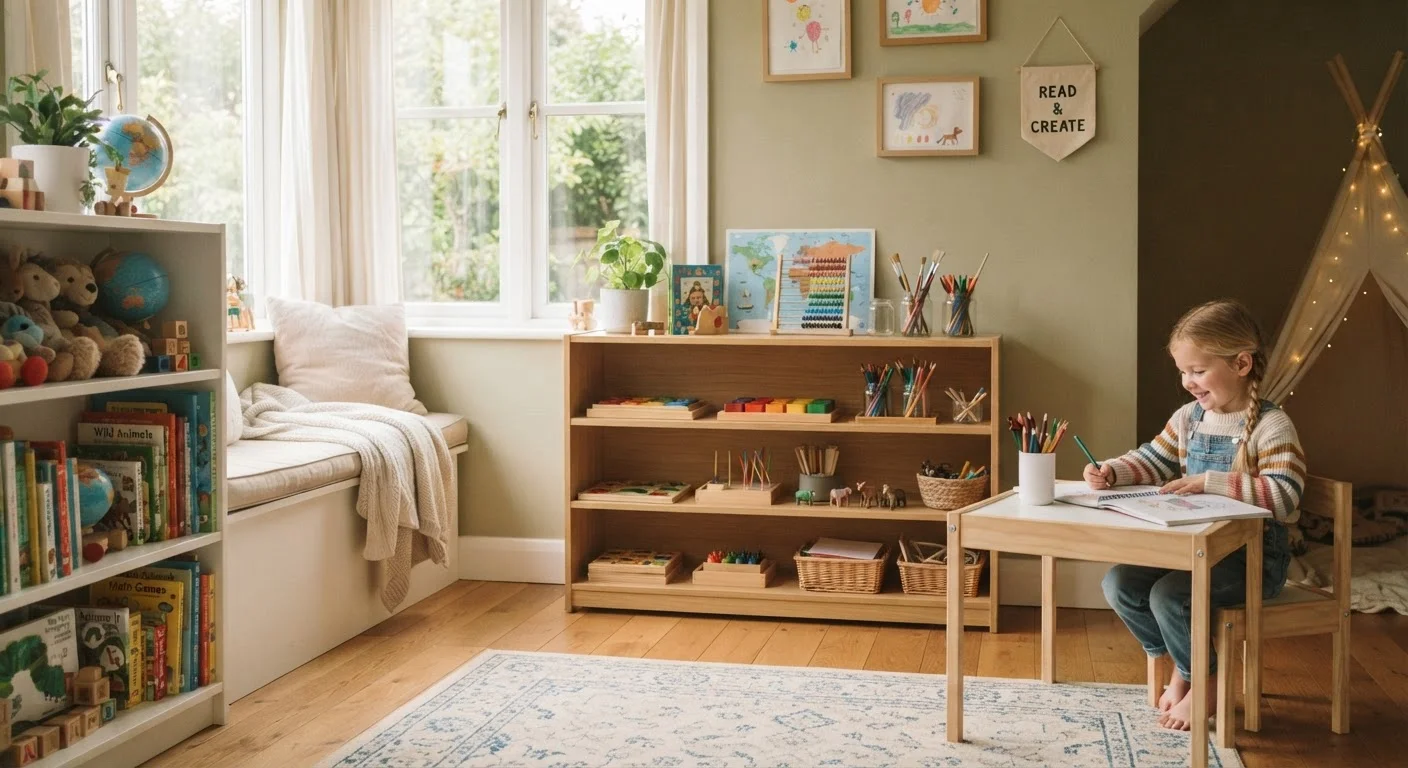
Child-height shelving or storage bins
Makes materials independently accessible, supporting autonomy and self-directed learning.
Rotating nature or curiosity tray
A dedicated surface to display found objects, seasonal items, or current interests that prompts conversation and investigation.
How to Use This Checklist
Walk through each category at your own pace. You might tackle one section per weekend, or do a single sweep of the whole house in an afternoon. Items marked must are foundational; should items add significant value with modest effort; nice to have items are enriching extras worth considering over time.
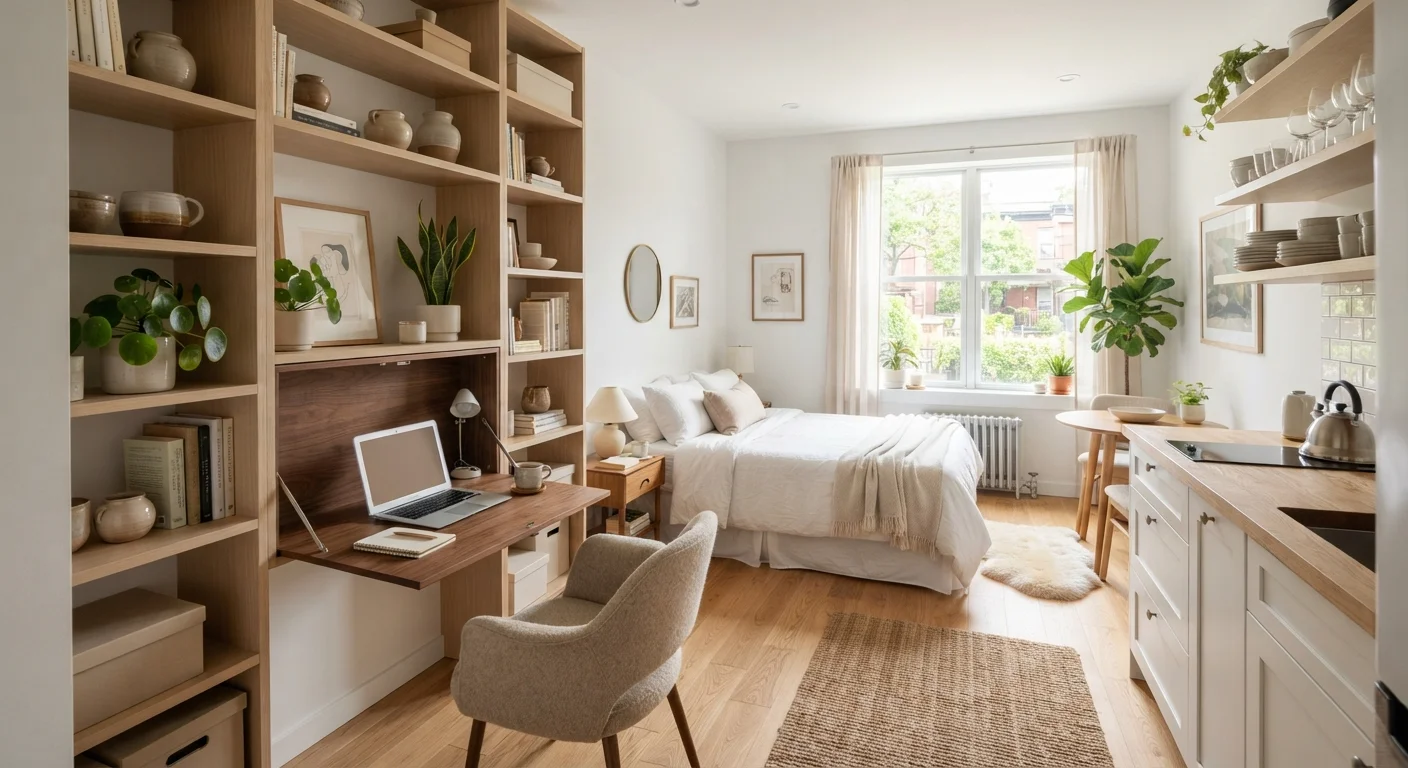
If square footage is limited, don't worry - many of these strategies work just as well in compact homes. Our guide on small-space organization strategies can help you adapt ideas to apartments and tighter layouts.
Physical Space Setup
Materials and Resources
Language and Interaction
Routines and Time
Your Presence Is the Most Important Variable
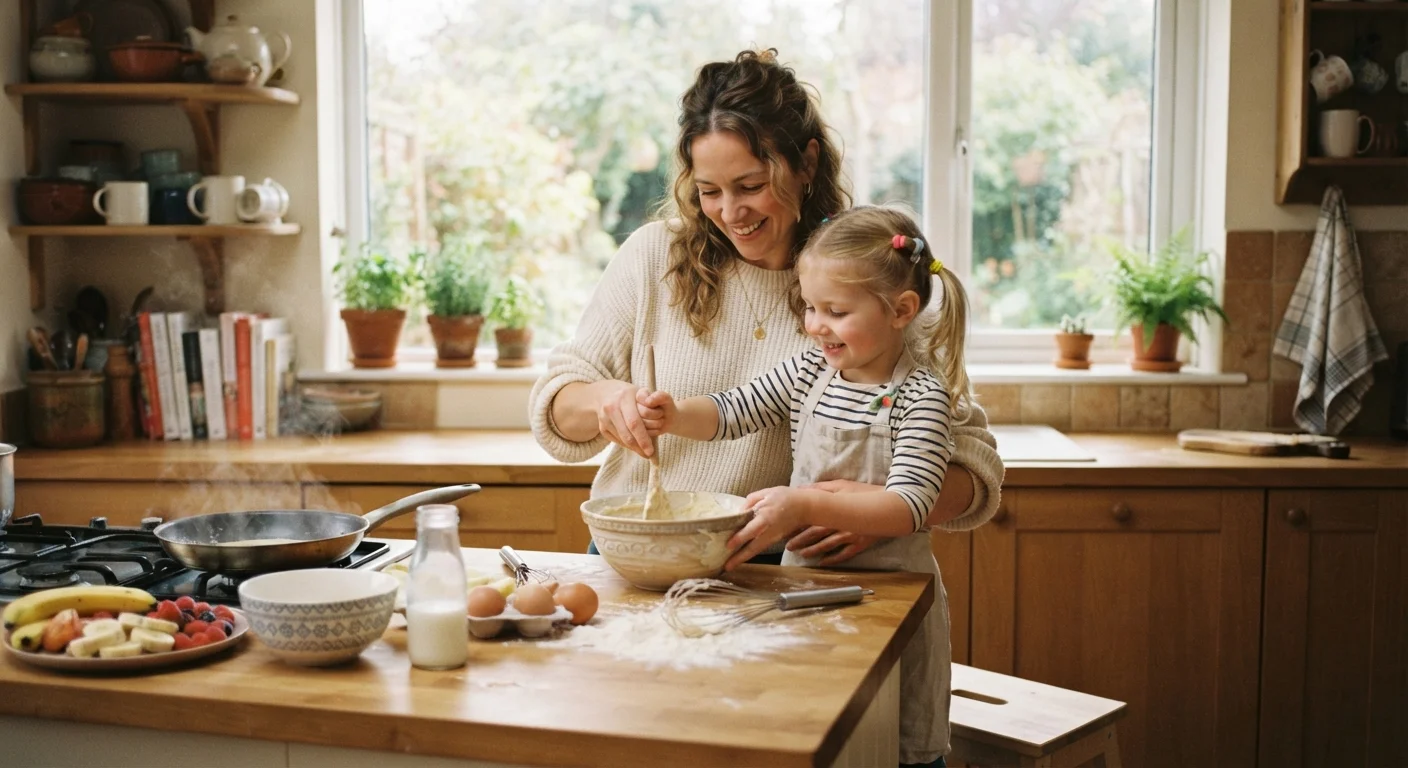
No arrangement of materials replaces warm, responsive interaction. Research in child development consistently finds that a caregiver's engaged, sensitive presence is the single most powerful predictor of healthy cognitive and emotional growth. Use this checklist to create supportive conditions - but remember that the conversations, questions, and shared moments you offer matter most of all.
Building Learning Into Daily Life
A learning-supportive environment isn't only about physical space - it's also about how the day unfolds. Predictable daily routines reduce anxiety and give children the psychological safety they need to take intellectual risks and explore freely.
Language is another pillar. Narrating tasks, asking open-ended questions, and reading aloud daily are among the highest-impact habits you can build. For deeper context on early language development, see how children learn to talk and what happens in the brain before a child reads. Screen use also deserves a thoughtful look - the evidence on screen time for young children is more nuanced than many headlines suggest, and context matters enormously.
Finally, remember that unstructured time is not wasted time. Free play supports cognitive flexibility and creativity in ways that structured activities often cannot replicate. The best home learning environments make room for both.
Avoid Overscheduling in the Name of Learning
It can be tempting to fill every hour with enrichment activities, classes, or structured curricula. However, developmental research suggests that children - especially those under eight - benefit enormously from unscheduled time to follow their own curiosity. A home that is too programmed can inadvertently crowd out the very exploration you're hoping to encourage. Aim for balance, not maximum stimulation.