
The Chemistry Is Identical - So Why Does the Distinction Matter?
A molecule of fructose from a ripe mango is, at the atomic level, indistinguishable from fructose extracted, refined, and stirred into a fruit-flavored drink. The distinction that nutrition scientists and dietary guidelines draw between natural sugar and added sugar is not about molecular structure - it is about food context.
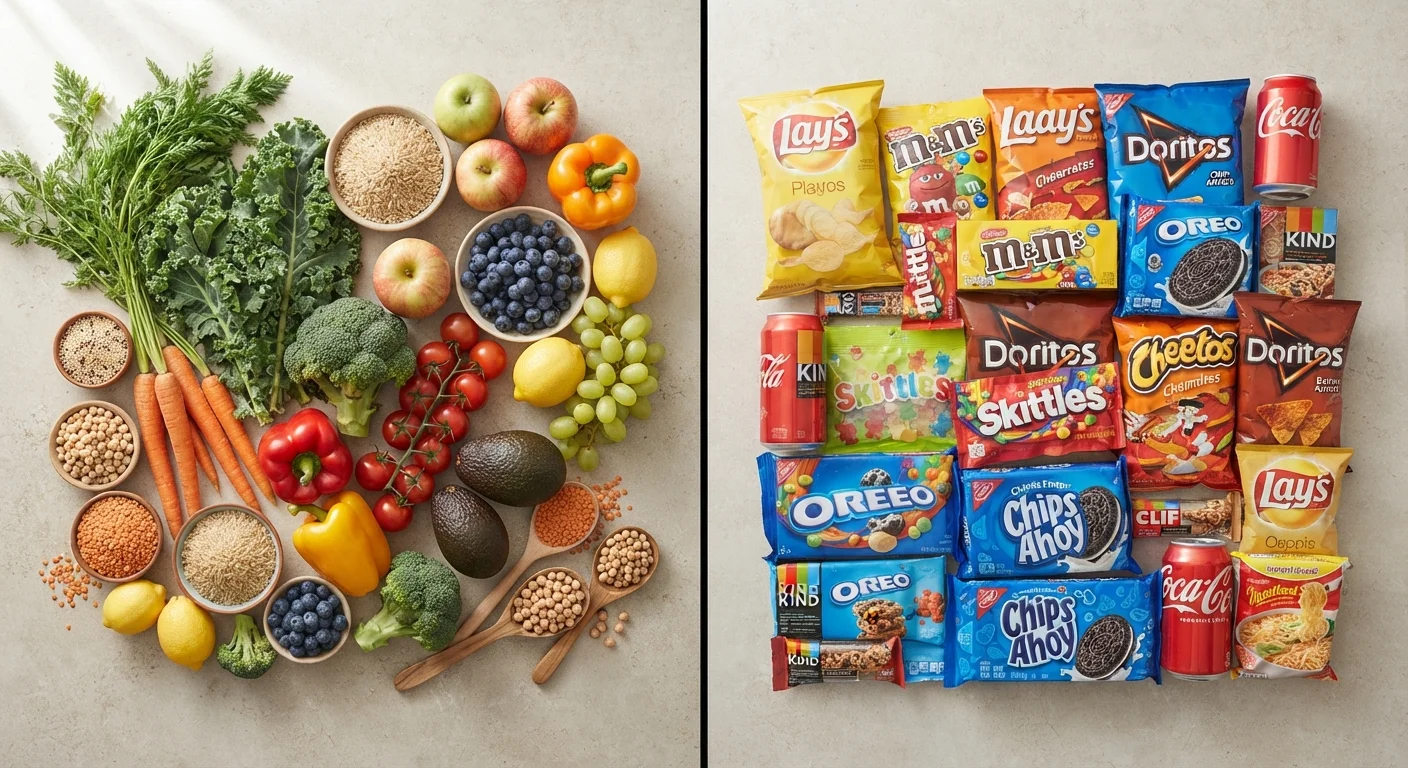
When sugar occurs naturally in a food, it arrives embedded in a matrix of fiber, water, vitamins, minerals, and phytonutrients. That matrix slows digestion, promotes satiety, and delivers meaningful nutritional value alongside the sweetness. When sugar is added during manufacturing or cooking, those accompanying benefits are typically absent. What remains is energy - and little else.
Understanding this distinction helps clarify why you can eat a bowl of strawberries without concern while health authorities specifically flag the sugar in a sweetened yogurt or a soda. Whole foods and processed foods exist on a spectrum, and where a food sits on that spectrum often determines whether its sugar is classified as natural or added.
Natural Sugar: Bundled With Benefits
Natural sugars appear primarily in three food categories: fruit (fructose), dairy (lactose), and vegetables (various). What these sources share is nutritional density. A medium apple contains roughly 19 grams of total sugar - but also about 4 grams of fiber, vitamin C, potassium, and antioxidants. The fiber physically slows the breakdown of that sugar in the gut, resulting in a more gradual rise in blood glucose compared with an equivalent amount of sugar consumed in liquid or refined form.
Plain milk delivers lactose alongside protein, calcium, phosphorus, and B vitamins. Beets and carrots contain small amounts of sucrose within a package of fiber and micronutrients. In each case, the whole food context meaningfully shapes the nutritional experience - even though the sugar molecules themselves are identical to their refined counterparts.
| Criterion | Natural Sugar | Added Sugar |
|---|---|---|
| Source | Whole fruits, vegetables, dairy | Added during processing or cooking |
| Chemical structure | Identical to added sugar | Identical to natural sugar |
| Accompanying nutrients | Fiber, vitamins, minerals, water | Minimal to none |
| Satiety effect | Higher - slowed by food matrix | Lower - digested rapidly |
| Listed separately on U.S. labels | No (counted in Total Sugars) | Yes (Added Sugars line) |
| Dietary guideline limit | No specific cap advised | Less than 10% of daily calories |
Added Sugar: Calories Without the Package
Added sugars are any sugars or caloric sweeteners - including cane sugar, high-fructose corn syrup, honey, agave nectar, and fruit juice concentrate - incorporated into food or beverages during processing, preparation, or at the table. They provide energy (4 calories per gram, the same as any carbohydrate) but arrive stripped of the fiber, protein, and micronutrients that define their natural-food counterparts.
This is why the 2020-2025 Dietary Guidelines for Americans advise keeping added sugars below 10% of total daily calorie intake, and the American Heart Association recommends even lower limits, particularly for children and people with cardiovascular risk factors. Consuming calories without accompanying nutrients can contribute to weight gain, dental caries, and - when consistently high - to metabolic strain over time.
Added sugars appear under a surprising number of names on ingredient lists. Added sugars hide under dozens of names on labels, from dextrose to maltose to evaporated cane juice. Learning to identify them is a practical skill for any mindful consumer.
17 tsp
Average daily added sugar intake in the U.S.
The CDC estimates Americans consume around 17 teaspoons of added sugar per day - well above the recommended limit of about 12 teaspoons for a 2,000-calorie diet.
~47%
Share of added sugar coming from beverages
According to CDC dietary intake data, sugar-sweetened beverages - including sodas, energy drinks, and fruit drinks - account for nearly half of all added sugar consumed by U.S. adults.
50 g
Daily Value for added sugars on U.S. nutrition labels
The FDA set the Daily Value for added sugars at 50 grams (based on a 2,000-calorie diet), reflecting the 10% cap recommended by the 2020-2025 Dietary Guidelines for Americans.
Reading Labels and Making Practical Choices
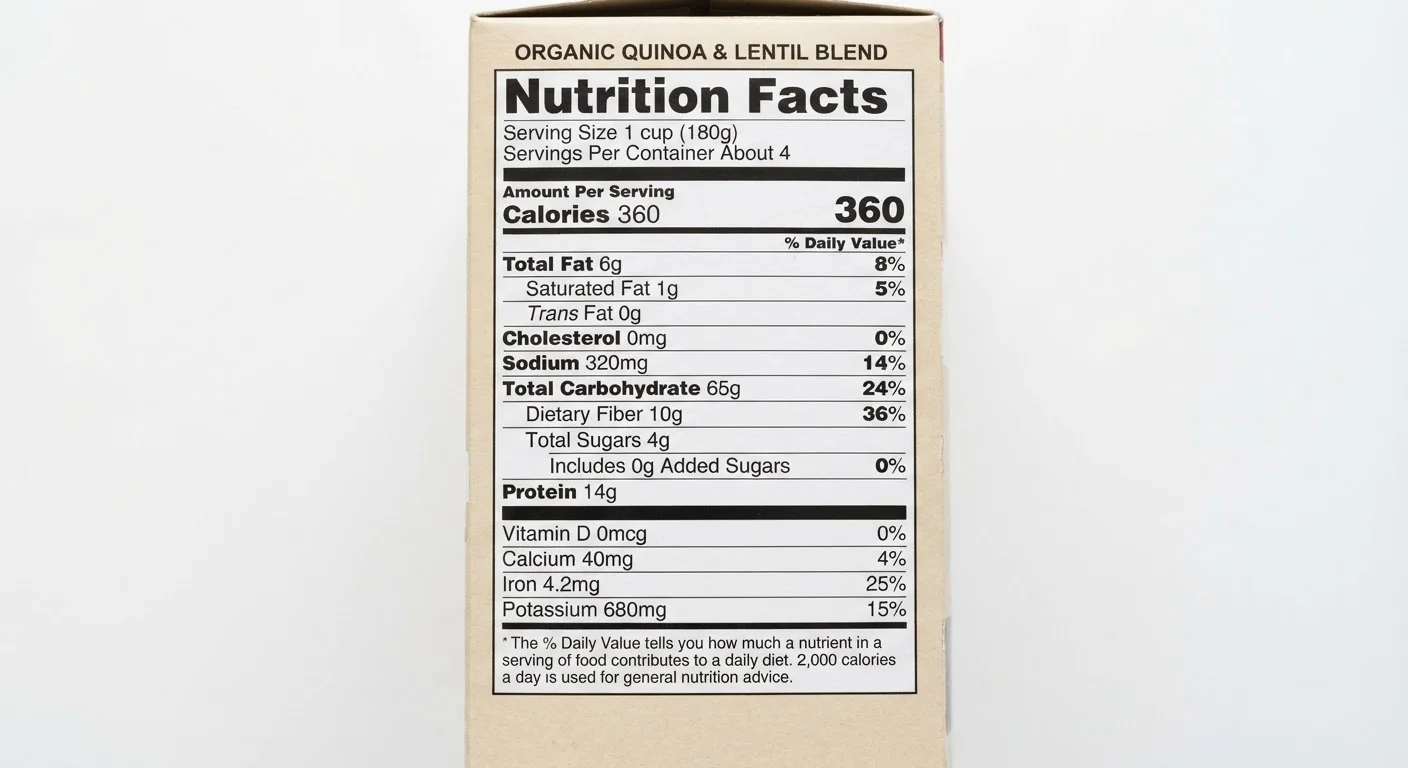
Since 2020, the updated U.S. Nutrition Facts label has required manufacturers to separately disclose Added Sugars in grams and as a percentage of the Daily Value (10% of a 2,000-calorie diet = 50 grams). This regulatory change makes it significantly easier to distinguish between, say, the naturally occurring lactose in plain yogurt and the cane sugar added to a flavored version of the same product. For a thorough walkthrough of every line on the label, see The Nutrition Label Explained, Section by Section.
Practically speaking, aiming to limit added sugar does not require avoiding naturally sweet whole foods. Fruit, plain dairy, and starchy vegetables remain among the most nutrient-dense choices available. The goal is to be deliberate about where added sweeteners appear in your diet - particularly in beverages, condiments, breakfast cereals, and packaged snacks where they can accumulate quickly and invisibly.
What About Honey, Maple Syrup, and 'Natural' Sweeteners?
Despite being marketed as wholesome alternatives, honey, maple syrup, agave, and similar sweeteners are classified as added sugars when incorporated into foods or beverages - not as natural sugars in the dietary-guideline sense. They do contain trace minerals and antioxidants, but in the quantities typically consumed, those amounts are nutritionally insignificant. Regulatory bodies and major health organizations treat them the same as refined cane sugar for the purposes of daily intake limits.
This article is for general informational and educational purposes only and is not a substitute for professional medical or dietary advice. If you have specific health concerns - including diabetes, cardiovascular conditions, or other metabolic issues - consult a qualified healthcare provider or registered dietitian before making significant changes to your diet.