The Brain Work That Happens Before the First Word Is Decoded
When a child eventually sits down and sounds out a word, it feels like a beginning. But the brain has been preparing for that moment for years. Reading is, neurologically speaking, an unnatural act - unlike spoken language, which humans evolved to acquire, written language is a recent human invention that the brain must be deliberately rewired to process.
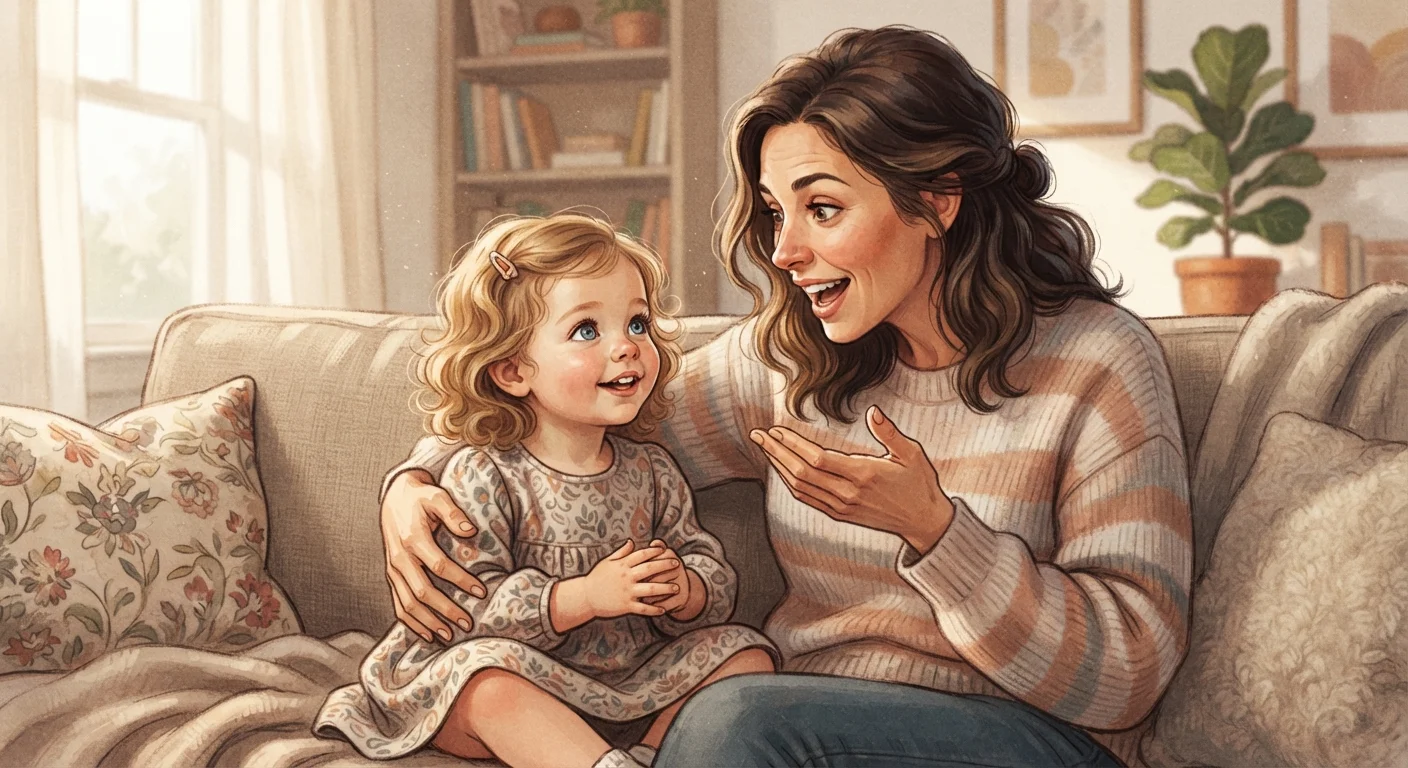
This rewiring depends on a set of earlier developmental accomplishments. Understanding how children learn to talk is essential context here, because oral language is the scaffolding on which literacy is built. A child who has a rich spoken vocabulary, who can follow and tell stories, and who has been immersed in conversation has a neurological head start when print is introduced.
The reading circuit - a network spanning the left hemisphere's language regions and the brain's visual processing areas - must literally be trained to link the visual shapes of letters to the sounds of spoken words. That training begins not with alphabet worksheets, but with listening, talking, rhyming, and being read to.
Reading Readiness Is Not the Same as Reading Instruction
It's important to distinguish between the skills that prepare a child for reading and the formal instruction that teaches decoding. Parents don't need to 'teach reading' to preschoolers. Instead, providing rich language experiences - stories, songs, conversation - builds the neural foundations that formal instruction will later build upon. Most early childhood experts caution against pressure-based academic drills before a child is developmentally ready.
Phonological Awareness: Hearing the Sounds Inside Words
Among all the pre-reading skills researchers have studied, phonological awareness - the ability to notice and manipulate the sound structure of language, independent of meaning - is consistently one of the strongest predictors of early reading success. A child who can hear that "cat" and "hat" rhyme, clap out the syllables in "dinosaur," or identify that "fish" starts with the /f/ sound is building crucial neural architecture.
This awareness develops in a rough sequence: children first notice large units (whole words, then syllables) before tuning into smaller ones (individual sounds, or phonemes). Crucially, phonological awareness is about sounds, not letters. A child does not need to know how to write to develop it - they need to play with language.
~20%
Children with reading difficulties, many identifiable early
The International Dyslexia Association estimates that up to 20% of the population shows signs of dyslexia, most of which can be identified through early phonological assessments before formal reading begins.
30 million
Word gap between high- and low-exposure children by age 3
Research by Hart and Risley found that children from less language-rich environments hear significantly fewer words by age 3, underscoring the impact of early conversational exposure on literacy foundations.
Age 5-7
Typical range for formal reading instruction readiness
While this is the most common developmental window for decoding to take root, researchers emphasize that meaningful variation is normal and not inherently cause for concern.
Songs, nursery rhymes, tongue twisters, and playful sound games are the brain-friendly tools that build this skill naturally. Parents don't need formal curricula; they need joyful repetition.
Print Awareness, Vocabulary, and the Role of Shared Reading
Alongside phonological awareness, two other foundations matter enormously: print awareness and vocabulary depth. Print awareness is the understanding that text carries meaning, runs left to right on the page, and corresponds to spoken words. Children develop this by watching adults read, by having books read to them repeatedly, and by noticing print in their everyday environment - on cereal boxes, street signs, and menus.
Vocabulary is perhaps less obvious but equally powerful. A child learning to decode the word "enormous" will grasp it far more quickly if they've already heard and understood it spoken aloud. Reading and vocabulary growth form a feedback loop: more words make reading easier; more reading builds more words.
Make the Most of Read-Aloud Time
When reading with your child, pause occasionally to ask open-ended questions: 'What do you think happens next?' or 'Have you ever felt like that character?' These brief conversations activate comprehension and inference skills that go far beyond letter recognition. Even 10-15 minutes of engaged shared reading each day builds meaningful language and literacy foundations over time.
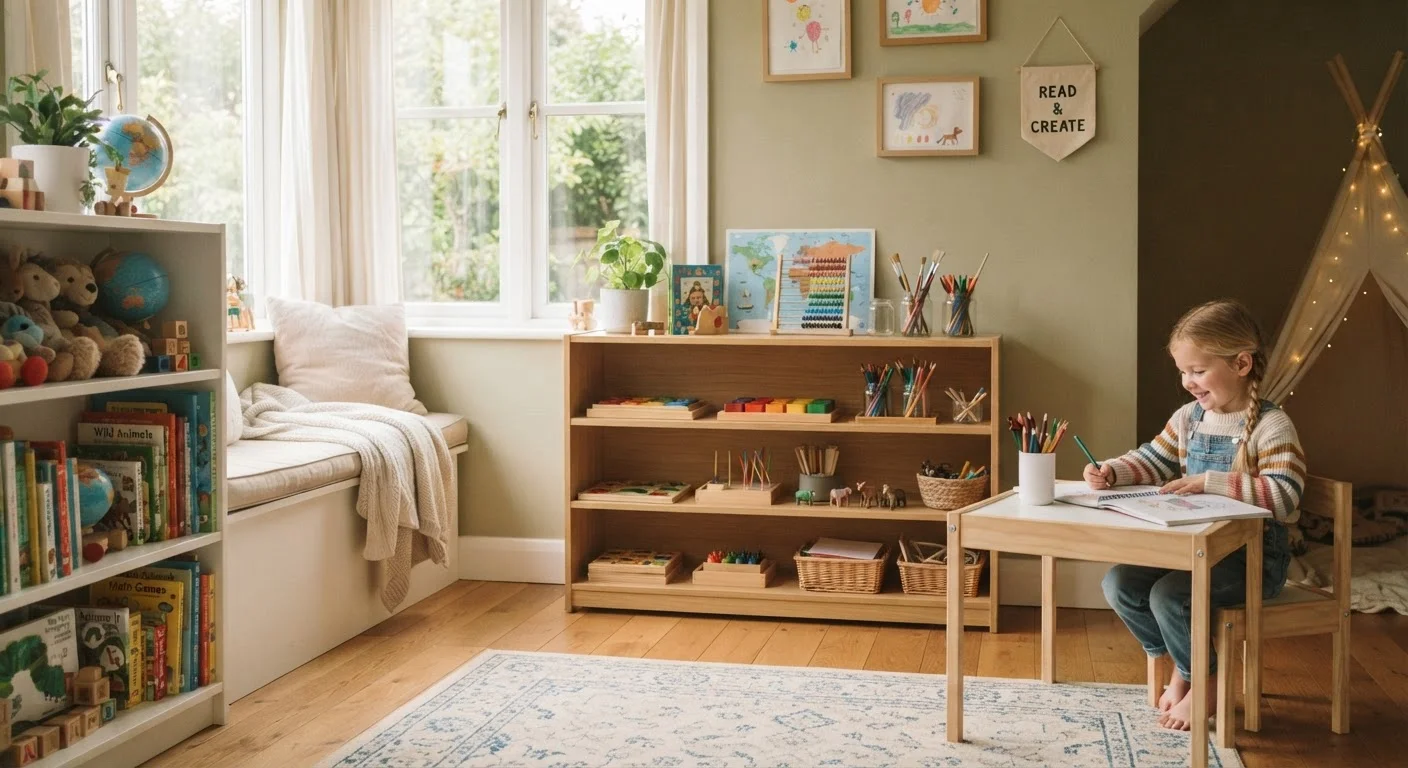
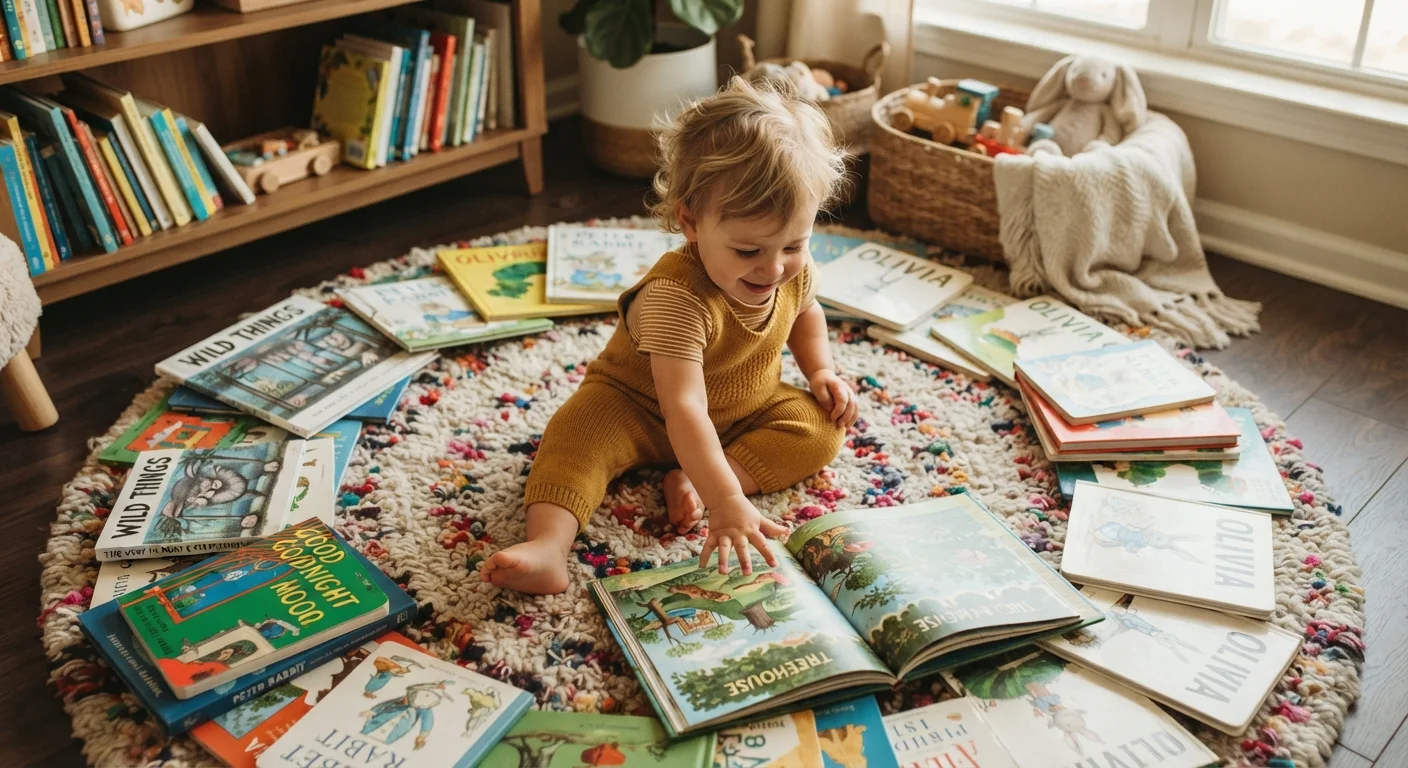
Shared reading - an adult and child exploring a book together - is one of the highest-leverage activities available to families. The back-and-forth conversation around books ("Why do you think the bear did that?") builds comprehension, inference skills, and world knowledge simultaneously. Families interested in shaping a home environment that supports learning will find that a rich book culture is one of the most impactful investments they can make.
What 'Readiness' Really Means for Your Child
Reading readiness is not a fixed gate that children either pass or fail. It's a developmental gradient, and children arrive at formal reading instruction carrying very different profiles of strengths. A child might have strong phonological awareness but limited vocabulary; another may know every letter of the alphabet but struggle to hear rhymes.
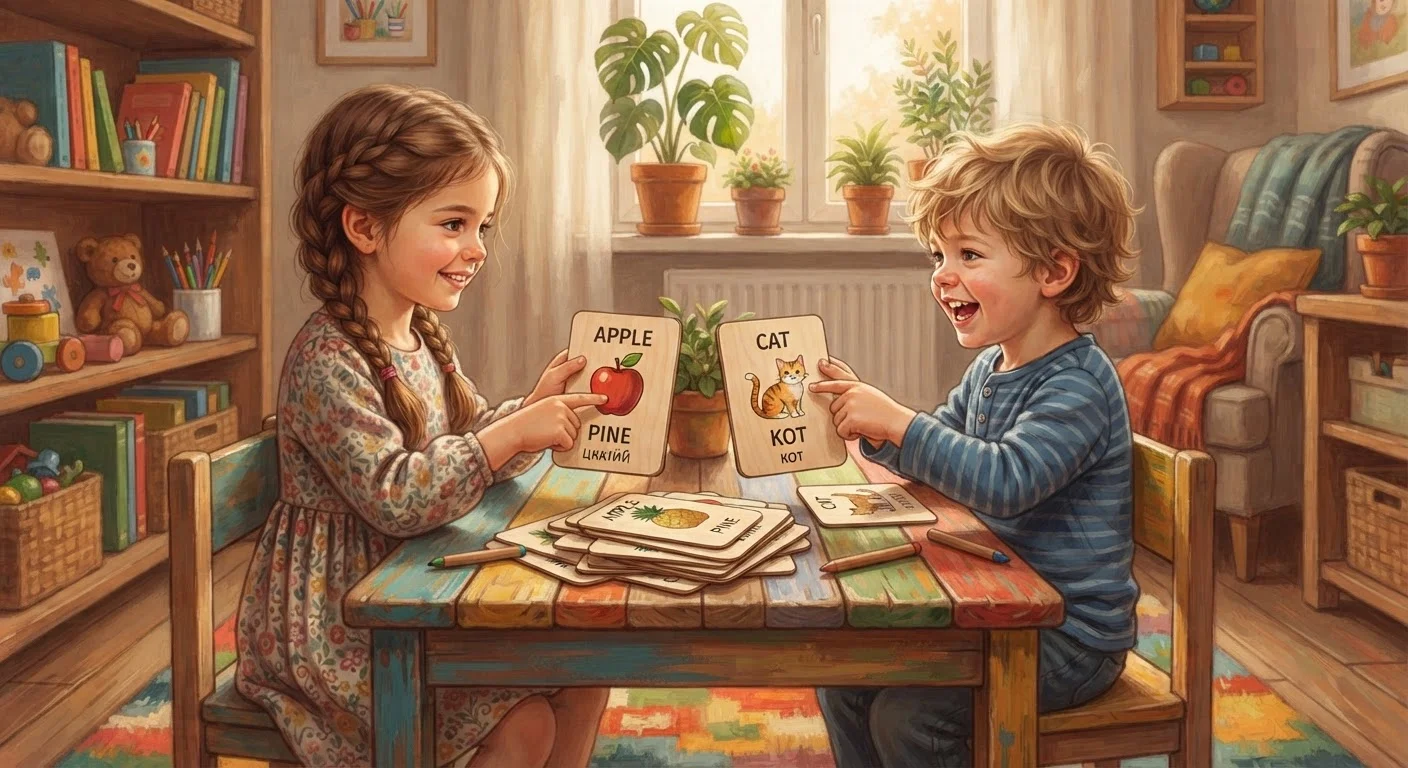
Children also develop at genuinely different rates. Developmental variation is real and normal, and a child who isn't reading at 5 is not necessarily behind in any meaningful clinical sense. What matters more than timing is the richness of the language environment the child is growing up in - something that bilingual households often provide in distinctive ways, as growing up with two languages appears to strengthen certain attention and language-processing abilities.
If you have genuine concerns about your child's language or literacy development - particularly if they show delays in speech, difficulty following directions, or limited engagement with sound-based play by age 4 or 5 - a conversation with your pediatrician or a speech-language pathologist is a worthwhile next step. Early identification of challenges like dyslexia is genuinely helpful, and parents are right to trust their instincts.
This article is for general informational purposes only and is not a substitute for professional advice from a pediatrician, developmental specialist, or licensed educator. If you have concerns about your child's development, please consult a qualified professional.