Why Predictability Feels Like Safety to a Child
Young children experience the world as a place that is largely outside their control. They can't drive themselves to school, choose what's for dinner, or determine when the day begins. What routine offers is something deeply reassuring: the ability to anticipate what comes next.
When a toddler knows that bath time follows dinner, which follows playtime, they aren't just following a schedule - they're exercising a primitive but powerful form of agency. Their brain learns to predict the environment, and prediction, in developmental terms, is the foundation of safety. Research in early childhood development consistently links environmental predictability to lower levels of the stress hormone cortisol in young children, which in turn supports healthier brain development.
This is why disruptions - a holiday that upends the usual structure, a parent returning to work - can trigger unexpected emotional responses in young children. It's rarely about the event itself; it's about the loss of the predictable map they rely on. Understanding this helps parents respond with empathy rather than frustration.
Routine Benefits Caregivers Too
The calming effect of predictable structure isn't limited to children. Parents and caregivers who operate within consistent daily rhythms report lower decision fatigue and reduced stress. Daily habits shape adult mood and resilience in ways that compound over time - meaning when you build a routine for your child, you're often supporting your own well-being simultaneously.
Routine as a Building Block for Self-Regulation
One of the most important skills a child develops in their early years is self-regulation - the ability to manage emotions, impulses, and behavior. Routine plays a quiet but powerful role in this process.
When a child moves through a familiar sequence - wake, dress, eat, learn, play, sleep - they are repeatedly practicing transitions. Each handoff from one activity to the next is a small exercise in flexibility and emotional control. Over time, these micro-practices compound. Children who have experienced consistent structure tend to handle unexpected changes with greater resilience because they've built internal resources for navigating transitions.
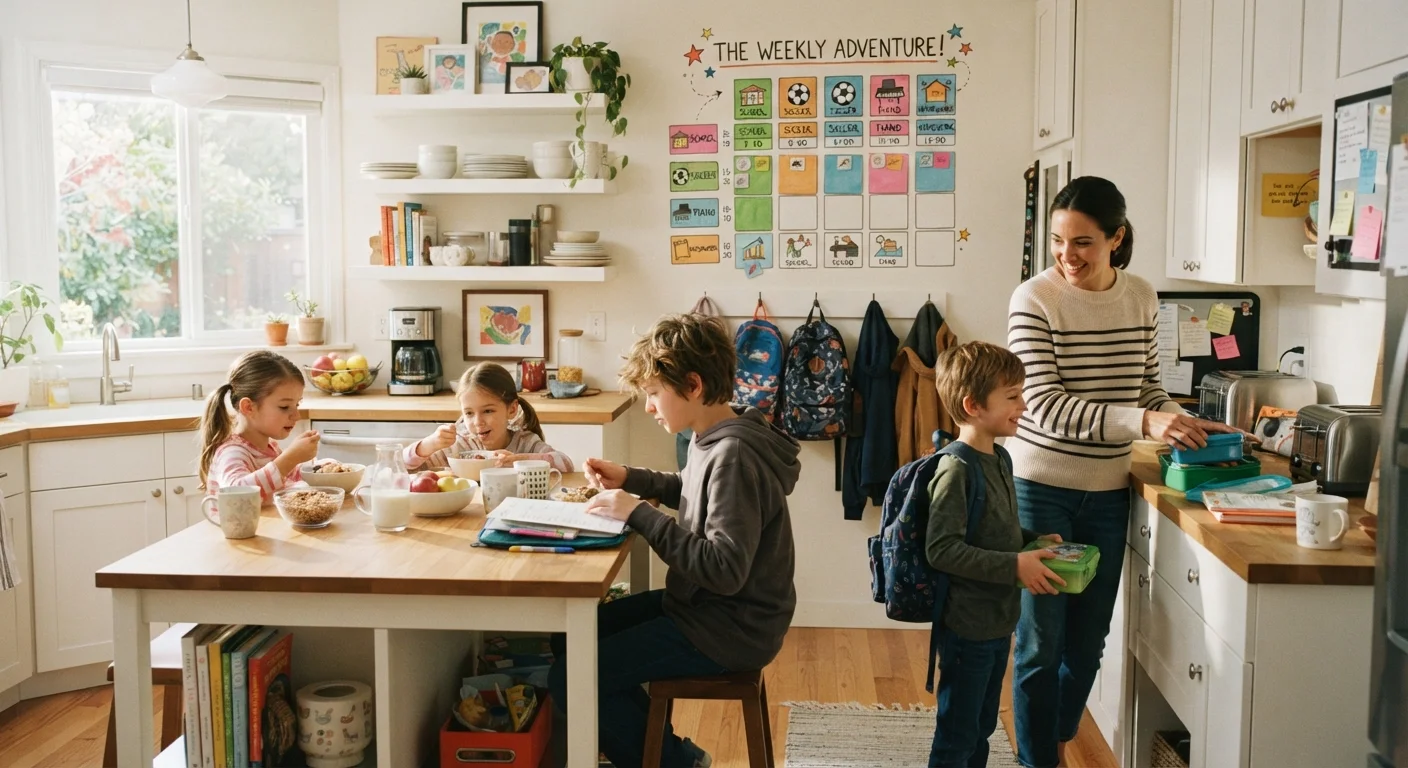
The structure that supports self-regulation looks different at each developmental stage. A toddler's routine centers on physical rhythms - sleep, food, movement. A school-age child benefits from routines that include homework time, chores, and family connection. The content shifts, but the underlying principle - predictability enabling self-management - remains constant.
Small Rituals Count as Routine
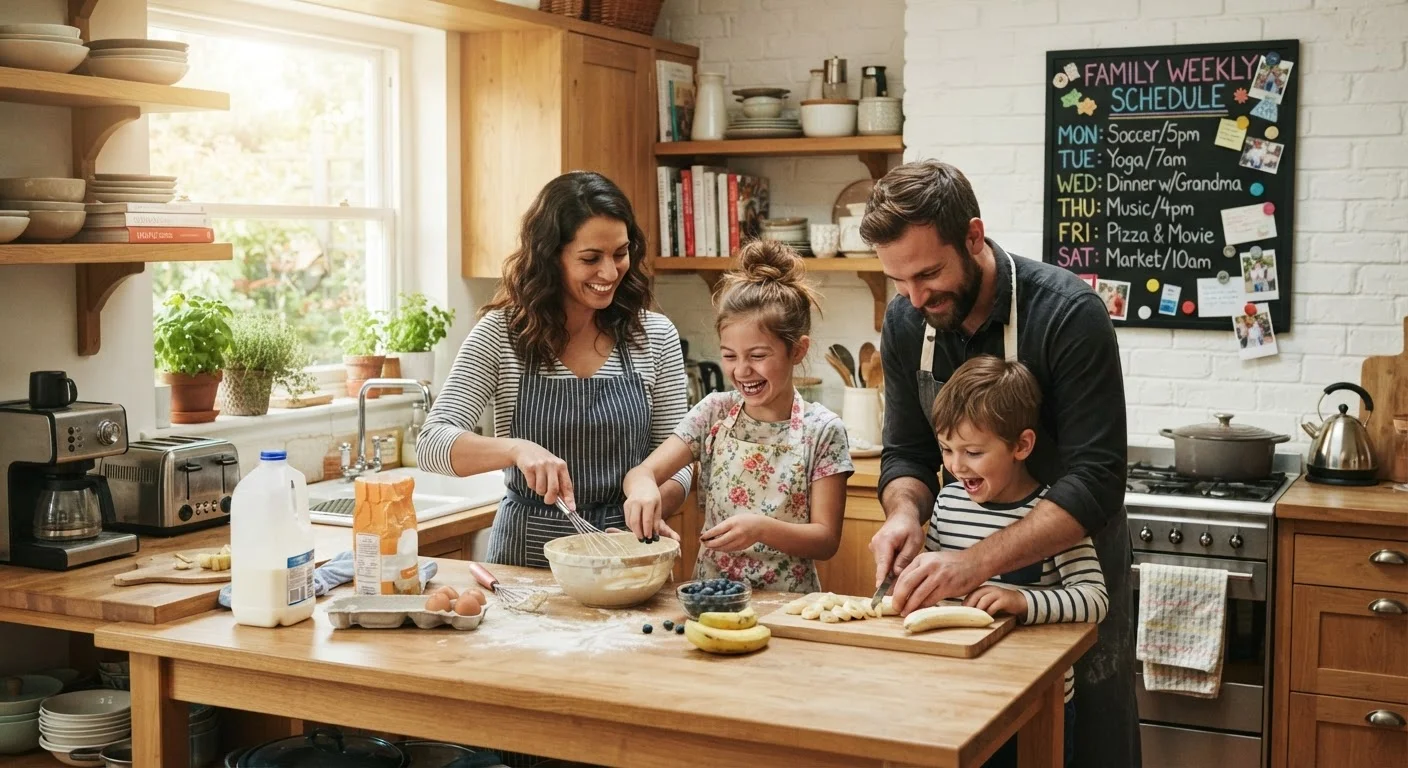
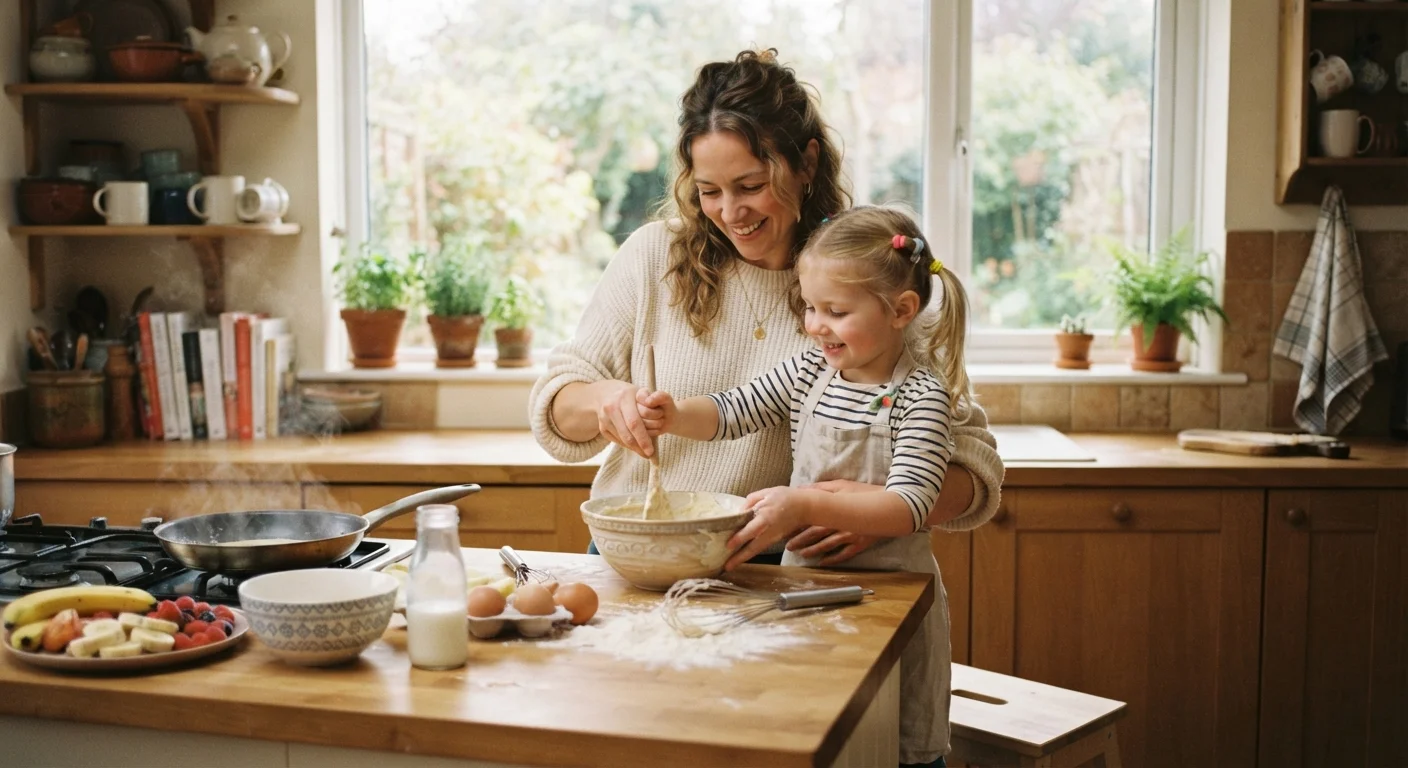
Routine doesn't require a detailed schedule pinned to the refrigerator. Consistent small rituals - the same song during morning hair-brushing, a particular phrase said at drop-off, a weekend pancake tradition - all provide meaningful anchors. These micro-routines carry genuine developmental weight and are often more sustainable for busy families than rigid minute-by-minute plans.
The Emotional and Cognitive Ripple Effects
Beyond security and self-regulation, routines quietly shape how children learn. A child who arrives at school well-rested, having eaten breakfast and followed a calm morning sequence, is neurologically better positioned to engage with learning. Their working memory, attention, and problem-solving capacity are all influenced by the quality and consistency of their daily rhythms.
Routines also provide a natural context for building competence. A four-year-old who helps set the table every evening isn't just being helpful - they're developing a sense of mastery, contribution, and identity within the family. These small repeated roles tell a child: you belong here, you matter here, you are capable.
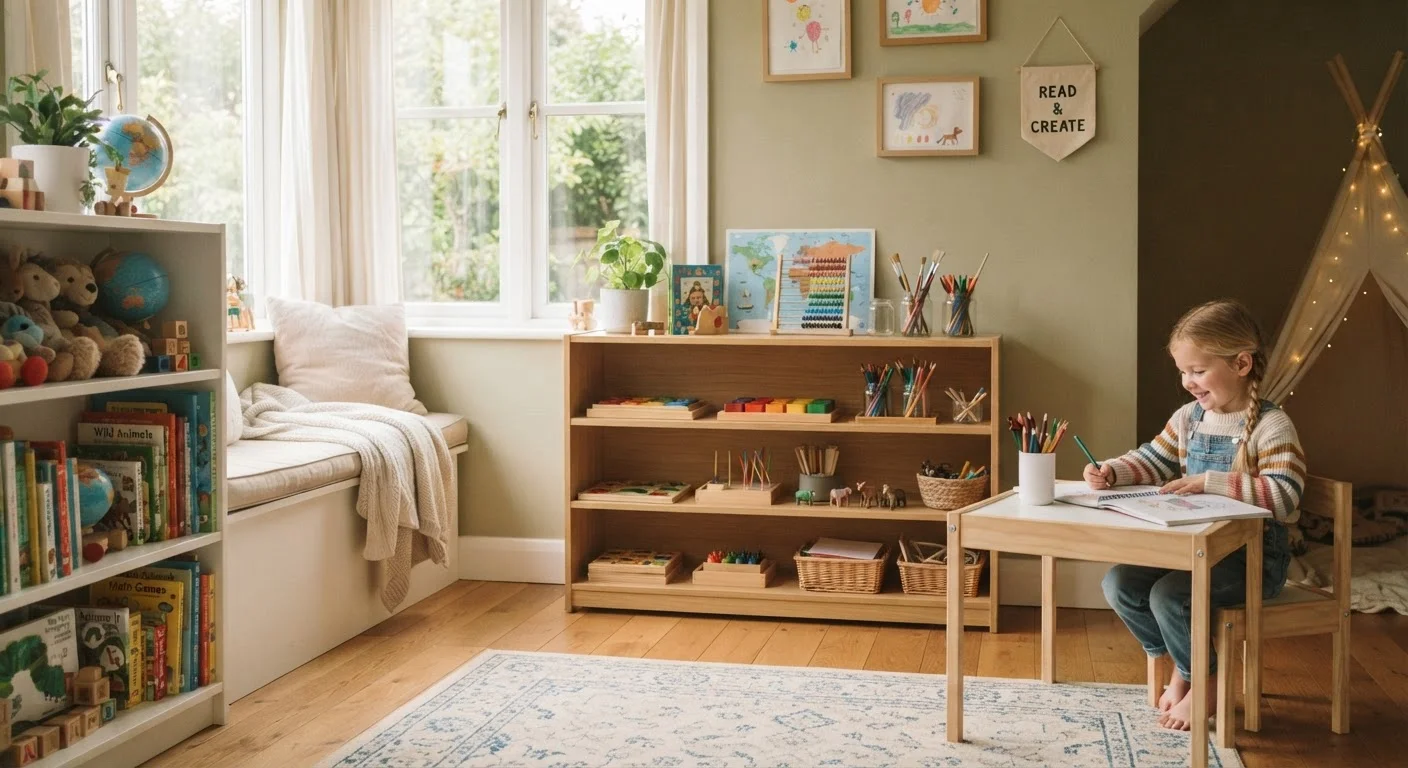
For parents interested in creating environments that extend this effect, the home environment itself plays a complementary role in supporting cognitive growth alongside daily structure. Together, consistent routines and a well-considered physical space send a coherent message of safety and invitation to explore.
~40%
Reduction in behavioral problems linked to consistent routines
Research published in developmental psychology literature suggests children with highly consistent family routines show meaningfully fewer behavioral difficulties compared to those without structured daily patterns.
6 years
Age when executive function benefits of routine become measurable
Studies on early childhood development indicate that by school age, children raised with predictable routines demonstrate stronger working memory and impulse control - core components of executive function.
1 in 3
Young children who struggle with sleep without a bedtime routine
Pediatric sleep research consistently identifies the absence of a consistent bedtime ritual as one of the most common contributors to sleep onset difficulties in children under age eight.
Building Routines That Work for Real Families
The most effective family routines aren't perfectly engineered schedules - they're frameworks flexible enough to accommodate real life while stable enough to provide genuine anchors. A few evidence-informed principles are worth keeping in mind.
- Anchor the edges of the day. Morning and bedtime routines carry disproportionate developmental weight. A calm, consistent start and end to the day provides the scaffolding that holds everything else together.
- Involve children in the design. Even young children can contribute ideas - what should come first in the morning routine? What song plays during teeth-brushing? Ownership increases cooperation.
- Use visual supports for younger children. Simple picture-based schedules help preschool and early elementary-aged children internalize the sequence without relying on adult reminders at every step.
- Narrate transitions. Giving children a verbal heads-up - "In five minutes, we're turning off the TV" - reduces the abruptness of transitions and the meltdowns that often follow.
For families ready to move from understanding to implementation, a family routine built around sleep, nutrition, and movement offers a practical starting point. Routine isn't about perfection - it's about showing up, again and again, in ways your child can count on.
This article is for informational and educational purposes only and does not constitute medical or psychological advice. If you have concerns about your child's development, behavior, or emotional well-being, please consult a qualified pediatrician, child psychologist, or developmental specialist.