Why Resilience Is Built, Not Born
Many parents worry that some children are simply wired to handle difficulty better than others. While temperament does play a role, developmental research consistently suggests that resilience is far less about fixed traits and far more about the environment children grow up in. The relationships, routines, and emotional habits a family cultivates together form the foundation upon which a child learns to cope.
Resilience doesn't mean a child never struggles - it means they have the internal and relational resources to recover. For families, that's genuinely encouraging news: the everyday moments matter enormously. See the Parenting Strategies hub for a broader look at approaches that support confident, well-adjusted kids.
Name emotions out loud during everyday moments
Children develop emotional vocabulary by hearing feelings labeled in real time. This practice, sometimes called 'emotion coaching,' helps children recognize their internal states and understand that all feelings are normal - even the uncomfortable ones.
Model your own coping strategies openly
Children learn how to handle stress largely by watching the adults around them. When parents demonstrate healthy coping - taking a breath before responding, saying 'I'm feeling frustrated right now, so I need a moment' - they provide a living blueprint for self-regulation.
Maintain predictable daily routines
Consistent routines reduce background anxiety by making the world feel more predictable and controllable. When children know what to expect, they conserve cognitive and emotional energy for the challenges that do arise.
Encourage problem-solving rather than rescuing
When parents immediately resolve every difficulty, children miss the opportunity to build confidence in their own capabilities. Guiding children through problem-solving - rather than solving for them - builds self-efficacy over time.
Create space for regular, low-stakes connection
Research on attachment consistently shows that felt security is the bedrock of resilience. Brief, warm daily check-ins - not just problem-focused conversations - reinforce the message that a child is valued beyond their achievements or behavior.
Validate struggle without catastrophizing or minimizing
Children need to learn that hard feelings are survivable. Parents who say 'It's no big deal' or, conversely, who become visibly distressed by a child's distress can both inadvertently teach unhelpful lessons about emotional experience.
Core Practices That Strengthen Emotional Resilience
The practices below are grounded in child development research and reflect what many family therapists and psychologists consider foundational. They don't require special training - just intentional, consistent effort over time.
The Role of the Family as a System
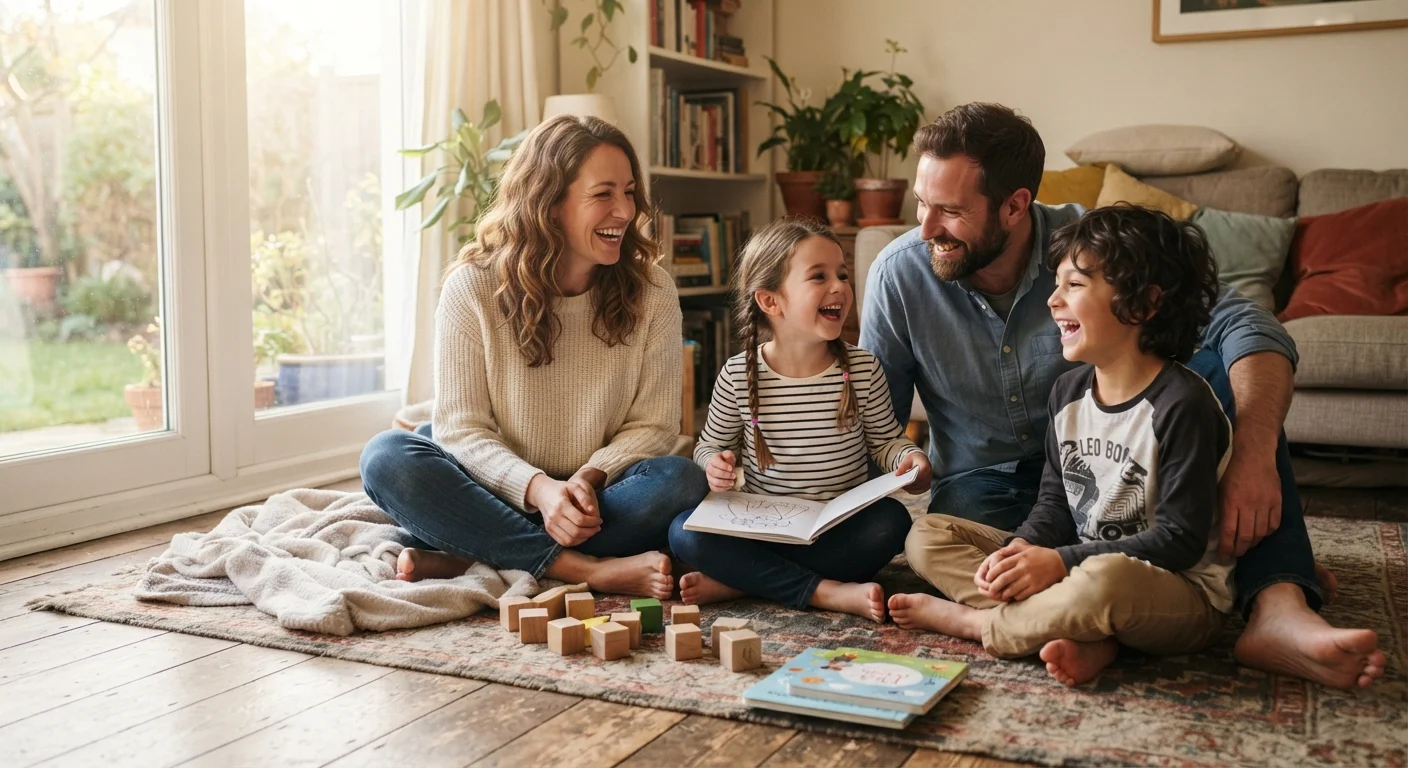
Children don't develop resilience in isolation - they develop it within relationships. When the family functions as a supportive system, each member reinforces the others. That includes how conflict is handled, how stress is talked about, and whether children see adults repair ruptures after disagreements.
It's worth recognizing that certain habits can quietly work against this process. Patterns that quietly undermine emotional resilience - such as emotional avoidance or over-reassurance - can erode coping capacity even in loving households. Awareness is the first step toward change.
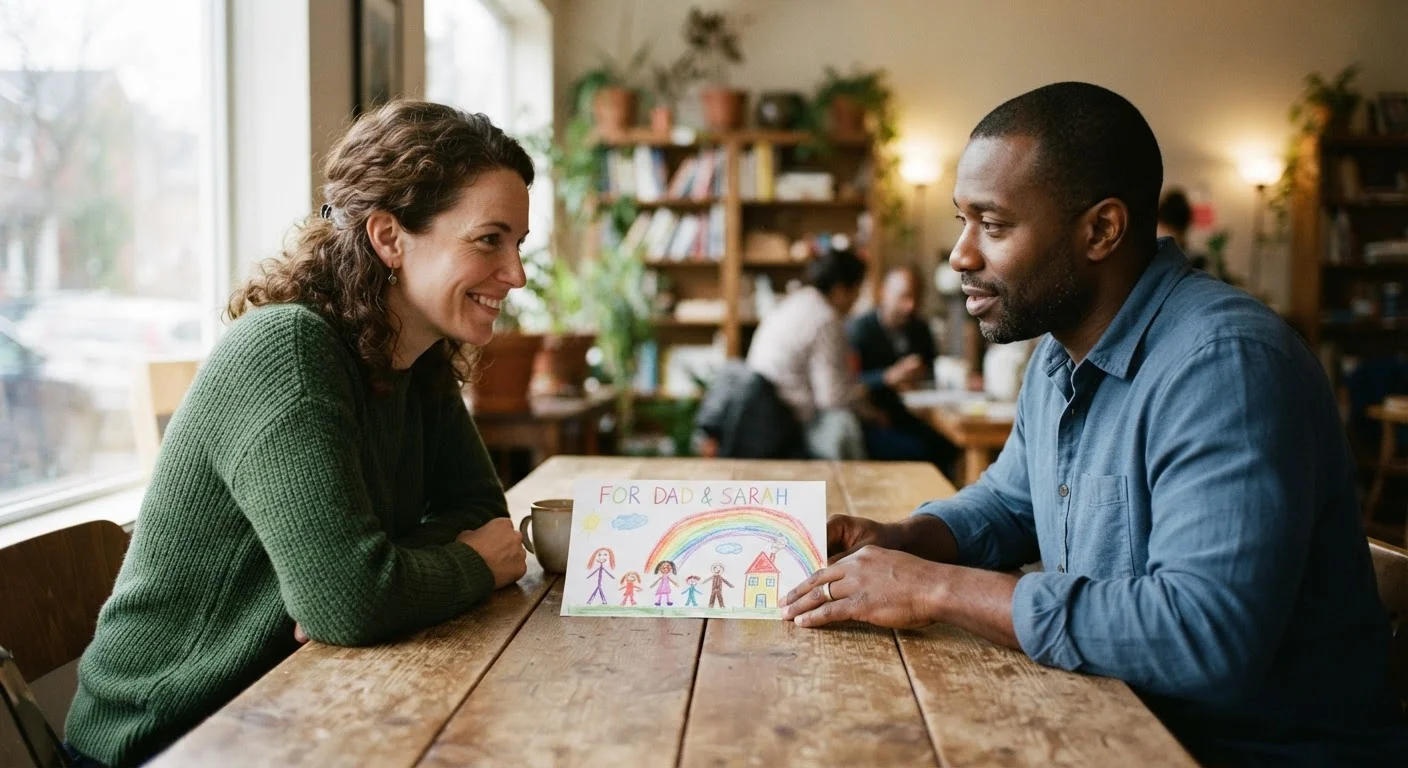
For families navigating separation or co-parenting arrangements, resilience-building remains possible. Co-parenting principles that put children first can help maintain the stability and consistency children need most during transitions.
This article is for general informational and educational purposes only. If you have concerns about your child's emotional development or mental health, please consult a qualified healthcare or mental health professional.