How Each Method Actually Works
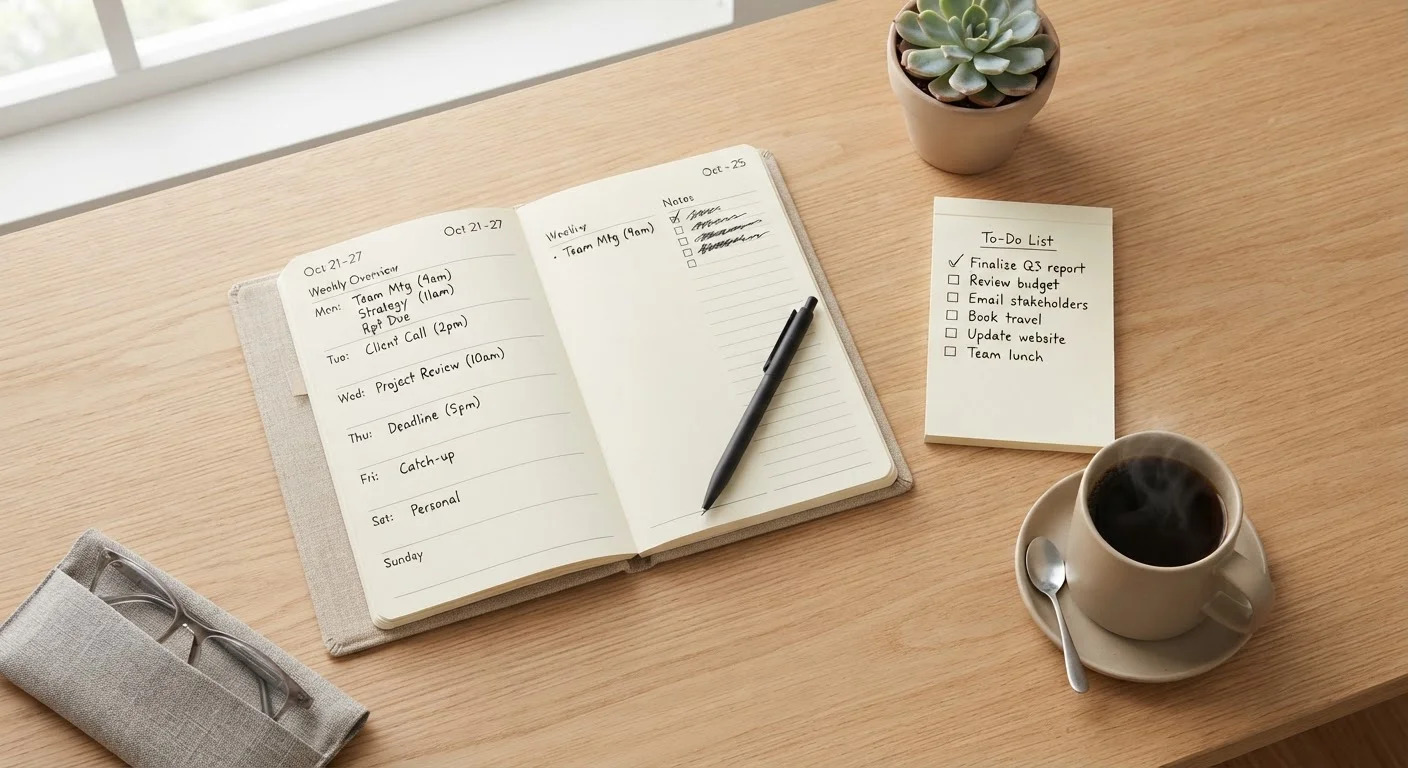
Time blocking means scheduling specific tasks or task categories into dedicated calendar slots - for example, reserving 9-11 a.m. for writing, 11-11:30 a.m. for email, and 2-3 p.m. for meetings. Nothing fills that slot except the designated work. Cal Newport, who writes about deep work, is one of the more widely cited advocates for this structure, though variations of the approach appear throughout productivity research.
To-do lists capture what needs to be done without specifying when. A list might include ten items of varying urgency. Throughout the day, the worker picks from that list based on available time, energy, and priority. Lists can live in a notebook, an app, or a sticky note - the format matters less than the habit of maintaining one.
The core difference: time blocking answers when; to-do lists answer what. Neither fully answers both questions on its own.
| Criterion | Time Blocking | To-Do Lists |
|---|---|---|
| Core function | Assigns tasks to calendar time slots | Captures and tracks tasks to complete |
| Flexibility | Low - schedule must be rebuilt when disrupted | High - easy to reprioritize on the fly |
| Setup time | Higher - requires planning and estimation | Low - quick to create and update |
| Protects deep focus | Yes - blocks guard uninterrupted time | No - tasks compete without time protection |
| Risk of deferral | Lower - scheduled tasks are harder to skip | Higher - items can stall indefinitely |
| Best environment | Predictable schedules with autonomy | Dynamic, reactive, or team-driven roles |
Where Each Method Falls Short
Time blocking's main weakness is rigidity. Unexpected meetings, urgent requests, or simple task overruns can collapse a carefully built schedule. Workers in highly reactive roles - customer support, team management, healthcare coordination - often find strict blocks impractical. There's also a learning curve: effective blocking requires accurate estimates of how long tasks take, a skill most people underestimate at first.
To-do lists carry their own failure mode. Without a scheduled time, important tasks can sit on a list indefinitely while easier or more urgent items rise to the top. Research on implementation intentions - a concept studied by psychologist Peter Gollwitzer - consistently shows that specifying when and where you'll perform a task substantially increases follow-through compared to simply intending to do it. A list without timing creates intention; it doesn't guarantee action.
~40%
Tasks on to-do lists never completed
Productivity researchers have estimated that roughly 40% of items added to to-do lists are never acted on, often because no specific time is set for them.
2x
Improvement in follow-through with implementation intentions
Meta-analyses of Peter Gollwitzer's implementation intention research show that specifying when, where, and how you'll act on a goal roughly doubles the rate of follow-through compared to goal-setting alone.
Lists also offer no protection for deep-focus work. If complex tasks compete for attention alongside quick wins, the quick wins tend to dominate. That pattern can quietly erode the quality of high-stakes work over time. For strategies to guard against this, see building focus in a distraction-heavy workplace.
Combining Both: A Practical Hybrid
Most experienced workers don't choose one method exclusively - they use both in a layered system. The to-do list acts as a capture and triage tool: everything that needs doing lives there. Time blocking then turns priorities into scheduled commitments. At the start of each day or week, tasks from the list get assigned to calendar blocks based on urgency, estimated duration, and available windows.
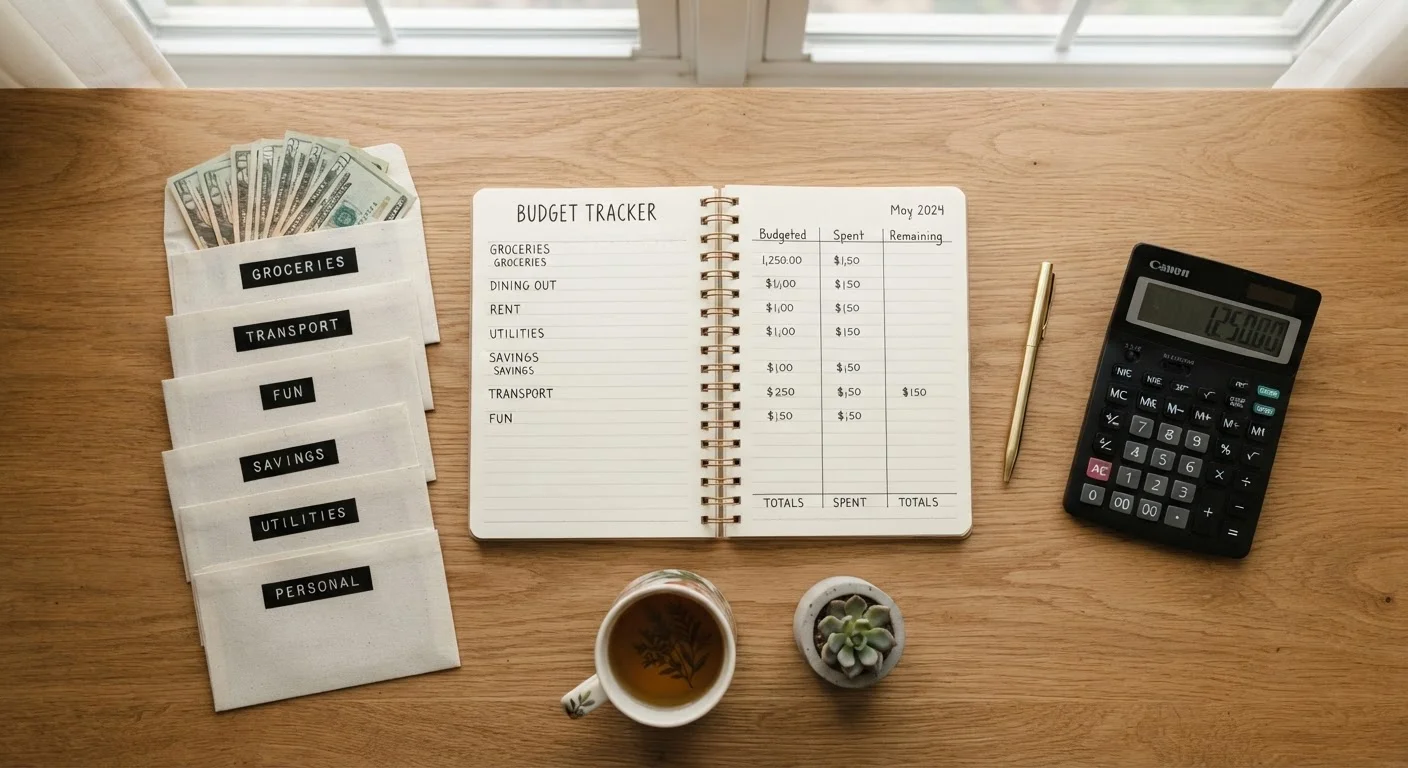
This hybrid approach borrows the organizational clarity of time blocking while keeping the flexibility of a list for tasks that don't yet have a natural home. It also mirrors how structured methods work in other domains - just as budgeting frameworks work best when matched to how a person actually spends, productivity systems work best when matched to how a person actually works.
A few practical principles for combining them:
- Keep the list short and reviewed daily. A list of 30 items is a backlog, not a plan. Limit daily active items to what's realistically completable.
- Block your highest-priority task first. Protect the morning (or your peak energy window) for the work that matters most - not email.
- Build buffer blocks. Leave 20-30% of your calendar unscheduled to absorb the unexpected without derailing everything else.
- Review weekly. Both your list and your blocks should reflect current priorities. A standing weekly review keeps both tools accurate. Pairing this with a well-set-up workspace can also help - see organizing a home office that supports focus for environment-level strategies.