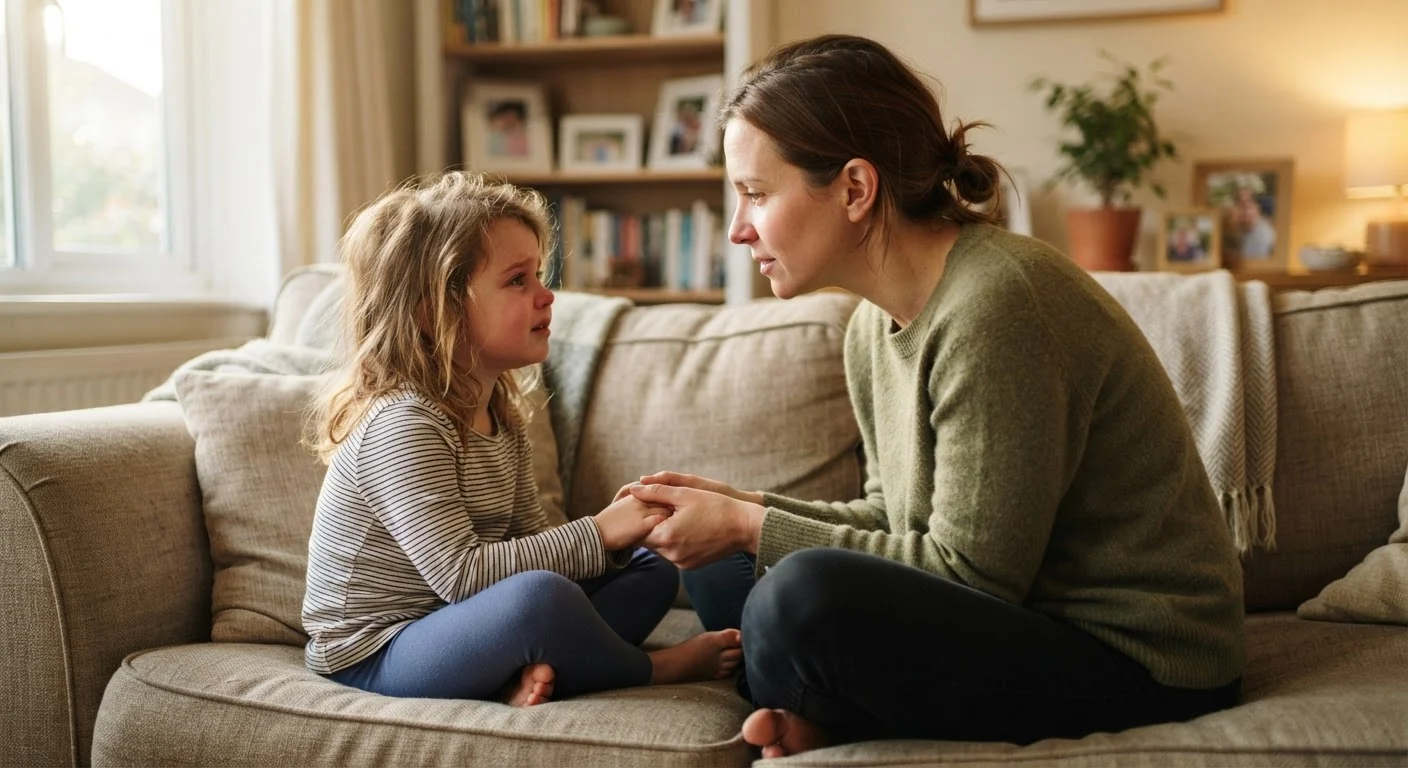

What Emotional Intelligence Really Means for Kids
Emotional intelligence (EQ) refers to the ability to recognize, understand, and manage one's own emotions - and to recognize emotions in others. For children, it isn't an abstract trait reserved for adulthood; it begins forming in the earliest months of life through interactions with caregivers.
Research in developmental psychology broadly supports that children who develop strong EQ skills tend to navigate social situations more effectively, manage frustration with greater ease, and build more stable friendships. These skills are distinct from academic intelligence but deeply connected to a child's overall wellbeing and future success.
Parents often wonder whether emotional intelligence is something kids are simply born with. The evidence suggests it is largely shaped by environment and experience - which means parents and caregivers play a meaningful role. For a broader look at how these principles apply throughout development, our age-by-age mental health conversation guide offers helpful context.
Emotional Development Varies by Age
A toddler's emotional outbursts and a school-age child's social anxiety are developmentally very different challenges. What counts as healthy emotional development shifts considerably across stages - what looks like a problem at one age may be entirely typical. If you're ever unsure whether your child's emotional responses fall within a typical range, a pediatrician or child psychologist is the right first point of contact.
Core Practices for Building Emotional Intelligence
The following approaches are grounded in child development research and can be woven into everyday family life - no special curriculum required.
Name emotions out loud as they arise in everyday moments
Children cannot manage emotions they cannot identify. When adults label feelings clearly - "You seem frustrated that we have to leave" - they help children build an emotional vocabulary that becomes a tool for self-regulation over time.
Model your own emotional regulation visibly and honestly
Children learn emotional behavior primarily through observation. When caregivers demonstrate how to pause, breathe, and respond thoughtfully rather than react impulsively, they provide a living template for emotional regulation.
Validate feelings before jumping to solutions or corrections
When children feel emotionally dismissed - told to "calm down" or "stop crying" - they learn that their inner experience is shameful or inconvenient. Validation, by contrast, builds the trust and safety children need to regulate effectively.
Create regular, low-pressure space for emotional conversations
Children rarely open up on demand, especially after a difficult event. Predictable, relaxed routines - like a brief check-in at dinner or during bedtime - signal that feelings are welcome topics, not burdens.
Teach simple, age-appropriate coping strategies
Knowing what to do with a big feeling is as important as being able to name it. Age-appropriate techniques give children a sense of agency over their emotional state rather than feeling helpless.
Quick Wins You Can Start Today
You don't need to overhaul your parenting approach to make a meaningful difference. Small, consistent actions compound over time. These are some of the highest-impact starting points:
For guidance on responding to your child's harder emotional moments, see our resource on talking to children about difficult emotions without dismissing them.
Why This Work Matters Long-Term
Children who grow up with strong emotional intelligence aren't shielded from hardship - but they tend to be better equipped to move through it. The family environment is a child's first and most formative school for emotional learning.
“Children learn what they live. Emotional security isn't something we give children once - it's something we build with them through hundreds of small, consistent interactions over time.”
— Dan Siegel, Clinical professor of psychiatry and author on interpersonal neurobiology
Building these skills early also supports the kind of resilience that carries children through adolescence and into adulthood. Explore what families can do together to raise emotionally resilient children for practical, evidence-informed strategies you can begin implementing as a household.
This article is for informational and educational purposes only. If you have concerns about your child's emotional development or mental health, please consult a qualified healthcare or mental health professional.