Serving Size and Servings Per Container
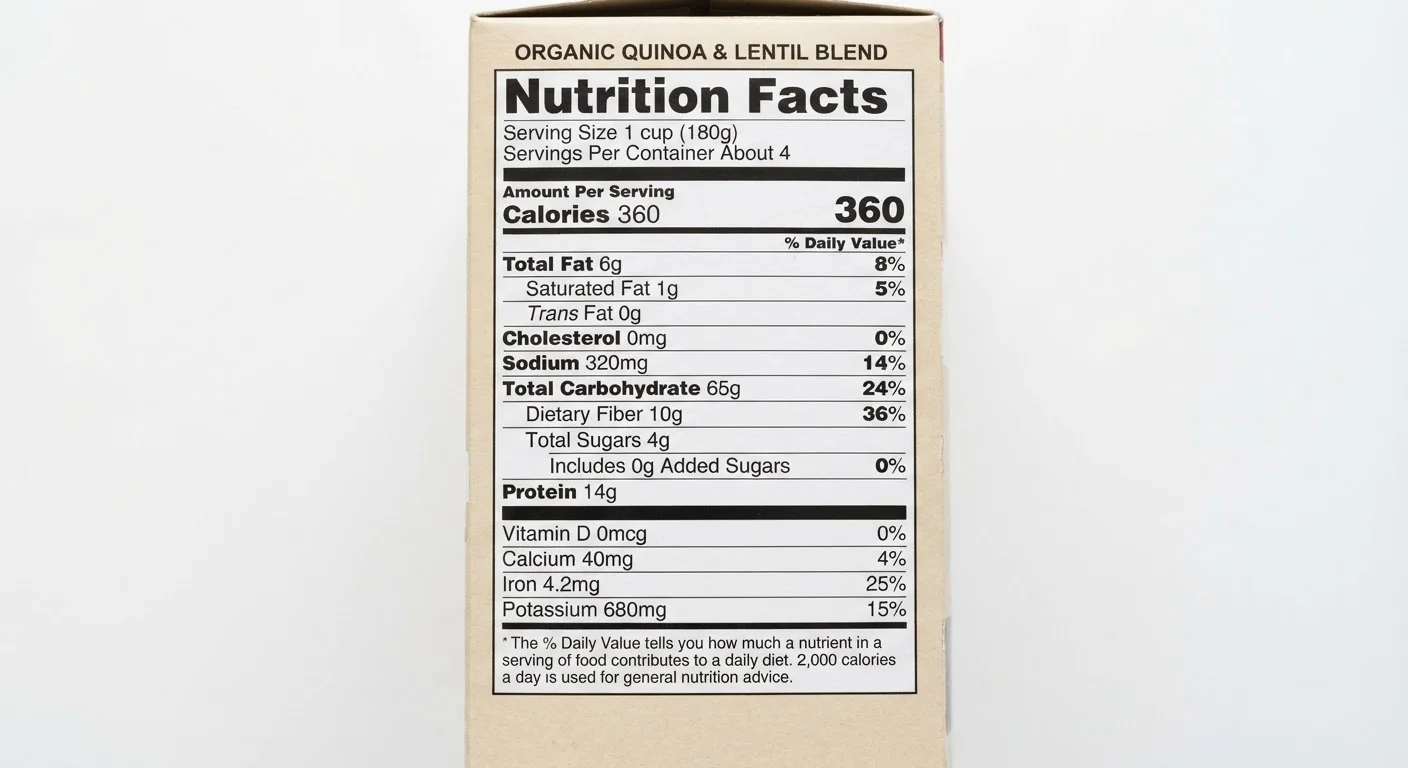
The nutrition label starts with two numbers that control everything beneath them: serving size and servings per container. The FDA standardized serving sizes based on how much people typically eat - not what a manufacturer prefers or what counts as one portion dietetically. A serving of pasta is generally 2 ounces dry; a serving of ice cream is typically two-thirds of a cup.
Labels Are Based on One Serving
Every number on the Nutrition Facts panel reflects a single serving - not the whole package. If a bag of chips lists two servings per container and you eat the whole bag, double every value shown. Always check the servings per container line before reading further.
Why does this matter? Because calories, fat, sodium - every single value you see - applies only to that one serving. Misreading this line is the most common reason people undercount what they've actually consumed from a package.
Calories
Calories appear prominently below the serving information in large, bold type - a deliberate design choice from the FDA's 2020 label update. This number represents the total energy one serving provides from all sources: fat, carbohydrate, and protein combined.
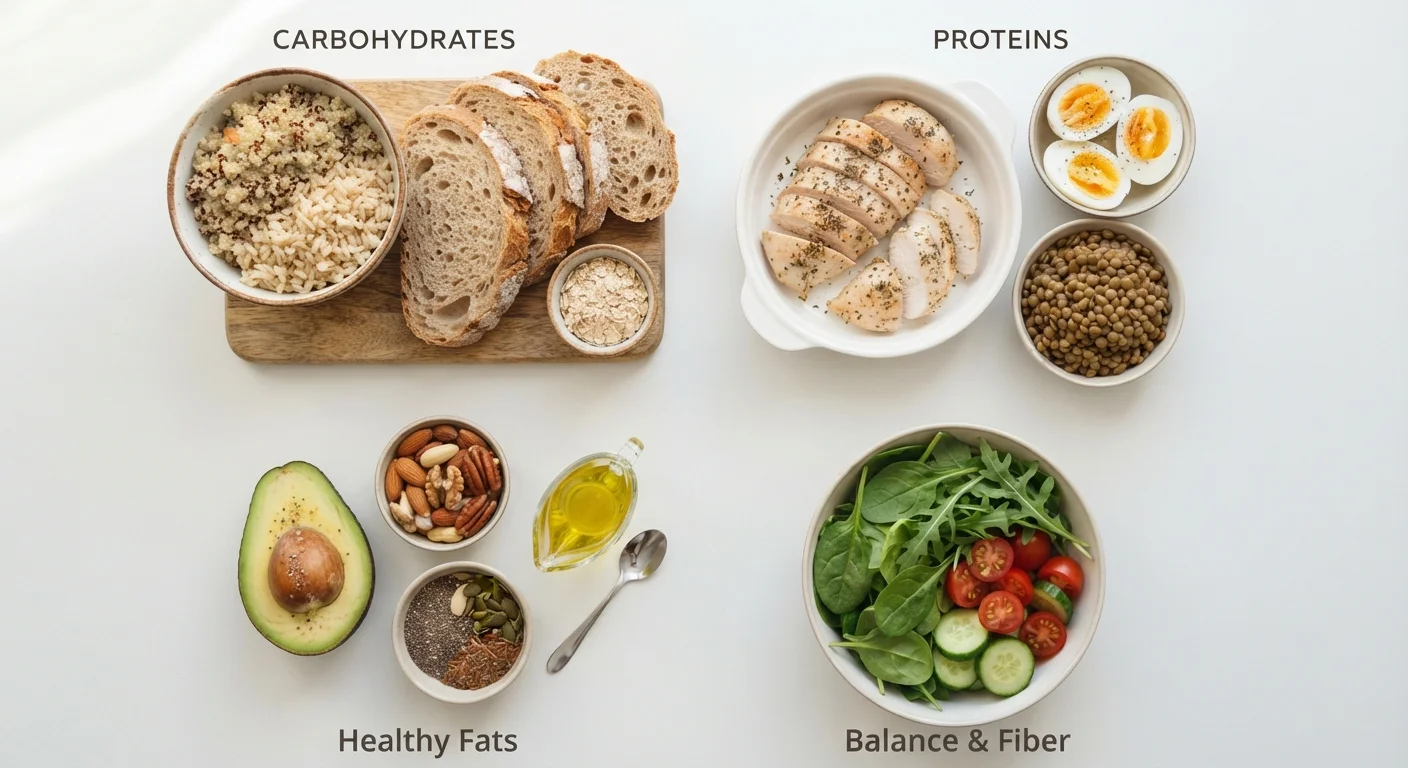
Calorie needs vary significantly by age, sex, activity level, and health status. The 2,000-calorie reference diet used on labels is a general population average, not a personal target. For personalized guidance, consulting a registered dietitian is the appropriate step. To understand how your body uses the energy these calories supply, see our guide to macronutrients.
Fats, Cholesterol, and Sodium
The next block covers total fat, broken down into saturated fat and trans fat, followed by cholesterol and sodium. These are nutrients most Americans are advised to monitor rather than maximize.
| Label Authority | U.S. Food and Drug Administration (FDA) (FDA Food Labeling Regulations) |
| Current Format Required Since | January 1, 2020 (large manufacturers) (FDA Nutrition Facts Label Update) |
| %DV Reference Calorie Level | 2,000 calories per day (FDA %DV guidelines) |
| Low %DV Threshold | 5% or less per serving (FDA general guide to %DV) |
| High %DV Threshold | 20% or more per serving (FDA general guide to %DV) |
| Nutrients Required on Every Label | 14 (including calories, fat, sodium, fiber, sugars, protein, and key vitamins/minerals) (FDA mandatory label nutrients list) |
- Total Fat includes all fat types. The subcategories matter more than the total alone.
- Saturated Fat and Trans Fat are listed separately because current dietary guidance recommends limiting both.
- Cholesterol is listed in milligrams. Dietary cholesterol's impact on blood cholesterol is more nuanced than once thought, though guidelines still recommend moderation.
- Sodium is one of the most practically useful numbers to track, particularly for people managing blood pressure.
The % Daily Value (%DV) column beside each nutrient lets you quickly assess whether a food is high or low in that nutrient - without needing to know exact daily targets.
Carbohydrates, Fiber, and Sugars
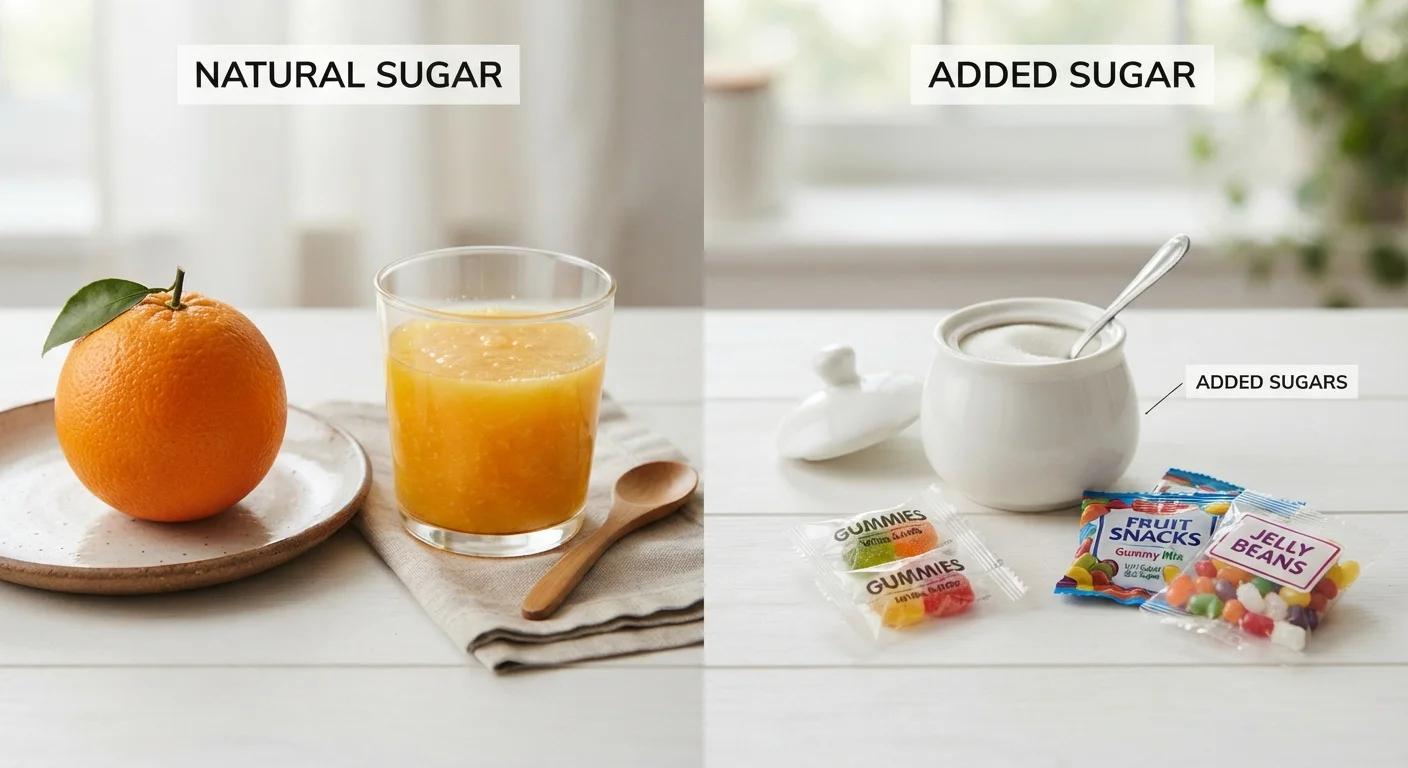
Total Carbohydrate is broken into three sub-components: dietary fiber, total sugars, and - critically - added sugars, which the FDA made mandatory on the updated label. Added sugars are distinct from sugars that occur naturally in whole foods.
77%
Americans who check nutrition labels
According to the International Food Information Council's Food & Health Survey, the majority of U.S. consumers report using nutrition labels when food shopping.
5% or less
%DV considered low for any nutrient
The FDA's general guide to %DV defines 5% or less per serving as low - useful when trying to limit sodium or saturated fat.
20% or more
%DV considered high for any nutrient
The FDA defines 20% or more per serving as high - a quick benchmark for identifying nutrient-rich foods like fiber or calcium.
The added sugars line is one of the label's most actionable updates. Dietary guidelines recommend limiting added sugars to less than 10% of daily calories. If a product's added sugars %DV is high, that's meaningful context regardless of the total sugar count. For a deeper look at why the distinction matters, see our article on added sugar vs. natural sugar.
Dietary fiber works in the opposite direction - this is a nutrient to seek out. Higher fiber intake is consistently associated with digestive health benefits and sustained satiety.
Protein, Vitamins, and Minerals
Protein is listed in grams but, unlike fat and carbohydrates, does not currently require a %DV unless the product makes a protein-related claim. The gram count is still useful for comparison across foods.
Below protein, the label must display four nutrients the FDA identified as priorities for public health: Vitamin D, Calcium, Iron, and Potassium. These replaced Vitamins A and C from the previous label format, reflecting updated research on widespread nutrient gaps in the American diet.
Serving Size
The standardized amount of food the FDA uses as the basis for all nutrient values on the label. It reflects typical consumption amounts, not a recommended portion.
% Daily Value (%DV)
The percentage of a nutrient's recommended daily intake provided by one serving, based on a 2,000-calorie reference diet. It helps compare foods quickly without doing math.
Added Sugars
Sugars and syrups added to food during processing or preparation, distinct from sugars occurring naturally in whole ingredients like fruit or milk.
Dietary Fiber
The indigestible portion of plant foods that supports digestive health, helps regulate blood sugar, and contributes to feelings of fullness.
Saturated Fat
A type of fat found mainly in animal products and some plant oils. Dietary guidelines generally recommend limiting saturated fat intake.
Sodium
A mineral used extensively in food processing as a preservative and flavor enhancer. High sodium intake is associated with elevated blood pressure in some people.
Manufacturers may voluntarily list additional vitamins and minerals beyond these four required ones. The label closes with a footnote explaining that %DV figures are based on a 2,000-calorie diet - a useful reminder that your personal numbers may differ. If you're working through a specialized dietary plan, our guide to reading a special diet plan explains how label data fits into broader dietary frameworks.
This article provides general nutrition information and education. It is not a substitute for personalized advice from a registered dietitian or other qualified healthcare professional.