
Why Everyday Movement Matters Beyond the Gym
Most conversations about physical activity focus on structured workouts - running, strength training, fitness classes. But for the majority of waking hours, your body is either sitting or engaging in low-level, informal movement. That background activity has a name: Non-Exercise Activity Thermogenesis, or NEAT.
NEAT encompasses everything from pacing while you think to folding laundry to walking the dog. It may sound trivial, but the cumulative energy burned through these micro-movements adds up in ways that formal exercise alone cannot replicate. Understanding NEAT reframes physical activity as something that happens throughout the day - not just during a 45-minute session at the gym.
For readers interested in how daily physical patterns interact with mood and mental wellness, everyday habits and how you feel offers useful context on how movement fits into a broader lifestyle picture.
~2,000 kcal
Daily NEAT variation between similar individuals
Research by Dr. James Levine at the Mayo Clinic found that NEAT can differ by up to 2,000 calories per day between people of comparable size and build.
60-70%
Portion of daily calorie burn from non-exercise activity (sedentary adults)
In sedentary individuals, NEAT and Basal Metabolic Rate together account for the vast majority of daily energy expenditure, with structured exercise contributing relatively little to the total.
9-10 hours
Average daily sitting time for U.S. adults
National Health and Nutrition Examination Survey (NHANES) data consistently shows that American adults spend the majority of waking hours in sedentary behaviors.
The Science Behind Sedentary Risk
A growing body of research indicates that prolonged sitting carries health risks independent of whether a person exercises regularly. Studies have associated extended sedentary time with markers associated with metabolic dysfunction, cardiovascular stress, and reduced insulin sensitivity - even among people who meet standard physical activity recommendations.
This concept, sometimes called the "active couch potato" paradox, suggests that a one-hour workout cannot fully undo the physiological effects of eight or more hours of sitting. The body appears to respond not just to peak physical effort, but to the frequency and distribution of movement across the day.
NEAT and Formal Exercise Work Together
Increasing daily NEAT is not a replacement for structured exercise. Guidelines from major health organizations continue to recommend regular aerobic and strength activity for overall health. Think of NEAT as the foundation that fills the many hours between intentional workouts - both matter, and they serve different physiological purposes.
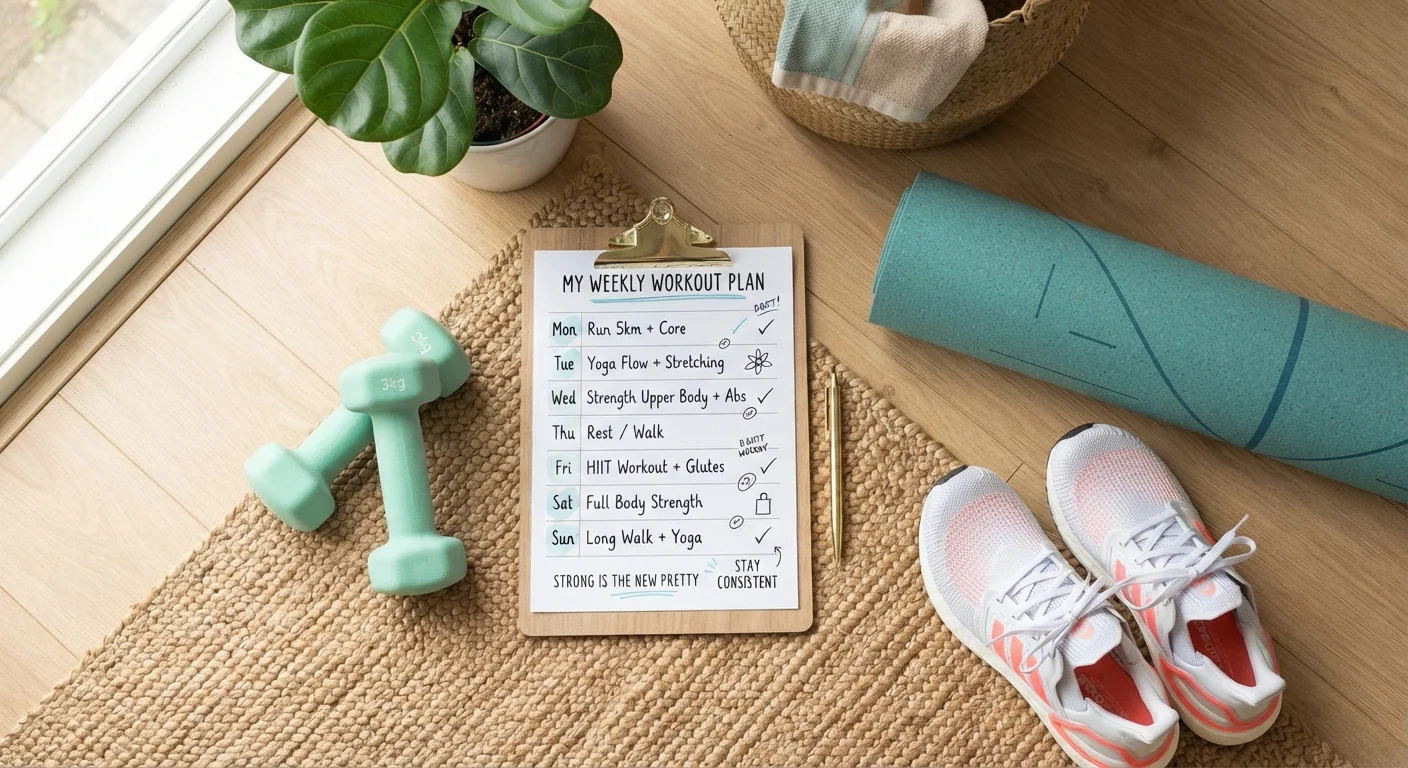
This doesn't mean exercise is less valuable - it remains essential for cardiovascular fitness, strength, and mental health. Rather, it highlights that NEAT and structured exercise serve complementary but distinct roles. For a closer look at how a full exercise plan fits together, see what a balanced weekly exercise routine looks like.
Practical Ways to Build More Movement Into Your Day
Increasing NEAT doesn't require equipment or a time commitment. It requires rethinking how you move through ordinary tasks. Small choices, consistently repeated, alter the movement profile of your entire day.
- Break up sitting time: Standing or walking briefly every 30-60 minutes is one of the most commonly recommended strategies for reducing sedentary risk.
- Walk during low-focus tasks: Phone calls, podcasts, and casual conversations are natural opportunities to move rather than sit.
- Choose active options: Stairs over elevators, walking to a colleague's desk instead of messaging, or parking a few rows farther out all count.
- Engage in active chores: Cooking, cleaning, yard work, and organizing are legitimate contributors to your daily movement total.
Start With One Change at a Time
Rather than overhauling your routine, try adopting a single NEAT habit - like standing during your first phone call of the day - and letting it become automatic before adding another. Research on habit formation suggests that small, consistent changes are more sustainable than sweeping overhauls. Over time, these micro-habits compound into a meaningfully more active daily life.
For people working at desks all day, small environmental changes - like positioning a printer farther away or taking walking breaks - can significantly shift the total. practical strategies for staying active with a sedentary job explores this in more depth.
Walking, in particular, is a highly accessible form of NEAT that carries well-documented benefits. what research says about walking for fitness provides a useful overview of why it's worth prioritizing.
This article is for general informational and educational purposes only and is not a substitute for professional medical advice. Consult a qualified healthcare provider before making changes to your physical activity routine, particularly if you have an existing health condition.