Why Water Belongs in Every Nutrition Conversation
Most discussions about eating well focus on macronutrients, portion sizes, or food quality - and water rarely makes the agenda. But hydration is not a separate topic from nutrition; it is woven into every step of how the body processes food. From the moment you take a bite, water is already at work.
Saliva - the body's first digestive tool - is mostly water. It begins breaking down carbohydrates and lubricates food so it can move through the esophagus safely. Without adequate fluid intake, this early stage of digestion is compromised before food even reaches the stomach. This is just one of many ways that hydration shapes nutritional outcomes. For a broader look at how common nutrition assumptions hold up, see our breakdown of popular nutrition myths.
~60%
Water's share of total adult body weight
According to the U.S. Geological Survey, water makes up approximately 60% of the adult human body and is involved in nearly every physiological process.
~20%
Daily fluid intake from food sources
The National Academies of Sciences, Engineering, and Medicine estimates that roughly 20% of daily water intake comes from food rather than beverages.
1-2%
Body water deficit linked to cognitive effects
Research published in nutrition and exercise science literature suggests that a body water deficit of just 1-2% can begin to affect cognitive performance and physical output.
How Water Supports Nutrient Absorption and Transport
Once food is broken down in the digestive tract, the body must absorb nutrients and deliver them where they're needed. Water is central to both tasks. The small intestine, where most nutrient absorption occurs, requires a fluid environment to function properly. Water-soluble vitamins - including vitamin C and the B vitamins - depend on water to be absorbed through intestinal walls and transported in the bloodstream.
Fat-soluble vitamins (A, D, E, and K) follow a different pathway, requiring bile - a fluid produced by the liver - to be properly absorbed. Bile production itself depends on adequate hydration. This means that chronic low fluid intake can subtly reduce your body's ability to benefit from nutrients in foods you're already eating. For a closer look at how individual vitamins and minerals function in the body, our micronutrients guide offers a practical overview.
“Water is not just a passive bystander in nutrition - it is the medium in which digestion, absorption, and metabolism take place. Without it, even the most carefully planned diet cannot reach its potential.”
— Institute of Medicine Panel on Dietary Reference Intakes for Water, Advisory panel establishing evidence-based fluid intake recommendations for the general U.S. population
Hydration's Role in Metabolism and Energy
Metabolism - the sum of chemical reactions that convert food into usable energy - is largely water-dependent. Enzymes that drive these reactions operate in a water-based environment, and even modest dehydration can reduce their efficiency. Research has associated mild dehydration with reduced physical performance, lower alertness, and increased feelings of fatigue.
Water also plays a role in thermoregulation. When the body overheats during exercise or exposure to heat, it sweats to cool down - and the fluids and electrolytes lost through sweat must be replaced to keep metabolic processes running smoothly. Failing to rehydrate after physical activity can leave the body in a state where nutrients from food are less efficiently processed.
Build a Simple Hydration Routine
Start the day with a glass of water before coffee or breakfast to begin replenishing overnight fluid losses. Pair a glass of water with each meal and snack as a low-effort habit anchor. If you exercise or spend time outdoors in heat, increase your intake accordingly and don't wait until you feel thirsty.
It's also worth noting that thirst is not always a reliable early signal. By the time most people feel thirsty, they may already be mildly dehydrated. Building consistent hydration habits throughout the day - rather than drinking reactively - supports more stable metabolic function.
Practical Hydration Habits That Support Good Nutrition
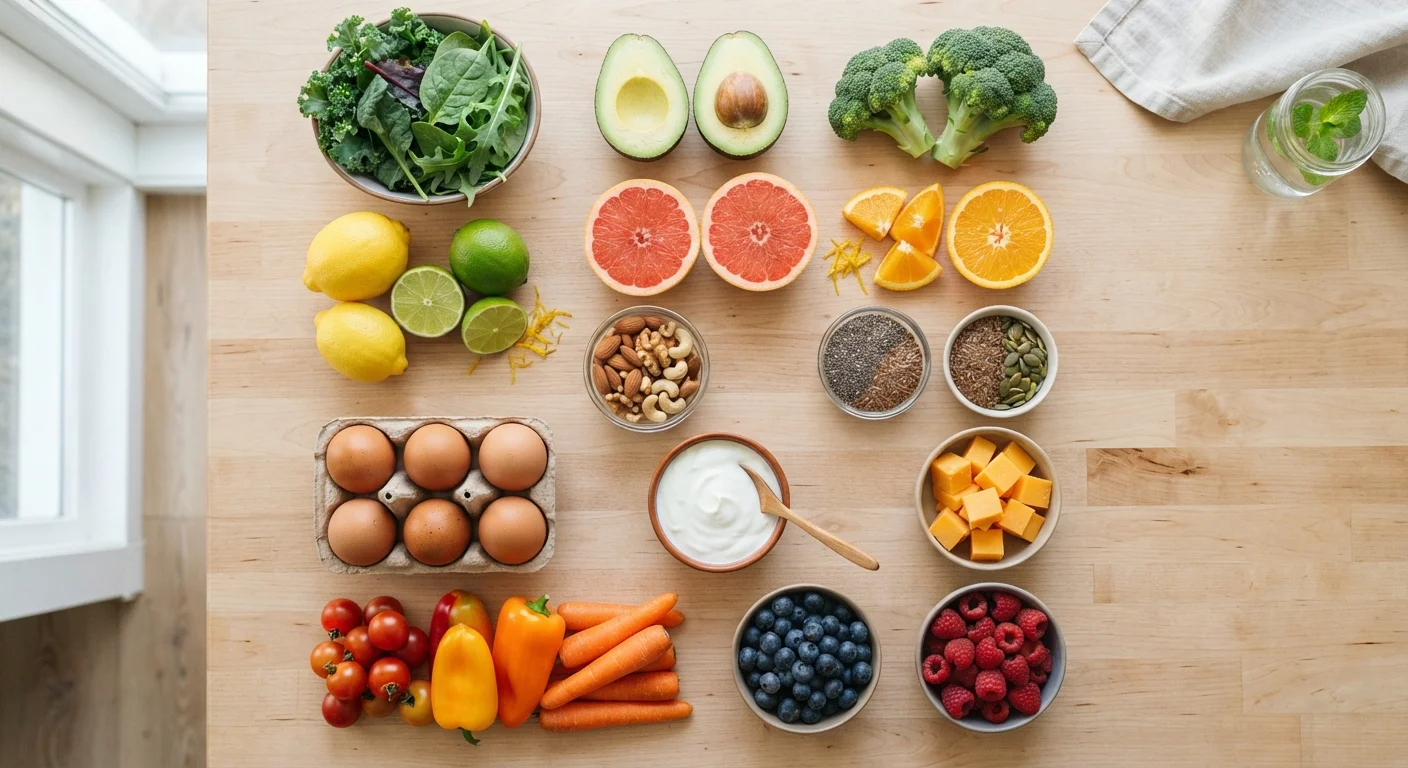
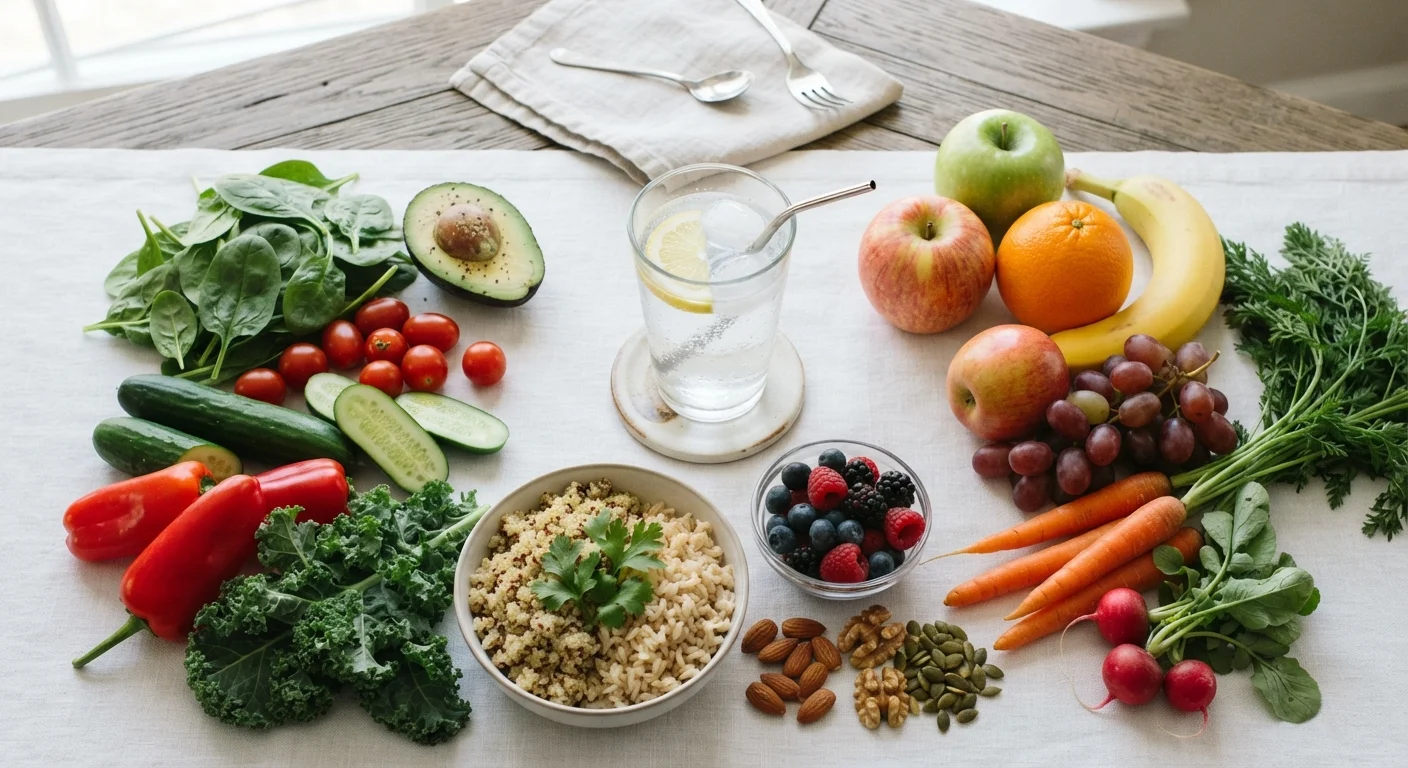
Improving hydration doesn't require dramatic changes. Small, consistent adjustments can meaningfully improve how the body uses the food you eat. One straightforward approach is eating more water-rich foods - cucumbers, leafy greens, tomatoes, watermelon, and citrus fruits all contribute to daily fluid intake while also delivering fiber and micronutrients. Dietary fiber and hydration are closely linked, since fiber requires water to move effectively through the digestive tract.
Carrying a water bottle, pairing a glass of water with each meal, and noting the color of urine (pale yellow generally indicates adequate hydration) are practical monitoring habits. Hydration needs also shift with age, making it worth revisiting habits over time - something covered in depth in our article on how nutritional needs change through the decades.
This article is for general informational purposes only and is not a substitute for professional medical or nutritional advice. Consult a qualified healthcare provider for guidance specific to your individual health needs.