
Why Standard Budgeting Advice Falls Short for Variable Earners
Most mainstream budgeting frameworks - including the widely cited 50/30/20 rule, which allocates 50% of take-home pay to needs, 30% to wants, and 20% to savings and debt - assume a predictable paycheck. When you're a freelancer, gig worker, or contract employee, that assumption breaks down quickly. A great month can be followed by a slow one, and a budget built on last month's income can leave you scrambling.
That doesn't mean budgeting is harder for variable earners - it just means the starting point is different. Instead of plugging in a number your employer guarantees, you have to engineer your own income floor. If you've ever told yourself budgeting doesn't work for your situation, you might be working from one of the common misconceptions about budgeting worth rethinking first.
The Income Floor Is Your Single Most Important Number
Everything else in your variable-income budget anchors to this figure. Resist the temptation to use your average or your best month - optimism bias is the most common reason freelancers end up short in slow periods. Recalculate the floor every six months as your income history grows.
What You Need Before You Start
Gathering the right information before building your budget saves hours of frustration later. Pull together the following before moving on to the steps below.
What you will need
Step-by-Step: Building a Budget That Handles Income Swings
Calculate Your Income Floor
Look at your last six to twelve months of earnings. Identify your lowest-earning month in that period. That number - not your average, not your best month - becomes the foundation of your budget. Building on a conservative floor means your essential bills are covered even when work slows down.
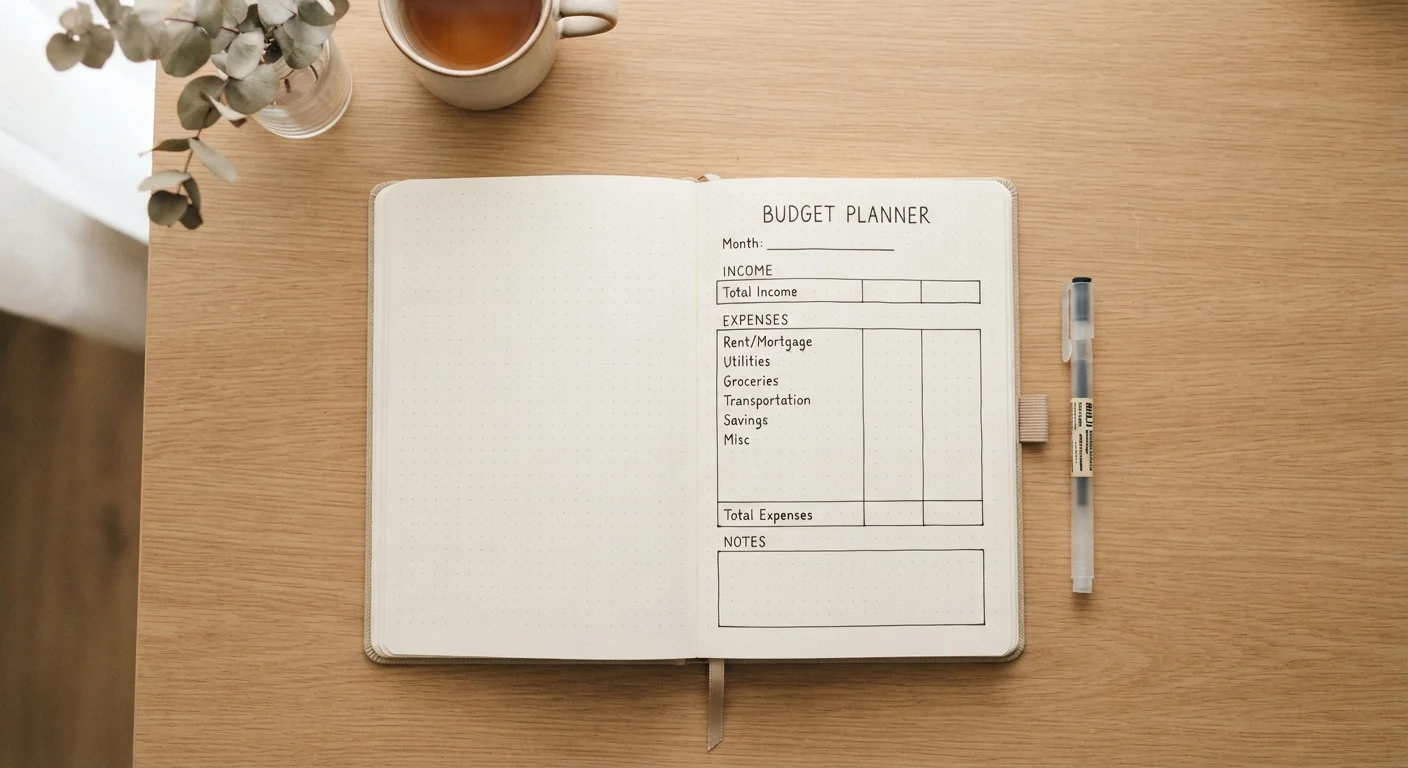
List and Categorize All Expenses
Sort every expense into three buckets:
- Fixed essentials: Rent or mortgage, minimum loan payments, insurance premiums, utilities - amounts that don't change much and can't be skipped.
- Variable needs: Groceries, gas, medical co-pays - necessary but somewhat flexible in amount.
- Discretionary: Dining out, streaming services, entertainment - items you can reduce or pause in a tight month.
Knowing exactly which expenses are non-negotiable is critical when income dips.
Set Up a Holding Account and Pay Yourself a Fixed 'Salary'
Open a separate checking or savings account - sometimes called a holding or buffer account - where all client payments land first. Then transfer a fixed monthly amount (based on your income floor from Step 1) to the account you pay bills from. This mimics a regular paycheck and insulates your day-to-day spending from income volatility. In high-earning months, the surplus stays in the holding account; in slow months, you draw it down.
Build Your Income Buffer Before Other Goals
Before directing extra cash toward retirement accounts or aggressive debt paydown, aim to accumulate two to three months of your fixed essential expenses in your holding account. This buffer is what prevents a slow quarter from forcing you to miss rent or carry credit card debt at high interest. The Consumer Financial Protection Bureau (CFPB) consistently identifies emergency savings as a foundational element of financial resilience.
Assign Every Surplus Dollar a Job
In months when you earn above your income floor, the extra money in your holding account needs a clear purpose - otherwise it tends to disappear into lifestyle creep. Rank your priorities in advance: topping up your income buffer, adding to your emergency fund, paying down high-interest debt, contributing to a retirement account (such as a SEP-IRA or Solo 401(k), which are designed for self-employed earners). When a surplus arrives, move funds in that ranked order.
Review and Adjust Every Month
At the end of each month, check whether your income floor still reflects reality, whether any fixed expenses have changed, and whether your discretionary spending aligned with your plan. Variable earners should treat the monthly review as non-negotiable maintenance, not optional housekeeping. Your budget is a living document - update it as your client base, rates, or expenses evolve.
Once you have your baseline budget in place, a monthly budget review each month keeps it accurate and honest - especially when your income changes significantly from one period to the next.
Managing Debt and Savings Alongside an Irregular Income
Once your baseline budget is running and your income buffer is growing, you can layer in bigger goals. The general principle: prioritize financial stability before optimization. That means a fully funded income buffer comes before aggressive retirement contributions or debt paydown beyond minimums.
For irregular expenses - car registration, annual software subscriptions, holiday gifts - consider using sinking funds: dedicated savings pots where you set aside a small amount each month so the expense doesn't blindside you. Our guide on sinking funds and irregular expenses walks through exactly how to set them up.
For a broader look at juggling debt repayment and saving without a fixed salary, see our companion piece on managing debt and savings on a variable income. If you're also new to budgeting in general, building a simple monthly budget from scratch is a solid foundation to review alongside this guide.
Don't Forget Self-Employment Tax
As a self-employed worker, you are responsible for both the employee and employer portions of Social Security and Medicare taxes - roughly 15.3% on net self-employment income, in addition to regular income tax. Failing to set aside money for quarterly estimated tax payments is one of the most common and costly mistakes freelancers make. A licensed tax professional can help you calculate the right withholding amount for your situation.
This article is for general informational and educational purposes only and does not constitute personalized financial advice. Consider consulting a qualified financial professional for guidance tailored to your specific situation.