What We Mean by Structured and Unstructured Family Time
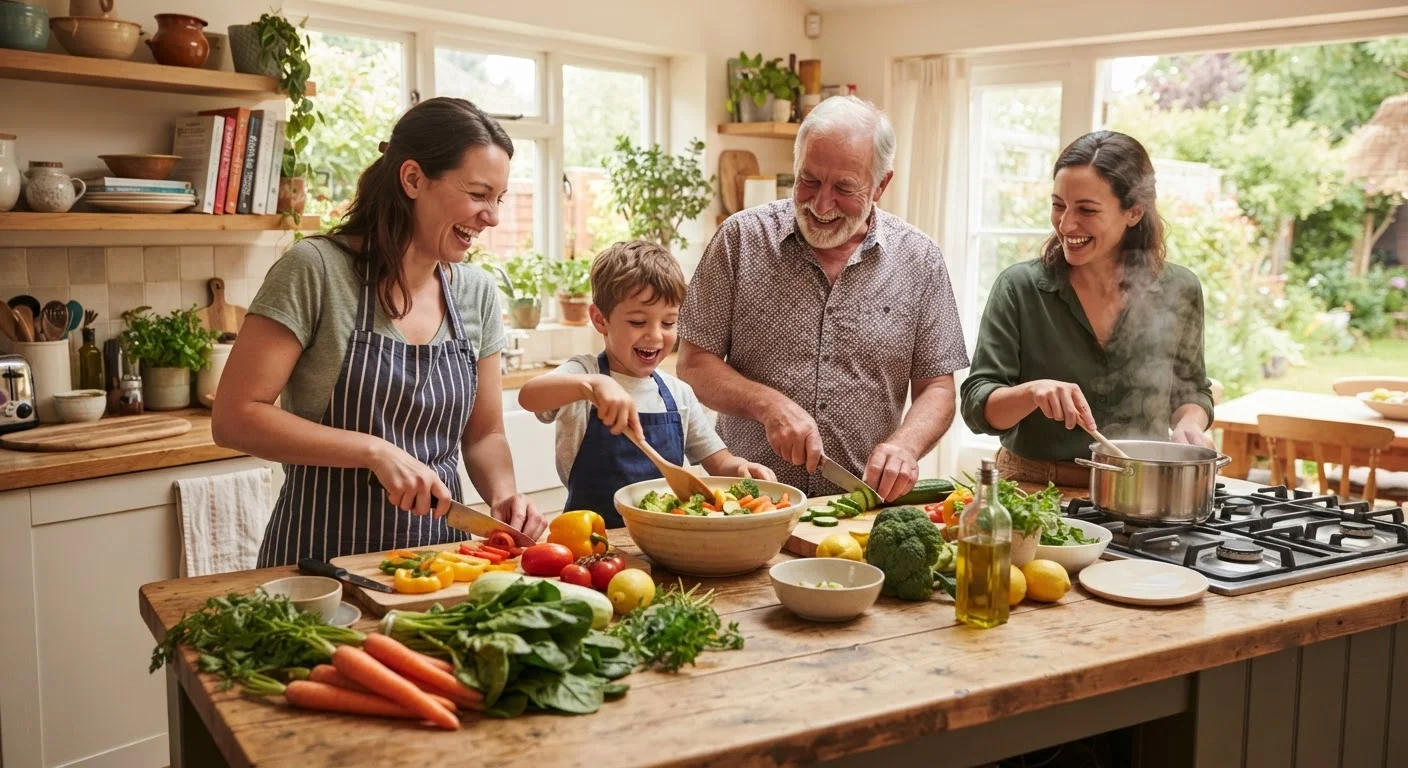
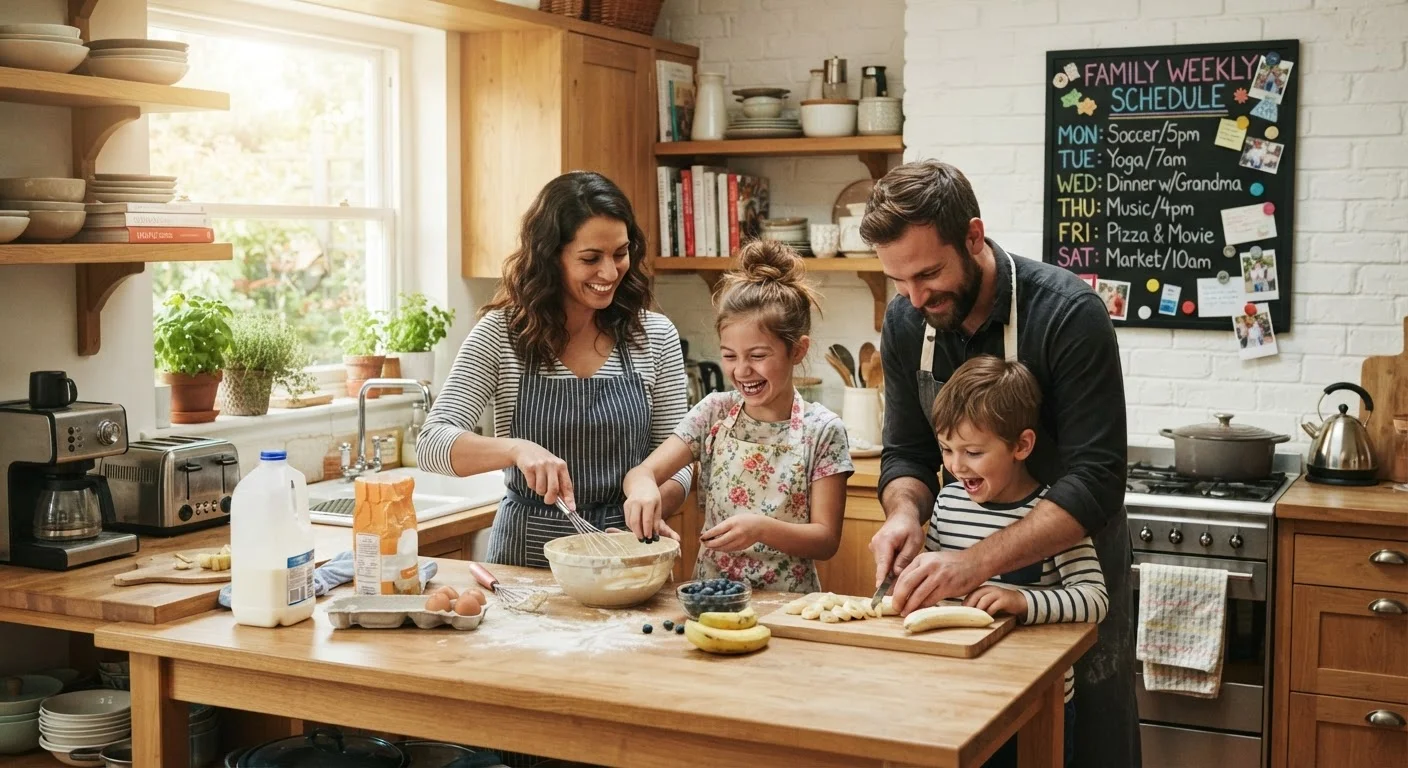
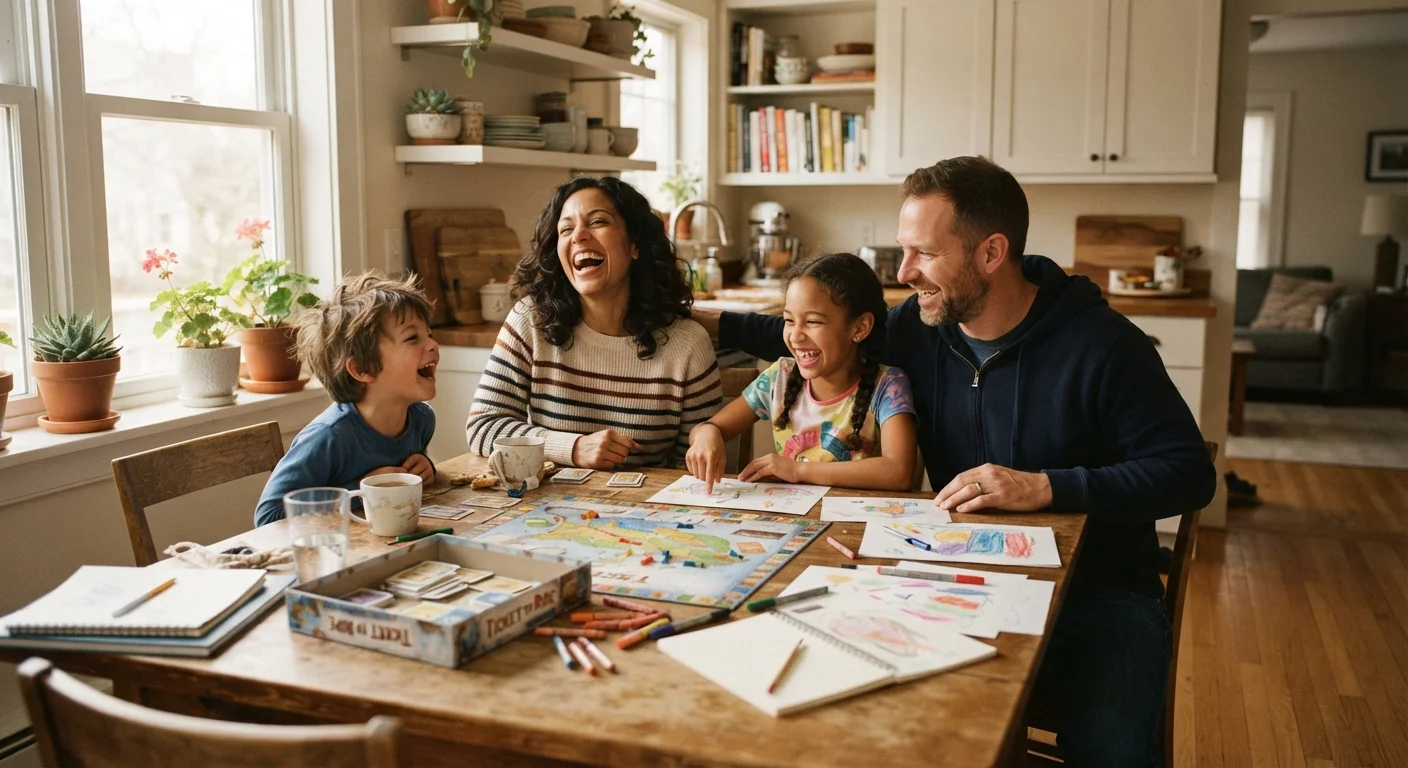
Not all family time looks the same - and that's a good thing. Structured family time refers to planned, goal-oriented activities: a weekly board game night, a scheduled weekend hike, cooking dinner together on Fridays, or organized outings. These moments are deliberate, often recurring, and typically adult-initiated.
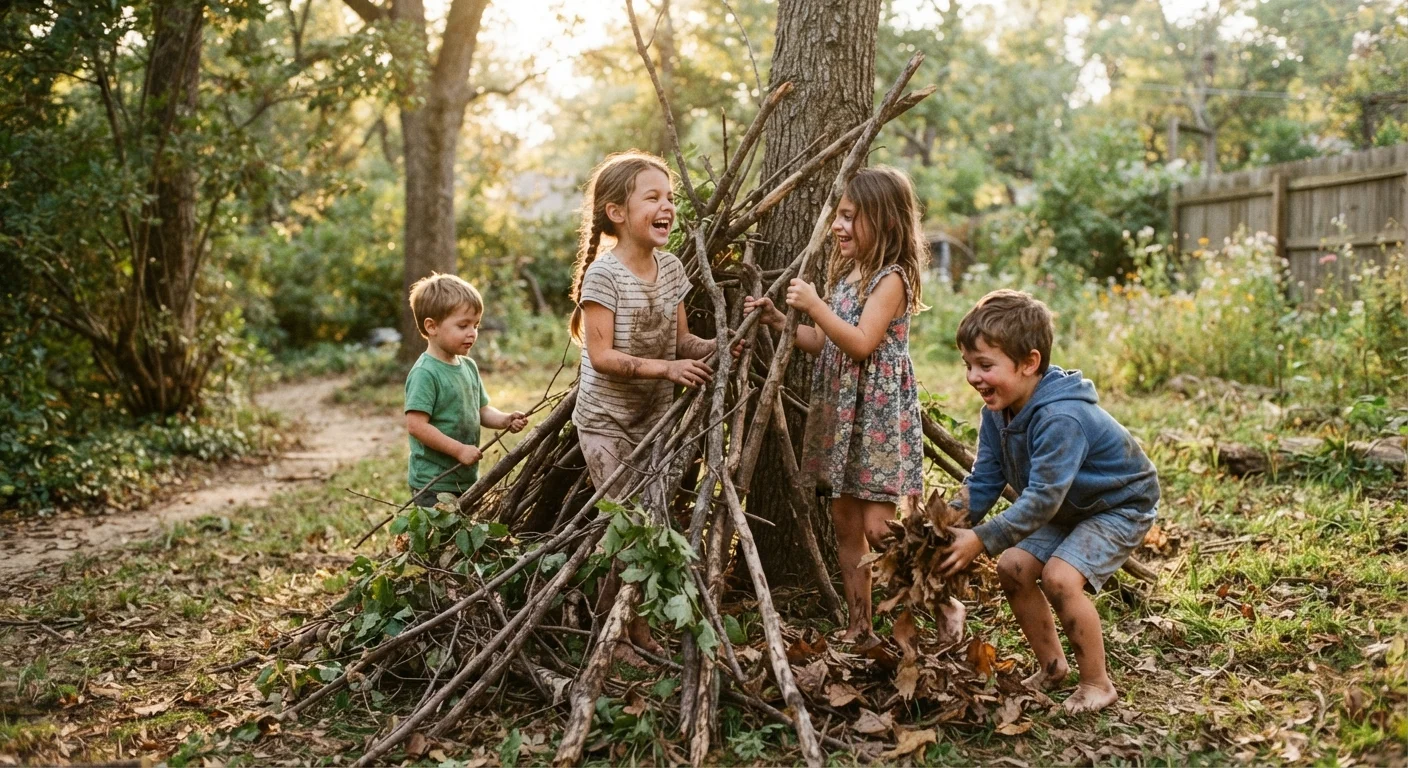
Unstructured family time, by contrast, is open-ended. Think of lazy Sunday mornings with no agenda, kids playing in the backyard while parents sit nearby, or an impromptu living room dance session. These moments aren't planned - they unfold organically, with children (and adults) leading where the time goes.
Both serve real purposes, and understanding the distinction helps families make more intentional choices about how they spend their time together. For a broader look at how time together fits into overall family wellbeing, see the Family Wellness Starter Framework for busy households.
What Research Says About Structured Family Time
Planned family activities offer a range of documented benefits, particularly around predictability and shared identity. Research in developmental psychology consistently links family routines - regular mealtimes, bedtime rituals, weekend traditions - to children's emotional regulation and sense of security. When kids know what to expect, they tend to feel safer, which can reduce anxiety and support better behavior.
Structured time also creates what researchers sometimes call "family rituals" - repeated, meaningful experiences that build a sense of belonging and shared history. Studies published in journals like the Journal of Family Psychology have found associations between strong family rituals and positive outcomes including higher family cohesion and children's social competence.
Additionally, structured activities give caregivers a concrete way to model values - collaboration during a cooking project, perseverance during a nature challenge, or kindness during a volunteer experience. The planning itself communicates that this time matters.
| Structured Family Time | Unstructured Family Time | |
|---|---|---|
| Who initiates | Adults plan and organize | Child- or family-led, spontaneous |
| Primary benefit | Predictability, ritual, shared identity | Creativity, autonomy, relaxed bonding |
| Best developmental outcomes | Emotional security, social competence | Problem-solving, imagination, resilience |
| Stress on caregivers | Requires planning and logistics | Lower effort, more flexible |
| Communication style | Task- or activity-focused talk | Casual, open-ended conversation |
| Ideal frequency | 1-2 recurring anchors per week | Daily or as naturally arises |
To see how regular planning fits into daily life, our guide on building a family routine that supports sleep, nutrition, and movement explores how to design structure that sticks.
What Research Says About Unstructured Family Time
Free-form time together may look less productive, but its benefits are well-supported. Child development researchers have long emphasized the role of unstructured play in building creativity, problem-solving skills, and emotional resilience. When children direct their own activities - even within a family context - they practice autonomy, negotiation, and imagination.
Unstructured time also tends to reduce performance pressure for everyone. Without a goal or agenda, both parents and children can simply be together, which can deepen emotional intimacy in ways that planned activities sometimes don't reach. Spontaneous conversations - the kind that happen during a walk with no destination - are often when children share what's really on their minds.
Research on free play consistently links it to cognitive flexibility and social skills, outcomes that matter well beyond childhood. The key insight: unstructured time isn't wasted time. It's a different kind of investment.
Let Kids Take the Lead Sometimes
During unstructured time, resist the urge to fill silence or suggest activities. Allowing children to navigate boredom and make their own choices builds executive function and self-direction. Your role in these moments is simply to be present and available - not to entertain. Even 20-30 minutes of genuinely open-ended time each day can add up meaningfully over weeks and months.
Finding Your Family's Balance
There's no universal formula, and the right blend will look different for every household. A few factors worth considering:
- Children's ages: Younger children often benefit from more unstructured free time, while school-age kids may thrive with a mix of both. Adolescents frequently prefer low-key, unplanned connection - being around parents without formal "activity" pressure.
- Family stress levels: During high-stress periods, adding structured commitments can backfire. Unstructured downtime together may be more restorative than a packed weekend itinerary.
- Temperament: Some children find open-ended time overwhelming and actually prefer the predictability of planned activities. Others feel stifled by too much structure.
Small, consistent habits often matter more than big gestures. As explored in our piece on small habits that strengthen family wellbeing, sustainable practices tend to outperform ambitious but short-lived efforts.
It's also worth recognizing that sibling dynamics can shift how both types of time feel - sibling conflict is more common during unstructured time, and building in some structured activities can sometimes ease tension.
This article is for informational purposes only. Every family is unique - if you have concerns about your child's development or family relationships, consider consulting a qualified family therapist or pediatrician.