Why Sibling Conflict Is Normal (and Even Useful)
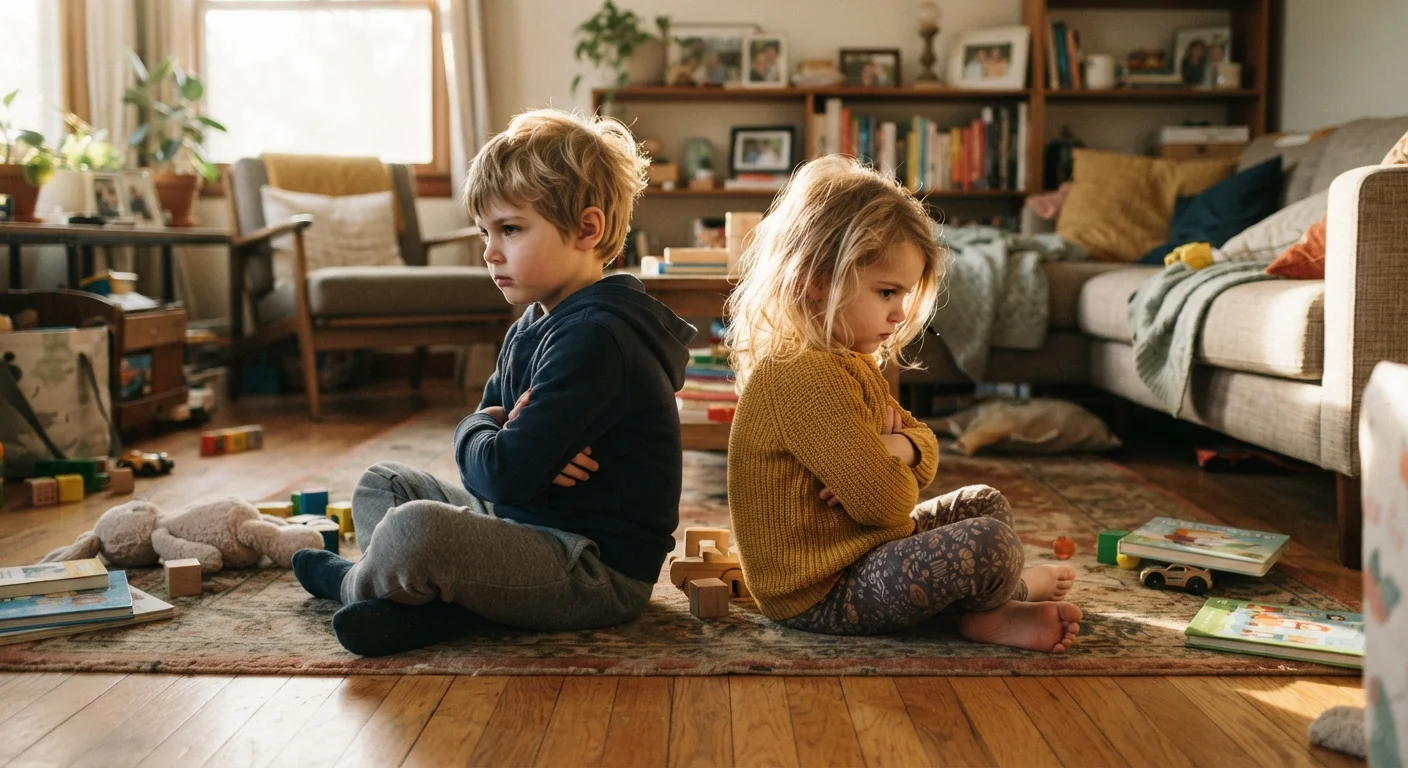
If your household sometimes sounds like a courtroom, you are not alone. Research in child development consistently shows that sibling disagreements are among the most frequent social interactions children have - occurring, in some studies, as often as several times per hour among young children. That frequency can feel exhausting, but it is not inherently a sign that something is wrong.
Siblings occupy a unique relational space. Unlike friendships, which children can exit when things get difficult, the sibling relationship is permanent - which means it becomes an involuntary training ground for negotiation, empathy, and conflict resolution. Children who learn to work through disagreements with a sibling often carry those skills into friendships, classrooms, and eventually workplaces.
The goal for most families, then, is not to eliminate sibling conflict entirely but to respond to it in ways that build competence rather than resentment. See our guide to structured and unstructured family time for related ideas on creating the conditions where siblings can connect positively.
When intervening in a sibling conflict, try asking both children "What do you need right now?" before asking what happened. Naming needs short-circuits the blame cycle and moves toward resolution faster.
Conflict is usually driven by unmet needs rather than malicious intent. Redirecting attention to needs rather than events helps children feel heard and lowers defensiveness.
Establish a physical "cooling-off spot" in the home - a specific chair or corner - that is framed as a calm-down tool, not a punishment. Both children can use it, not just the one perceived as "wrong."
Emotion regulation is a prerequisite for effective problem-solving. Normalizing the cooling-off process for all family members removes stigma and builds a shared tool for de-escalation.
The Root Causes Behind Most Sibling Fights
Understanding what actually drives sibling conflict helps parents respond to the source rather than just the surface behavior. While every family is different, most disputes cluster around a few recurring themes:
- Competition for parental attention: Children are acutely attuned to perceived fairness. When one sibling appears to receive more time, praise, or flexibility, rivalry often follows.
- Developmental mismatch: A six-year-old and a ten-year-old have genuinely different needs, communication styles, and emotional regulation capacities - gaps that create friction even without bad intent.
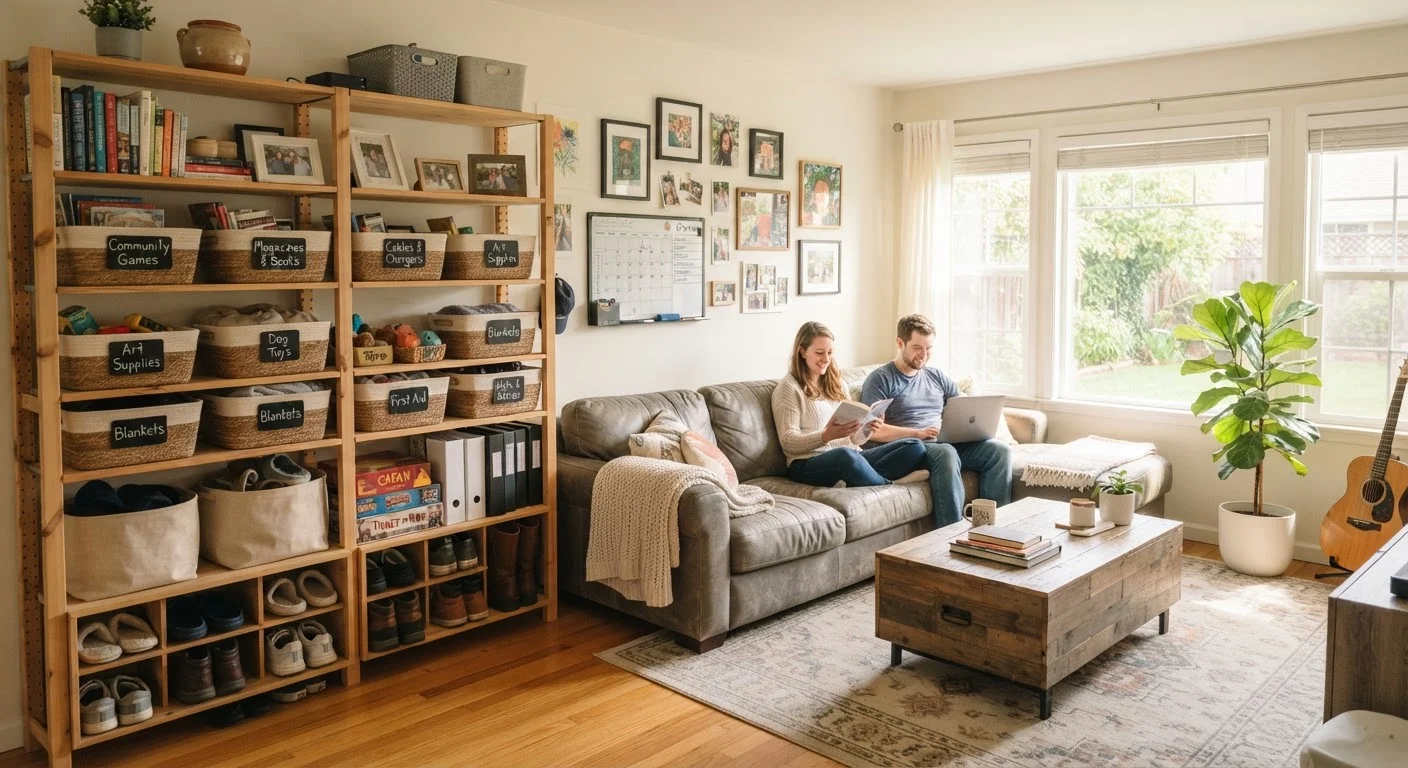
- Shared space and possessions: Living in close quarters amplifies small irritants. Questions of territory, ownership, and privacy are especially charged. Our article on organizing shared home spaces touches on practical systems that can reduce daily friction.
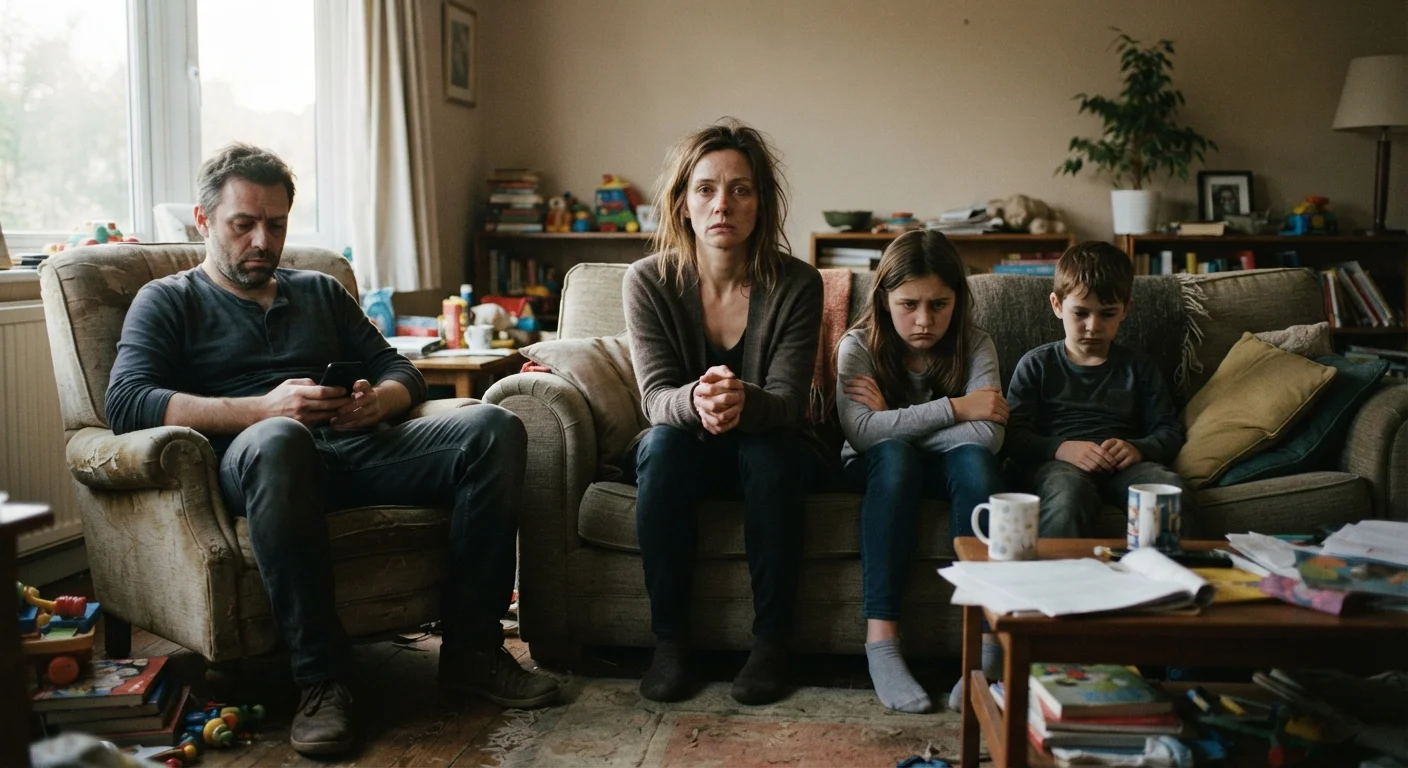
- Household stress: Children absorb and mirror the emotional climate around them. When adult stress rises - due to financial pressure, work demands, or life transitions - children's self-regulation tends to decrease and conflict tends to increase. The signs that family stress is affecting everyone, including the kids is worth reviewing if conflict has escalated suddenly.
- Unmet individual needs: Hunger, fatigue, and overstimulation are among the most underrated conflict triggers - not personal failings, just biology.
6-8x/hr
Frequency of sibling conflicts among young children
Observational research has found young siblings in the same home may conflict multiple times per hour, underscoring how routine these interactions are.
~80%
Adults who grew up with siblings
The majority of Americans grow up with at least one sibling, making sibling relationship dynamics one of the most widespread family experiences.
3-7 years
Age range with highest sibling conflict rates
Child development research points to the preschool and early school years as the period when sibling disputes are most frequent, partly due to limited emotional regulation skills.
How Parents Can Respond in the Moment
The instinct to step in immediately and assign blame is understandable, but child development research suggests a more measured approach tends to produce better outcomes. Here are evidence-informed strategies for in-the-moment responses:
Let minor conflicts resolve themselves when safe
Not every argument needs adult intervention. When children are given the space to negotiate without a parent adjudicating, they build problem-solving skills. Reserve direct involvement for situations involving physical aggression, significant distress, or a clear power imbalance.
Coach rather than judge
When you do step in, resist the role of referee. Instead of determining who was "right," help each child articulate what they needed and what they felt. Phrases like "It sounds like you were frustrated because..." model the empathic language you want children to use with each other.
Separate first, solve second
In heated moments, emotional regulation is physiologically compromised - reasoning is genuinely difficult under stress. Creating a brief cooling-off period before asking children to problem-solve together is more effective than insisting on resolution at peak intensity.
Avoid comparisons
Statements like "Your sister never does this" feed the very rivalry that underlies many conflicts. Addressing each child's behavior individually keeps the focus on the specific situation rather than their relative standing. For more on navigating pushback from children, our guide to defiance and staying connected offers complementary techniques.
Try the "Both/And" Approach
Rather than deciding whose version of events is correct, acknowledge both children's experiences simultaneously: "You felt ignored AND you felt invaded - both of those feelings make sense." This validates without adjudicating and is especially useful with children under 10, whose perspective-taking is still developing.
Building Long-Term Peace Between Siblings
Moment-to-moment responses matter, but the broader family environment is what shapes sibling relationships over time. Proactive habits can meaningfully reduce the frequency and intensity of conflicts.
Individual connection time
When each child has reliable one-on-one time with a parent - even 15 to 20 minutes without siblings - competition for attention decreases. Children who feel securely connected to their caregivers are generally better regulated and less rivalrous.
Family problem-solving meetings
Regular, structured opportunities for the whole family to raise concerns and brainstorm solutions give children a legitimate channel for grievances. This reduces the likelihood that frustration boils over into conflict. The small habits that strengthen family wellbeing article offers low-effort practices that complement this approach.
Clear, consistent expectations about behavior
Children thrive with predictable rules around respect - not necessarily identical treatment, but consistent standards of conduct. Agreeing together on what is and is not acceptable reduces ambiguity that conflict often exploits.
Acknowledge positive interactions
Parents naturally attend to problems. Deliberately noticing and naming cooperative moments - "I saw you share your snack without being asked - that was kind" - reinforces the sibling relationship as one that can feel good, not only frustrating.
When Conflict Becomes a Concern
Most sibling conflict falls within the wide range of normal family experience. But certain patterns warrant closer attention and, in some cases, professional support:
- Physical aggression that is escalating or includes biting, hitting, or causing injury
- One sibling consistently targeting the other in ways that resemble bullying - deliberate exclusion, humiliation, or intimidation
- A child who seems fearful of their sibling or avoids being at home
- Conflict that is significantly affecting school performance, friendships, sleep, or a child's overall wellbeing
- A sudden and sharp increase in conflict following a major family change such as divorce, relocation, or loss
If any of these patterns are present, speaking with your child's pediatrician or a licensed family therapist is a reasonable next step. A professional can assess whether additional support - for individual children or the family system - would be helpful. This article is general information and is not a substitute for personalized guidance from a qualified professional.
Sibling Bullying Is Not the Same as Normal Conflict
There is an important distinction between typical sibling disagreements and sibling bullying, which involves a repeated pattern of deliberate harm, intimidation, or power imbalance. Sibling bullying is associated with real emotional harm to the targeted child and should not be minimized as "just brothers and sisters being kids." If you suspect bullying dynamics are present, consulting a family therapist is strongly recommended.
This article is for informational and educational purposes only. It is not a substitute for advice from a licensed mental health professional, family therapist, or your child's healthcare provider. If you have concerns about your child's wellbeing or family dynamics, please consult a qualified professional.