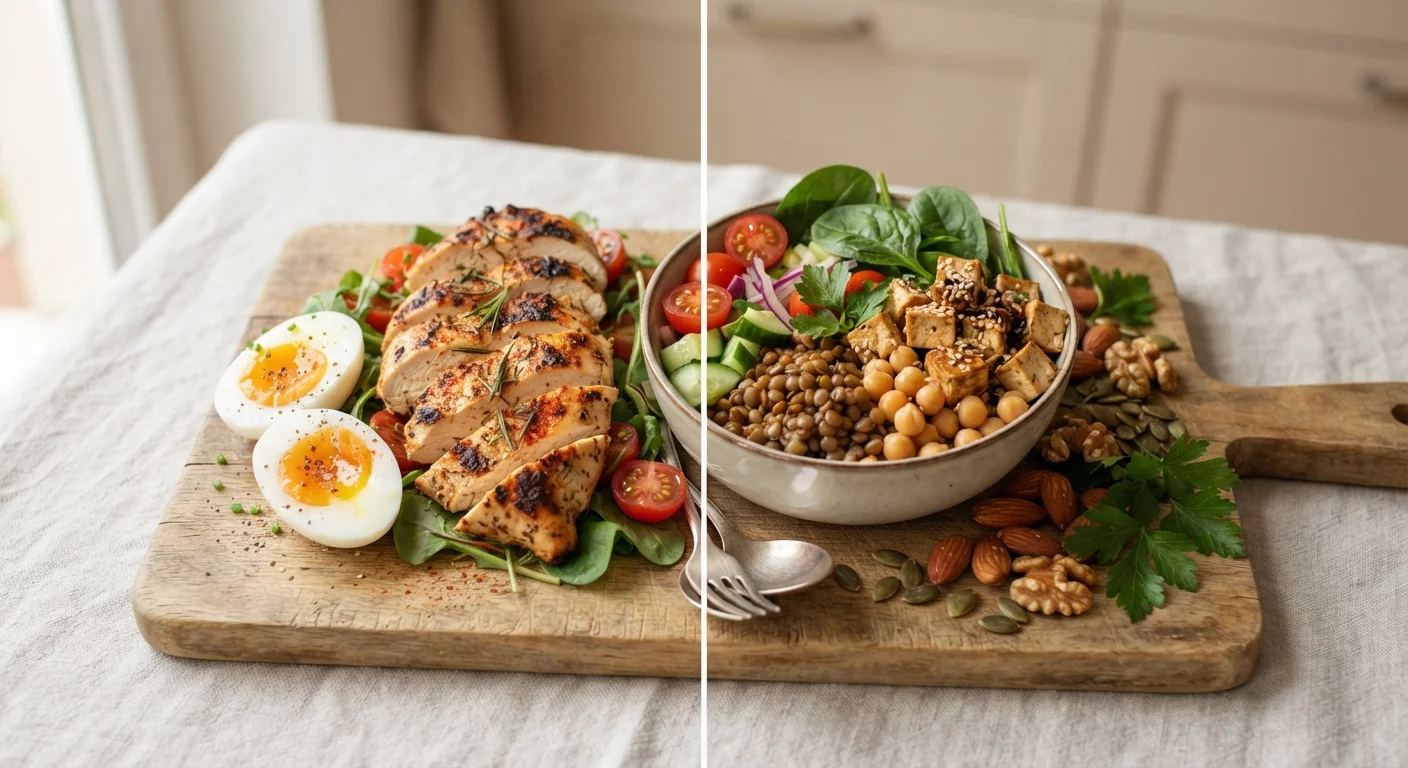

Why High-Protein Diets Attract So Much Confusion
Few dietary strategies are as widely discussed - or as widely misunderstood - as high-protein eating. From gym culture to social media nutrition influencers, protein has become shorthand for health and body composition goals. But the claims surrounding it range from well-supported to seriously overstated.
Understanding what the evidence actually says matters, because the decisions people make based on protein myths can affect not just their fitness goals but their overall health. This article examines the most persistent misconceptions, correcting each against current nutrition science. For a broader look at diet-pattern claims, see nutrition myths that refuse to die.
Myth
Everyone needs the same amount of protein - the standard recommendation covers all adults equally.
Fact
Protein requirements differ meaningfully by body weight, age, muscle mass, and physical activity level.
The commonly cited Recommended Dietary Allowance (RDA) for protein - 0.8 grams per kilogram of body weight - represents a minimum to prevent deficiency in sedentary adults, not an optimal target for everyone. Research published in nutrition and exercise science literature consistently shows that older adults, athletes, and people recovering from illness may benefit from higher intakes. A useful framework is to view the RDA as a floor, not a ceiling, and to consider individual factors when evaluating needs. Reading a special diet plan can help you interpret what specific dietary frameworks are actually recommending.
Myth
Eating more protein always equals more muscle - the more you consume, the better.
Fact
Muscle building plateaus beyond a certain protein intake; excess protein does not continue to stimulate muscle growth.
The body has a ceiling for how much protein it can direct toward muscle protein synthesis at any given time. Research suggests that intakes beyond roughly 1.6-2.2 grams per kilogram of body weight per day provide diminishing returns for muscle development in most people engaged in resistance training. Protein consumed beyond what is needed for tissue repair, satiety, and metabolic functions is used for energy or excreted. Resistance exercise stimulus remains the primary driver of muscle growth - protein intake supports that process but cannot replace it.
Myth
Plant proteins are incomplete and insufficient, so plant-based eaters must struggle to meet protein needs.
Fact
A varied plant-based diet can fully meet protein requirements, including all essential amino acids.
While it is true that most individual plant foods have a different amino acid profile than animal proteins, eating a variety of plant sources across the day - legumes, whole grains, nuts, seeds, soy - allows the body to access all essential amino acids. The concept of needing to combine specific foods at every single meal has been largely revised in nutrition science; overall daily variety is what matters. Soy protein, in particular, is considered nutritionally comparable to animal protein in terms of amino acid completeness. For more on this comparison, see plant-based vs. omnivorous nutritional trade-offs.
Myth
High-protein diets damage the kidneys in healthy people.
Fact
Current evidence does not support kidney harm from higher protein intakes in individuals with healthy kidney function.
This myth likely arose because people with pre-existing chronic kidney disease (CKD) are often advised to limit protein, as impaired kidneys have difficulty processing nitrogen waste from protein metabolism. However, research has not demonstrated that higher protein intakes cause kidney damage in people whose kidneys are functioning normally. The distinction is critical: a precaution appropriate for a specific medical condition should not be generalized to the broader healthy population. Anyone with known kidney issues or a family history of kidney disease should consult a healthcare provider before adopting a high-protein diet.
Myth
Protein supplements are necessary to meet protein goals on a high-protein diet.
Fact
Most people can meet elevated protein targets through whole food sources without relying on supplements.
Protein powders and shakes are convenient, but they are not required for high protein intake. Whole foods like eggs, Greek yogurt, cottage cheese, chicken breast, canned fish, lentils, and edamame provide substantial protein alongside fiber, vitamins, and minerals that isolated supplements lack. Supplements may be a practical option in specific circumstances - such as for athletes with very high caloric needs or people with limited appetite - but they are not inherently superior to food-derived protein. Spending heavily on protein supplements when whole foods could do the same job is a common and unnecessary expense for many consumers.
What the Evidence Actually Supports
When the myths are cleared away, a more useful picture emerges. Protein is genuinely important - it supports muscle maintenance, satiety, immune function, and tissue repair. Research does suggest that many older adults and highly active individuals consume less protein than would be optimal for their goals. But the solutions don't require expensive supplements or extreme dietary overhauls.
0.8 g/kg
Minimum protein RDA for sedentary adults
The U.S. Dietary Reference Intakes set this as the minimum to prevent deficiency - not as a universal optimal target.
~30%
Adults over 50 at risk of inadequate protein intake
Research in geriatric nutrition suggests a meaningful proportion of older adults consume below recommended levels, contributing to muscle loss.
1.6-2.2 g/kg
Range associated with muscle-building in active adults
A range supported by meta-analyses in exercise nutrition research for individuals engaged in regular resistance training.
Distributing protein across meals rather than concentrating it in one sitting appears to support muscle protein synthesis more effectively, according to research reviewed in nutrition journals. Practical sources - eggs, legumes, dairy, poultry, fish, tofu, and whole grains - can collectively cover requirements without exotic or costly products. For a direct comparison of animal and plant protein sources, see protein sources side by side.
Diet quality surrounding the protein also matters. A high-protein diet built largely on ultra-processed meat products and minimal vegetables carries different implications than one anchored in whole foods. Plant-based and omnivorous eating patterns each have distinct nutritional trade-offs worth understanding in this context.
Special Populations Need Personalized Guidance
People with chronic kidney disease, diabetes, liver conditions, or other metabolic health issues face different considerations when it comes to protein intake. Pregnant individuals also have distinct nutritional requirements that go beyond general dietary advice. If you fall into any of these groups, please consult a registered dietitian or your healthcare provider before significantly increasing dietary protein.
This article is for general informational and educational purposes only and is not a substitute for personalized medical or dietary advice. Individuals with kidney disease, metabolic conditions, pregnancy, or other health concerns should consult a registered dietitian or qualified healthcare provider before making significant changes to their protein intake.