What Each Pattern Actually Involves
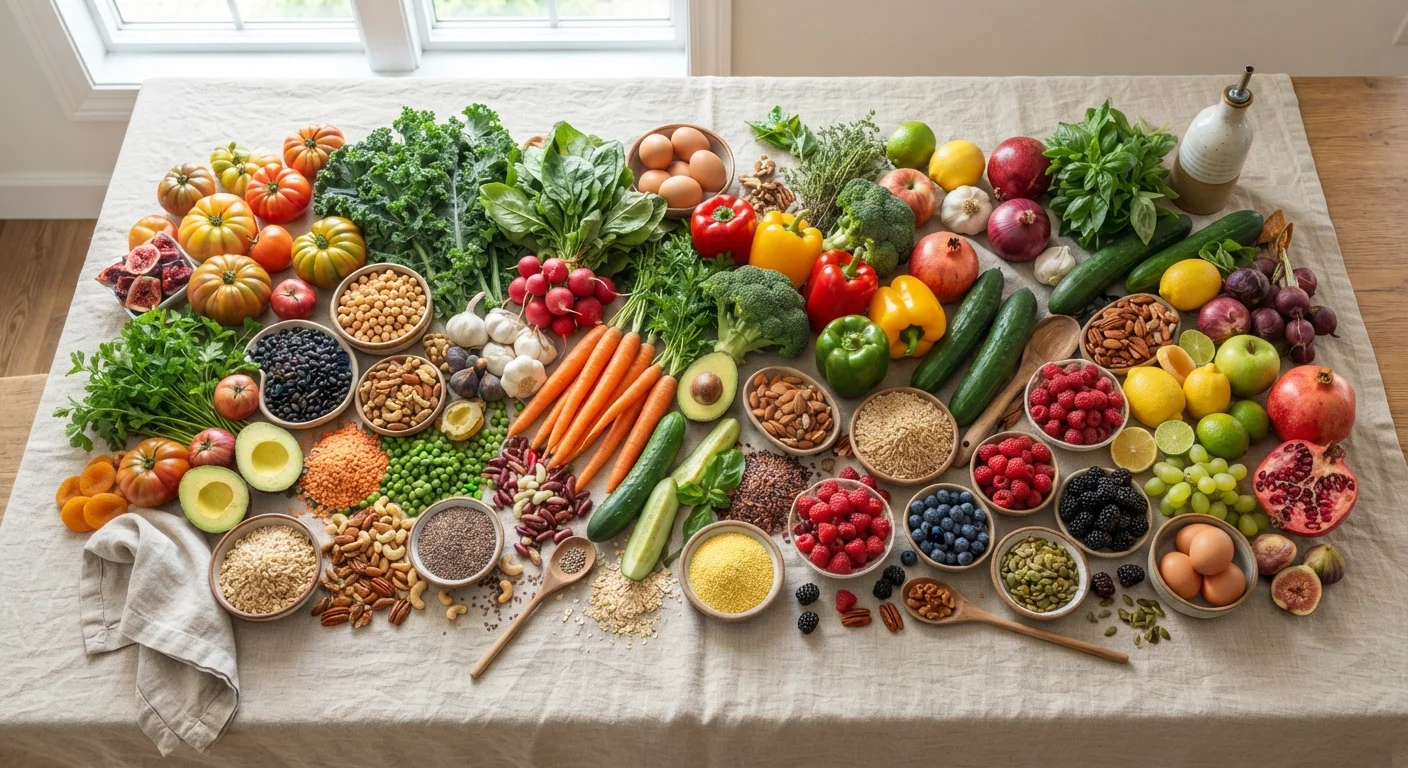
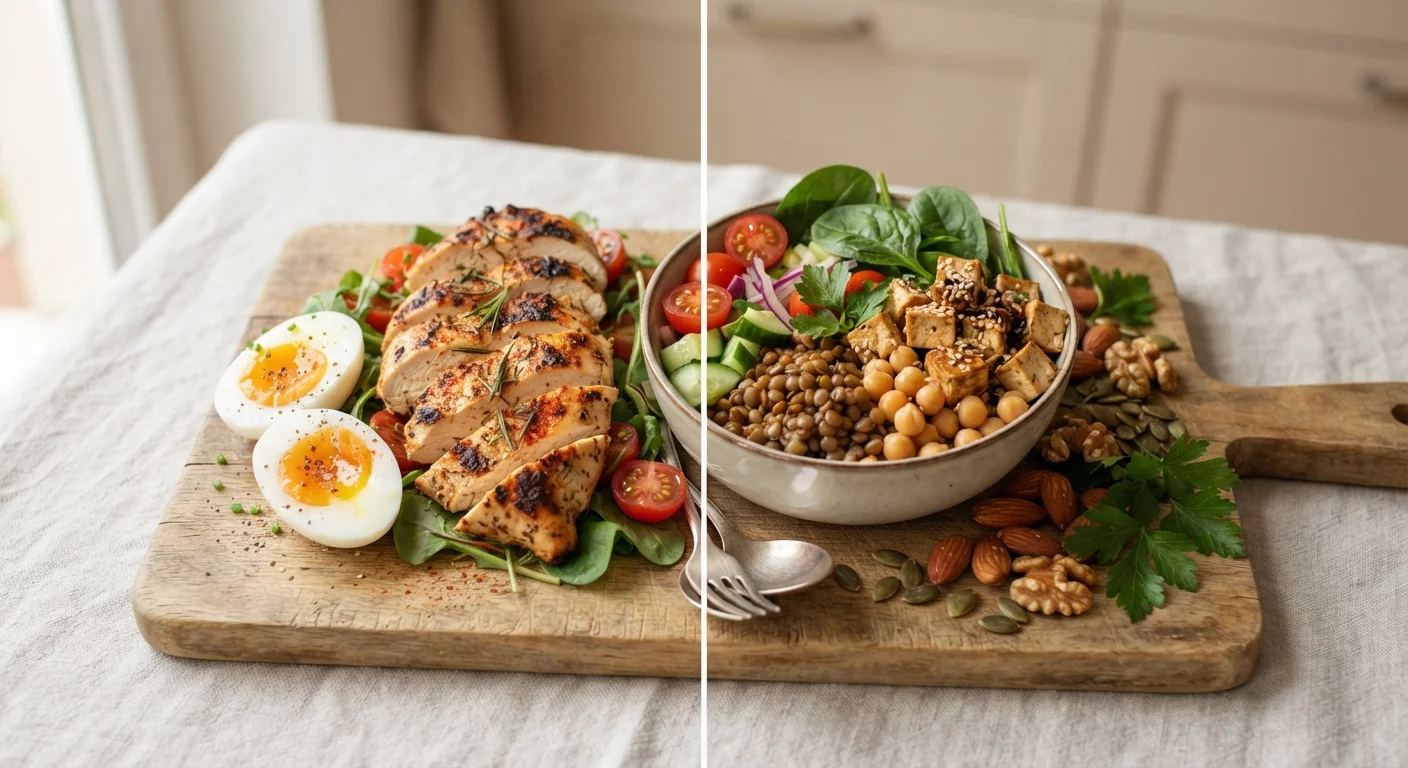
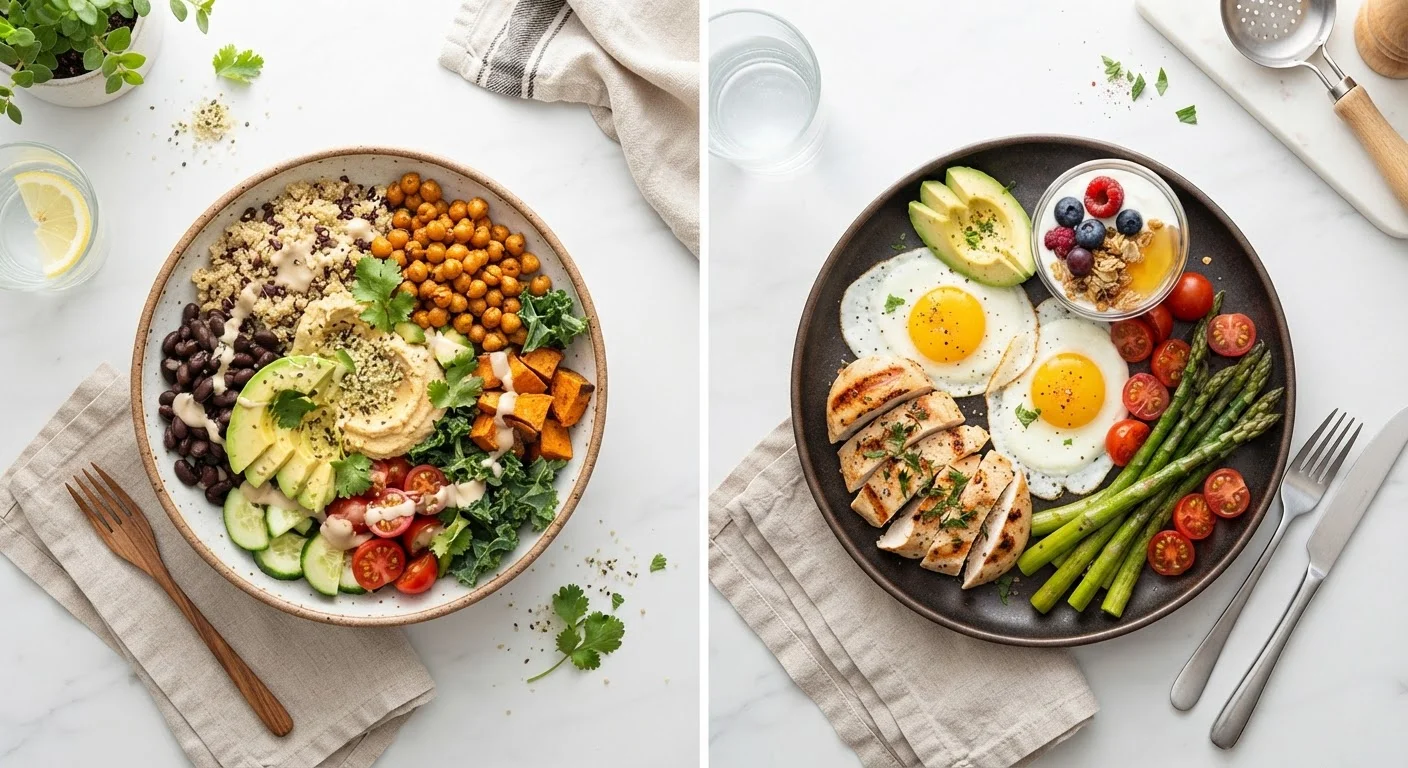
Before comparing nutritional trade-offs, it helps to clarify what these two patterns actually encompass. An omnivorous diet includes foods from both animal and plant sources - meat, poultry, fish, eggs, dairy, vegetables, fruits, grains, and legumes. A plant-based diet, by contrast, centers predominantly or exclusively on plant foods, though the term covers a wide spectrum. Plant-based, vegan, and vegetarian labels each mean something different, and the nutritional implications shift accordingly.
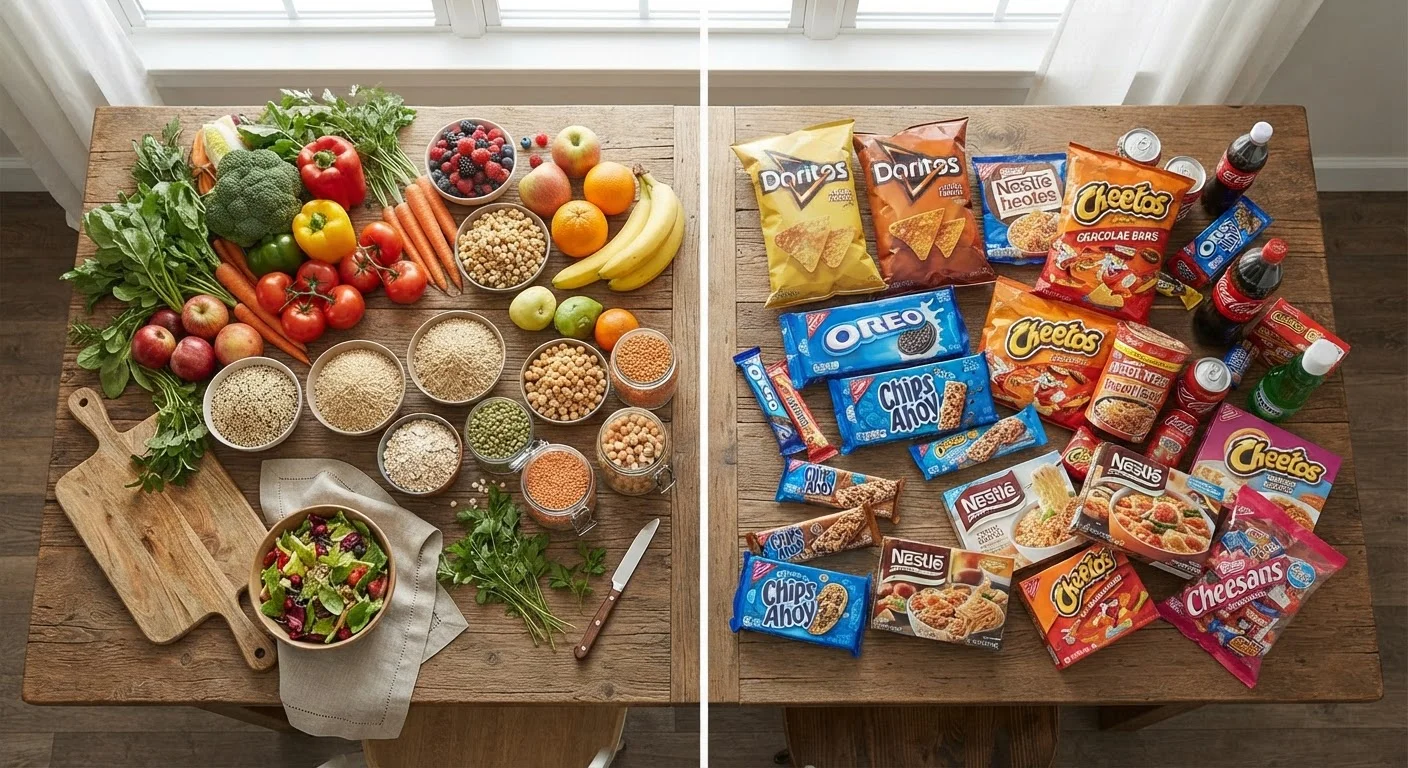
What both patterns share is a dependence on food quality and variety. A plant-based diet built on refined grains and processed snacks is not inherently healthier than an omnivorous one rich in vegetables, legumes, and whole grains. Understanding the spectrum from minimally to ultra-processed foods matters regardless of which overall pattern a person follows.
Where Plant-Based Eating Has a Nutritional Edge
Well-planned plant-based diets consistently deliver higher intakes of dietary fiber, folate, magnesium, potassium, and a broad range of phytonutrients - plant compounds associated with reduced inflammation and lower risk of certain chronic diseases. Research published in journals including The Lancet and JAMA Internal Medicine has linked predominantly plant-based dietary patterns with lower rates of type 2 diabetes, cardiovascular disease, and some cancers, though causation is difficult to isolate from overall lifestyle factors.
Saturated fat intake also tends to be lower on a plant-forward diet, which can support healthy cholesterol profiles for many people. Fiber, often under-consumed in standard American diets, supports digestive health and helps regulate blood sugar and satiety.
Pair Plant Iron Sources Strategically
Vitamin C consumed alongside non-heme iron sources - think lemon juice over lentils or bell peppers with spinach - can meaningfully improve iron absorption. Conversely, tea, coffee, and calcium-rich foods consumed at the same meal can inhibit absorption. This pairing strategy is particularly useful for those eating fully or predominantly plant-based.
Where Omnivorous Diets Offer Practical Advantages
Animal foods provide nutrients that are either absent from or less bioavailable in plant sources. Vitamin B12 occurs naturally only in animal products - a critical consideration for anyone eating exclusively plant-based. Heme iron (from meat) is absorbed at roughly two to three times the rate of non-heme iron found in plants. Similarly, zinc, omega-3 fatty acids (specifically EPA and DHA), calcium, and vitamin D are more concentrated and often more readily used by the body when sourced from animal foods.
Complete proteins - containing all essential amino acids in adequate proportions - are found in most animal foods without combining. Plant proteins can meet protein needs effectively, but typically require a broader variety of sources to ensure amino acid completeness. For a closer look at how these protein sources compare, see protein sources side by side: animal vs. plant.
| Nutrient / Factor | Plant-Based Diet | Omnivorous Diet | |
|---|---|---|---|
| Dietary fiber | Typically high | Often low to moderate | |
| Vitamin B12 | Requires supplementation | Readily available | |
| Iron (bioavailability) | Non-heme; lower absorption | Heme iron; higher absorption | |
| Complete protein access | Requires varied food combinations | Widely available from most animal foods | |
| Saturated fat intake | Generally lower | Varies widely by food choices | |
| Phytonutrient density | Typically higher | Depends on plant food variety | |
| Omega-3 (EPA/DHA) | Limited; algae oil can help | Readily available via fatty fish |
Nutrients That Require Attention on Either Path
Every dietary pattern has potential blind spots. On a plant-based diet, nutrients most likely to fall short without deliberate planning include: vitamin B12 (supplementation is generally recommended for those eating fully plant-based), iodine, vitamin D, long-chain omega-3s (EPA/DHA), calcium, iron, and zinc. On an omnivorous diet, fiber is the most common shortfall - most Americans eat roughly half the recommended daily intake - along with potassium and several B vitamins, particularly when vegetable and whole grain consumption is low.
Neither pattern guarantees adequate nutrition by default. A structured weekly meal-planning approach can help ensure key food groups and nutrient sources are consistently covered, regardless of which eating pattern you follow.
~17g
Average daily fiber intake among U.S. adults
The Dietary Guidelines for Americans recommend 22-34g per day depending on age and sex; most Americans fall significantly short regardless of dietary pattern.
2-3×
Heme iron absorption advantage over non-heme iron
According to the National Institutes of Health Office of Dietary Supplements, heme iron from animal sources is generally absorbed at a meaningfully higher rate than plant-sourced non-heme iron.
This article provides general nutrition information and is not a substitute for personalized medical or dietary advice. Consult a registered dietitian or qualified healthcare provider before making significant changes to your eating pattern, particularly if you have an existing health condition.