What Makes a Protein 'Complete' - and Why It Matters
Protein is built from amino acids, and nine of them - called essential amino acids - must come from food because the body cannot synthesize them on its own. A protein source is labeled complete when it contains all nine in adequate amounts.
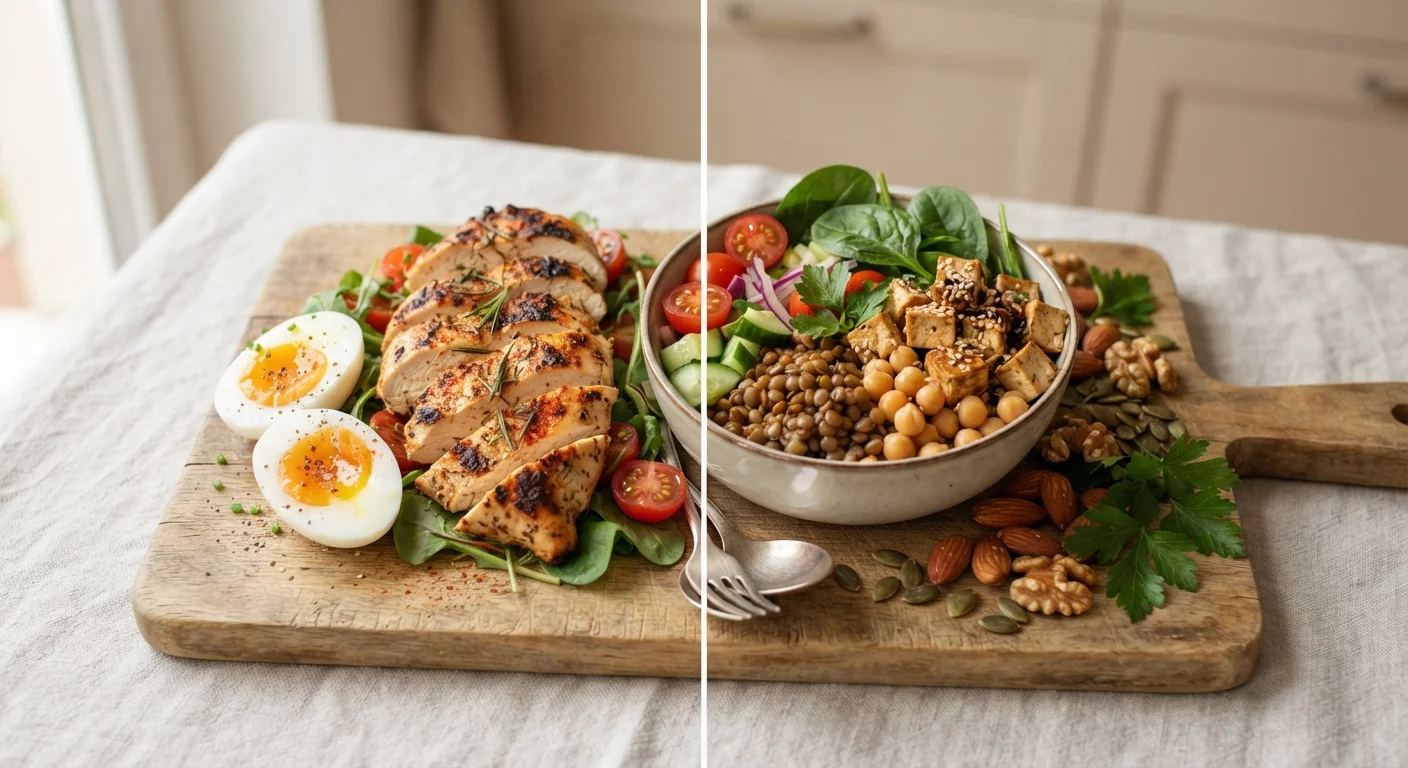
Animal proteins - including meat, poultry, fish, eggs, and dairy - are universally complete. Plant proteins are more variable. Most individual plant foods are low in at least one essential amino acid; for example, grains tend to be low in lysine, while legumes are low in methionine. This is not a dealbreaker: eating a diverse range of plant foods across the day effectively covers all essential amino acids, even when meals aren't deliberately paired. For a broader look at what these dietary patterns each offer, see nutritional trade-offs between plant-based and omnivorous diets.
Soy is a notable exception among plant proteins - it is considered complete and is one of the most studied plant protein sources in nutrition research.
| Criterion | Animal Protein | Plant Protein |
|---|---|---|
| Amino acid completeness | Complete (all 9 essential amino acids) | Often incomplete; soy is a key exception |
| Digestibility (DIAAS) | Generally high | Moderate to high; varies by source |
| Fiber content | None | Significant in legumes and whole grains |
| Saturated fat | Present in red and processed meats | Minimal in most sources |
| Vitamin B12 | Naturally present | Absent; supplementation often needed |
| Heme iron | Present and highly absorbable | Non-heme iron only; lower absorption |
| Phytonutrients | Absent | Rich source of antioxidants and phytonutrients |
| Planning required | Minimal for protein completeness | Variety across the day covers amino acid needs |
Digestibility and Bioavailability: Getting What You Eat
Eating protein and absorbing protein are two different things. Bioavailability refers to how much of a protein's amino acids actually enter circulation and become available for the body to use. Nutritionists use a scoring system called the DIAAS - recommended by the Food and Agriculture Organization - to evaluate protein quality more precisely than older methods.
~1.0
DIAAS score for whole eggs
Whole eggs achieve a near-perfect Digestible Indispensable Amino Acid Score, making them a benchmark reference in protein quality research per FAO guidance.
~0.6-0.9
DIAAS range for common legumes
Cooked legumes such as lentils and chickpeas score moderately on DIAAS, with the range reflecting variation across preparation methods and specific legume types.
~0.9
DIAAS score for isolated soy protein
Soy protein isolate performs comparably to many animal sources in DIAAS evaluations, supporting its reputation as a high-quality plant protein option.
Animal proteins consistently score high on DIAAS. Eggs and dairy in particular are often used as reference standards. Plant proteins vary more widely. Legumes score moderately well, while isolated soy protein performs comparably to many animal sources. Certain plant foods also contain antinutrients - compounds like phytates and tannins that can reduce mineral and protein absorption - though cooking, soaking, and fermenting substantially reduce their effect.
For people managing protein targets, understanding these differences matters. Common points of confusion around protein targets and food quality are worth reviewing before making major dietary changes.
The Bigger Nutritional Picture
Protein sources don't exist in isolation - they come packaged with other nutrients that affect overall dietary health. This broader context often shapes which sources work best for a given eating pattern.
- Animal proteins come with B12, heme iron (highly absorbable), zinc, and complete amino acids. Red and processed meats also carry saturated fat, and dietary guidance from major health organizations generally recommends moderating these in favor of leaner options like fish, poultry, and eggs.
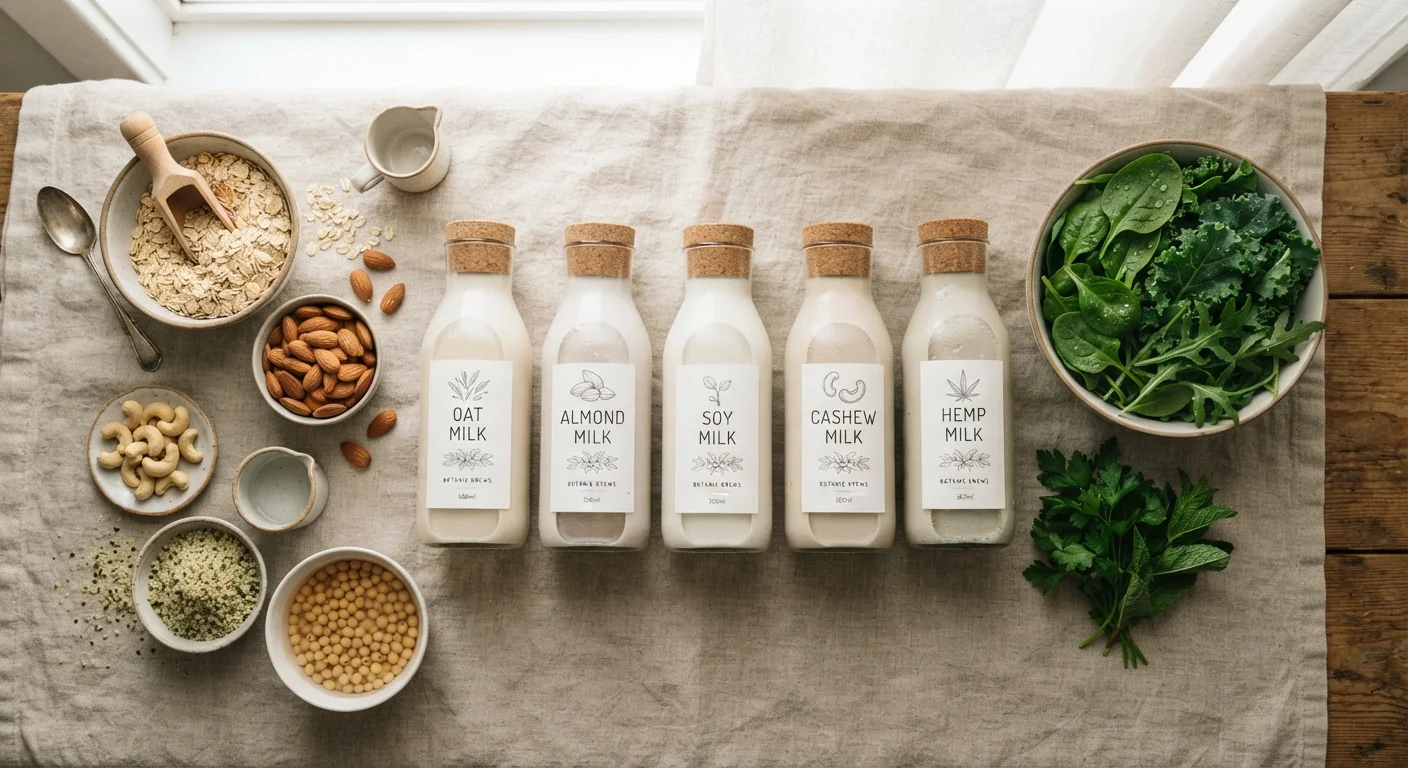
- Plant proteins arrive with dietary fiber, antioxidants, and phytonutrients - compounds not found in animal foods and associated with a range of health benefits in observational research. However, plant-based eating requires attention to nutrients like vitamin B12, vitamin D, calcium, and omega-3 fatty acids. Removing dairy specifically creates considerations around calcium and protein intake worth planning for.
Special Populations and Protein Needs
Protein requirements shift during pregnancy, lactation, older adulthood, and periods of illness or recovery. Plant-based diets in these contexts require particularly careful planning to meet elevated needs. If you fall into one of these groups, working with a registered dietitian is strongly recommended rather than relying on general population guidelines.
Neither category is inherently superior - the most evidence-supported dietary patterns, such as the Mediterranean diet, draw from both. See core principles of balanced nutrition for a broader framework.
This article is for general informational and educational purposes only and does not constitute medical or nutritional advice. Consult a registered dietitian or qualified healthcare professional for guidance specific to your health needs.