
What Solo Practices Actually Do for Your Mind
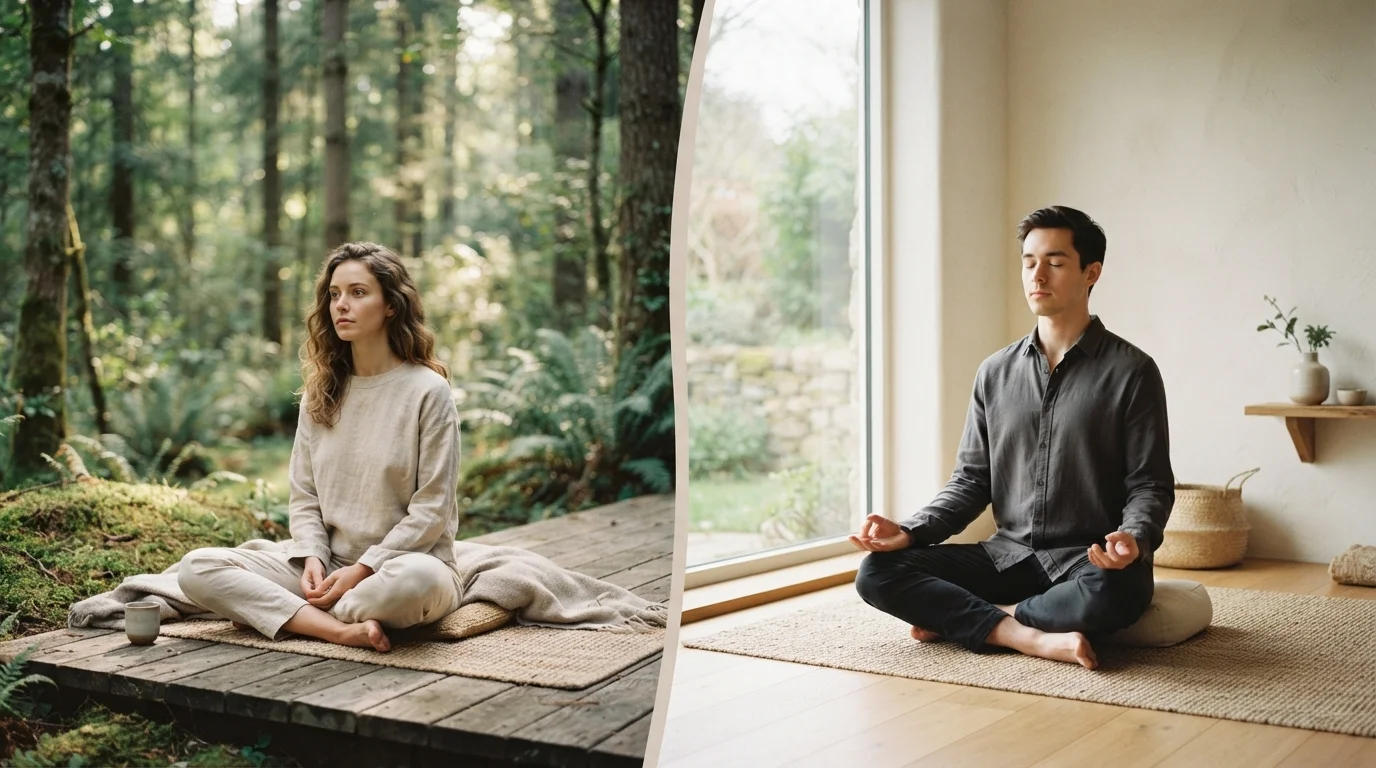
Solo mental wellness practices - journaling, meditation, mindful movement, breathwork, or simply structured quiet time - share a common mechanism: they create space for self-observation without external noise. That internal focus trains what researchers generally describe as emotional regulation, the ability to recognize, process, and respond to feelings rather than react impulsively.
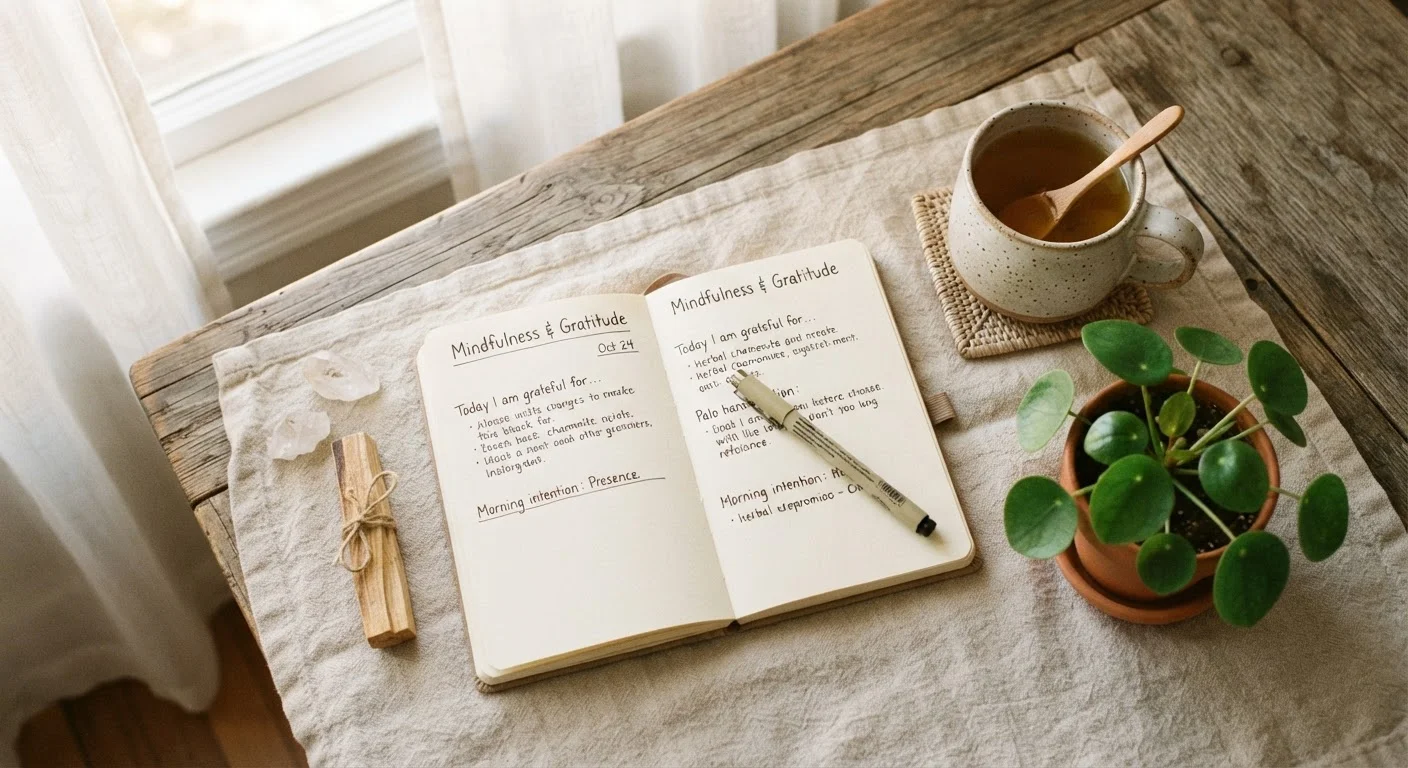
Journaling, for example, encourages what psychologists call expressive writing - putting words to emotion in a low-stakes environment. Regular practice can help people identify recurring thought patterns, making it easier to notice when stress is accumulating before it peaks. Similarly, practices like mindfulness and meditation have a well-established body of general research linking them to reduced physiological stress responses over time. For a closer look at how these two overlap and diverge, see how mindfulness and meditation differ.
The key advantage of solo practices is autonomy. They are available at any hour, require no coordination, and can be tailored precisely to individual needs. That flexibility makes them particularly durable as long-term habits.
Build Habits Before You Need Them
Solo practices are most effective when established during calmer periods rather than introduced during crisis. Starting a five-minute journaling habit on an ordinary Tuesday means the skill is already available when a difficult week arrives. Consistency matters far more than duration - brief, regular practice outperforms occasional intensive sessions.
What Social Support Provides That Solo Practice Cannot
Human beings are fundamentally social, and a growing body of research consistently links strong social ties to better mental and physical health outcomes. Social support operates through different pathways than solo practice. It provides co-regulation - the neurological calming effect that comes from being in the presence of a trusted person - as well as validation, perspective, and a sense of belonging that internal reflection cannot generate on its own.
When a friend listens without judgment, or a community group shares a common experience, it signals safety in a way that is neurologically distinct from self-soothing. This is particularly important during periods of grief, major transition, or prolonged stress, when self-directed tools may feel insufficient. Research on loneliness has consistently found that persistent social isolation is associated with measurable effects on both mental and physical health. Social connection as a wellness practice explores this in more depth.
Social support also introduces accountability and encouragement that can sustain motivation - a running partner or a weekly check-in call keeps habits alive during low-energy periods when solo practice might quietly lapse.
| Solo Practices | Social Support | |
|---|---|---|
| Primary benefit | Self-awareness and emotional regulation | Belonging, validation, co-regulation |
| Availability | Anytime, no coordination needed | Depends on others' schedules and proximity |
| Best for | Processing thoughts, building internal resilience | Loneliness, grief, motivation, perspective |
| Examples | Journaling, meditation, breathwork, mindful walks | Friendship check-ins, support groups, shared activities |
| Barrier to entry | Low - tools are free and self-directed | Moderate - requires trust and social infrastructure |
| Risk if overused alone | Isolation, excessive self-focus, rumination | Emotional dependency, lack of self-reflection |
Finding the Balance That Works for You
The question is rarely which approach to choose but how to combine them in a way that fits your actual life. A few practical principles are worth keeping in mind.
- Assess your current balance. If your days are highly social but you feel emotionally scattered, more solo reflection time may help. If you feel isolated despite being busy, investing in connection is likely the higher priority.
- Consider your temperament. Introverts often find solo practices easier to sustain and may need to be deliberate about scheduling social time. Extroverts may find social support energizing but benefit from building in quiet reflection to process what they experience.
- Let life stages guide you. New parents, people navigating major loss, or those in career transitions may find their needs shift substantially. The guide to building a personal mental wellness routine offers a useful framework for identifying which habits suit your current circumstances.
- Start small in both categories. Even brief daily habits compound over time, as explored in our piece on the daily habits that quietly shape how you feel.
Don't Let One Approach Replace Professional Care
Journaling, meditation, and social connection are valuable general wellness tools, but they are not substitutes for professional mental health support when it is needed. If emotional difficulties are persistent, interfering with daily functioning, or feel unmanageable, reaching out to a licensed mental health professional is an important step - not a last resort.
This article is for general informational purposes only and does not constitute medical or mental health advice. If you are experiencing significant distress, persistent low mood, or other mental health concerns, please consult a qualified healthcare or mental health professional.