Why Insulation Type and Location Both Matter
Insulation is not a one-size-fits-all material. The right choice depends on where in the house it goes, how much thermal resistance you need, whether moisture is a concern, and whether the space will be enclosed or left open. Picking the wrong type for a given location can underperform, trap moisture, or create problems that are costly to fix later.
The primary measure of insulation effectiveness is its R-value - the higher the number, the greater the resistance to heat flow. But R-value alone doesn't tell the whole story. Air-sealing ability, vapor management, installation method, and cost all factor into the decision. Understanding how the major insulation types differ helps you ask better questions when planning a project.
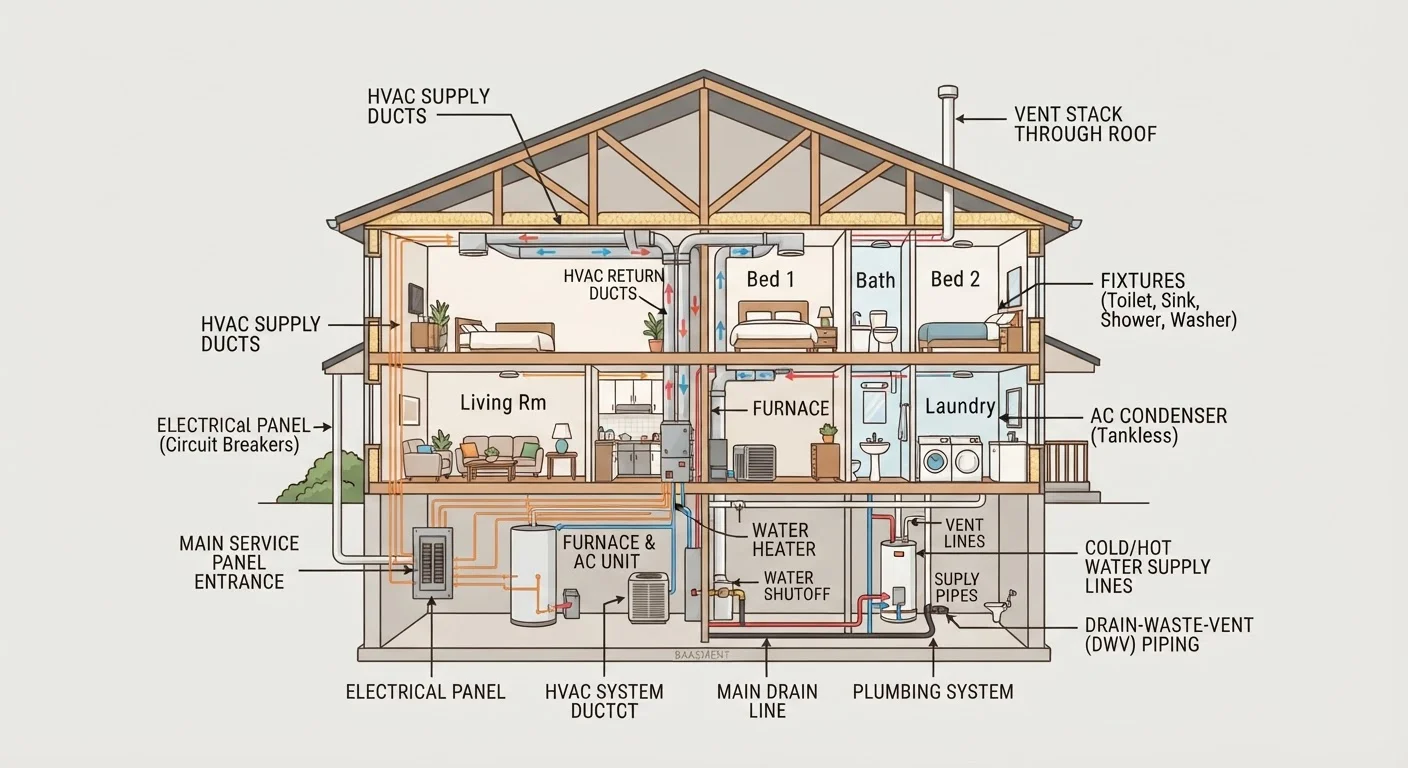
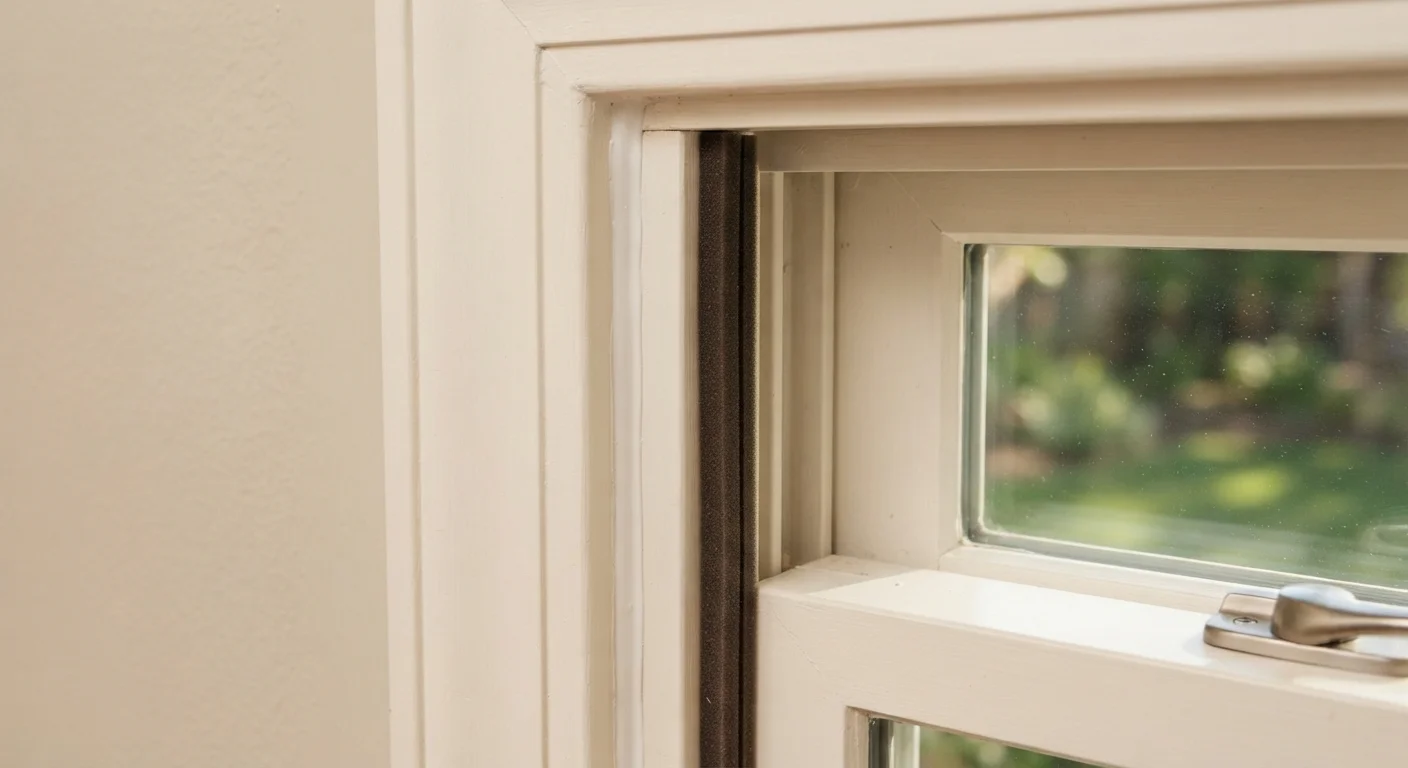
For a broader look at how insulation fits into your home's overall performance, see our plain-language guide to your home's main systems. And since insulation and air sealing work hand in hand, our overview of caulk vs. weatherstripping is worth reading alongside this one.
| Fiberglass batt R-value range | R-11 to R-38+ (Varies by thickness and manufacturer specifications) |
| Closed-cell spray foam R-value per inch | ~R-6 to R-7 (U.S. Department of Energy general reference) |
| Open-cell spray foam R-value per inch | ~R-3.5 to R-4 (U.S. Department of Energy general reference) |
| Most common attic insulation method | Blown-in loose-fill (Industry consensus for existing homes) |
| Polyiso rigid board R-value per inch | ~R-6 to R-6.5 (Performance may decrease in very cold climates) |
| Recommended attic R-value (most U.S. climates) | R-38 to R-60 (U.S. DOE climate zone guidelines) |
The Major Insulation Types and Their Best Applications
Fiberglass Batts and Rolls
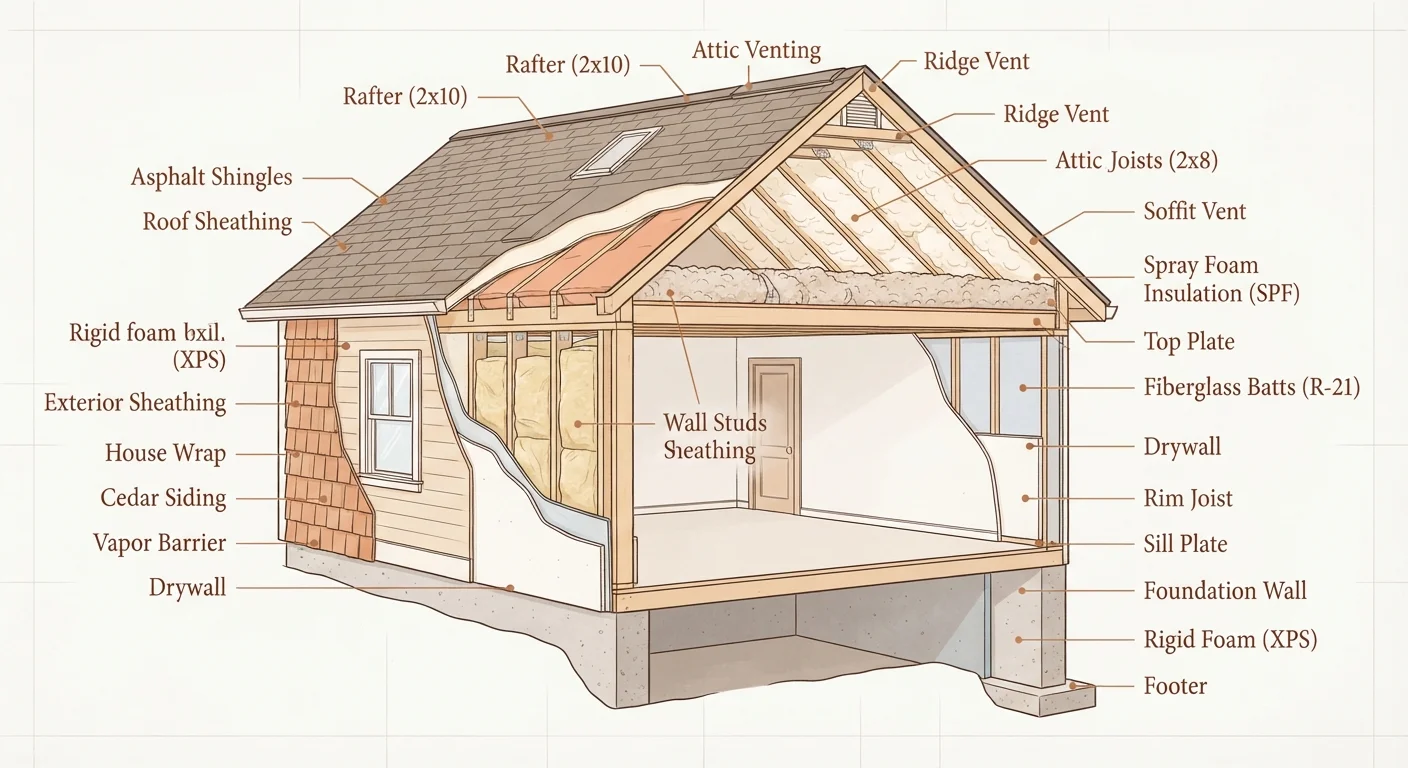
Fiberglass batts are the most widely used insulation in U.S. homes. They come in pre-cut panels sized to fit standard stud and joist spacing, making them straightforward for DIY installation in open wall cavities, floors, and attics. R-value ranges from about R-11 for 3.5-inch batts (standard interior wall) to R-38 or higher for thicker attic rolls. The key limitation: batts must fit snugly without gaps or compression to perform as rated. Gaps around wiring, pipes, or irregular framing significantly reduce effectiveness.
Best locations: Interior and exterior wall cavities, floor joists above unconditioned spaces, unfinished attic floors.
Blown-In (Loose-Fill) Insulation
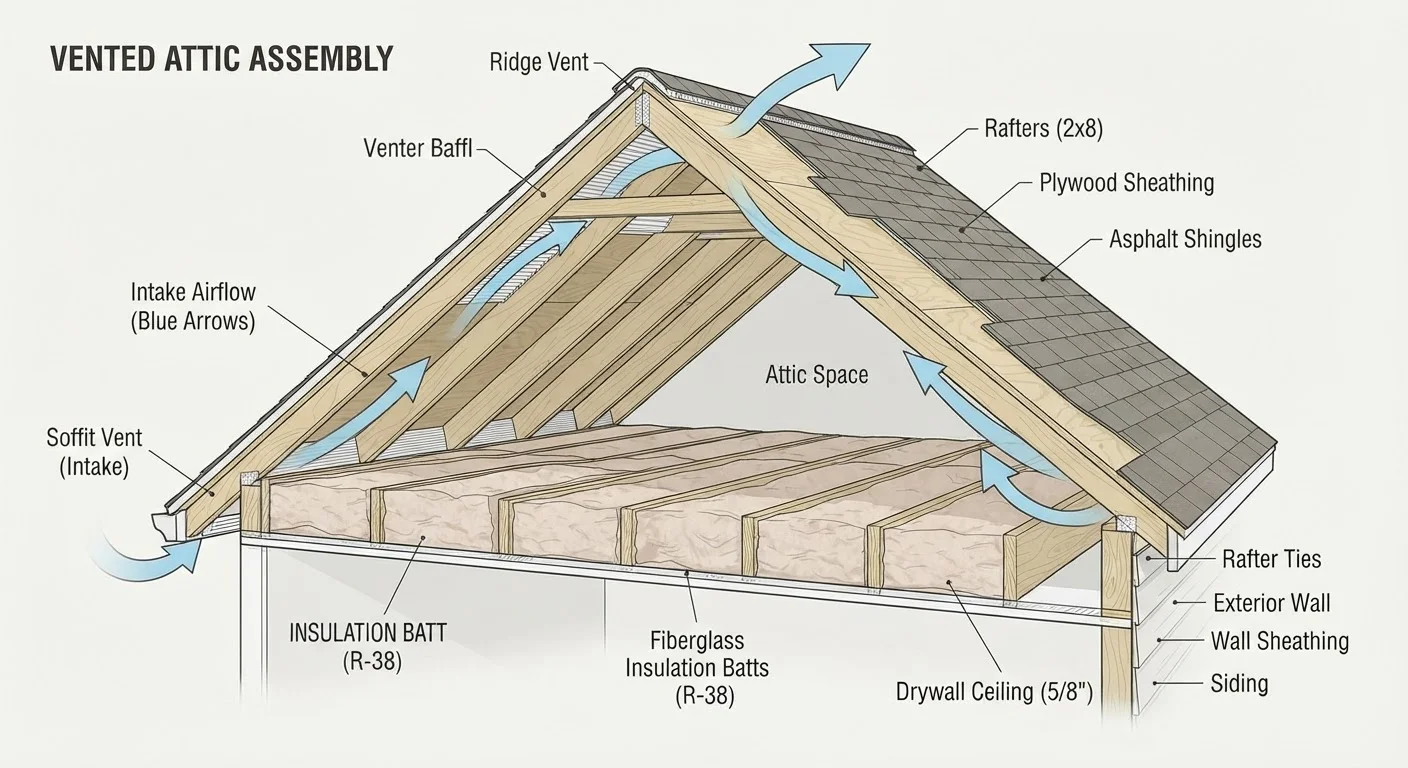
Blown-in insulation - typically fiberglass or cellulose - is installed by blowing loose material into a space using a machine. It conforms around obstructions like pipes and joists, making it ideal for attics with irregular framing and for retrofitting insulation into finished walls through small drilled holes. Cellulose has a slightly higher R-value per inch than fiberglass loose-fill and is made largely from recycled paper, but it can absorb moisture if not properly managed. For a deeper look at attic-specific strategies, our attic insulation and ventilation overview covers how ventilation and insulation interact.
Best locations: Attic floors, existing finished walls (retrofit), hard-to-reach cavities.
Spray Foam Insulation
Spray polyurethane foam (SPF) expands on contact to fill gaps, cracks, and irregular shapes. It comes in two forms: open-cell foam, which is softer and vapor-permeable, and closed-cell foam, which is denser, provides a vapor retarder, and delivers R-values around R-6 to R-7 per inch - roughly double open-cell. Closed-cell is often used in crawl spaces, basement walls, and roof decking where moisture resistance matters. Professional installation is required for most applications; improper mixing or off-gassing during curing can create air quality concerns.
Best locations: Rim joists, crawl spaces, basement walls, cathedral ceilings, areas requiring both air sealing and insulation simultaneously.
Rigid Foam Board
Rigid foam panels (EPS, XPS, or polyisocyanurate) are cut to fit and used where thin profiles need to deliver meaningful R-value. They are especially useful on exterior walls as a continuous insulation layer that reduces thermal bridging through studs - a problem that batt insulation alone doesn't address. Polyiso boards offer the highest R-value per inch of the three types, though their performance dips in very cold temperatures. Rigid foam must be covered with a fire-rated material (such as drywall) when used in interior applications.
Best locations: Exterior wall sheathing, basement walls, under slab foundations, roofing assemblies.
R-value
A measure of an insulation material's resistance to heat flow. Higher R-values indicate greater insulating effectiveness. Required minimums vary by climate zone and building component.
Thermal bridging
Heat loss that occurs through structural elements - like wood studs - that conduct heat more readily than the surrounding insulation. Continuous insulation layers help reduce this effect.
Vapor retarder
A material that slows the movement of water vapor through walls, ceilings, or floors. Closed-cell spray foam acts as a vapor retarder; other insulation types do not.
Open-cell foam
A softer, lower-density form of spray polyurethane foam that allows some vapor transmission. It provides good air sealing but lower R-value per inch than closed-cell foam.
Closed-cell foam
A denser spray foam that resists moisture and vapor movement. It offers higher R-values per inch and structural rigidity, and is preferred in moisture-prone locations.
Loose-fill (blown-in)
Insulation made of loose fibers or particles - typically cellulose or fiberglass - blown into place with a machine. It conforms around obstructions and is suited for retrofitting existing spaces.
Choosing the Right Fit for Your Project
For most standard wall and attic work in new construction or open renovations, fiberglass batts remain a practical, cost-accessible choice. Blown-in insulation becomes the smarter option when cavities are already enclosed or when attic coverage needs to be dense and uniform. Spray foam is the only type that simultaneously insulates and air-seals, making it valuable in locations like rim joists and crawl spaces where both are needed. Rigid board earns its place wherever continuous insulation is required without thick cavity depth.
Any project involving crawl spaces, basement moisture management, or roof assemblies carries enough complexity - and potential for moisture damage - that consulting a licensed insulation contractor is strongly advisable before proceeding. Work in enclosed or finished spaces typically requires permits depending on your local jurisdiction; always verify requirements before starting.
Up to 15%
Heating and cooling savings from proper insulation
The U.S. Department of Energy estimates that properly insulating and air-sealing a home can save up to 15% on heating and cooling costs.
~40%
Share of U.S. home energy used for heating and cooling
According to the U.S. Energy Information Administration, heating and cooling account for roughly 40% of residential energy consumption.