How Small Problems Become Big Ones
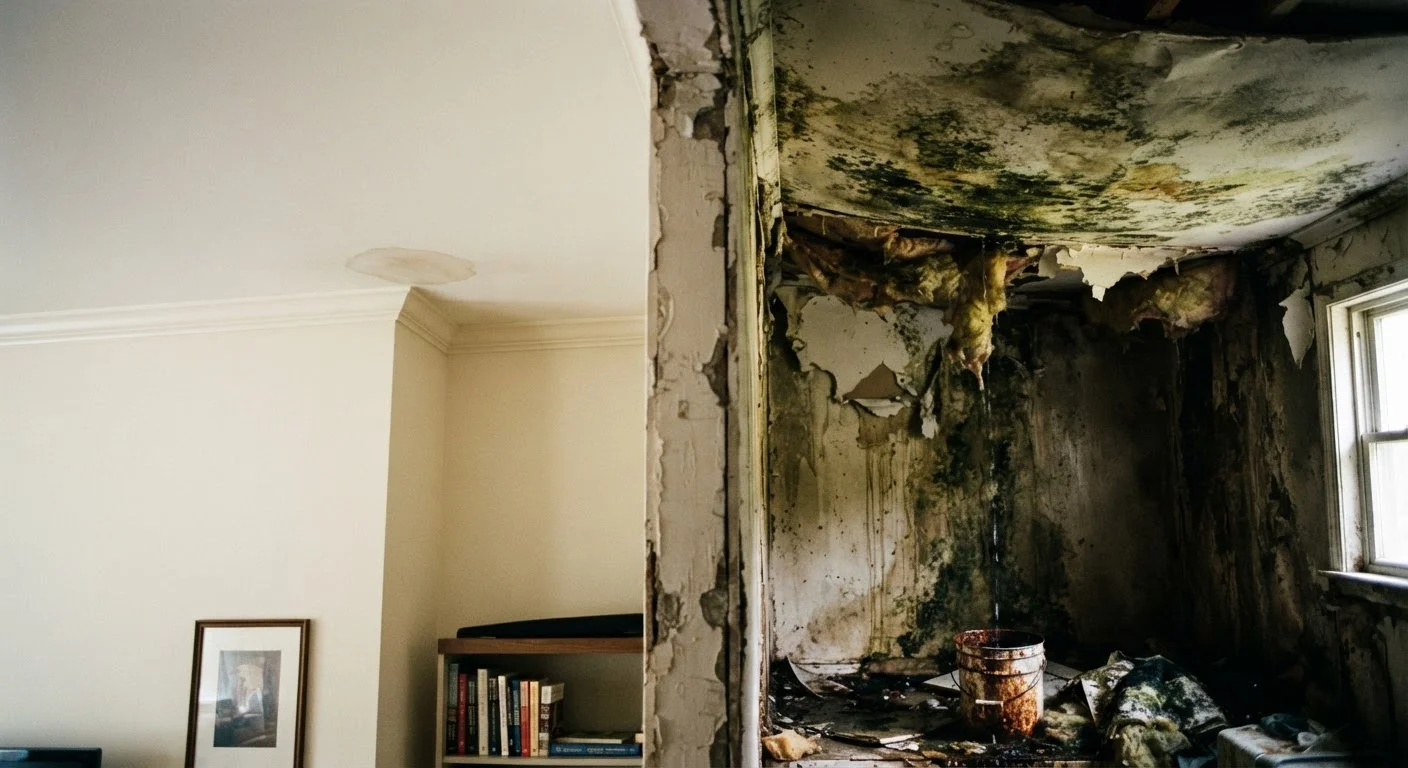
Home systems are interconnected. A small failure in one place puts stress on adjacent materials and components, and that stress compounds silently over months or years. Understanding this chain reaction is the first step toward breaking it.
Consider a cracked caulk line around a bathtub. On its own, it looks minor. But water infiltrates that gap with every shower, soaking into the subfloor beneath. Over time, the subfloor softens, the tile loosens, and mold takes hold inside the wall cavity - a repair that started at a few dollars of caulk can grow into thousands of dollars of bathroom renovation.
The same pattern plays out across virtually every home system. A small roof flashing gap becomes a rotted rafter. A slow drip under a sink quietly warps the cabinet base. A clogged dryer vent that reduces airflow creates a fire hazard. None of these start as emergencies. They become emergencies through inaction.
Renters Have Rights Too
Deferred maintenance isn't only a homeowner problem. Renters are directly affected when landlords postpone repairs. Most U.S. states have habitability standards that require landlords to address issues like water leaks, heat failures, and pest infestations within a reasonable time. If you're renting, document maintenance requests in writing and keep copies for your records.
The Real Cost of Waiting
The financial case for timely maintenance is straightforward: preventive action is almost always cheaper than reactive repair. Emergency service calls carry premium pricing, and damage that spreads often requires replacing materials rather than simply fixing them.
1-4x
Cost multiplier of deferred vs. timely repairs
Home maintenance professionals commonly note that repairs deferred long enough to cause secondary damage can cost several times more than the original fix would have.
24-48 hrs
Time for mold to begin growing after water intrusion
According to the U.S. Environmental Protection Agency, mold can begin to develop on wet building materials within 24 to 48 hours of a water event.
Beyond direct repair costs, deferred maintenance can affect homeowners insurance claims. Insurers may deny or reduce payouts for damage they determine resulted from neglect rather than a sudden, accidental event. That distinction matters most when a claim is already stressful.
For homeowners tracking household spending, deferred maintenance sits in the same category as other slow financial drains. The small spending leaks that quietly erode a budget - the costs are invisible until they aren't. Building a basic maintenance reserve into a household budget is a practical defense. For broader guidance on that, the Budgeting Basics hub offers a practical starting point.
Which Systems Escalate Fastest
Not all deferred maintenance carries equal risk. Some systems fail slowly and predictably; others deteriorate rapidly once a threshold is crossed. Knowing which category a problem falls into helps with prioritization.
- Water-related issues: Roof leaks, plumbing drips, and grading problems that direct water toward a foundation escalate quickly. Water damage and mold can spread within 24-48 hours of significant infiltration.
- HVAC systems: Skipping annual filter changes and tune-ups shortens equipment lifespan and reduces efficiency. A system running on a clogged filter works harder, wears faster, and costs more to operate.
- Electrical and safety systems: Outdated wiring, tripped breakers that keep recurring, or smoke detectors with dead batteries are not cosmetic issues. These carry genuine safety risk and should never be deferred.
- Exterior envelope: Siding, windows, and doors that seal the home against weather need periodic inspection. Gaps or cracks invite moisture and pests, both of which compound quickly.
If you're building your maintenance awareness from scratch, the First-Time Homeowner's Introduction to Home Maintenance covers the foundational systems worth understanding first.
Start With a Simple Walk-Through
Set a reminder each season to walk every room and the home's exterior looking for water stains, cracks, soft spots, and anything that looks or sounds different. Most maintenance problems give early warning signs. Catching them at that stage is almost always faster and cheaper than waiting for failure.
Building a Maintenance Habit That Sticks
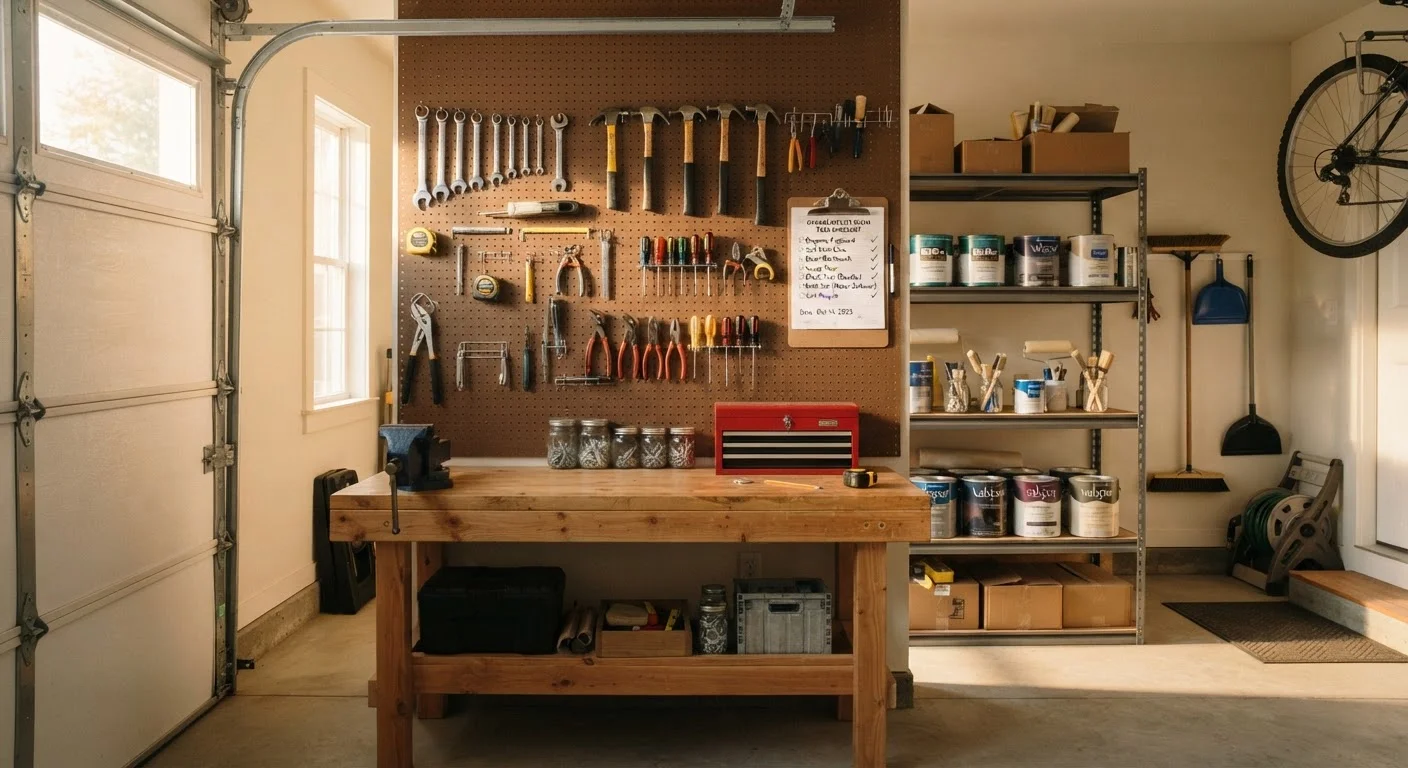
The most effective maintenance strategy isn't a massive annual overhaul - it's consistent, low-effort attention spread across the year. A seasonal checklist approach helps homeowners stay ahead of weather-related vulnerabilities while keeping individual tasks manageable.
Walking through your home with fresh eyes each season - checking for new cracks, stains, soft spots, or unusual sounds - catches most problems while they're still minor. When something looks off, it usually is. Acting on that instinct early is nearly always the right call.
It's also worth separating perception from reality when making maintenance decisions. Some common assumptions about what's urgent (or safe to skip) turn out to be wrong. The truth about home maintenance myths covers several of the most persistent misconceptions that lead homeowners to defer the wrong things.
For renters, the practical step is documentation: report maintenance concerns to your landlord in writing, keep copies, and follow up. This protects your health, your belongings, and your legal standing if a problem escalates.
This article is for general informational and educational purposes only. For significant structural, electrical, or safety concerns, consult a licensed professional and verify local permit and code requirements before beginning any repair work.