
The Real Definition of a Budget
Most people hear the word "budget" and immediately think of sacrifice - cutting out coffee, skipping dinners out, living on the bare minimum. That mental image is one of the most damaging misconceptions in personal finance, and it stops millions of Americans from ever making a plan in the first place.
A budget is simply a forward-looking plan that assigns a purpose to your income before you spend it. Every dollar you expect to earn gets directed somewhere - rent, groceries, savings, or yes, entertainment - and the plan is written down so you can follow it.
The Consumer Financial Protection Bureau (CFPB) describes a spending plan as one of the foundational tools for building financial stability. The key word is plan. A budget is not a record of what you already spent; that's expense tracking. A budget tells your money where to go in advance. That distinction matters enormously in practice.
Budgets vs. Spending Trackers: A Quick Clarification
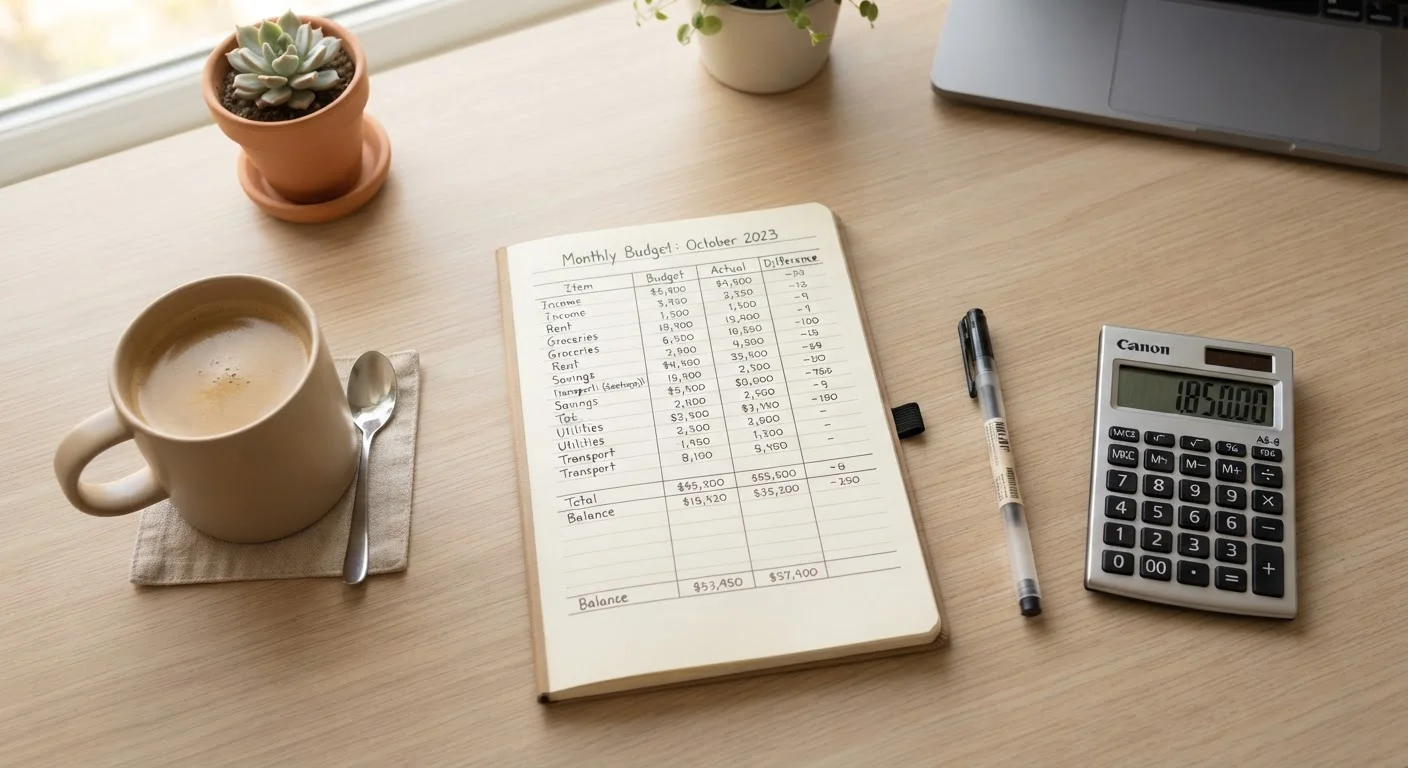
Many apps and tools marketed as "budgeting apps" are actually spending trackers - they record and categorize what you've already spent. True budgeting happens before the spending occurs. The most effective approach combines both: plan your spending in advance (budget), then track actual spending to see how closely you followed the plan.
Why So Many People Get It Wrong
The misunderstanding usually starts with language. The word "budget" has cultural baggage - it's often paired with phrases like "budget cuts" or "budget airline," associating it with lower quality or painful restrictions. In personal finance, that framing is backward.
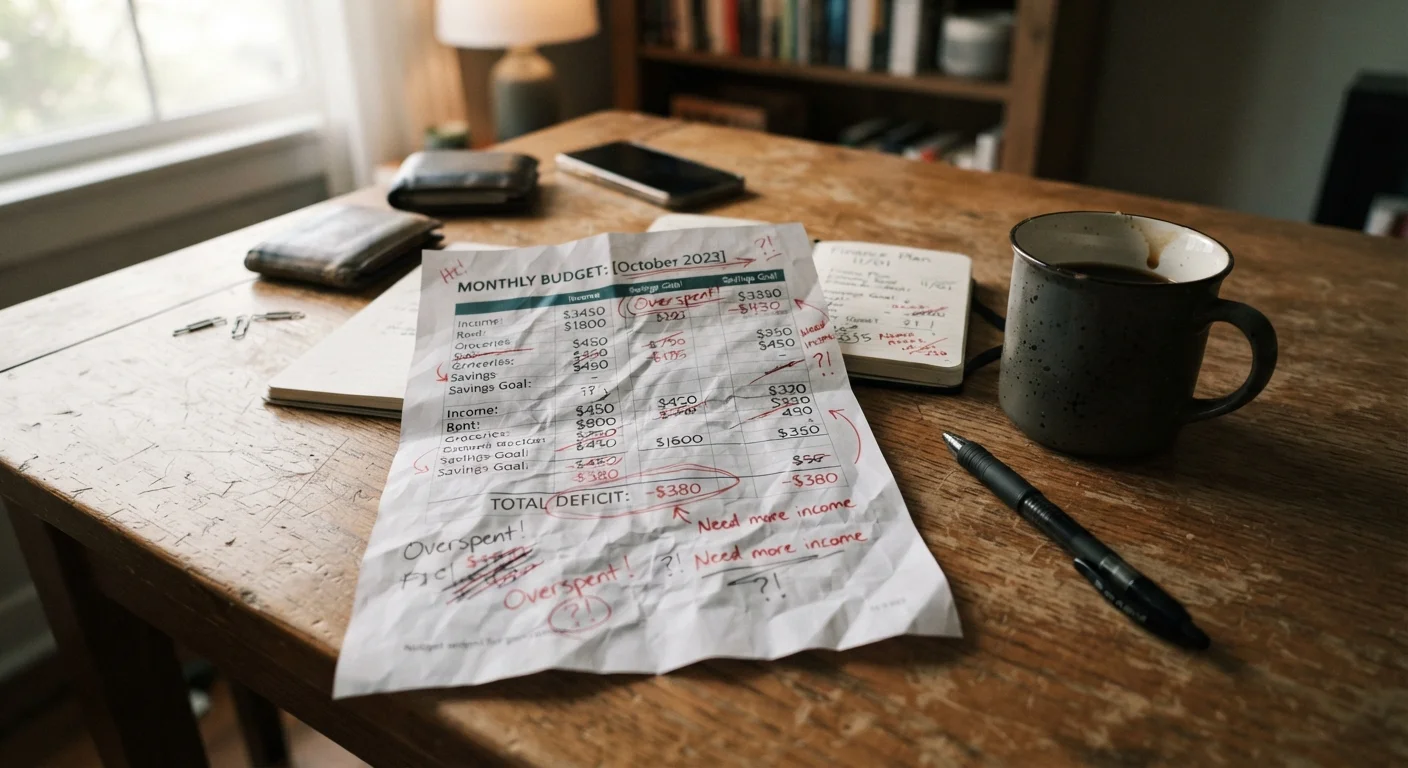
A second reason budgets feel threatening is that many people were introduced to one during a financial crisis - a job loss, unexpected debt, or a moment when money was genuinely tight. When your only experience with budgeting is crisis-mode, it's natural to associate the tool with the stress of the situation, not with the stability it can create.
There's also a common belief that budgets are only for people who struggle with money. In reality, high earners and financially secure households use budgets consistently - because a budget isn't a sign of financial weakness, it's a sign of financial intention. See our look at common budgeting myths for more misconceptions examined in detail.
“A budget is telling your money where to go instead of wondering where it went.”
— John C. Maxwell, Leadership author and speaker, widely cited in personal finance education
What a Budget Actually Contains
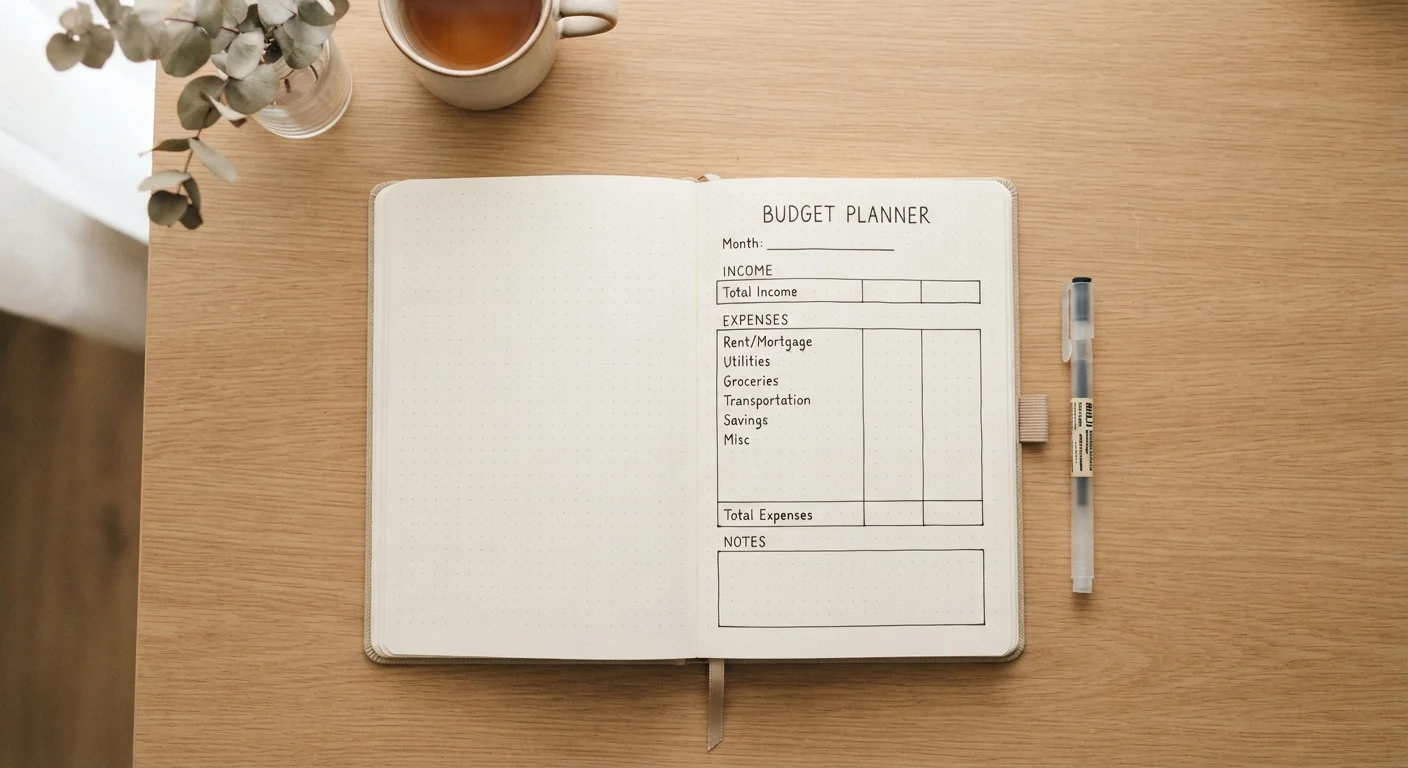
At its core, any budget has three components:
- Income: The money coming in - your take-home pay, freelance earnings, or any other reliable source.
- Expenses: What you plan to spend, broken into fixed costs (rent, loan payments) and variable costs (groceries, utilities, entertainment).
- The gap: The difference between income and expenses. A healthy budget directs that gap toward savings, an emergency fund, or debt repayment - rather than letting it disappear into unplanned spending.
One widely used framework, the 50/30/20 rule, suggests allocating roughly 50% of take-home pay to needs, 30% to wants, and 20% to savings and debt repayment. This isn't a universal law - it's a starting reference point. Your actual percentages should reflect your real circumstances and goals.
If you're ready to put one together, our step-by-step monthly budget guide walks through the process in plain terms.
~33%
Americans who track spending with a detailed budget
A Gallup survey has found that fewer than one in three U.S. adults maintains a detailed household budget, suggesting the practice remains less common than financial educators recommend.
50/30/20
Common budgeting framework ratio
The 50/30/20 rule - popularized in personal finance education - allocates income to needs, wants, and savings respectively, offering a simple starting structure for first-time budgeters.
$400
Emergency shortfall many Americans face
Federal Reserve research has found that a significant share of U.S. adults would struggle to cover an unexpected $400 expense, highlighting why forward planning through budgeting matters.
What Makes a Budget Work Over Time
A budget doesn't have to be perfect to be effective - it has to be used. The most common reason budgets fail isn't bad math; it's that people treat the first draft as the final word. Budgets need regular adjustment as life changes.
Flexibility is a feature, not a flaw. If you consistently overspend in one category, that's not a moral failure - it's information. It might mean the category was underbudgeted, or that a spending habit needs closer attention. Either way, the budget surfaces the issue so you can address it consciously rather than discovering it when your account runs low.
For a deeper look at the patterns that derail budgets - and how to spot them in your own habits - see why budgets fail and the patterns behind each breakdown.
If this is all new to you, the ground-up guide for first-time budgeters is a logical next step. And when you encounter unfamiliar terms along the way, budgeting terms you should actually know offers a plain-language reference.
Start With One Month, Not Forever
If budgeting feels overwhelming, commit to just one month as an experiment. Review your last 30 days of bank and card statements to understand your current spending patterns, then write a simple plan for the coming month. One month of data is far more useful than any generalized estimate - and it builds the habit without requiring a long-term commitment upfront.
This article is for general informational and educational purposes only and does not constitute personalized financial advice. For guidance specific to your situation, consider consulting a qualified financial professional.