Why These Three Scam Types Dominate Fraud Reports
Romance scams, tech support fraud, and government or business impersonation consistently rank among the most reported - and most financially damaging - forms of online fraud in the United States, according to the Federal Trade Commission. What they have in common is less about technology and more about psychology: each one is engineered to hijack a specific emotion before the target has a chance to verify what's happening.
Understanding how each type is structured - its entry point, its escalation pattern, and its endgame - is one of the most practical defenses available. For a broader look at how manipulation underlies nearly every scam type, see our piece on social engineering tactics.
| Romance Scams | Tech Support Fraud | Impersonation Scams | |
|---|---|---|---|
| Primary emotion exploited | Affection and loneliness | Fear and panic | Authority and urgency |
| Typical entry point | Dating apps, social media | Pop-up alerts, cold calls | Phone, email, or text message |
| Time to first money request | Weeks to months | Minutes to hours | Minutes to days |
| Common payment method demanded | Wire transfer, cryptocurrency | Gift cards, wire transfer | Gift cards, wire transfer, account details |
| Key warning sign | Avoids video or in-person contact | Requests remote device access | Spoofed caller ID or sender address |
| Who is most frequently targeted | Adults on dating platforms | Older or less tech-savvy users | Anyone; often broad or targeted |
Romance Scams: The Long Game
Romance scams are defined by patience. A fraudster creates a convincing persona - often a military professional, engineer working abroad, or successful businessperson - and initiates contact through dating apps, social media, or even email. The relationship is built gradually over days, weeks, or months. Compliments, shared interests, and consistent communication create genuine emotional attachment.
The request for money rarely arrives early. When it does, it's framed around crisis: a medical emergency, a business deal gone wrong, a flight home that needs funding. Because trust has already been established, the request feels reasonable. Victims frequently send funds multiple times before recognizing what's happening - and the losses can be substantial. The FTC has reported median individual losses from romance scams running into the tens of thousands of dollars.
Verify Identity Before Trusting Anyone Online
If you've connected with someone online who you haven't met in person, do a reverse image search of their profile photo using a tool like Google Images. Ask for a live video call - not just photos or pre-recorded clips. Romantic interest that never translates to verifiable, real-time contact is a significant warning sign worth taking seriously.
A consistent warning sign: the person is always unavailable for video calls, has reasons they can't meet in person, and their profile photos appear elsewhere under different names when reverse-image searched.
Tech Support Fraud: Manufactured Urgency
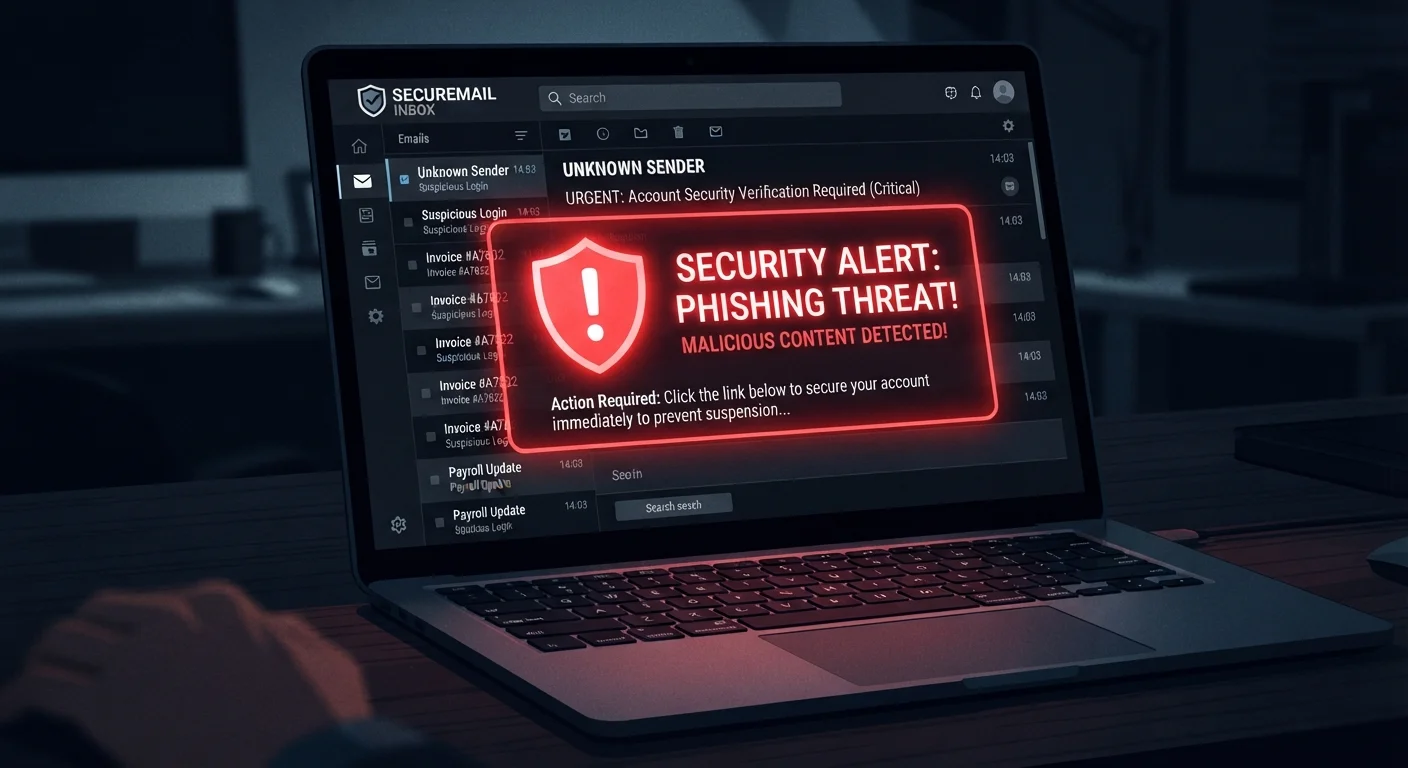
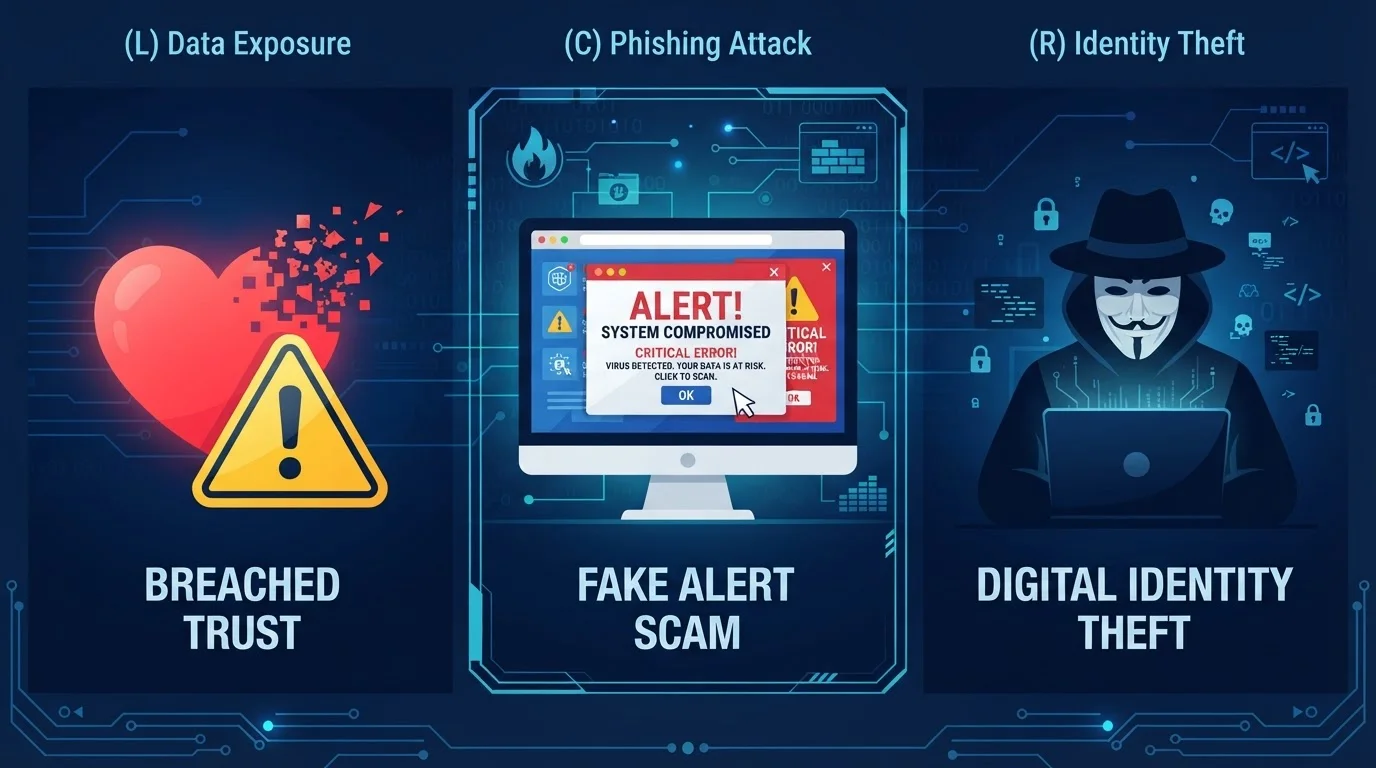
Tech support fraud operates on fear rather than affection. The entry point is typically a pop-up warning on a computer or phone claiming the device has been infected, locked, or compromised. A phone number is provided. Calling it connects the target to a fraudster posing as a technician from a well-known software company.
The script is designed to overwhelm: technical jargon, alarming descriptions of fake threats, and requests to install remote-access software so the "technician" can fix the problem. Once remote access is granted, the fraudster may actually introduce malware, harvest saved passwords, or pressure the target into paying for unnecessary "repairs" via gift cards or wire transfer. Gift cards are a near-universal red flag - no legitimate company uses them as a payment method for services.
This scam disproportionately affects older adults, though it targets anyone who may be less familiar with how real software companies communicate. Legitimate tech companies do not initiate unsolicited contact about device problems. Common structural warning signs like urgency and unusual payment requests appear here in full force.
Impersonation Scams: Borrowed Authority
Impersonation scams work by borrowing the credibility of an institution or person the target already trusts. The fraudster may pose as the IRS, Social Security Administration, a bank's fraud department, a utility company, or even a friend or family member in distress. Contact arrives by phone, email, or text.
The message typically combines authority with urgency: your account has been compromised, you owe back taxes, or a relative needs bail money. Caller ID spoofing - a technique that makes a call appear to come from a legitimate number - makes these scams particularly convincing. Some impersonation attempts are highly targeted, using personal details gathered from data breaches or social media to make the contact feel credible.
The request is always for immediate action: call back now, confirm account details, send a payment. Slowing down is the most effective countermeasure. If a message seems to come from your bank, hang up and call the number on the back of your card. If it claims to be from a government agency, look up the official contact independently. For guidance on spotting fraudulent messages before responding, see red flags in suspicious emails and our explainer on how phishing messages are crafted.
Never Act on Urgency Alone
A core tactic across all three scam types is manufactured time pressure - the sense that you must act immediately or face serious consequences. Real banks, government agencies, and tech companies do not demand instant responses or threaten immediate penalties for pausing to verify. If you feel rushed, that pressure itself is a warning sign. Always take time to confirm independently before sharing information or sending money.