Why Scams Follow a Formula
Fraud comes in many shapes - a text about a delayed package, a call from a fake IRS agent, a message from someone who seems too good to be true. But underneath the surface variation, nearly every scam relies on the same core mechanics. Understanding that formula is more powerful than memorizing any single example, because it helps you recognize threats you've never seen before.
The Federal Trade Commission consistently reports that consumers lose billions of dollars to fraud each year, and that figure reflects only cases that get reported. The actual toll is likely far higher. Scammers succeed not because people are gullible, but because the tactics exploit how human psychology works under pressure and uncertainty.
See our overview of common scam types for a deeper look at how specific categories operate. What follows here are the warning signs that cut across all of them.
| Annual consumer fraud losses (US) | Billions of dollars (Federal Trade Commission Consumer Sentinel Network annual reports) |
| Most common scam contact method | Phone calls and text messages (FTC Consumer Sentinel Network Data Book) |
| Top requested payment method in fraud | Gift cards and wire transfers (FTC fraud reporting data) |
| Scams that use impersonation tactics | Majority of reported cases (FTC and FBI Internet Crime Complaint Center (IC3) annual reports) |
| Where to report fraud (US) | ReportFraud.ftc.gov (Federal Trade Commission) |
The Universal Warning Signs
These red flags appear across scam categories regardless of the channel - email, phone, text, or social media:
- Artificial urgency. Scammers compress your decision-making window on purpose. Phrases like "act now," "your account will be suspended," or "you have 24 hours" are designed to prevent you from pausing, verifying, or consulting someone you trust.
- Unsolicited contact. If you didn't initiate the interaction, apply extra scrutiny. Legitimate organizations - banks, government agencies, tech companies - do not typically reach out unprompted to demand sensitive information or immediate payment.
- Requests for unusual payment methods. Gift cards, wire transfers, cryptocurrency, and peer-to-peer payment apps offer scammers near-irreversible transactions. No genuine institution will instruct you to pay a bill, penalty, or fee this way.
- Pressure to keep it secret. Being told not to tell a family member, friend, or bank representative is a deliberate isolation tactic. Legitimate requests do not require secrecy.
- Too-good-to-be-true offers. Unexpected prize winnings, investment returns that defy market norms, or romance interests who are impossibly attentive all rely on the same bait: something desirable that bypasses your skepticism.
- Impersonation of trusted entities. Scammers routinely pose as government agencies, well-known companies, or even people you know. Always verify identity through an independent channel before responding.
For a detailed breakdown of how these signals appear in email specifically, see our field guide to suspicious emails.
Social engineering
Psychological manipulation that tricks people into revealing confidential information or taking actions against their own interests. It relies on exploiting trust, authority, fear, or urgency rather than technical hacking.
Impersonation scam
A fraud in which the perpetrator pretends to be a trusted entity - such as a government agency, tech company, or known contact - to gain the victim's trust and extract money or information.
Spoofing
The practice of disguising a communication's origin, such as making a phone number or email address appear to belong to a legitimate organization. Spoofed contacts look authentic but are controlled by the scammer.
Urgency tactic
A deliberate pressure technique used in scams to force quick decisions by creating a false deadline or crisis. The goal is to prevent the target from pausing to verify or seek advice.
Phishing
A type of scam that uses deceptive messages - usually email, text, or fake websites - to trick people into providing login credentials, financial details, or other sensitive data.
Irreversible payment method
A payment format - such as wire transfer, cryptocurrency, or gift card - that cannot easily be reversed or recalled once sent. Scammers prefer these specifically because recovery is difficult.
The Psychology Behind the Pressure
Scams don't just exploit ignorance - they exploit emotion. Fear, excitement, loneliness, and compassion are all reliable levers. A message warning that your Social Security number has been compromised triggers fear. A surprise lottery win triggers excitement. Understanding that scammers deliberately manufacture these emotional states is itself a defense.
One well-documented tactic is called social proof engineering - fabricating testimonials, fake reviews, or a sense that others have already participated. Another is authority impersonation, where the scammer assumes a role (law enforcement, tech support, a bank fraud team) that psychologically primes you to comply rather than question.
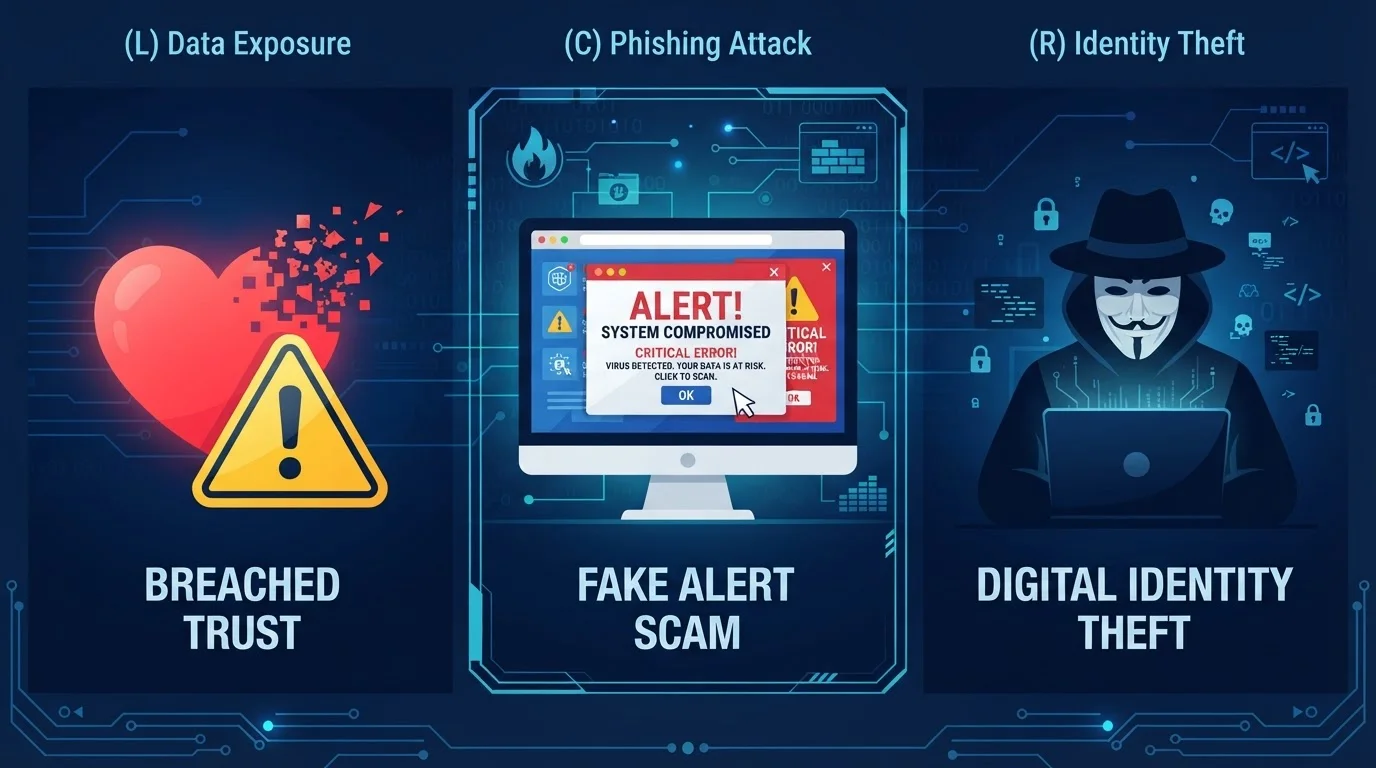
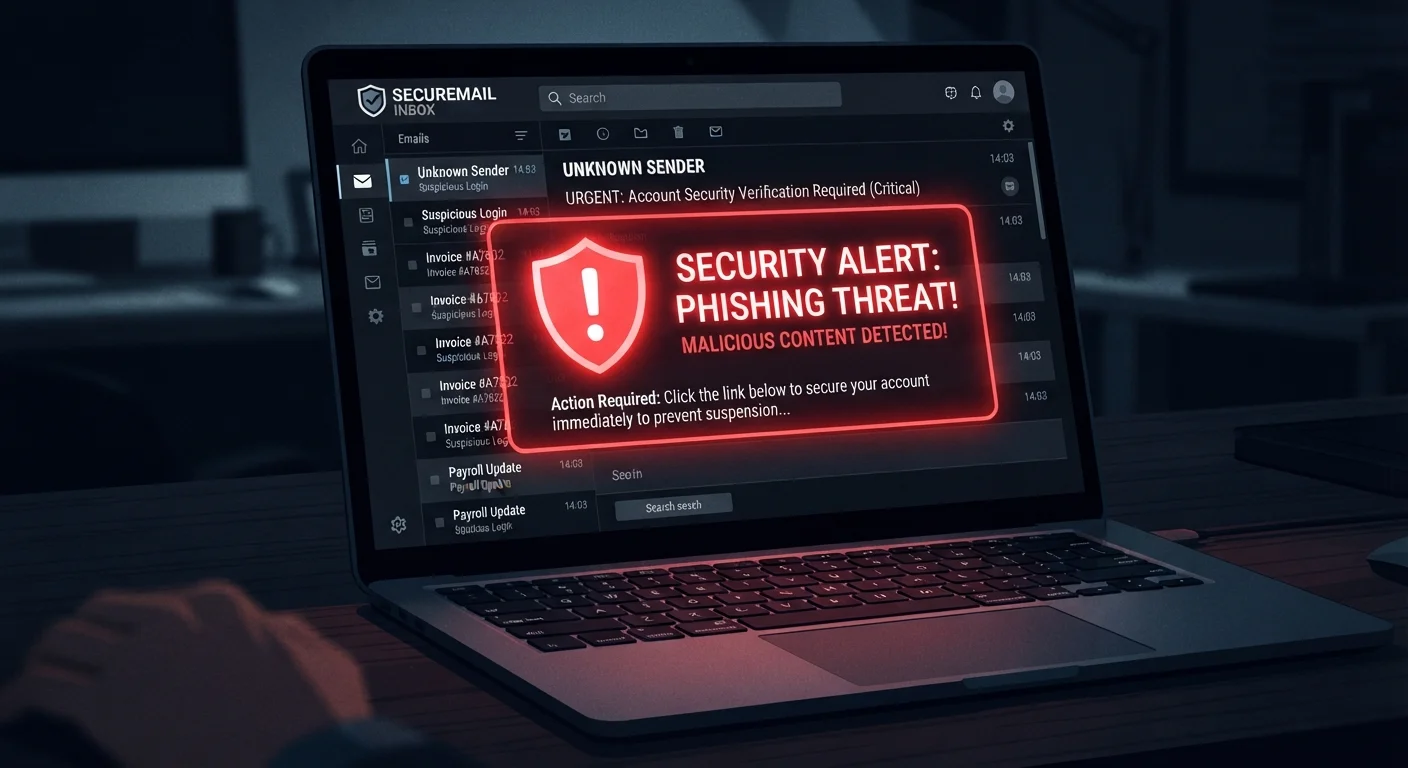
Phishing attacks specifically are engineered to bypass skepticism through visual mimicry and psychological pressure in combination. Even careful, informed people can be caught off guard when both levers are pulled simultaneously.
$10B+
Lost to fraud by US consumers in a single recent year
According to the Federal Trade Commission's Consumer Sentinel Network, reported consumer fraud losses exceeded $10 billion in 2023.
1 in 4
Adults who report losing money to fraud
FTC data consistently shows that a significant share of American adults experience financial loss from scams each year.
Most under-reported
Scam incidents that go unreported
Experts and the FTC note that reported cases represent only a fraction of actual fraud - most victims never file a formal report.
The most reliable counter to emotional manipulation is a deliberate pause. Before responding to any unsolicited communication that involves money, personal information, or account access, take time to verify through an official, independently sourced contact - not a number or link provided in the message itself.
Building Habits That Catch Scams Early
Recognizing warning signs in the moment is useful. Building habits that surface those signs automatically is better. A few practices make a consistent difference:
- Verify independently. When in doubt, hang up or close the message and contact the organization directly using a number from their official website.
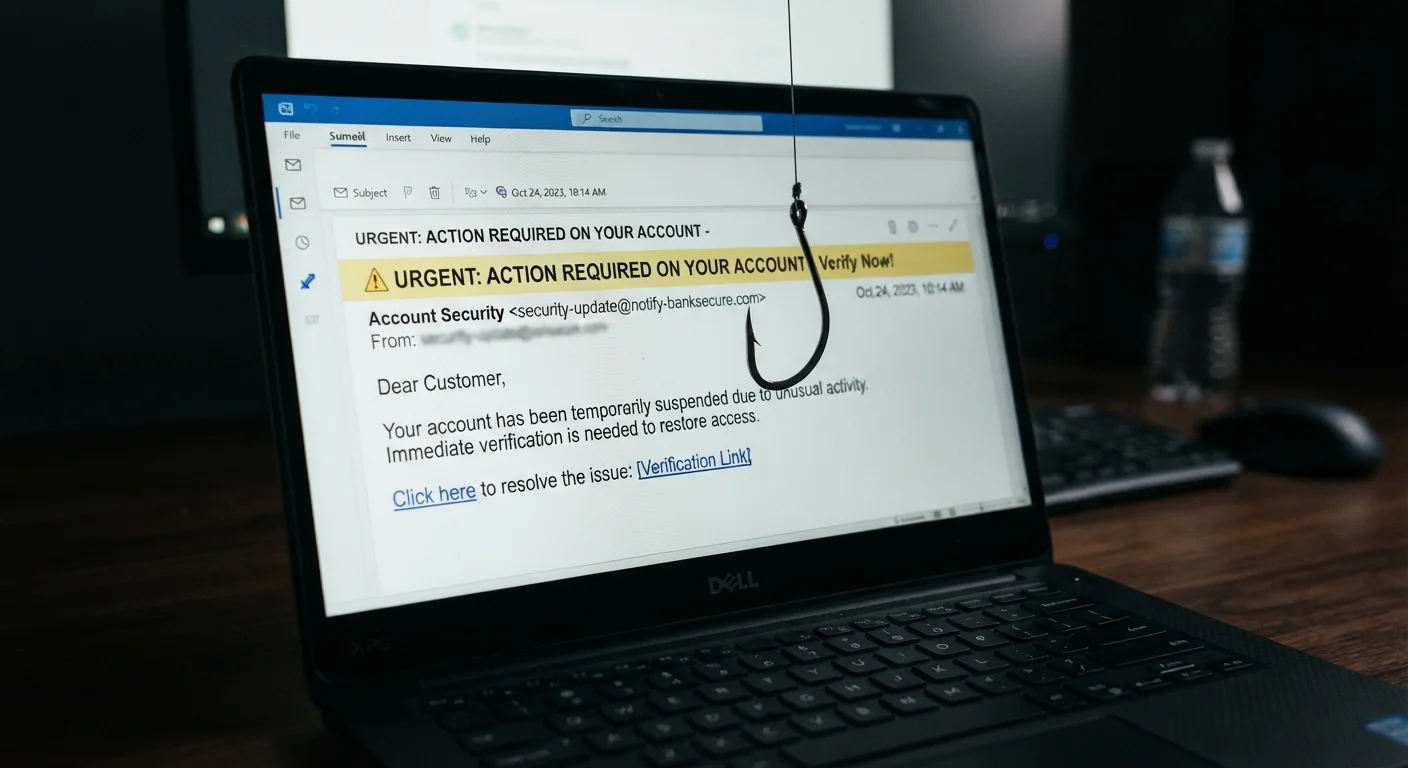
- Slow down before clicking. Hover over links before opening them. Check whether the sender's email address domain matches the organization it claims to represent. Our phishing explainer covers what to look for in detail.
- Talk it through. If an offer or request feels off, describe it to someone you trust before acting. Scammers rely on isolation; bringing in a second perspective often breaks the spell.
- Know where to report. Reporting fraud to the FTC at ReportFraud.ftc.gov, your state attorney general, or your financial institution not only helps you - it creates records that protect others.
For a broader set of proactive steps, our guide to digital safety practices covers what to put in place before anything goes wrong.
This article is for informational and educational purposes only. It does not constitute legal or financial advice. If you believe you have been the victim of fraud, contact your financial institution and report the incident to the appropriate authorities.