Why Shared Homes Are a Different Problem Entirely
Organizing your own space is already a challenge. Organizing a space shared with a partner, roommates, or family members adds an entirely different layer: you're coordinating different habits, different tolerance levels for mess, and different mental models of where things belong.
Most organization advice is written for a single person with full control over their environment. In a shared home, that model breaks down fast. One person's carefully curated system becomes another person's confusing obstacle. Items get put back in the wrong spots - or not put back at all. Resentment quietly builds.
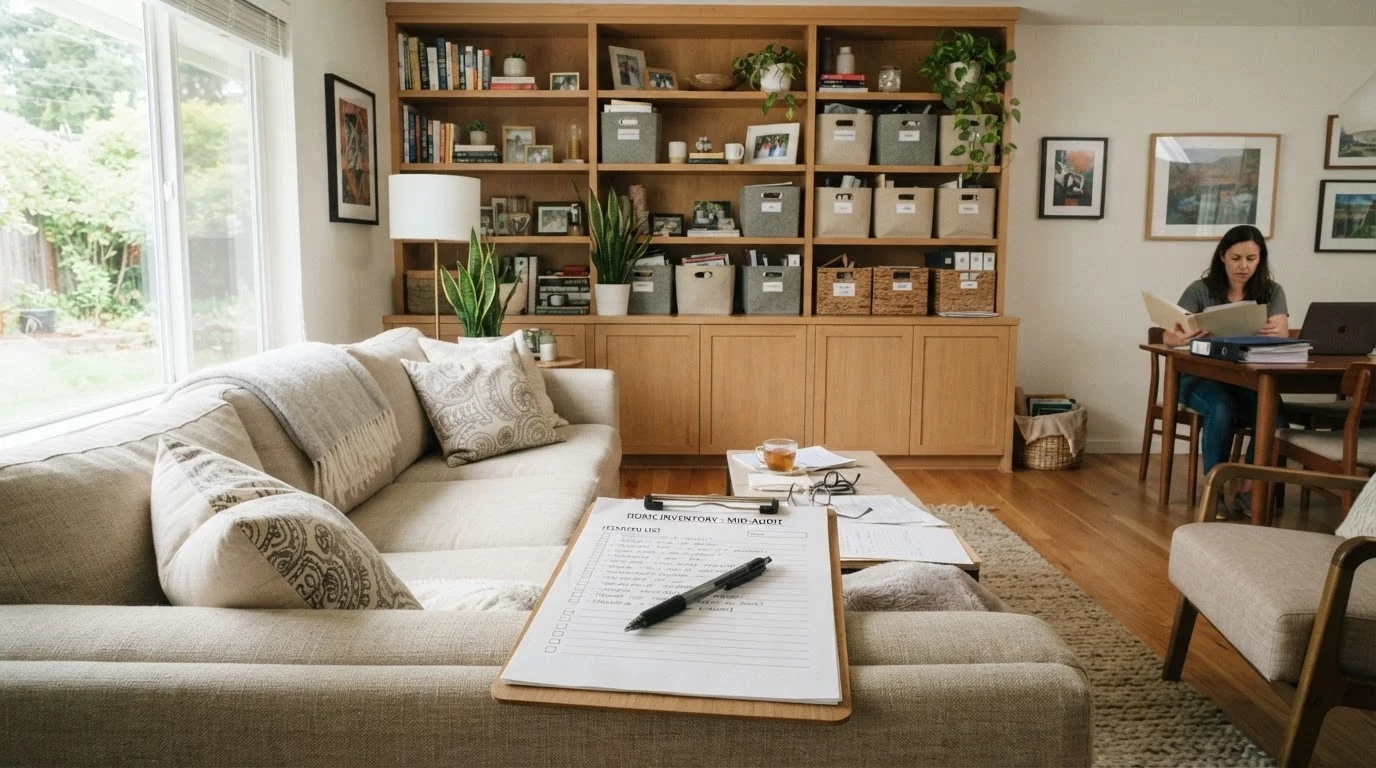
The solution isn't to find a better bin or label maker. It's to design systems that work with the way multiple people actually live, not against it. Before rearranging a single drawer, it helps to do a room-by-room audit to understand where things are genuinely breaking down.
Quick Wins You Can Implement This Week
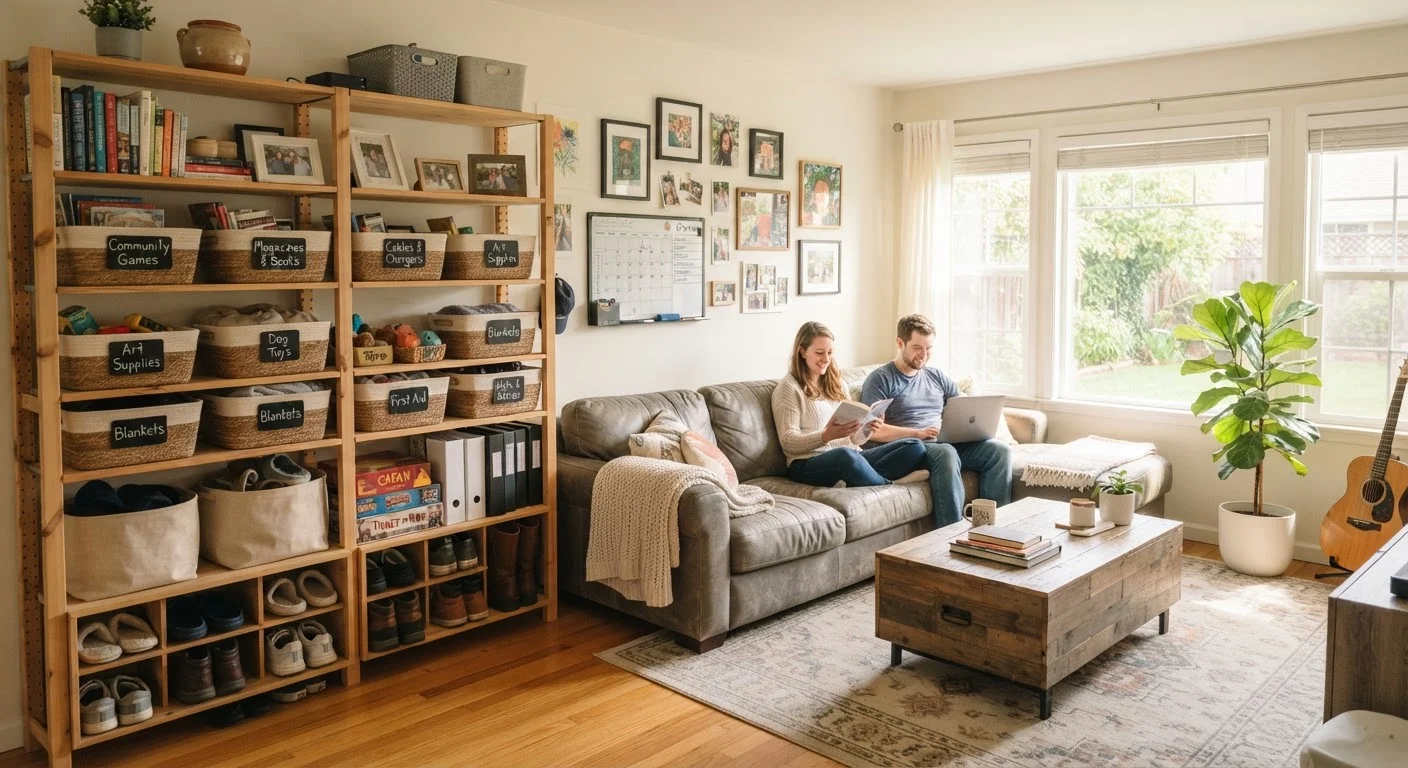
You don't need a full household reorganization to see immediate improvement. A few targeted changes can shift the daily rhythm of a shared home noticeably.
For longer-term clutter prevention, habits like the one-in, one-out rule translate surprisingly well to shared households - especially when everyone agrees to the principle upfront.
Maintaining Momentum Over Time
Even well-designed shared systems drift. People get busy, routines shift, and a pile that was temporary becomes permanent. The households that stay organized aren't the ones that set up the perfect system once - they're the ones that do small course corrections regularly.
It's also worth recognizing that shared living means shared negotiation. If clutter tends to concentrate in specific spots - a kitchen counter, an entryway bench, a hallway floor - those are signals worth paying attention to. Sometimes the fix is a better-placed container; sometimes it's a brief conversation about expectations.
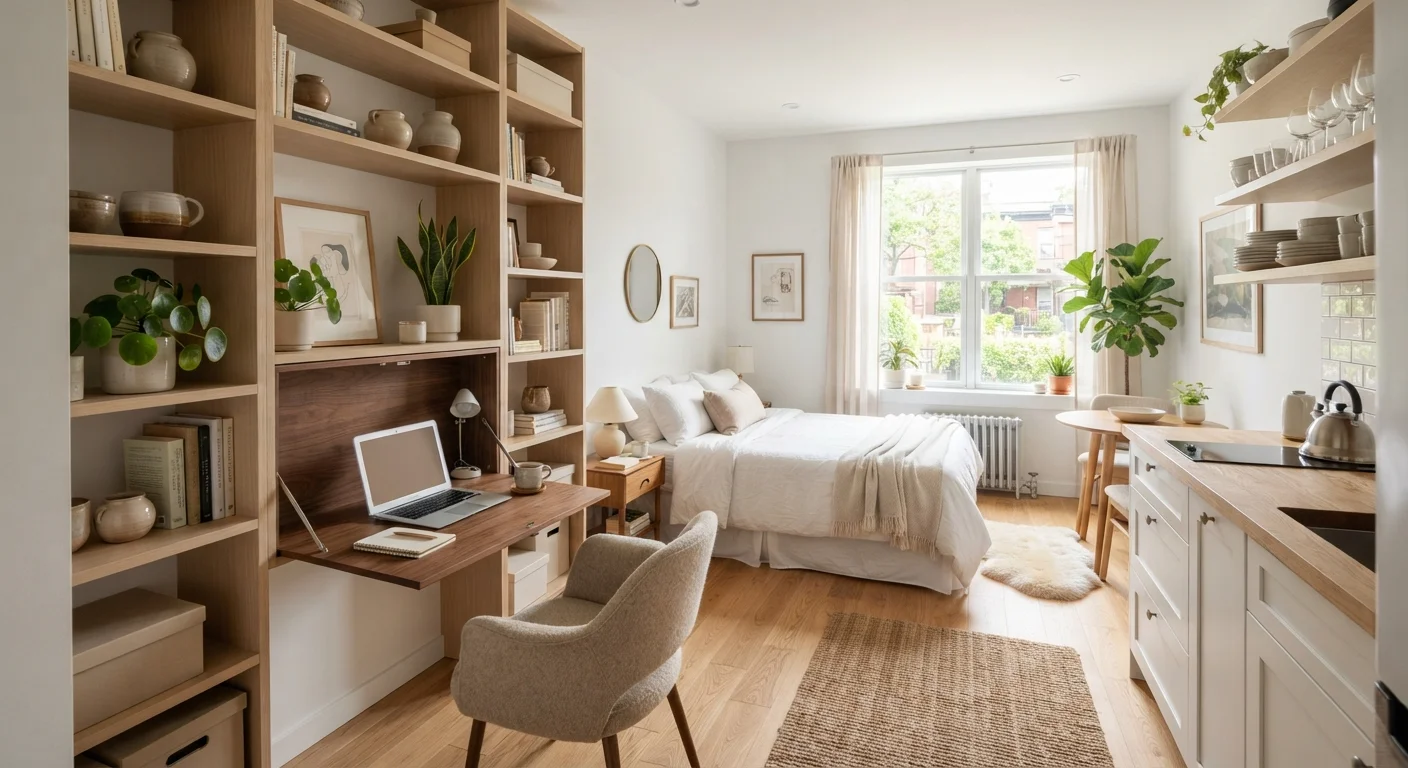
If your home is tight on square footage, the challenge of shared organization is compounded by limited storage. The strategies in our guide on small-space organization apply directly here. And if the bigger issue is accumulated belongings rather than system design, decluttering thoughtfully is a natural companion step that doesn't require minimalism or letting go of things that genuinely matter.
Shared homes are messier by nature - and that's okay. The goal isn't a showroom. It's a home where everyone can find what they need, common areas stay functional, and no one person carries the entire organizational burden alone.