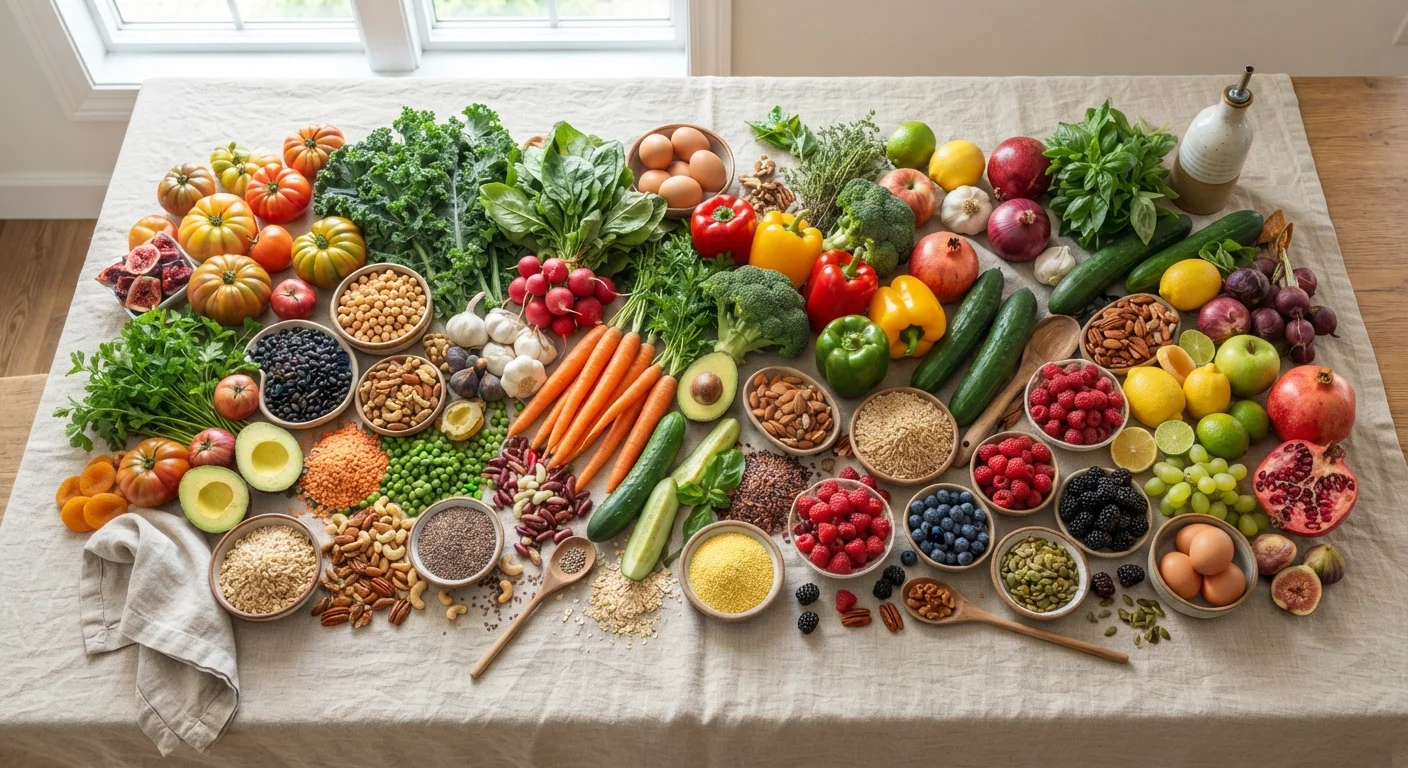

What Dairy Actually Contributes to Your Diet
Before evaluating what you gain or lose by cutting dairy, it helps to understand what dairy delivers. Milk, cheese, and yogurt are among the most nutrient-dense foods in the American food supply. A single cup of cow's milk provides roughly 300 mg of calcium - about a quarter of the daily recommended intake for most adults - along with vitamin D (when fortified), vitamin B12, phosphorus, potassium, and a meaningful amount of high-quality protein.
The USDA Dietary Guidelines for Americans have consistently identified dairy as a primary source of calcium and vitamin D for the general population. These two nutrients are frequently under-consumed, and dairy has historically served as an efficient delivery vehicle for both. This context matters when assessing dairy-free substitutes, because replacing dairy's caloric volume is straightforward - replacing its full micronutrient contribution is more involved.
For a broader look at how protein sources compare across food groups, see our side-by-side protein source guide.
The Potential Benefits of Going Dairy-Free
For a meaningful subset of people, removing dairy addresses genuine physiological issues rather than being a purely lifestyle-driven choice.
Relieves symptoms of lactose intolerance
Adults with lactose intolerance often experience bloating, gas, and discomfort after consuming dairy. Removing it typically eliminates these symptoms directly.
Necessary management for milk protein allergy
A cow's milk protein allergy - distinct from lactose intolerance - requires strict dairy avoidance; for affected individuals, going dairy-free is a medical necessity, not a preference.
Reduces saturated fat intake from high-fat dairy
Full-fat dairy products like butter and cream cheese are significant sources of saturated fat; swapping these for lower-fat plant-based alternatives may support cardiovascular health for some people, depending on overall diet.
Expands dietary diversity through new foods
Adopting a dairy-free approach often encourages exploration of legumes, seeds, leafy greens, and fortified foods that can broaden overall nutrient intake if chosen carefully.
Lactose intolerance - the reduced ability to digest lactose, the sugar in milk - affects a significant portion of adults globally, including many Americans of East Asian, West African, and Indigenous heritage. For these individuals, eliminating dairy can lead to notable improvements in digestive comfort. Similarly, those with a confirmed cow's milk protein allergy have a clear medical reason to avoid dairy entirely.
Beyond these clinical drivers, some people report improved skin clarity or reduced bloating after cutting dairy, though the evidence for these effects in people without a specific intolerance or allergy is more anecdotal than scientific. It's worth distinguishing between what research supports and what circulates in wellness culture - the two don't always align.
The Nutritional Trade-Offs to Take Seriously
Removing dairy without deliberate substitution creates real nutritional gaps for many people. The nutrients most at risk are calcium, vitamin D, iodine, and - depending on overall diet - vitamin B12.
Calcium intake can drop significantly
Dairy supplies roughly 70% of the calcium in a typical American diet. Without deliberate substitution through fortified foods or calcium-rich plant sources, daily intake can fall well short of recommended levels.
Vitamin D gaps become harder to fill
Most cow's milk in the U.S. is fortified with vitamin D, and few foods naturally contain meaningful amounts. Dairy-free eaters must rely on fortified alternatives, sunlight exposure, or supplementation to meet their needs.
Iodine intake may fall below adequate levels
Dairy is a key iodine source in the American diet, and most plant-based milks are not fortified with iodine. This is a commonly overlooked gap that can affect thyroid function over time.
Plant-based substitutes are not nutritionally equal
Many dairy-free cheeses, yogurts, and milks are significantly lower in protein and micronutrients than the dairy products they replace, making label-reading and intentional selection essential.
Can increase food costs and planning demands
Fortified specialty plant-based products often cost more than conventional dairy, and building a nutritionally complete dairy-free diet requires more deliberate meal planning than simply removing dairy without substitution.
Special Populations: Extra Caution Required
Children, pregnant individuals, and older adults have elevated calcium and vitamin D requirements that make dairy removal particularly consequential. Bone development in children and adolescents depends heavily on adequate calcium intake during key growth windows. If you are considering a dairy-free diet for a child or during pregnancy, consulting a registered dietitian or pediatrician is strongly recommended before making changes.
Calcium is particularly important to address because bone density losses from chronically low intake are largely silent until a fracture or diagnosis occurs. Adults generally need 1,000-1,200 mg of calcium daily depending on age and sex, according to the NIH Office of Dietary Supplements. Plant sources such as fortified tofu, white beans, bok choy, and almonds can contribute meaningfully, but portion-for-portion they often deliver less absorbable calcium than dairy.
Iodine is a commonly overlooked issue with dairy-free diets. Dairy is one of the main iodine sources in the American diet - an important consideration since many plant-based alternatives are not fortified with iodine. People replacing dairy with non-dairy milks should check labels carefully and consider whether their overall iodine intake is adequate, particularly if they also avoid iodized salt.
For a wider look at how plant-based eating compares nutritionally to omnivorous patterns, this nutritional trade-offs overview covers the topic in depth.
Navigating Dairy-Free Substitutes
The dairy-free market has expanded considerably, and plant-based milks, cheeses, and yogurts are now widely available. However, not all substitutes are nutritionally equivalent to the products they replace.
~65%
Adults with some degree of lactose malabsorption
According to the NIH National Library of Medicine, approximately 65% of people globally develop reduced ability to digest lactose after infancy, though tolerance levels vary widely.
300 mg
Calcium in one cup of cow's milk
The NIH Office of Dietary Supplements notes that one cup of cow's milk provides roughly 300 mg of calcium, about 23% of the daily value for most adults.
~1 in 10
U.S. adults meeting vitamin D recommendations
Research has consistently found that vitamin D insufficiency is common in the U.S., and dairy-free eaters face added risk if fortified alternatives are not consumed regularly.
Plant-based milks: Fortified soy milk is generally the closest nutritional match to cow's milk among plant-based options, offering comparable protein levels and often similar calcium and vitamin D through fortification. Oat, almond, rice, and coconut milks tend to be lower in protein and may vary significantly in their calcium and vitamin D content. Always read the nutrition facts panel - the difference between fortified and unfortified versions of the same product can be substantial.
Dairy-free cheeses and yogurts: These vary widely in protein, fat, and micronutrient content. Many are made primarily from coconut oil or starch and may not offer the protein or calcium of their dairy counterparts. Dairy-free yogurts made from soy or pea protein tend to be better protein sources than those made from nuts or coconut.
If you're navigating a broader dietary shift, understanding the distinctions between plant-based, vegan, and vegetarian patterns can provide useful framing for your choices.
This article is for general informational and educational purposes only and is not a substitute for personalized medical or dietary advice. Consult a registered dietitian or qualified healthcare professional before making significant changes to your diet, particularly if you have a health condition or specific nutritional concerns.