What Mood-Tracking Apps Actually Do
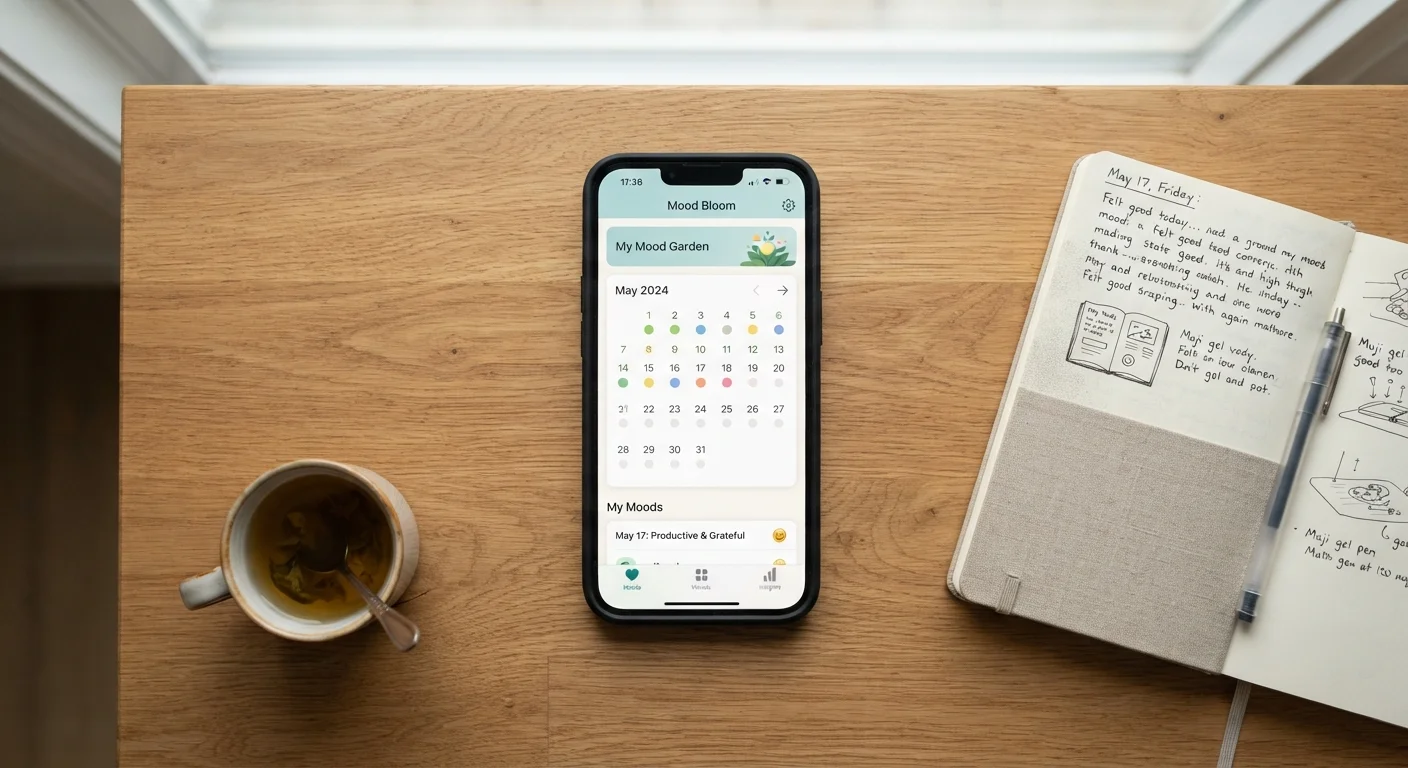
Mood-tracking apps invite users to log how they feel at regular intervals - often once or twice a day - using scales, emoji, color codes, or short written notes. Many apps layer in additional inputs like sleep quality, energy level, or recent activities, then visualize the data as charts or calendars over time.
The appeal is straightforward: emotions are fleeting and memory is unreliable. An app creates a running record that your brain simply can't. Whether that record translates into meaningful insight depends largely on how honestly and consistently you use it - and what you do with what you find.
It's worth being clear upfront: these are general wellness tools, not clinical instruments. They cannot diagnose conditions, predict crises, or replace evaluation by a qualified mental health professional. Think of them as a structured form of self-reflection, similar to journaling, but with built-in prompts and visual feedback.
The Real Advantages of Logging Your Mood
For many people, the most valuable thing an app provides is a mirror. When you can scroll back through 30 days of entries, patterns that felt invisible become obvious - particular days of the week that consistently feel harder, or weeks when sleep dipped and mood followed.
Reveals emotional patterns invisible to memory alone
A rolling log makes it easier to spot recurring triggers, low-energy days, or correlations between habits and mood that would otherwise go unnoticed.
Builds consistent self-reflection as a daily habit
Brief daily check-ins lower the effort barrier compared to journaling, making regular emotional awareness more sustainable for busy people.
Can inform conversations with a therapist or doctor
A documented mood history gives clinicians concrete data to work with, making sessions more productive than relying on recalled impressions.
Visualizes progress during challenging periods
Charts and calendars can show gradual improvement that feels imperceptible day to day, providing meaningful encouragement during recovery or adjustment periods.
Encourages connection between lifestyle choices and wellbeing
Apps that log sleep, activity, or diet alongside mood help users draw connections between behaviors and emotional states, supporting more intentional choices.
That kind of pattern recognition connects directly to what research on emotional wellbeing consistently emphasizes: small, recurring habits shape how we feel far more than one-off events. If you want to understand those connections better, exploring how daily habits quietly shape your mood can provide useful context alongside your app data.
Apps also lower the barrier to self-reflection. A 10-second log before bed is far more sustainable for most people than a lengthy journaling session, making this one of the more accessible mental wellness habits available.
~1 in 5
U.S. adults experiencing a mental health condition annually
According to the National Institute of Mental Health, roughly one in five American adults lives with a mental illness in any given year, underscoring broad demand for accessible wellness tools.
10,000+
Mental health apps available in major app stores
Research published in health informatics journals has noted the rapid expansion of the mental health app market, though evidence for efficacy varies considerably across apps.
The Drawbacks Worth Taking Seriously
The same features that make mood apps appealing can become problems with overuse or misuse. Checking your mood score multiple times a day can shift focus from living your life to evaluating it - a subtle but meaningful difference.
Can encourage over-monitoring and self-scrutiny
Frequent mood checks can shift attention toward evaluating emotions rather than experiencing them, which some researchers associate with increased rumination.
Emotional data raises significant privacy concerns
Many apps store sensitive personal information on external servers, and privacy policies vary widely on whether data is shared with or sold to third parties.
Risk of mistaking app scores for clinical insight
Mood ratings are self-reported and unvalidated; treating them as diagnostic measures can create false confidence or unnecessary alarm about one's mental health.
Logging fatigue can undermine consistency
Initial enthusiasm often fades within weeks, and inconsistent data is less useful - yet gaps in the record can themselves feel like a source of failure.
Subscription costs add up for premium features
Many apps reserve their most useful analytics behind paywalls, adding ongoing expense to what began as a simple wellness habit.
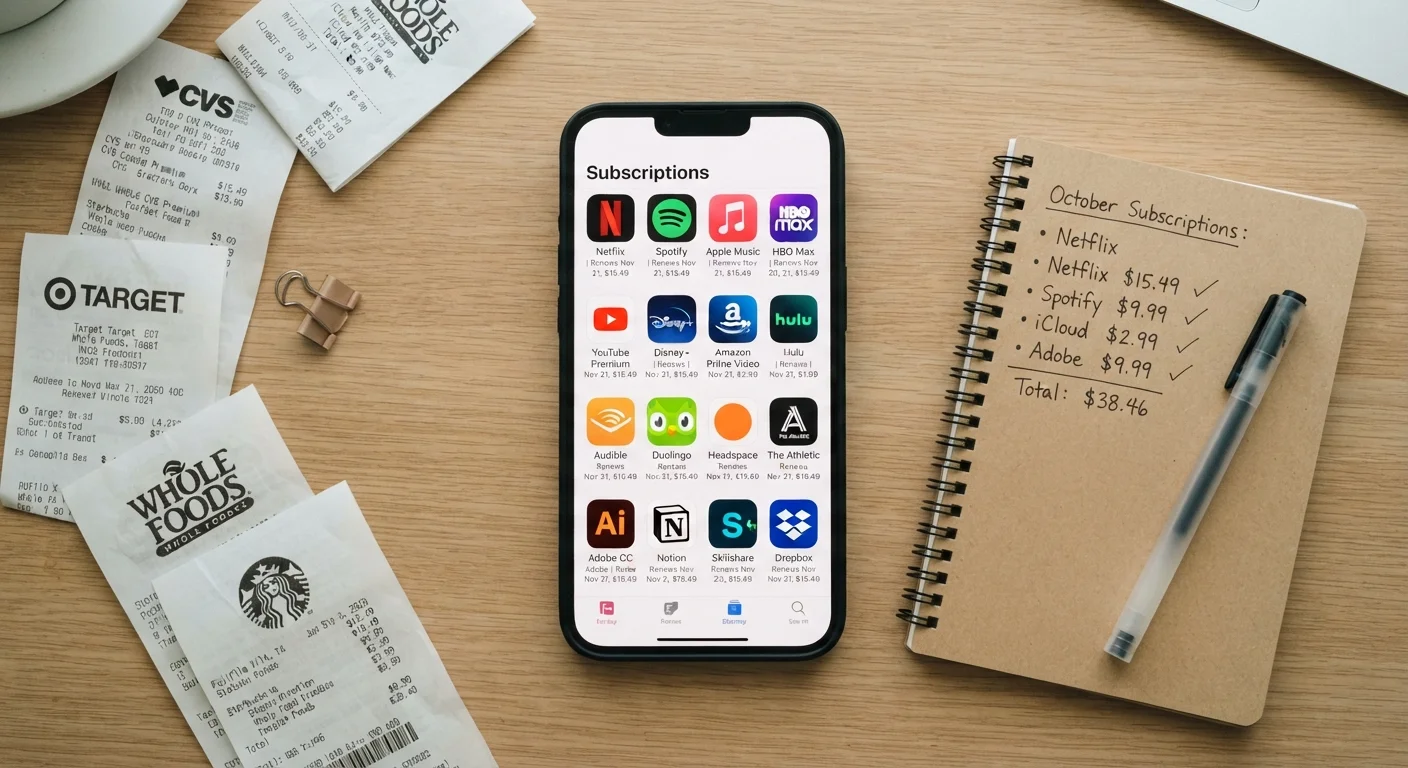
Privacy is also a legitimate concern. Emotional data is among the most sensitive information a person can share. Before committing to any app, it's worth reading its privacy policy carefully to understand how your entries are stored, whether they are sold to third parties, and what happens to your data if you delete the app. If subscription costs are a factor, consider whether this app genuinely earns its place - auditing your app subscriptions periodically is a sound habit.
How to Use Mood Tracking Without Overdoing It
The most effective approach treats mood tracking as one element of a broader wellness practice rather than the centerpiece. Log once daily at a consistent time, review weekly rather than obsessively, and use what you notice to make one or two small adjustments - not to judge yourself.
Mood Apps Are Not a Crisis Resource
If you are experiencing a mental health crisis, persistent distress, or thoughts of self-harm, a mood-tracking app is not an appropriate response. Please contact a qualified mental health professional, call the 988 Suicide and Crisis Lifeline (call or text 988 in the U.S.), or go to your nearest emergency room. Apps are wellness tools for everyday reflection - not emergency support systems.
If you find the app creates more anxiety than clarity, that's a signal worth heeding. A low-tech alternative - a simple grounding check-in that requires no device at all - can offer the same reflective value. A grounding check-in you can do anywhere is one practical option worth exploring.
For those building a more complete mental wellness routine, mood tracking fits naturally alongside practices like consistent sleep, movement, and stress awareness. Building a personal mental wellness routine offers a broader framework for pulling these habits together sustainably.
This article is for general informational purposes only and is not a substitute for professional mental health advice, diagnosis, or treatment. If you have concerns about your mental health, please consult a qualified healthcare professional.