Why Communication Breaks Down on Job Sites
Most renovation disputes don't start with bad intentions - they start with assumptions. A contractor assumes a finish detail is standard. A homeowner assumes a verbal conversation locked in a decision. Neither writes it down, and weeks later the gap becomes a conflict.
Active renovations compress timelines and involve multiple trades, moving materials, and daily decisions. Without a deliberate communication structure, important information gets lost in the noise. Before your project begins, it's worth reviewing key readiness questions that set the foundation for a smoother working relationship.
Communication Starts Before Day One
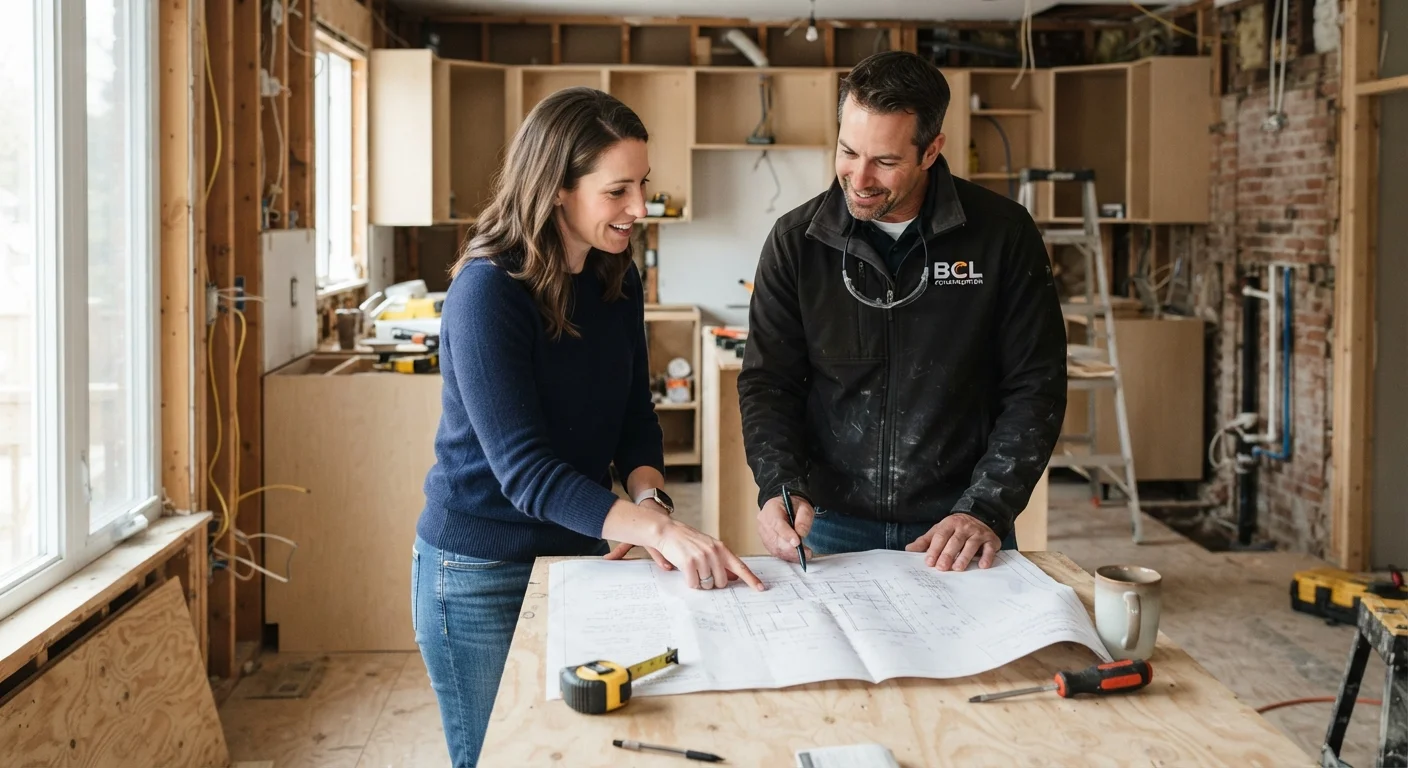
The habits you establish before the first tool is picked up set the tone for the entire project. Review your contract together, confirm who the day-to-day point of contact is on the contractor's team, and agree on how decisions will be logged. If you're still in the planning phase, our guide on hiring a contractor vs. doing it yourself can help you evaluate the right approach before committing.
Best Practices for Staying Aligned
The practices below reflect what experienced homeowners and contractors consistently identify as effective. They don't require a construction background - just consistency and follow-through.
Designate one primary communication channel and stick to it
Splitting conversations across text, email, phone calls, and in-person chats creates fragmented records and increases the chance that something gets missed. A single channel - typically email or a shared project app - creates a traceable log both parties can reference.
Hold a brief weekly check-in at a consistent time
Waiting for problems to surface organically means they often surface too late to address cheaply. A short weekly touchpoint - even 15 minutes - gives both parties a scheduled opportunity to flag concerns, confirm upcoming work, and review the week's progress.
Put every scope change in writing before work proceeds
Verbal agreements about changes are the single most common source of renovation disputes. A written change order - even a simple email confirmation - creates shared accountability and prevents 'I thought you meant' misunderstandings.
Ask clarifying questions rather than making assumptions
Homeowners often hesitate to ask questions for fear of appearing uninformed. In practice, a quick clarifying question is far less costly than a misunderstood specification discovered after installation.
Document site conditions and completed work with photos
A photo record of conditions before, during, and after each phase creates an objective reference point for any future questions about what was done and in what state. This protects both the homeowner and the contractor.
Respect the contractor's process while staying informed
Contractors work more efficiently when homeowners communicate concerns through agreed channels rather than stopping workers mid-task. Knowing when to escalate versus when to wait for the next check-in reduces friction and keeps the job moving.
Quick Actions You Can Take Right Now
If your renovation is already underway, it's not too late to reset communication habits. These steps can be implemented immediately.
For complex projects like kitchen remodels, structured communication is especially important. See our room-by-room renovation planning guide for how to coordinate sequencing and trades effectively.
Managing Changes and Surprises Mid-Project
Even well-planned renovations encounter surprises - hidden water damage, discontinued materials, or permit requirements that shift the schedule. How you handle these moments determines whether small issues stay small.
Use a Simple Decision Log
Keep a running document - even a basic notes app entry - where you record every decision made during the project: what was decided, when, and by whom. This doesn't need to be formal. A brief entry like 'April 4 - agreed to switch to matte finish on kitchen cabinets, contractor to confirm cost impact by Friday' is enough. Over the course of a multi-week project, this log becomes invaluable if questions arise about what was approved.
Whenever a change affects scope, cost, or timeline, request a written change order before work proceeds. A change order is simply a documented amendment to the original contract - it protects both parties and prevents disputes about what was agreed. Avoid approving verbal scope changes on the spot; ask for a written summary and a revised cost estimate first.
It's also worth understanding how your renovation may interact with your homeowner's insurance. Our article on the renovation vs. repair insurance distinction explains how insurers typically treat different types of work.
~35%
Renovation projects that exceed original budget
Industry estimates from construction research suggest roughly a third of residential renovation projects exceed their initial budget, often due to scope changes and unforeseen conditions.
66%
Disputes traced to communication failures
Construction industry research consistently points to poor communication - not technical failures - as the leading cause of contractor-client disputes on residential projects.
Finally, know your role. Homeowners who micromanage daily trade decisions can inadvertently slow work and create liability confusion. Your job is to make decisions when asked, document agreements, and flag concerns promptly - not to direct the crew. That boundary, maintained respectfully, makes for a healthier job site and a better outcome.