Why Maintenance Matters More Than Most Buyers Expect
Buying a home is a significant milestone - and it comes with a responsibility most first-time buyers underestimate: ongoing maintenance. Unlike renting, where repairs fall to a landlord, homeownership means you are responsible for everything from a dripping faucet to a failing roof.
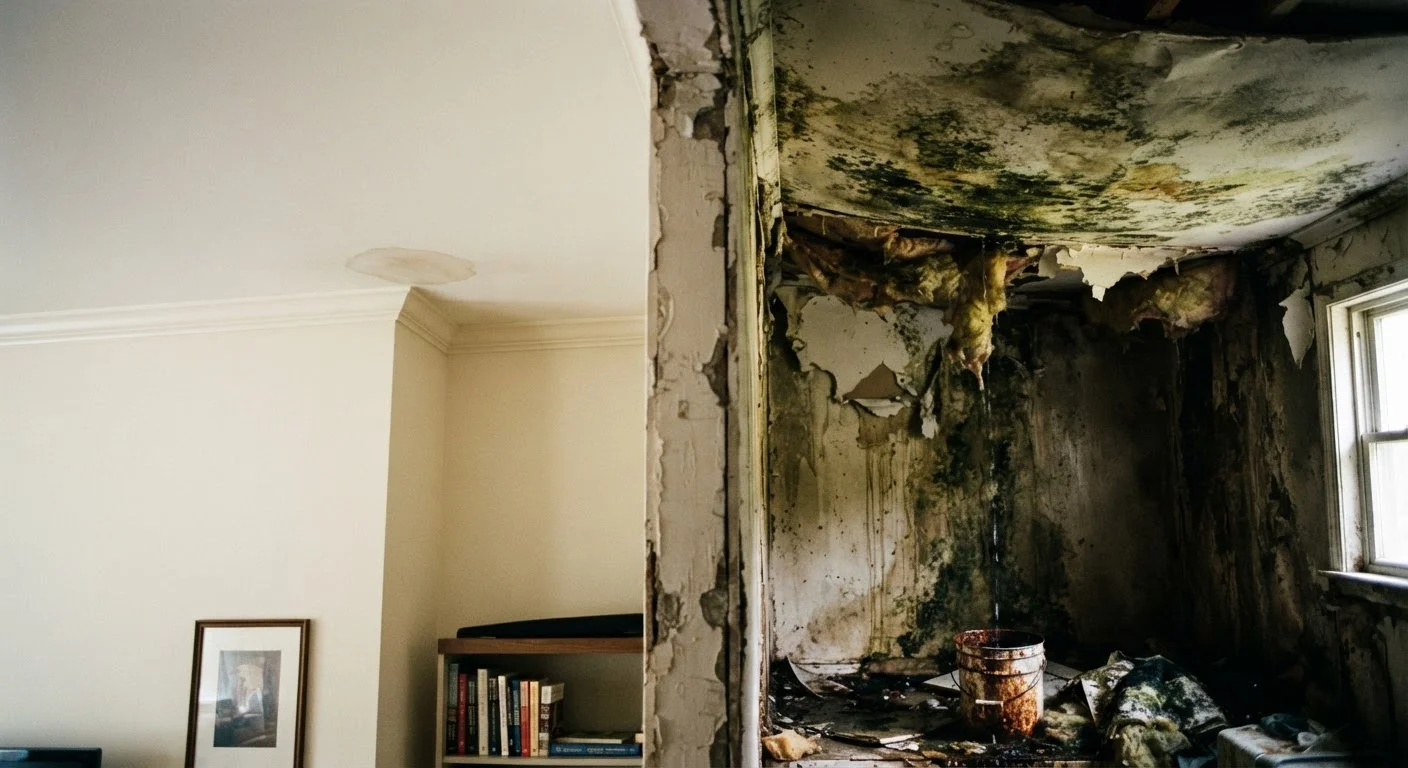
The good news is that consistent, routine upkeep is far less expensive than reactive repairs. A small roof leak addressed early costs a fraction of what water damage to ceilings, insulation, and framing will cost if left unattended. As our article on deferred maintenance explains, neglected minor issues rarely stay minor for long.
Think of home maintenance less as a chore and more as a system: regular, modest effort that keeps the larger investment functioning and retaining its value over time.
Don't Skip Your Home Inspection Report
If you received a home inspection report before purchase, read it carefully and keep it. Inspectors flag items ranging from minor maintenance needs to significant concerns. Prioritize any items marked as safety hazards or in need of near-term attention - these are your starting point, not background reading.
Learn Your Home's Core Systems First
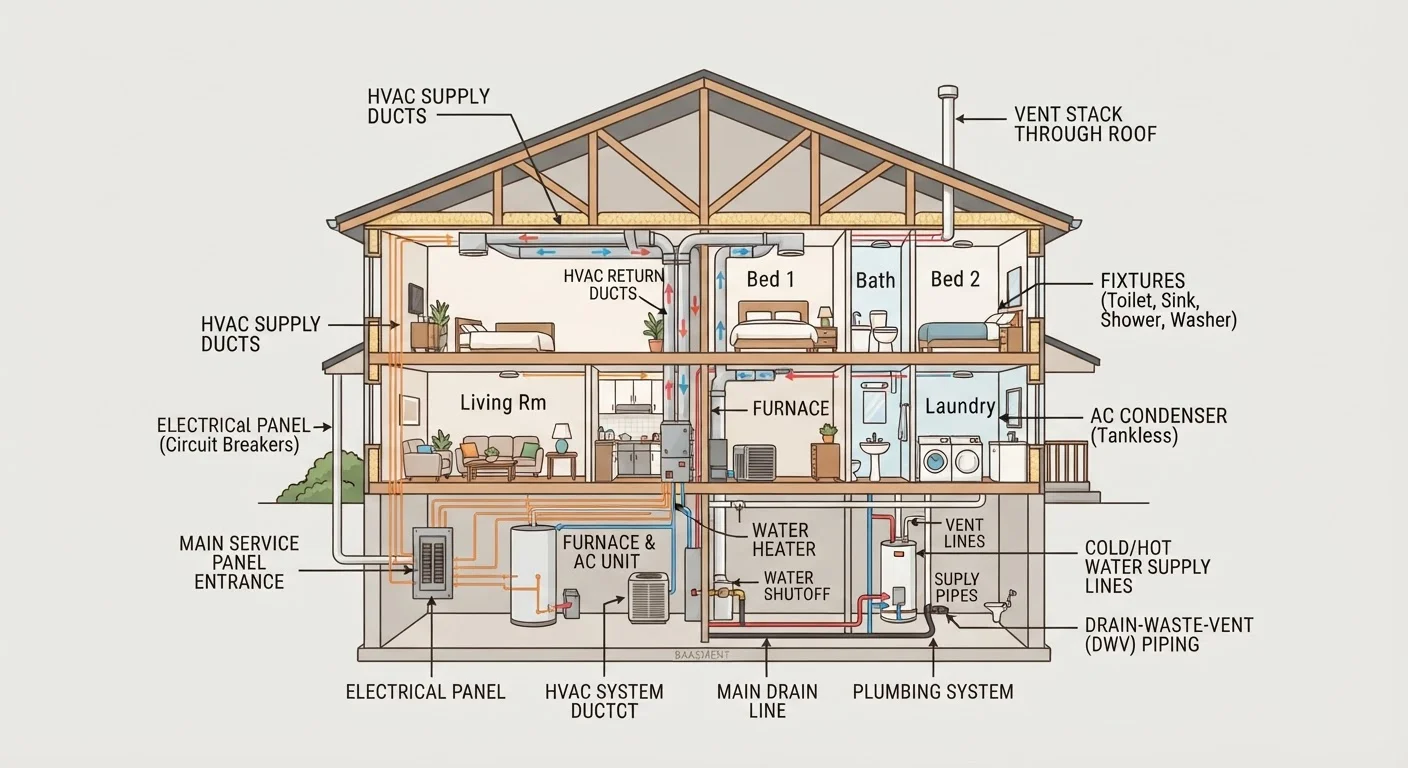
Before you tackle any task, take time to understand the basic systems that keep your home running. At minimum, every homeowner should be able to locate and operate:
- Main water shutoff valve - usually near where the water line enters the home. Knowing this location can prevent significant water damage if a pipe bursts.
- Electrical panel - the metal box containing circuit breakers. Familiarity here lets you safely reset a tripped breaker and understand what each circuit powers.
- HVAC system controls - your thermostat, filter access points, and any zone valves if your home has multiple heating or cooling zones.
- Gas shutoff - if your home uses natural gas, know where the main shutoff is and what it controls.
Our plain-language reference to your home's main systems walks through each of these in detail, including what to look for and when to call a professional.
Circuit breaker
A safety switch inside your electrical panel that automatically cuts power to a circuit when it detects an overload. You can reset it manually by flipping it back to the 'on' position.
HVAC
Stands for Heating, Ventilation, and Air Conditioning - the combined system that controls your home's temperature and air circulation.
Water shutoff valve
A valve that, when turned, stops water from flowing into your home. Knowing its location lets you quickly stop water damage in an emergency.
Deferred maintenance
Repairs or upkeep tasks that have been postponed. Over time, deferred maintenance tends to make problems worse and more expensive to fix.
Caulking
A flexible sealant applied around joints and gaps - such as around windows, tubs, or exterior penetrations - to prevent water infiltration and drafts.
Weatherstripping
Strips of material applied around door and window frames to seal gaps, improving energy efficiency and keeping out moisture and pests.
Essential Tasks for Your First Year
Your first year of homeownership is the right time to establish baseline habits and catch any issues that weren't apparent during your home inspection. Prioritize these foundational tasks:
- Change all exterior locks. You don't know how many copies of previous keys exist.
- Test smoke and carbon monoxide detectors. Replace batteries immediately and note detector age - units older than 10 years should be replaced.
- Replace HVAC filters. A clean filter protects equipment and maintains air quality. Check monthly; replace every 1-3 months.
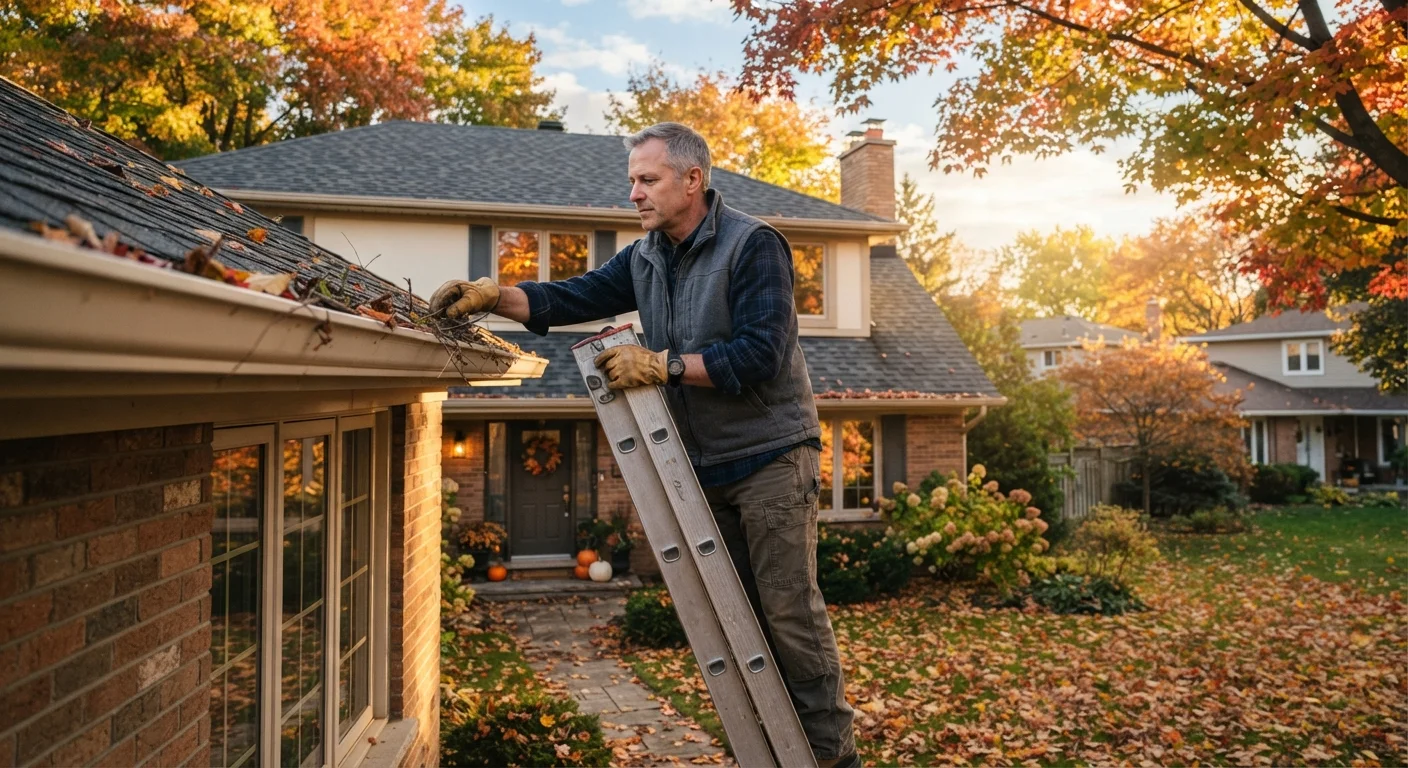
- Inspect and clean gutters. Clogged gutters cause water to back up against your roof and foundation. Clean them at least twice a year.
- Check caulking and weatherstripping. Gaps around windows, doors, and exterior penetrations let in moisture and drive up energy bills.
- Flush the water heater. Sediment builds up in tank-style water heaters over time. Annual flushing helps maintain efficiency and extend the unit's life.
For a full season-by-season breakdown, see our guide to seasonal home maintenance. And if you're facing a colder climate, preparing your home for winter storms covers important cold-weather preparation steps.
Start a Home Maintenance Log Today
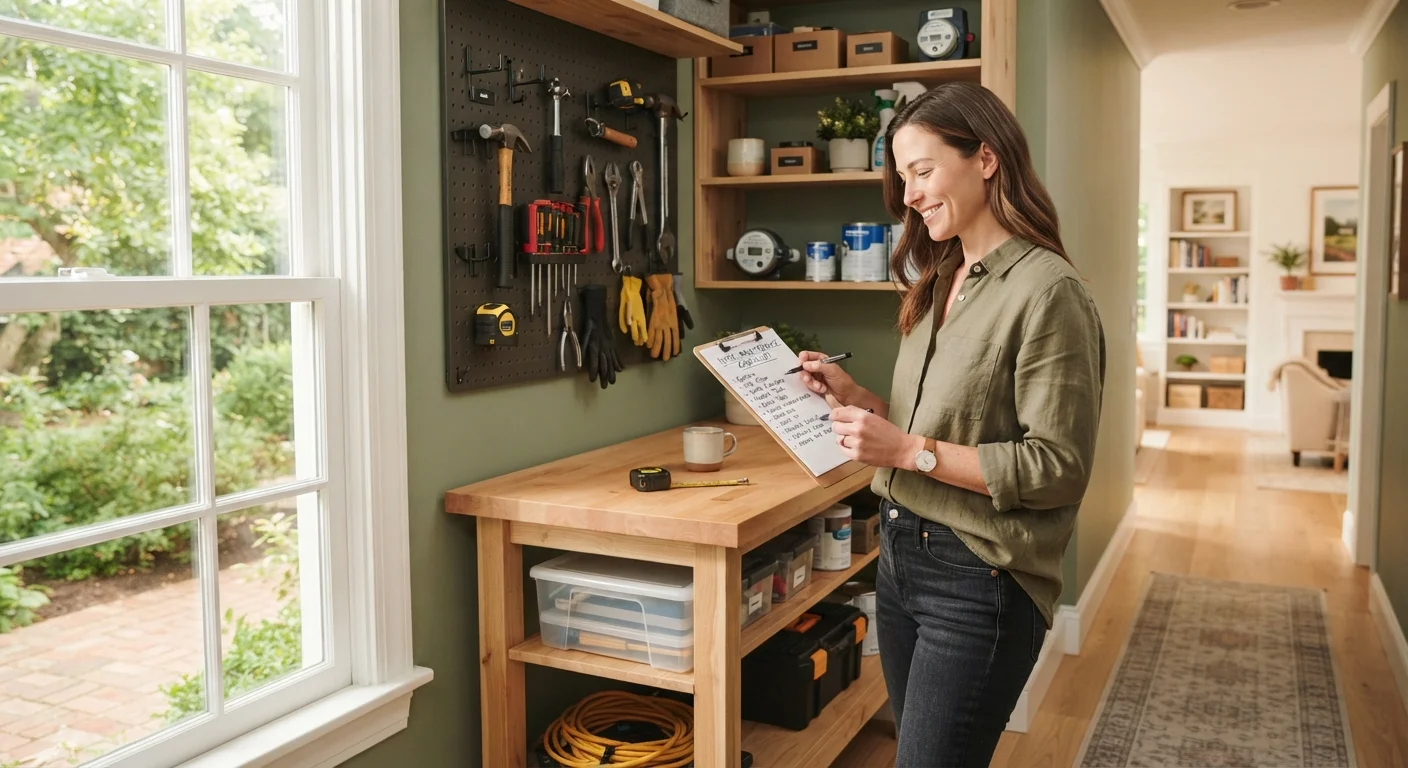
A simple notebook or spreadsheet works fine. Record the date, what you inspected or repaired, and any product details like model numbers or paint colors. Over time, this log becomes an invaluable record - useful for warranty claims, contractor consultations, and future home sales.
Building a Maintenance Habit That Sticks
The homeowners who avoid expensive surprises aren't necessarily more skilled - they're more consistent. Two simple tools make consistency easier:
A home maintenance log. Keep a running record of every repair, inspection, appliance purchase, and contractor visit. Note the date, what was done, and any warranty or product information. This log is also invaluable when you eventually sell the home.
A seasonal checklist. Divide tasks into spring, summer, fall, and winter categories. Tie maintenance to something predictable - changing the clocks, for example, is a common reminder to also test smoke detectors and check fire extinguisher pressure.
It's also worth separating fact from fiction as you settle into ownership. Common misconceptions about what needs maintenance (and how often) can lead to unnecessary spending or false confidence. Our article on home maintenance myths addresses several of the most persistent ones.
Know When to DIY and When to Call a Pro
One of the most important skills a homeowner develops is honest self-assessment. Many basic repairs - patching small drywall holes, caulking a tub, replacing a showerhead, or swapping out a light fixture - are genuinely manageable for someone with basic tools and patience.
Others are not. Work involving your electrical panel, gas lines, structural elements, roofing systems, or main plumbing connections typically requires a licensed contractor. In many jurisdictions, this work also requires a permit and inspection. Skipping that process isn't just risky - it can create legal and insurance complications when you sell.
Our guide to DIY repairs vs. work that needs a pro offers a practical framework for making that call. And if you're eventually thinking about larger renovations, what to assess before a major renovation is worth reading before any plans are made.
Starting with realistic expectations - and building your knowledge incrementally - is how first-time homeowners become confident, capable ones.
This article is for general informational purposes only and does not constitute professional legal, financial, or contracting advice. Always verify local permit requirements and consult licensed professionals for regulated or hazardous work.