Why Home Maintenance Myths Are So Persistent
Home maintenance advice gets passed down through generations, shared at neighborhood cookouts, and repeated online until it feels like established fact. The trouble is that some of the most widely repeated tips are either outdated, oversimplified, or just plain wrong - and acting on bad information can turn a minor task into a major repair bill.
This article breaks down six of the most common home maintenance myths, explains what the evidence actually shows, and tells you what to do instead. For a broader foundation, see our introduction to home maintenance for first-time homeowners.
Myth
Popcorn ceilings always contain asbestos and must be handled as hazardous material.
Fact
Asbestos was used in some popcorn ceiling textures applied before roughly 1978, but many do not contain it. Testing is the only way to know.
The ban on asbestos-containing ceiling texture products dates to the late 1970s, but homes built or renovated after that period can still have popcorn ceilings made from entirely asbestos-free materials. Assuming the worst without testing leads homeowners either to pay for unnecessary abatement or, worse, to avoid the ceiling entirely and leave it unaddressed.
If your home was built before 1980, have a sample tested by a certified asbestos inspector before any scraping or removal. If the test is negative, removal becomes a straightforward - if messy - DIY project for many homeowners. If positive, licensed abatement professionals handle it safely.
Myth
WD-40 is the go-to fix for squeaky hinges and sticky locks around the house.
Fact
WD-40 is primarily a water displacer and light solvent - not a long-term lubricant. Using it on hinges or locks can attract dirt and cause faster wear.
The product name stands for "Water Displacement, 40th formula" - a clue about its intended function. It's excellent for loosening rusted bolts or displacing moisture after a water intrusion. But for hinges, it evaporates quickly and leaves a residue that collects dust and grime, often making the squeak worse within weeks.
For door hinges, a dry silicone spray or white lithium grease provides lasting lubrication without attracting debris. For locks, a graphite-based lubricant is the standard recommendation. Using the right product once beats repeated applications of the wrong one.
Myth
You only need to clean gutters if large trees hang directly over your roof.
Fact
Wind carries seeds, shingle grit, and organic debris from well beyond your property line. Any gutter can clog regardless of nearby tree coverage.
Gutters on homes with no overhanging trees still collect roof granules from aging shingles, blown leaves, seed pods, and bird debris. A single clogged downspout is enough to cause water to back up under roofing material or pool against your foundation.
Most maintenance guidance recommends cleaning gutters at least twice a year - typically in late spring and late fall - regardless of tree coverage. Homes near heavily wooded areas may need more frequent attention. For more detail on what gutters actually protect, see our overview on why gutters matter more than you think.
Myth
Painting over a small area of mold on an interior wall solves the problem.
Fact
Paint covers mold visually but does not kill it or stop it from spreading beneath the surface.
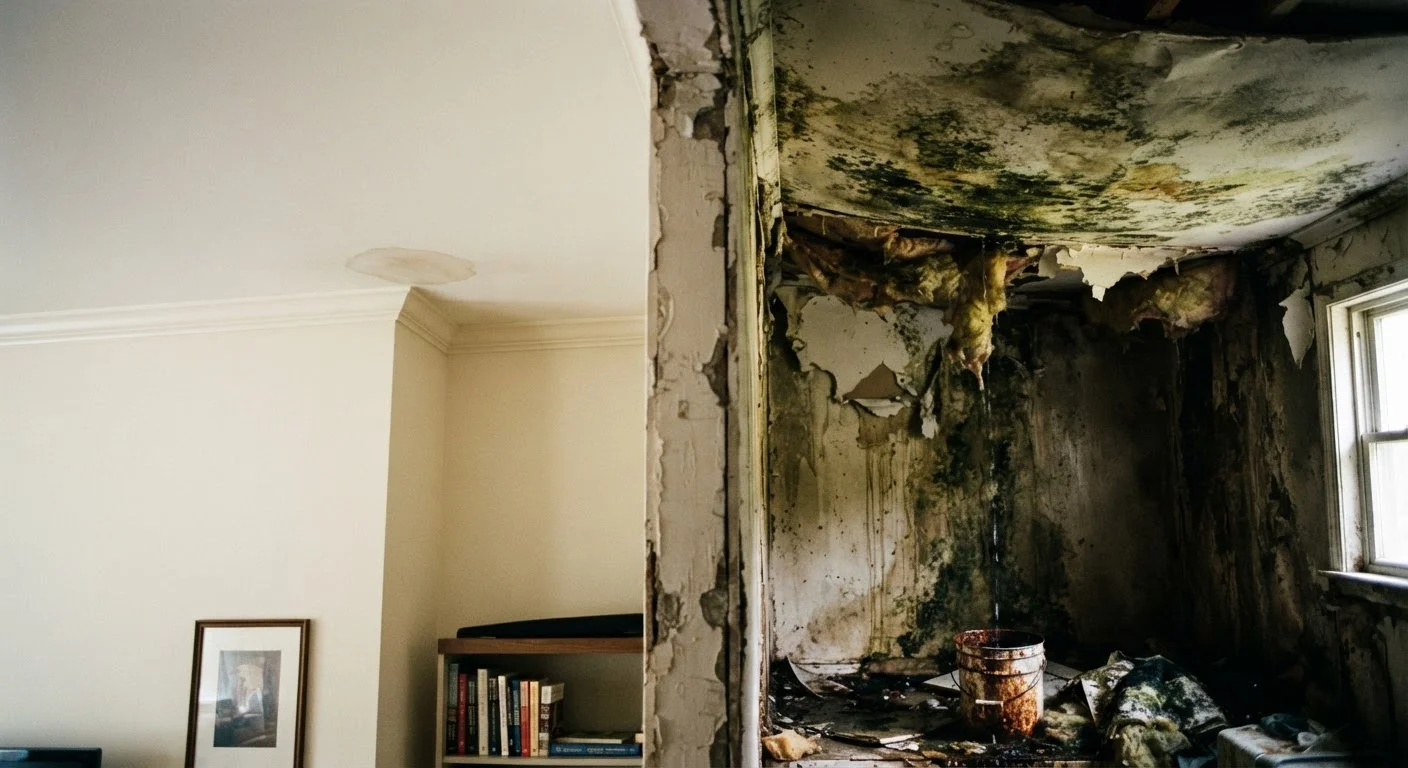
Mold growth on interior walls is a moisture problem first and a surface problem second. Applying paint - even mold-resistant primer - without addressing the underlying moisture source or removing the existing mold colony leaves the problem intact below the surface. Within weeks or months, mold typically breaks back through or spreads laterally.
Proper remediation involves identifying and correcting the moisture source (a leak, condensation, poor ventilation), physically removing the affected material or treating it with an appropriate cleaner, allowing the area to dry thoroughly, and then repainting. The extent of remediation needed depends on how far the mold has spread; significant or recurring mold warrants professional assessment. For related surface repair missteps, our piece on what homeowners get wrong about grout and tile repairs covers similar territory.
Myth
A home's attic should be as airtight and heavily insulated as possible to save energy.
Fact
Attics need controlled ventilation. Sealing them completely can trap heat and moisture, damaging roofing and reducing insulation effectiveness.
Insulation and ventilation work as a system, not in opposition. An under-ventilated attic in summer can reach temperatures that degrade roofing materials prematurely and push heat into living spaces, increasing cooling costs. In winter, trapped humid air condenses on cold roof decking, promoting mold and rot.
Building codes in most U.S. jurisdictions specify minimum attic ventilation ratios for this reason. Adding insulation without maintaining or improving ventilation can make energy performance worse, not better. Our attic insulation and ventilation overview explains how both systems work together.
Myth
Pressure washing is always safe for exterior siding and can remove any stain.
Fact
High-pressure washing can damage wood siding, force water behind cladding, strip paint, and void certain material warranties.
Pressure washing is a useful exterior maintenance tool, but the pressure settings, nozzle angles, and surface compatibility all matter significantly. Wood siding, older masonry, and certain fiber-cement products are vulnerable to water intrusion and surface damage when hit with too much pressure or at the wrong angle.
Softer washing methods - lower pressure combined with appropriate cleaning solutions - are safer for many surfaces. Before pointing a pressure washer at your home's exterior, understand the material you're working with and adjust technique accordingly. For a full breakdown of the tradeoffs, see our guide on pressure washing your home's exterior.
The Real Cost of Believing What You've Heard
Myths don't just waste your weekend - they can accelerate damage, void warranties, create safety hazards, and delay professional help that could have stopped a problem early. Deferred maintenance is one of the most reliable ways small errors become expensive structural issues.
1%
Annual home value recommended for maintenance budgeting
A widely cited general guideline suggests setting aside roughly 1% of a home's value per year for routine maintenance and repairs, though actual costs vary significantly by home age and condition.
3-5×
Cost multiplier when minor repairs are deferred
Industry estimates from home inspection and repair professionals frequently note that neglected small repairs - such as minor leaks or worn caulking - can cost several times more to fix once damage compounds.
The pattern across most of these myths is the same: a shortcut that feels reasonable in the moment creates compounding problems later. Staying skeptical of blanket rules - and verifying before acting - is the most cost-effective maintenance habit you can build.
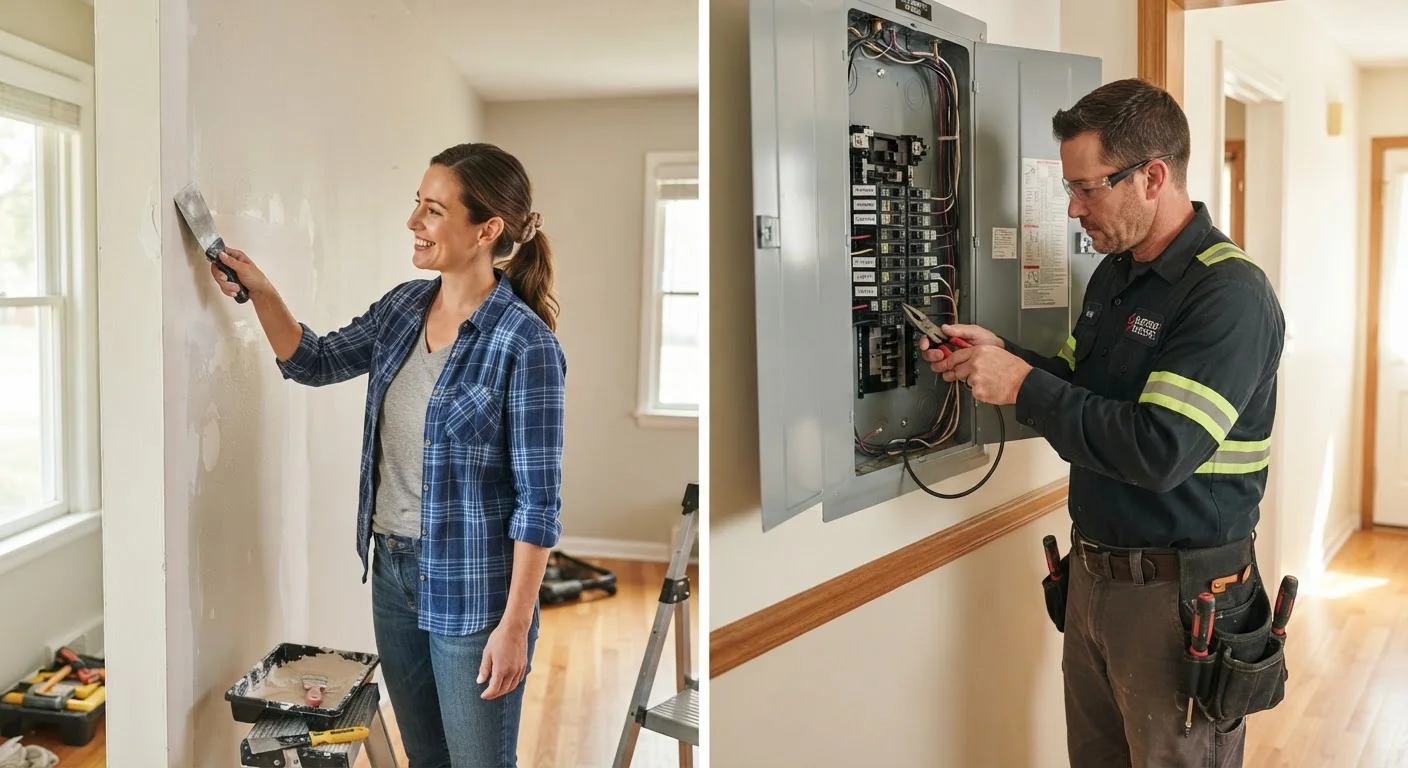
For tasks where the line between DIY and professional work isn't obvious, our guide on DIY repairs vs. work that needs a pro can help you make that call confidently. And for a structured approach to keeping up with maintenance across the year, the seasonal home maintenance checklist is a practical place to start.
Mold and Asbestos: Know When to Call a Pro
Two myths in this article involve materials - mold and asbestos - that carry genuine health risks when handled improperly. Neither should be treated as a straightforward DIY project without appropriate testing, protective equipment, or professional guidance. If you suspect either is present in your home, consult a certified professional before doing any work that disturbs the material. Local health departments and the EPA provide guidance on finding qualified inspectors and contractors.