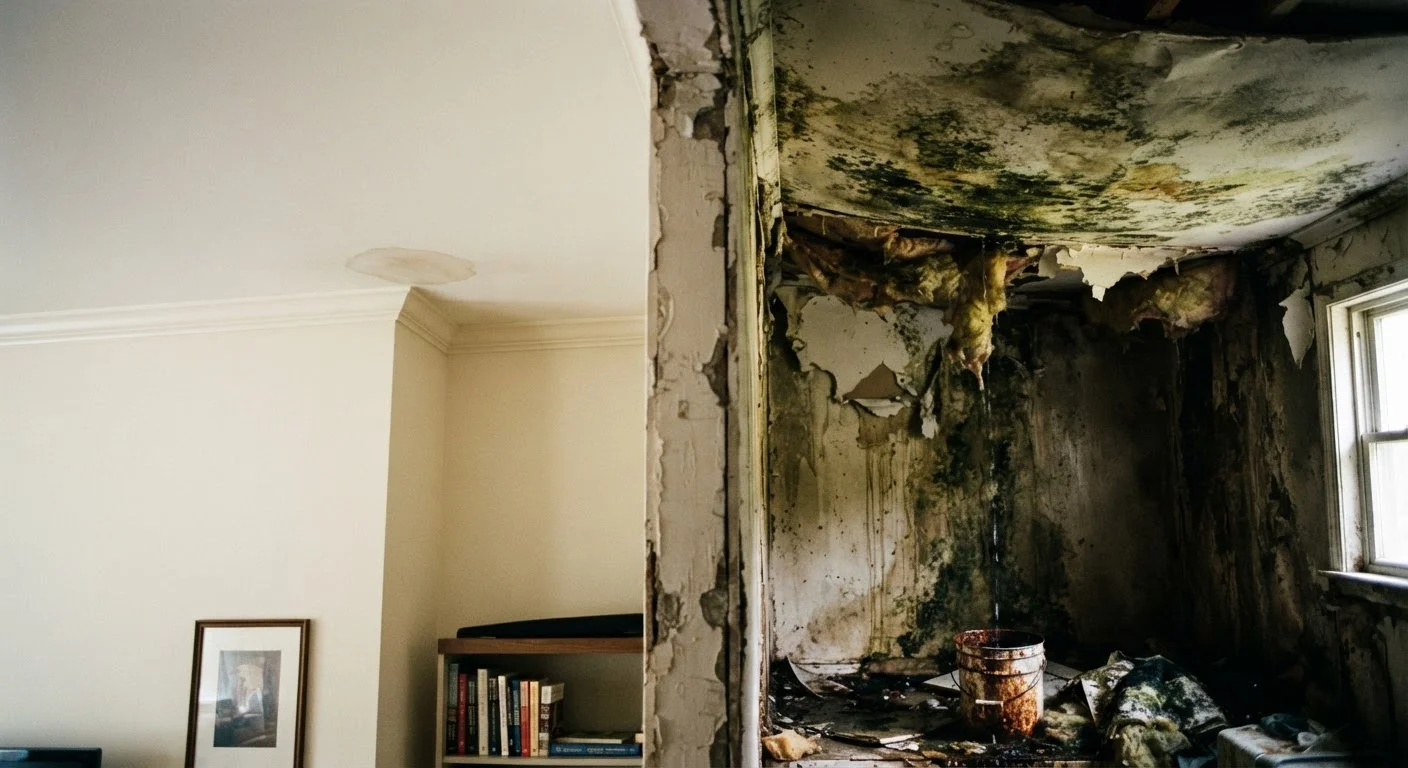

Why Seasonal Maintenance Matters
A home is a system of interconnected parts - roof, foundation, HVAC, plumbing, and more - each affected differently by the seasons. Keeping up with timely checks means you catch worn weatherstripping before winter drives up your heating bill, or a clogged gutter before it backs water into your walls. If you're new to this, the First-Time Homeowner's Introduction to Home Maintenance covers the foundational habits worth building from day one.
The cost of skipping tasks compounds quickly. Deferring routine checks can turn a $30 fix into a $3,000 repair. Our companion piece on deferred maintenance explains exactly how neglect escalates. This checklist breaks tasks into four seasonal windows so you always know what's due.
Know When to Call a Professional
This checklist covers visual inspections and low-risk maintenance tasks. Work involving your electrical panel, gas lines, structural elements, or roof repairs should always be performed by a licensed professional. Many of these tasks also require permits in most U.S. jurisdictions - check with your local building department before starting any significant project.
Tools You'll Need
Most seasonal checks require only basic equipment. Keep these on hand before you start any walkthrough.
Flashlight or headlamp
Illuminates dark crawl spaces, attics, and utility areas during interior inspections.
Extendable ladder
Provides safe access to gutters and low roof edges for visual inspections.
Caulk gun and exterior caulk
Seals gaps around windows, doors, and penetrations to prevent air and moisture infiltration.
HVAC filter replacements
Keeps your heating and cooling system running cleanly and efficiently throughout the year.
Roof rake (long-handled)
Allows ground-level removal of heavy snow from low-pitched roofs to reduce structural load.
Moisture meter
Detects hidden dampness in walls, floors, and framing before it develops into mold or rot.
Season-by-Season Checklist
Work through each group as the relevant season approaches. Mark off items as you go - or photograph conditions to track changes over time.
Spring
Summer
Fall
Winter
Carbon Monoxide Detectors Save Lives
Carbon monoxide (CO) is odorless and colorless, making a functioning detector essential - not optional. Test CO detectors at least twice a year (spring and fall are natural checkpoints), replace batteries annually, and replace the unit itself according to the manufacturer's guidelines, typically every five to seven years. If your detector sounds, leave the home immediately and call emergency services.
Tips for Renters and Shared Spaces
If you rent, many of these tasks are your landlord's legal responsibility - but that doesn't mean you should ignore them. Review this list and flag concerns in writing to your property manager before they become urgent. Documenting issues promptly protects you and ensures a faster response.
Seasonal maintenance pairs naturally with periodic decluttering and home organization. See our look at seasonal decluttering for how to layer those habits efficiently. And for readers preparing for cold weather, our guide on winter storm preparation covers frozen pipes, ice dams, and heating failures in detail.
Finally, don't let common misconceptions derail your efforts. Check out our piece on home maintenance myths to separate fact from folklore before you spend time or money on misguided fixes.