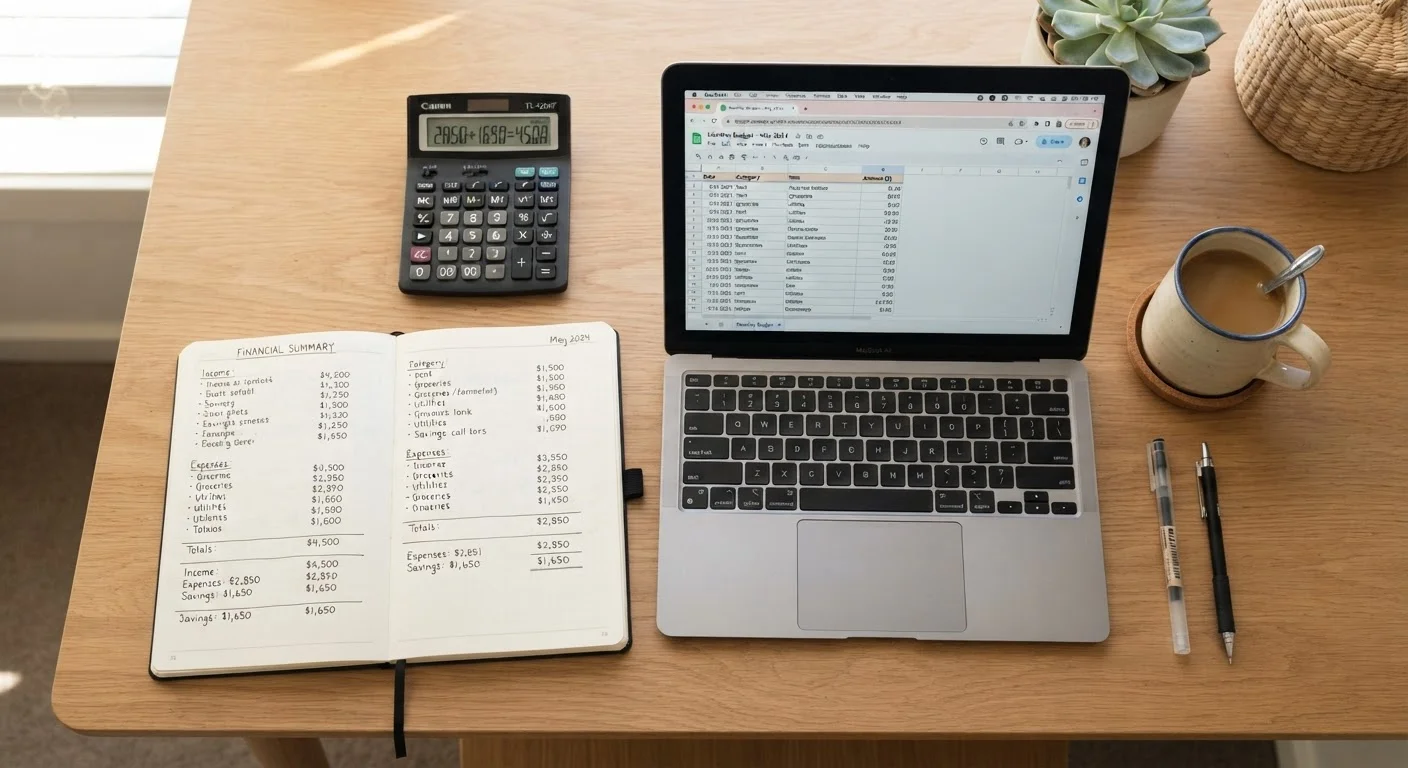
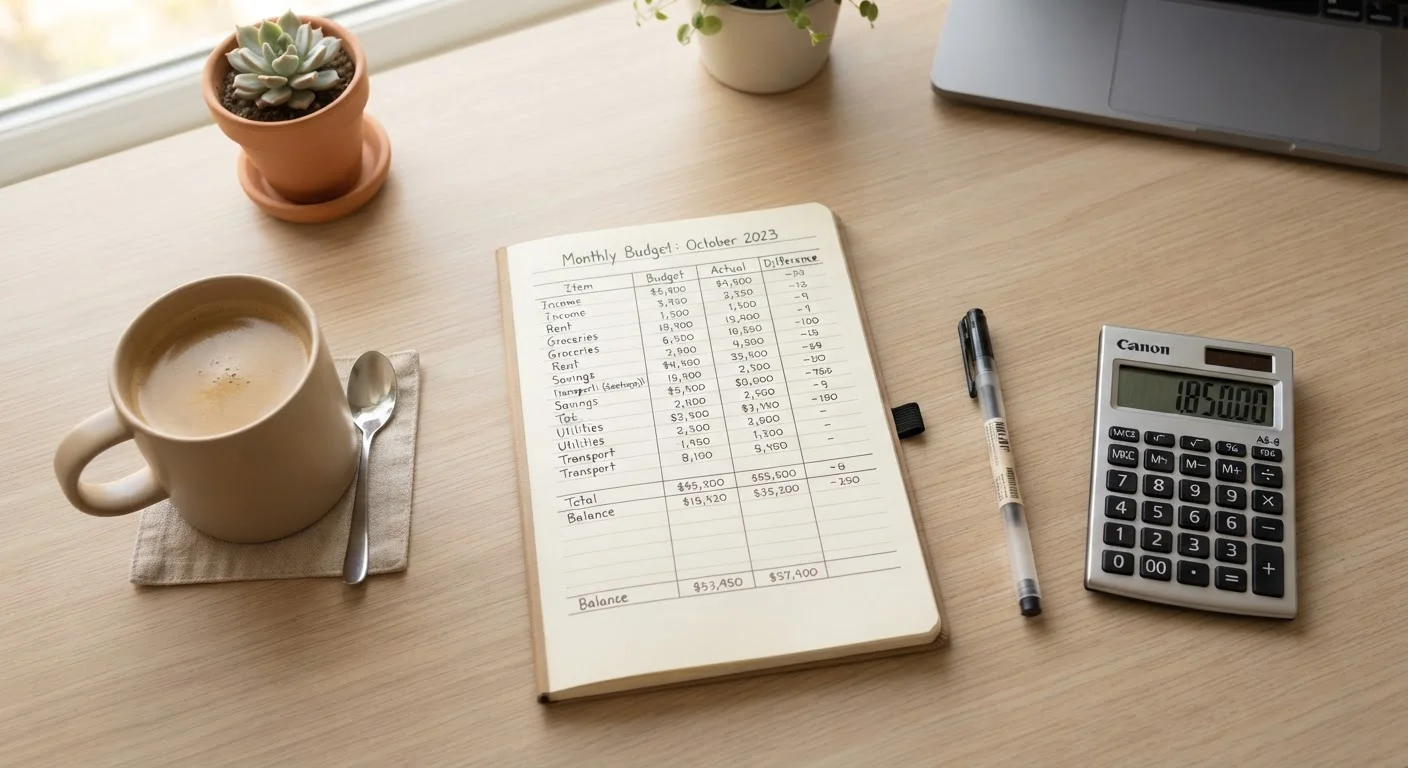
A monthly financial review doesn't have to take long. Use this checklist to audit your spending, savings, and upcoming bills before each new month begins.
Key Takeaways
A monthly check-in catches overspending before it compounds into a bigger problem.
Reviewing upcoming bills prevents surprise shortfalls in next month's cash flow.
Tracking savings progress - even small wins - reinforces positive money habits.
Flagging irregular charges monthly reduces the risk of unnoticed fraud or billing errors.
Consistent small reviews outperform infrequent deep dives for most households.
Why a Monthly Financial Check-In Is Worth the Time
Most people think meaningful financial progress requires an overhaul - a new budget system, a financial adviser, or a free weekend to dig through months of statements. In reality, a 20-to-45-minute review at the end of each month does more practical good than any quarterly marathon session. Small, consistent decisions compound over time, and a monthly check-in is the mechanism that keeps those decisions honest.
This checklist is designed to move quickly. It isn't an annual audit or a deep financial plan revision - it's a lightweight, repeatable habit that helps you close out one month cleanly and enter the next one intentionally. If you're building or refining a budget for the first time, see our step-by-step guide to creating a monthly budget first, then use this checklist to maintain it.
Spending Review
Compare actual spending in each category against your budgeted amount and note any overruns.Must
Identify the single largest unplanned expense this month and decide whether it warrants a budget adjustment.Must
Scan all transaction records for duplicate charges, unfamiliar merchants, or billing errors.Must
Check for recurring subscriptions charged this month and confirm each one is still actively used. Our guide on spotting small spending leaks explains how these quietly accumulate.Should
Note any spending categories that consistently run over budget - three consecutive months of overruns signals the budget figure needs updating, not just willpower.Should
Savings & Debt Progress
Confirm that your planned savings transfer for the month actually posted to your savings or emergency fund account.Must
Record current balances on any debts you are actively paying down and calculate month-over-month progress.Must
Verify your emergency fund balance and note how many months of essential expenses it currently covers.Should
If you're using a structured payoff method (such as the debt avalanche or debt snowball approach), confirm you applied any extra payment to the correct account.Should
Review progress toward any specific savings goal - vacation, appliance replacement, down payment - and update the running total.Nice to have
Upcoming Bills & Cash Flow
List every bill due in the first two weeks of next month and confirm adequate funds will be available before each due date.Must
Check for any annual or quarterly bills (insurance premiums, subscriptions, memberships) hitting next month and adjust next month's budget accordingly.Must
Confirm all automatic payments are scheduled correctly and that linked bank accounts have sufficient balances to cover them.Must
Note any expected income changes next month - irregular pay, freelance deposits, tax refunds - and factor them into projected cash flow.Should
Account Health & Next-Month Setup
Log into each financial account at least once to verify balances are accurate and no unauthorized access has occurred.Must
Adjust next month's budget categories based on anything you learned from this month's review.Must
Set or confirm any financial intention for next month - a spending category to reduce, a savings milestone to hit, or a debt payment to accelerate.Should
Schedule next month's check-in on your calendar now, so it doesn't get skipped during a busy week.Nice to have
What to Have Ready Before You Start
You don't need specialized software to complete this review - though tools like a spreadsheet or a budgeting app can speed things up. At minimum, gather the following before you sit down:
Required
Bank and credit card statements
Provides the transaction-level data you need to verify spending and catch errors.
Required
Budget tracker (spreadsheet or app)
Holds your monthly category targets so you can compare plan vs. actuals at a glance.
Required
Debt balance log
Tracks current balances across any loans or credit cards you are actively paying down.
Required
Calendar or bill-due list
Maps upcoming payment due dates so you can check next month's cash flow during the review.
Optional
Savings account statement
Confirms savings transfers posted and lets you update progress toward specific goals.
If you share finances with a partner, consider scheduling this review together. Shared visibility on spending and savings goals prevents misalignment and keeps both people invested. Our related piece on money conversations couples should have regularly covers how to structure those discussions productively.
Don't Skip the Fraud Check
Reviewing transactions monthly - rather than quarterly - meaningfully shortens the window in which an unauthorized charge can go unnoticed. Most card issuers have dispute windows, and catching errors early gives you the best chance of resolution. If you spot anything unfamiliar, contact your financial institution directly using the number on the back of your card, not a number from an unsolicited email or text.
This article provides general financial education and is not personalized financial advice. For guidance specific to your situation, consult a qualified financial professional.
Personal Finance Editorial Team is the collective byline for our editorial team and contributor network. Articles published under this byline or an editorial pen name are researched, written, and reviewed according to our editorial standards for clarity, consistency, and independence before publication.
The content on this site is for informational purposes only and is not a substitute for professional advice. Always consult a qualified professional for guidance specific to your situation.