
Why Regular Money Talks Matter More Than You Think
Financial disagreements are consistently cited among the leading sources of conflict in relationships. But the issue usually isn't a single blow-up argument - it's the buildup of unspoken assumptions, mismatched priorities, and avoided conversations that accumulate over time.
The fix isn't a one-time budget summit. It's small, consistent conversations woven into your routine. Think of it less like a formal review and more like the kind of ongoing dialogue that keeps any partnership healthy. Couples who check in regularly about money tend to catch problems early, make faster progress toward goals, and report less financial stress overall.
For a deeper look at how consistent habits drive financial outcomes, see our guide to budgeting habits that actually stick.
“Couples who talk openly about money tend to have greater relationship satisfaction and financial well-being. The conversation itself - not just the outcome - builds trust.”
— Sonya Britt-Lutter, Researcher and professor in personal financial planning
The Conversations Worth Having - and How Often
Not every money conversation carries the same weight or time horizon. It helps to think in three rhythms: weekly, monthly, and annually.
Hold a brief weekly spending check-in (15 minutes or less)
A short weekly sync keeps both partners aware of where money went without requiring a deep dive every time. It normalizes money talk and prevents small overspending from snowballing into a larger problem by month's end.
Do a shared monthly budget review tied to actual numbers
Monthly reviews give couples the clearest picture of whether their spending aligns with their stated priorities. Reviewing actual figures - not estimates - removes guesswork and creates a shared factual foundation for decisions. This is also the right cadence for updating savings progress and debt balances.
Have an annual 'big picture' conversation about goals and values
Life circumstances and priorities shift. An annual conversation - separate from the routine number-crunching - lets couples revisit whether their financial plan still reflects what they actually want. Topics might include major purchases, career changes, family planning, or retirement timelines.
Discuss individual debt and income changes as they happen
Surprises - a raise, a layoff, an unexpected medical bill, or a credit card balance that crept up - can derail a shared plan if only one partner knows about them. Prompt disclosure prevents resentment and allows the couple to adapt before problems worsen.
Agree on a 'pause and discuss' threshold for individual purchases
Spending autonomy is healthy, but purchases above a certain dollar amount can affect shared goals without either partner realizing it. A pre-agreed threshold - whatever makes sense for your combined income - replaces arguments with a simple, understood rule.
For a structured way to run your monthly review, our end-of-month financial check-in gives you a ready-made checklist.
Quick Wins You Can Act On Today
Knowing what to talk about is only half the equation - starting the conversation is the other half. These are small, concrete steps any couple can take right now to build a healthier financial dialogue.
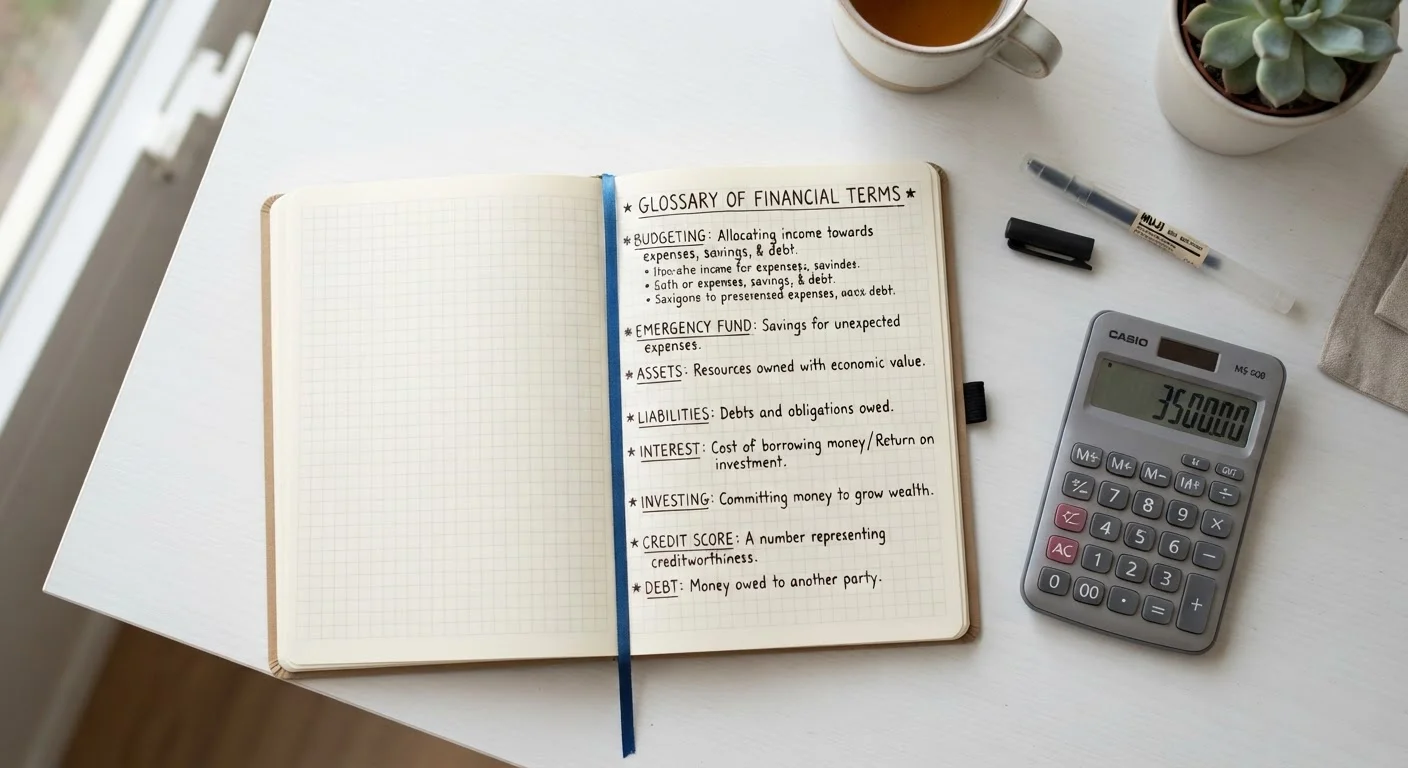
If financial terminology feels like a barrier to productive conversation, our plain-language guide to personal finance terms can help both partners speak the same language.
When One Partner Avoids Money Talks
If one partner consistently shuts down during financial conversations, it may reflect anxiety rather than indifference. Research suggests financial stress activates the same stress responses as other threats. Starting with lower-stakes topics - like a shared savings goal rather than debt - can make entry into the conversation less overwhelming. If avoidance is persistent and affecting your relationship, a couples therapist or financial therapist may help.
This article is for general informational purposes only and does not constitute personalized financial advice. For guidance specific to your situation, consider consulting a qualified financial professional.