
The Psychology Behind the Unplanned Purchase
Most people attribute impulse spending to a personal flaw - poor self-control, weak willpower, or simply "being bad with money." But behavioral research consistently tells a different story. Impulse purchases are largely a product of how the human brain is wired, not a moral failing.
The brain has two competing systems at work during a purchase decision: a fast, emotional system that responds to immediate reward, and a slower, deliberate system that weighs long-term consequences. When stress, fatigue, excitement, or boredom is high, the fast system tends to win. A purchase that feels satisfying right now requires much less mental effort than calculating its future cost.
This is why impulse spending often spikes during emotionally charged moments - after a hard day at work, while browsing social media, or during a sale event designed to create urgency. The emotion isn't incidental; it's the mechanism. Understanding this isn't about excusing the behavior; it's about knowing where the real leverage for change actually lies.
“We don't just bring our wallets to the store - we bring our emotions, our memories, and our social comparisons. Spending is rarely purely rational.”
— Dan Ariely, Behavioral economist and author of 'Predictably Irrational'
How Retailers and Platforms Engineer the Impulse
Impulse spending doesn't just happen - it's carefully cultivated. Physical retailers place high-margin, low-consideration items near checkout counters for a reason. Store layouts are designed to maximize dwell time and expose shoppers to as many products as possible. Lighting, music tempo, and even scent are used to influence mood and purchasing behavior.
Online platforms have refined this even further. Algorithms surface products based on your browsing history. Checkout flows are reduced to a single tap. Push notifications remind you about items left in a cart. Countdown timers create artificial scarcity. None of these features are accidental - they exist specifically to shorten the gap between impulse and purchase.
Grocery shopping habits illustrate this particularly well. The average supermarket stocks tens of thousands of items, and product placement decisions are driven by sales data, not nutritional logic. End-cap displays, eye-level positioning, and "loss leader" pricing near the entrance all influence what ends up in your cart - often before you've consciously registered the choice.
~$314
Average monthly impulse spending per U.S. consumer
A survey by Slickdeals found that American consumers spent an average of around $314 per month on impulse purchases, adding up to roughly $3,768 per year.
5 seconds
Typical time to complete a one-click online purchase
Streamlined digital checkout flows are designed to minimize the time between the impulse and the completed transaction, reducing the window for second-guessing.
40%
Of online purchases estimated to be unplanned
Research published in consumer behavior literature suggests that a significant share of e-commerce transactions are unplanned at the start of the session.
What Impulse Spending Actually Costs Over Time
Individual impulse buys rarely feel significant in the moment - a $12 item here, a $30 add-on there. The financial impact becomes visible only when you zoom out. If small unplanned purchases average just $25 per week, that's $1,300 per year redirected away from savings, emergency funds, or debt repayment.
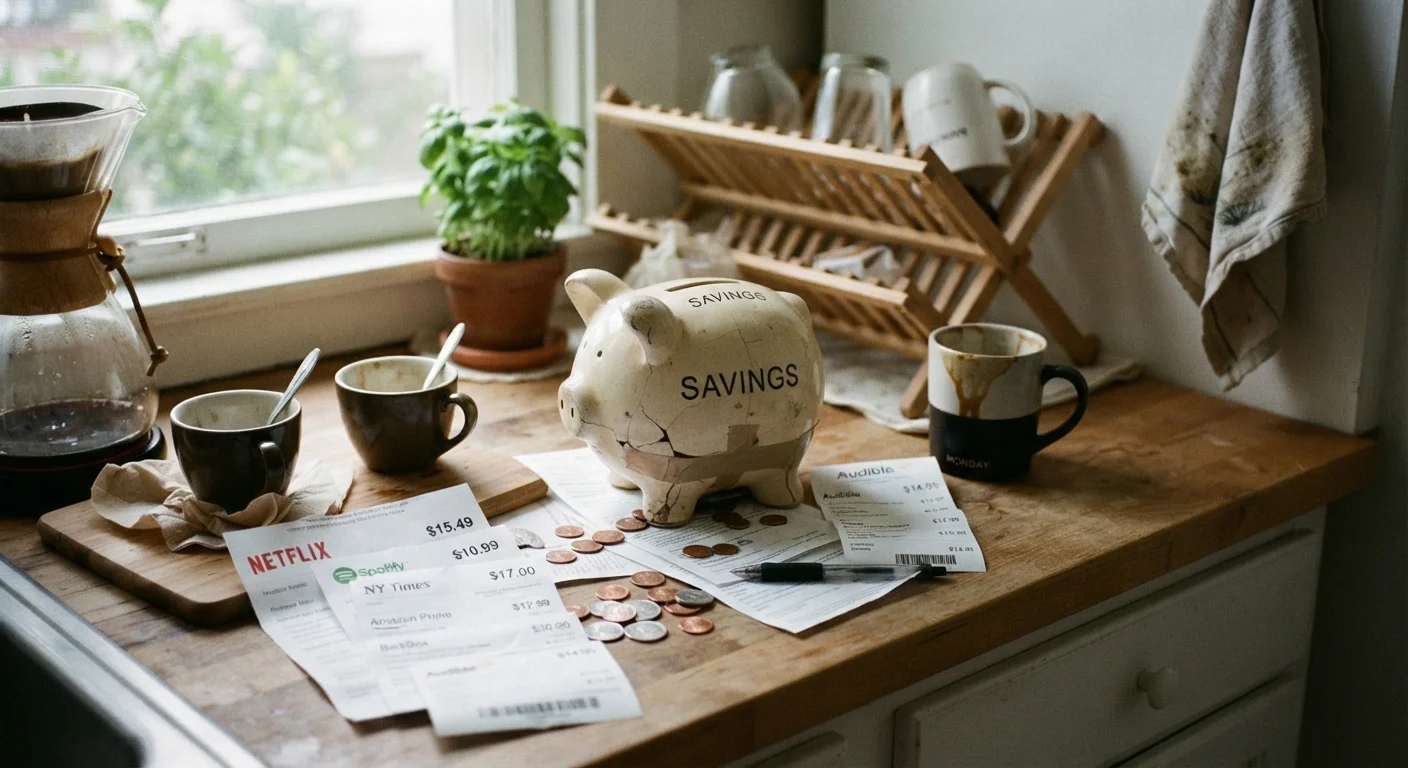
This kind of quiet budget leakage is explored in depth when examining habits that quietly undermine savings plans - it's rarely the large, obvious expenses that do the most damage. It's the accumulation of small, unconsidered ones.
The cost isn't only financial. Research in consumer psychology suggests that heavy impulse buying is associated with lower financial satisfaction, increased anxiety about money, and a reduced sense of control - even among people with adequate incomes. The behavior can become self-reinforcing: spending to relieve stress, then feeling stressed about spending.
Practical Strategies for More Intentional Spending
Changing spending behavior doesn't require willpower heroics. It requires friction - small structural barriers that create space between impulse and action.
- Use a shopping list as a commitment device. Whether you're at a grocery store or online, a list made before you're in the buying environment helps anchor decisions to actual needs rather than in-the-moment appeal.
- Apply a waiting period. For non-essential purchases above a personal threshold (say, $30 or $50), commit to waiting 24 to 48 hours before completing the purchase. Most impulses don't survive the wait.
- Remove purchase friction reducers. Delete stored credit cards from retail apps. Unsubscribe from promotional emails. Disable one-click checkout. Each of these restores a moment of decision.
- Identify your personal triggers. Keep a brief note when you make an unplanned purchase: what was happening emotionally, what platform or environment you were in, and what time of day it was. Patterns usually emerge quickly.
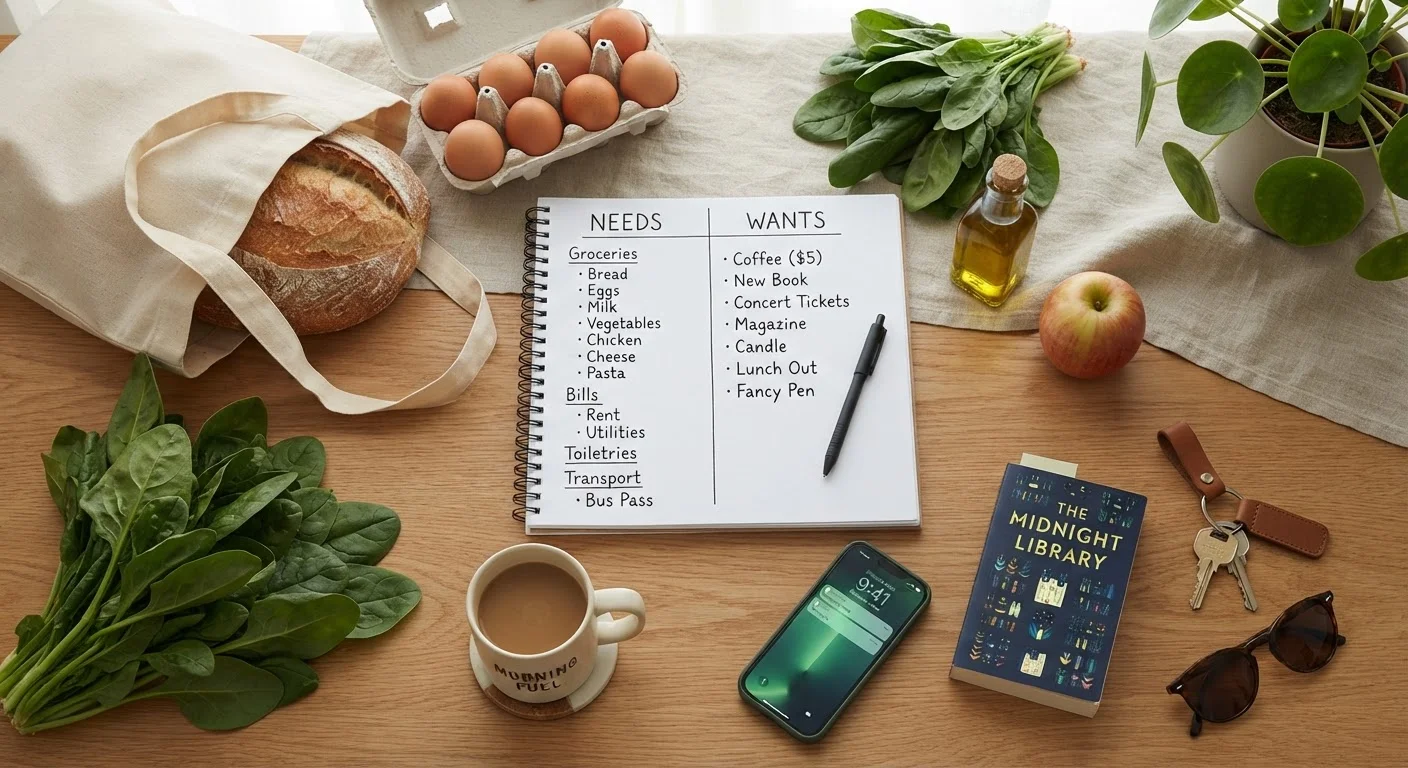
It also helps to be honest about the distinction between needs and wants - a judgment that is genuinely harder than it sounds, but one that shapes every spending decision you make.
Build a 'Pause and Name It' Habit
Before completing any unplanned purchase, take 30 seconds to name what you're feeling - bored, stressed, excited, anxious. Simply labeling the emotion activates your brain's deliberate thinking system and creates a small but meaningful pause. Over time, this habit makes the emotional trigger visible and easier to separate from the spending decision.
For a sustainable system that tracks where your money actually goes, a practical spending tracker can make impulse patterns visible without overwhelming you with complexity.
This article is for general informational and educational purposes only and does not constitute personalized financial advice. Consult a qualified financial professional for guidance tailored to your specific situation.