Why Grocery Spending Deserves a Closer Look
Food is the third-largest household expense for most American families, after housing and transportation, according to data from the U.S. Bureau of Labor Statistics. Unlike rent or a car payment, grocery spending is highly variable - which means it's one of the few budget categories where consistent habits can produce real, measurable savings month after month.
The challenge is that grocery decisions happen frequently, often quickly, and under conditions - hunger, distraction, time pressure - that work against careful thinking. Understanding which specific habits drive costs up (or keep them down) gives you something more useful than general advice: a practical checklist you can act on before your next shopping trip.
For a broader look at how small recurring decisions affect financial outcomes, see our guide to spending leaks that quietly drain budgets over time.
$5,703
Average annual household food-at-home spending
According to the U.S. Bureau of Labor Statistics Consumer Expenditure Survey, American households spend roughly this amount on groceries each year - making it one of the most controllable major expense categories.
~30%
Share of food purchased that goes to waste
The USDA estimates that roughly 30-40% of the U.S. food supply is wasted, much of it at the household level - representing both a financial and environmental cost for families.
Best Practices for Keeping Grocery Costs Under Control
The following practices are grounded in both household budgeting research and behavioral economics. None requires extreme couponing or significant lifestyle sacrifice - they are about applying intentionality to decisions you're already making.
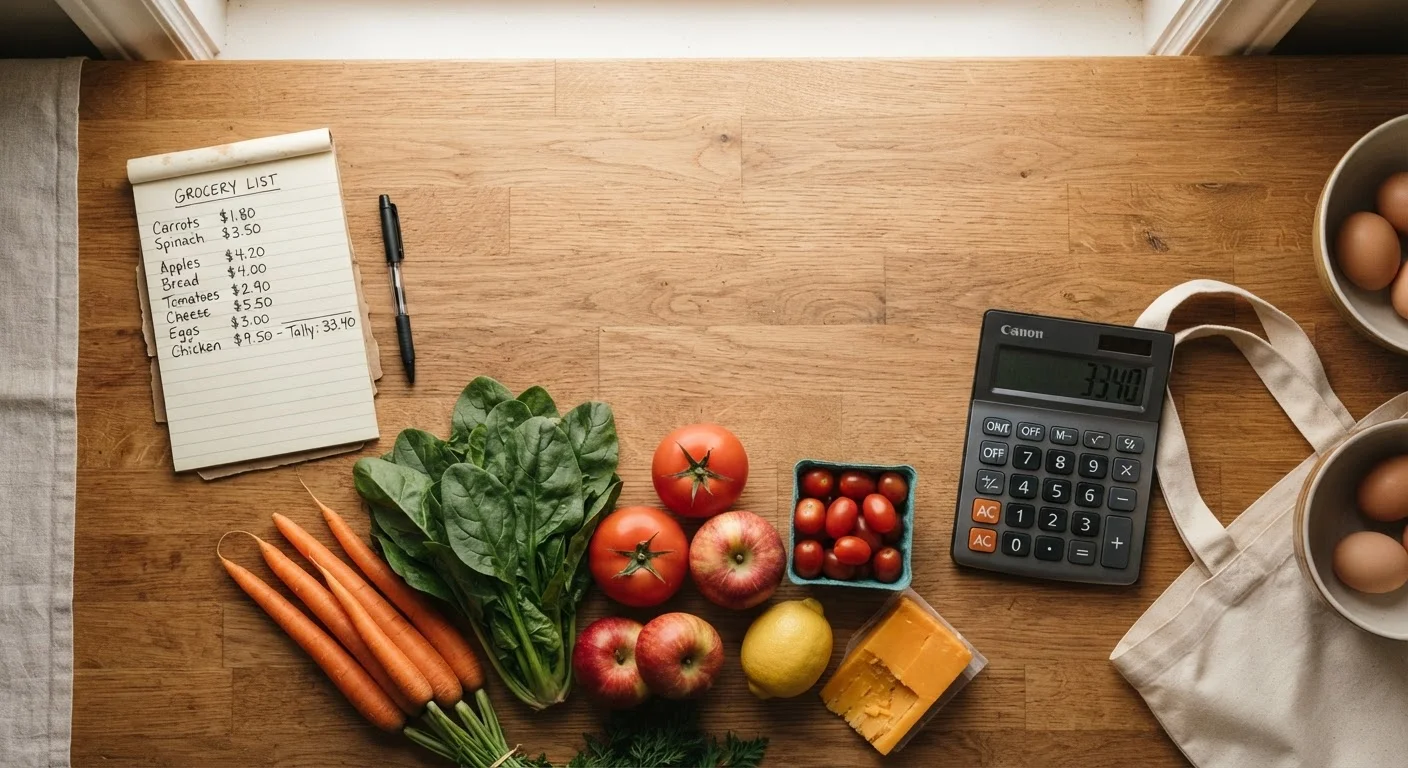
Shop with a written list tied to a weekly meal plan.
Shoppers without a list consistently spend more - both in total dollars and in food that goes to waste. Meal planning anchors purchases to actual intended meals, reducing redundant buys and last-minute takeout.
Never shop hungry - eat something before you go.
Research in behavioral economics shows that hunger increases the appeal of high-calorie, impulse-friendly items and inflates total spending. The effect is well-documented and applies even to experienced, list-carrying shoppers.
Compare unit prices, not package prices.
Package size and shelf placement are designed to make price comparisons difficult. Unit price - typically shown as cost per ounce, pound, or count on the shelf tag - is the only reliable basis for comparing value across sizes and brands.
Set a firm per-trip spending limit before you leave home.
Knowing your ceiling before you walk in shifts grocery shopping from an open-ended browse into a goal-oriented task. It also surfaces trade-offs - if something goes in the cart, something else may need to come out.
Reduce shopping frequency to once per week or less.
Each additional trip to the store is an additional exposure to impulse-buying conditions. Consolidating trips by planning more thoroughly reduces the number of opportunities for unplanned spending.
The Hidden Costs of Convenience and Impulse
Two forces consistently push grocery bills higher: convenience pricing and in-store impulse buying. Pre-cut vegetables, single-serving packages, and prepared meal kits can cost two to four times more per serving than their whole-food equivalents. That markup may feel trivial item by item, but it compounds quickly across a month of shopping.
Impulse purchases are driven more by store design and psychological triggers than by poor discipline. End-cap displays, checkout-lane snacks, and strategically placed "sale" signage are engineered to prompt unplanned spending. Shopping with a list - and committing to it - is the most direct defense. Our article on why impulse spending happens explores the psychology behind these patterns in more depth.
Try a 24-Hour Rule for Non-Essential Items
When you notice a non-essential item that wasn't on your list, try noting it down instead of putting it in the cart immediately. If you still want it after 24 hours, you can pick it up next trip. This small pause interrupts the in-store impulse cycle without requiring you to deny yourself entirely.
Connecting Grocery Habits to Your Broader Budget
Grocery discipline doesn't exist in isolation. Consistent overspending at the store can quietly undermine savings goals, push other bills onto a credit card, or contribute to the cycle of living paycheck to paycheck. Conversely, even modest reductions - say, trimming $75 to $100 per month from the grocery bill - can be redirected toward an emergency fund or debt repayment, where the long-term benefit is significant.
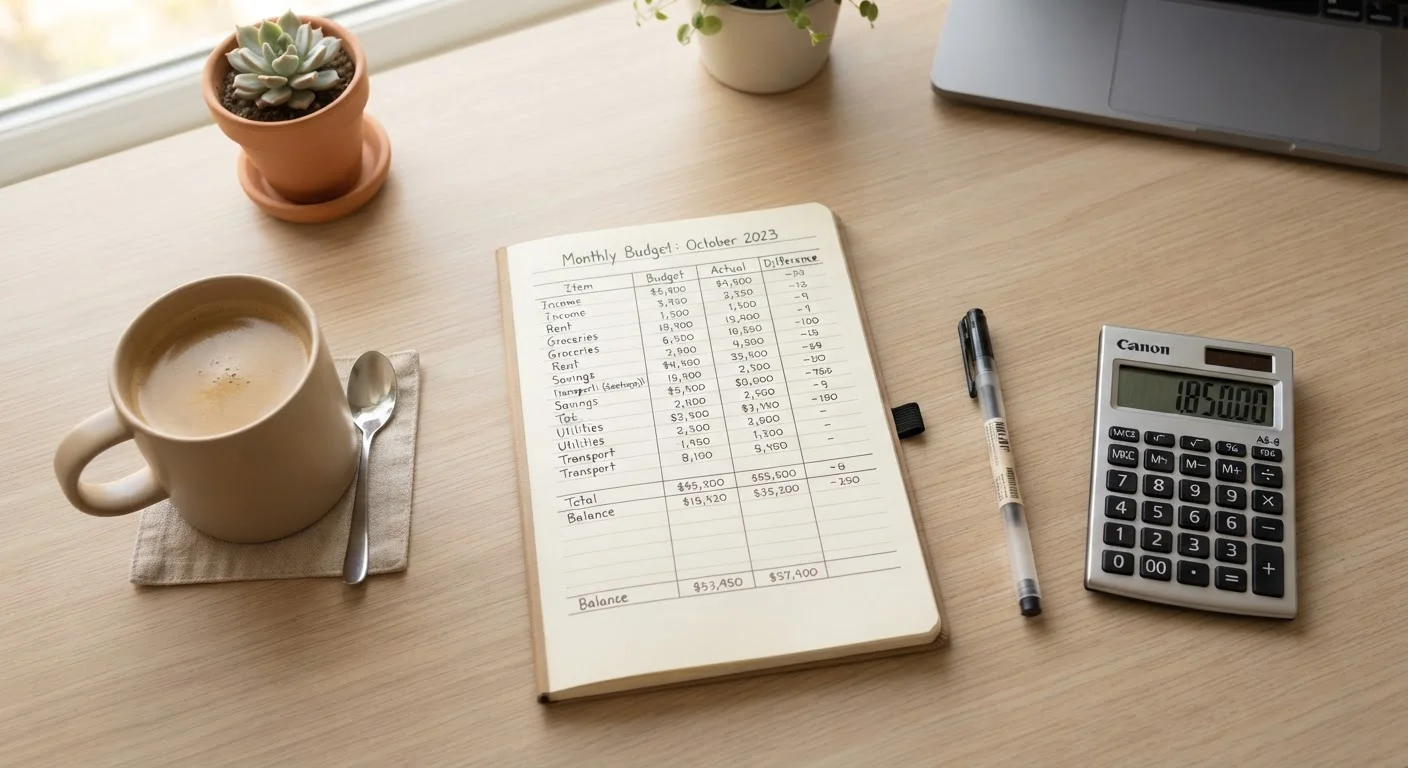
If you've never mapped out where your grocery spending actually goes, that's a good first step. Building a simple monthly budget from scratch walks through how to do that clearly, even if you've never tracked spending before. And if grocery habits feel like part of a larger pattern, habits that separate people who stick to a budget offers a useful framework for building financial consistency over time.
This article is for general informational and educational purposes only and does not constitute personalized financial advice. For guidance specific to your situation, consider consulting a qualified financial professional.