What 'Convenience Cost' Actually Means
Convenience cost is the premium you pay to save time, effort, or decision-making energy. It shows up as delivery fees, pre-cut produce, same-day shipping, or a $6 airport bottle of water. None of these are inherently irrational - but together they can quietly erode a budget without you noticing.
The problem isn't convenience itself. It's the automatic choice - reaching for the easy option without weighing what you're actually exchanging. Before evaluating whether a convenience purchase makes sense, it helps to understand both sides of the trade-off.
For a broader look at how small, recurring choices shape your finances, see how spending leaks quietly drain a budget.
When Convenience Spending Is Worth It
There are genuinely good reasons to pay more for ease. If a $12 grocery delivery fee means you avoid a two-hour round trip and can spend that time on income-producing work or meaningful rest, the math may favor delivery. Economists call this the opportunity cost of your time - what you give up by spending it a certain way.
Convenience also has a cognitive value. Making fewer low-stakes decisions preserves mental bandwidth for higher-stakes ones. If meal kit subscriptions help you avoid expensive takeout on exhausted weeknights, they may actually save money compared to the alternative.
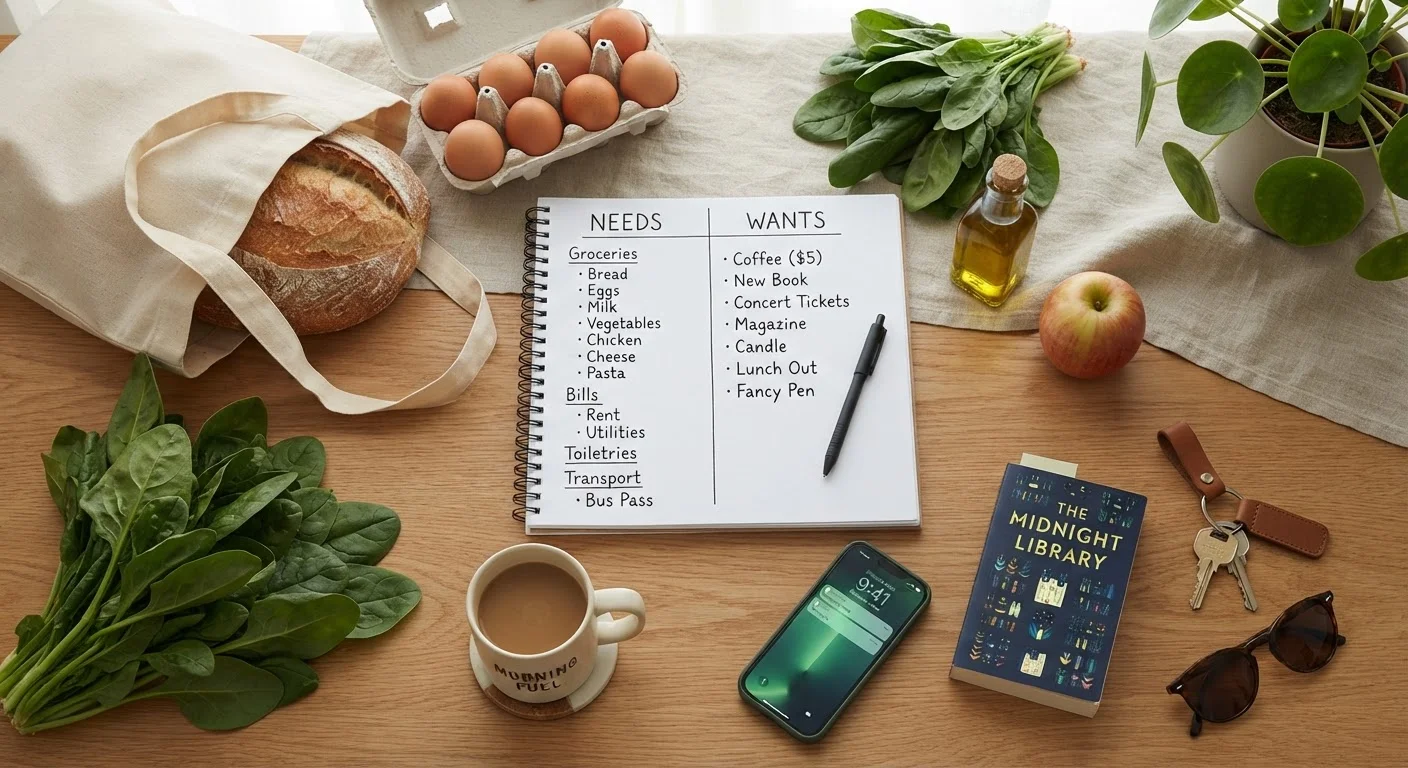
The key is to ask: What would I actually do otherwise? If the honest answer is "spend more" or "burn out," paying for convenience may be the financially sound choice. That judgment is also central to distinguishing needs from wants in a budget.
When Convenience Costs More Than It's Worth
The clearest sign that convenience spending has gotten out of hand is when it's driven by habit rather than genuine need. Paying a $4 service fee to buy event tickets online when an in-person box office is nearby is a small but illustrative example. Multiply dozens of these across a month and the total can surprise you.
Convenience spending also tends to cluster around decision fatigue - we reach for the easiest option when we're tired or rushed. Building simple systems (weekly meal planning, automated savings transfers, a packed lunch the night before) can reduce the moments where convenience feels like the only option.
For a related perspective on how payment method shapes spending behavior, see what research says about cash vs. card purchases.
A Simple Framework for Deciding
Rather than ruling convenience spending in or out categorically, apply a quick three-part check before you pay the premium:
- What's the real alternative? Be honest. If you won't actually cook from scratch, comparing delivery to home cooking is misleading.
- How often does this recur? A one-time airport snack is trivial. A daily $5 convenience fee five days a week is $1,300 a year.
- Does it replace something more expensive? Convenience that prevents a worse financial outcome - like a grocery delivery that prevents impulse spending at a store - earns its cost.
$328
Average monthly U.S. food delivery spend per user
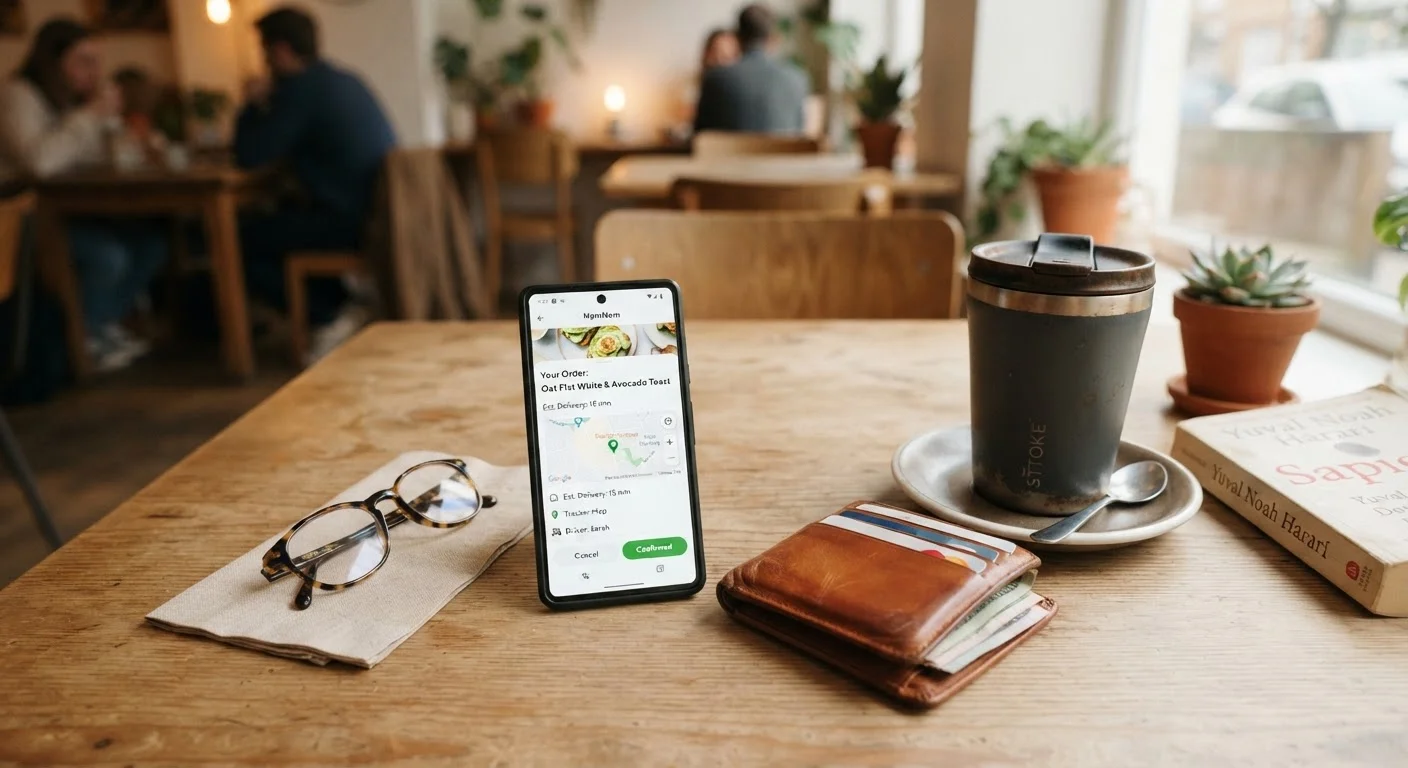
Data from market research firm Numerator suggests frequent delivery app users spend significantly more per meal than those who cook at home, with fees and tips often adding 30-40% to the base order cost.
30-40%
Typical premium added by delivery fees and tips
Consumer advocacy analyses consistently find that app-based food delivery adds roughly this margin over in-store or home-cooked meal costs, depending on platform and location.
Tracking your convenience spending for a single month, even roughly, tends to be clarifying. Most people find a handful of charges that feel automatic rather than chosen - and those are the easiest ones to rethink. The budgeting basics hub has practical tools for doing exactly this kind of spending audit.
This article is for general informational and educational purposes only. It does not constitute personalized financial advice. Consult a qualified financial professional for guidance specific to your situation.