The Psychology Behind How You Pay
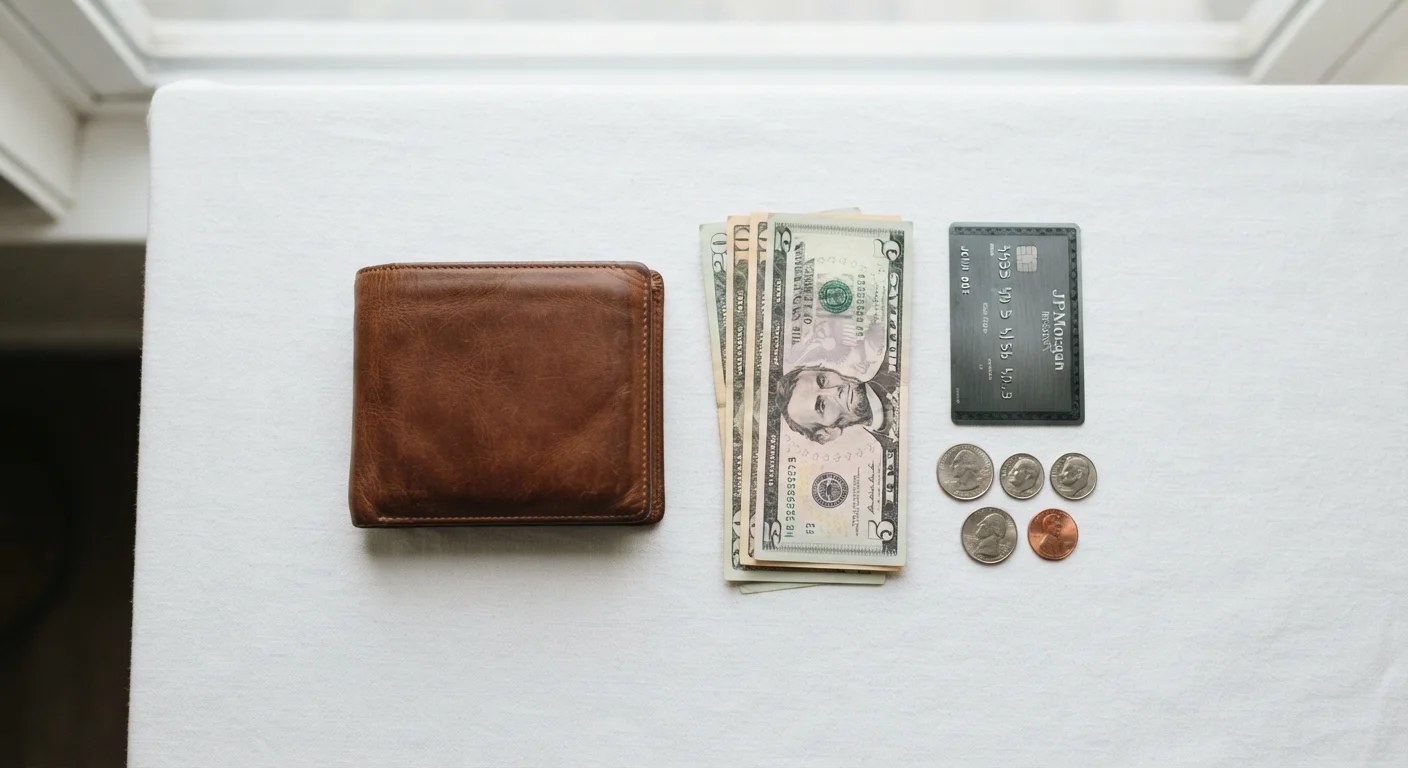
Every time you make a purchase, the method you use isn't just a logistical detail - it may actively shape how much you spend. Behavioral economists have studied this for decades, and the findings are consistent: paying with cash tends to feel more costly than swiping a card, even when the dollar amount is identical.
This effect is known as the "pain of paying." Research by Drazen Prelec and Duncan Simester, published in academic journals on consumer behavior, found that the physical act of handing over money creates a mild but real psychological friction. That friction acts as a mental brake. With a card, especially a credit card, that friction is almost entirely removed - the transaction feels abstract, and the consequence (a bill) is deferred.
Understanding this isn't about judging how you spend. It's about recognizing that your payment tool is not neutral. If you've ever noticed your spending creeping up after switching to contactless payments, behavioral finance suggests that's not a coincidence. For a deeper look at how psychology drives everyday purchases, see how impulse spending works.
| Criterion | Cash | Card (Debit or Credit) |
|---|---|---|
| Psychological spending brake | Strong - physical handover creates friction | Weak - transaction feels abstract |
| Fraud protection | None if lost or stolen | Strong federal protections on credit cards |
| Spending tracking | Manual effort required | Automatic via statements and apps |
| Risk of debt | None | High if balance carried on credit cards |
| Online and travel use | Limited or impractical | Fully compatible |
| Budget enforcement | Hard limit - spend only what you carry | Soft limit - requires self-discipline |
| Credit building | No impact | Positive impact if managed responsibly |
Practical Advantages Each Method Offers
Psychology aside, both payment methods come with real, practical trade-offs worth weighing.
Cash advantages:
- Creates a hard spending limit - you physically can't overspend what you're carrying
- No risk of interest charges or debt accumulation
- Accepted universally, including small vendors and markets
- No transaction data collected about your purchases
Card advantages:
- Detailed monthly statements make tracking spending straightforward
- Federal consumer protection laws (like the Fair Credit Billing Act) cover unauthorized charges on credit cards
- Easier for online purchases, travel bookings, and recurring bills
- Credit cards can help build a credit history when managed responsibly
~83%
US transactions now cashless
According to Federal Reserve payment studies, the share of non-cash transactions in the US has grown steadily, with cards and digital payments now dominating everyday commerce.
12-18%
More spent with cards vs. cash
Multiple behavioral economics studies estimate that consumers tend to spend measurably more when using cards compared to cash, though figures vary by context and study design.
Nearly 50%
Credit cardholders carrying a balance
The Federal Reserve's Survey of Consumer Finances has consistently found that close to half of US credit cardholders carry a revolving balance month to month, incurring interest charges.
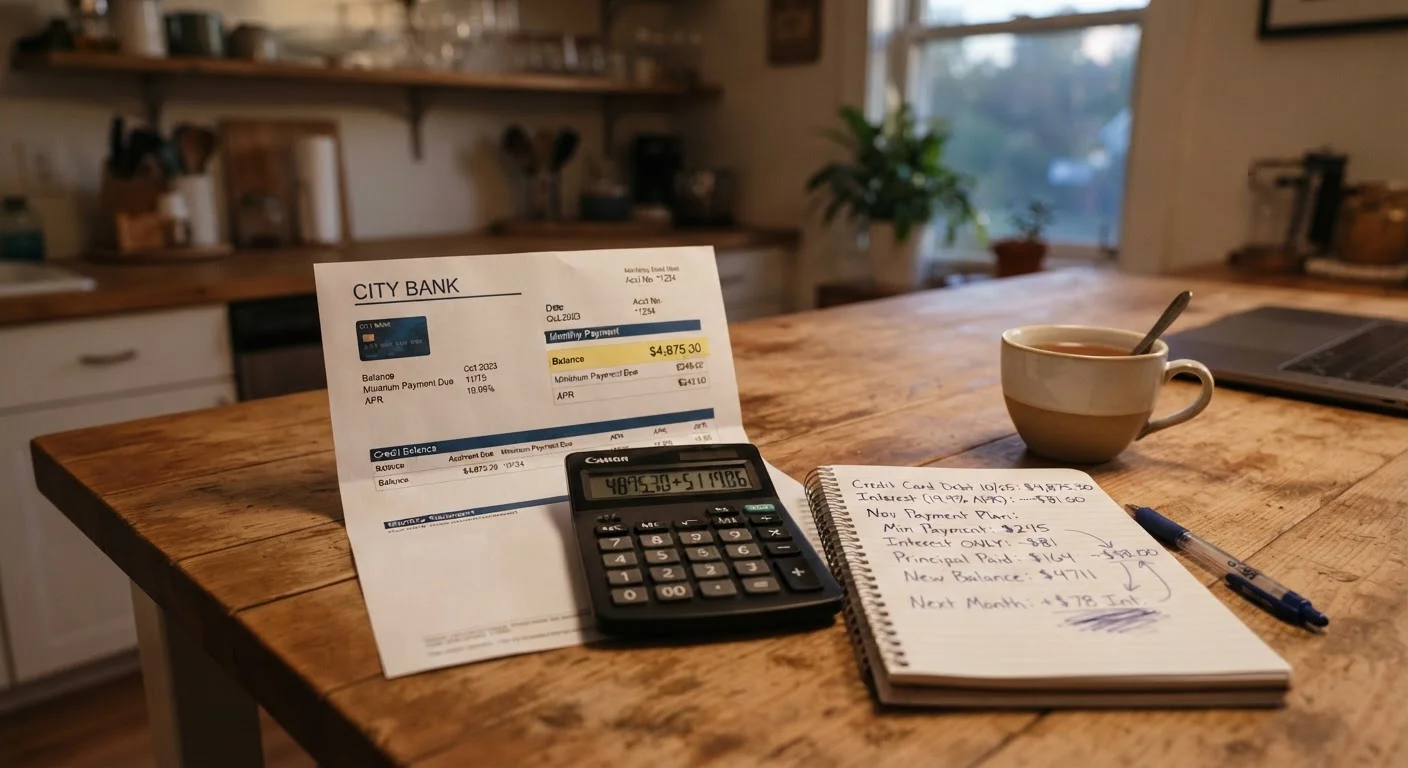
One important caveat: card benefits are only realized if you avoid carrying a balance. Interest rates on credit cards can make any spending more expensive over time. If you're currently paying interest on a balance, it's worth understanding the real long-term cost of carrying a credit card balance before leaning on plastic for daily purchases.
How to Use This Research in Your Own Budget
The goal isn't to declare one method universally superior - it's to match your payment method to your actual spending behavior. A few practical approaches:
Try cash for your highest-risk categories. If dining out or discretionary shopping consistently pushes you over budget, withdrawing a fixed weekly cash amount for those categories is a simple, proven technique. This is the core mechanic behind envelope budgeting, a method long recommended by consumer finance educators.
Use cards where protections matter. For larger purchases, travel, or online orders, the fraud dispute process and purchase documentation that cards provide are genuinely valuable. The convenience has real worth in these contexts - though it's worth evaluating when that convenience cost is and isn't justified. Our article on when paying for convenience makes sense explores this trade-off in detail.
Track regardless of method. Whether you pay with cash or card, a simple monthly review of your spending by category is one of the highest-impact habits you can build. Card statements make this easier automatically, but cash spenders can use a small notebook or a budgeting app to log purchases. Your grocery habits alone can reveal significant patterns - see how grocery shopping habits affect your monthly budget for context.
Debit Cards vs. Credit Cards: A Key Distinction
Debit cards draw directly from your checking account, so they don't create debt - but they also offer weaker federal fraud protections than credit cards under the Electronic Fund Transfer Act. Credit cards carry the risk of interest charges if a balance is carried, but come with stronger consumer protections under the Fair Credit Billing Act. Understanding which type of card you're using matters when evaluating both risk and benefits.
This article is for general informational and educational purposes only and does not constitute personalized financial advice. Consider consulting a qualified financial professional for guidance tailored to your specific situation.