Why the Label Matters
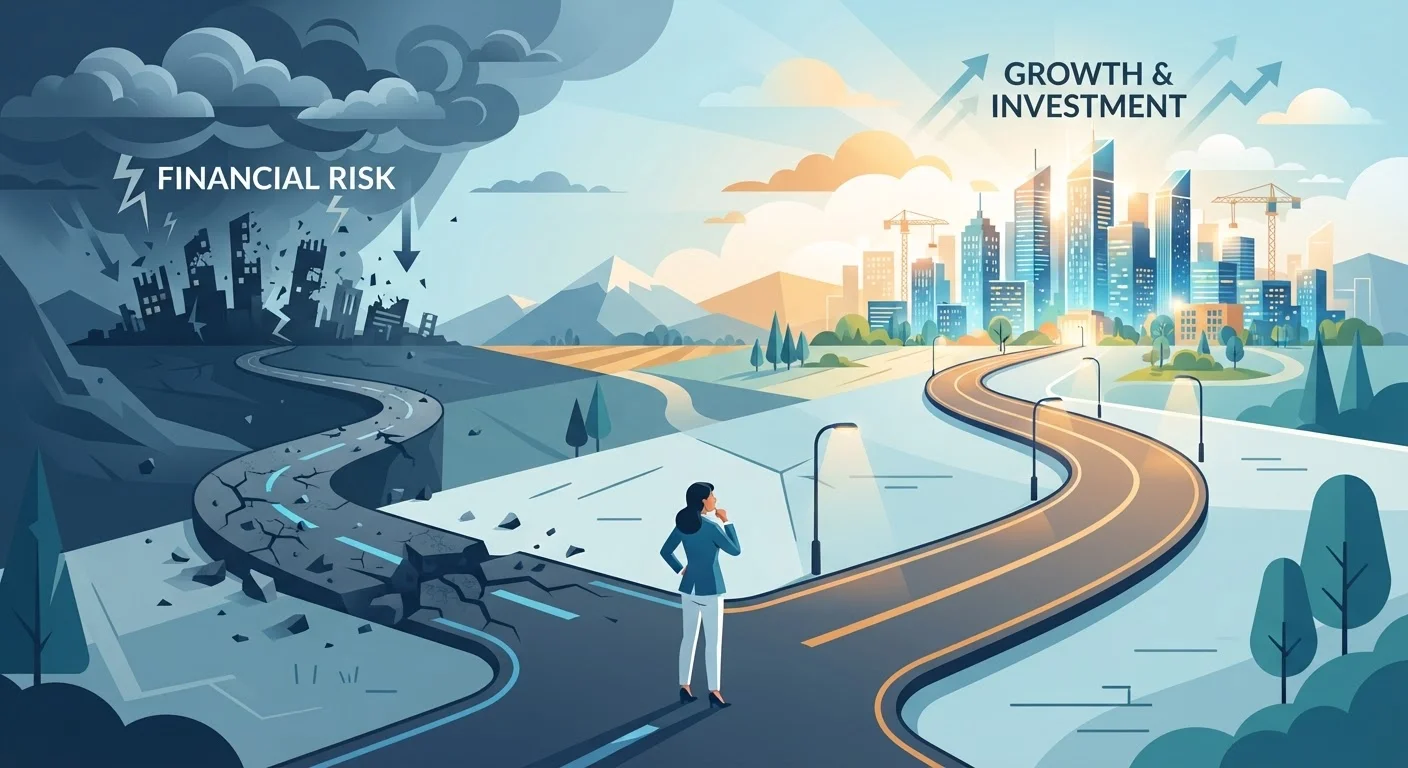
Most people learn to think of debt as simply something to avoid. But that all-or-nothing view can lead to poor decisions - like refusing a low-rate mortgage while carrying a high-interest car loan without a second thought. The real question isn't whether you owe money, but what you got in exchange and at what cost.
Understanding this distinction gives you a framework for evaluating any borrowing decision before you make it - rather than regretting it afterward. As the common beliefs about paying off debt article explores, the idea that "all debt is bad" is one of the most widespread - and misleading - money myths out there.
$17.5T
Total U.S. household debt
According to the Federal Reserve Bank of New York, total U.S. household debt reached approximately $17.5 trillion in 2024, with mortgages making up the largest share.
20%+
Average credit card interest rate
The Federal Reserve reported that average credit card interest rates surpassed 20% in recent years - a key reason high-balance credit card debt is widely classified as harmful.
$1.6T
Outstanding U.S. student loan debt
The Federal Reserve estimates outstanding student loan debt at roughly $1.6 trillion, illustrating how student borrowing spans the spectrum from productive investment to financial burden.
What Makes Debt "Good"
Debt is generally considered productive when it finances something that grows in value or increases your future earning power, and when the interest rate is low enough that the expected benefit outpaces the cost of borrowing.
- Mortgages: Real estate has historically appreciated over long periods, and mortgage interest rates are typically lower than other forms of consumer credit. The key caveat: the loan must be affordable within your budget.
- Student loans (in the right context): Borrowing to earn a credential that meaningfully raises your income can pay off - but only when the total debt is proportionate to expected earnings in your field.
- Small business loans: Financing a viable business can generate income that far exceeds the interest paid. The risk is significant, but the potential upside is also real.
If you're unfamiliar with terms like APR or amortization - which are essential for evaluating any loan - the personal finance terms guide is a useful plain-language reference.
Ask This Before You Borrow
Before taking on any debt, ask yourself two questions: What will this loan finance - something that grows in value or something that will depreciate? And is the interest rate low enough that the benefit is likely to outweigh the cost? If you can answer both clearly, you're making a deliberate decision rather than a reactive one.
What Makes Debt "Bad"
Bad debt tends to share a few recognizable traits: high interest rates, depreciating purchases, and no long-term financial return. Common examples include:
- High-interest credit card balances: When you carry a balance month to month at rates that can exceed 20% annually, even modest amounts grow quickly. You're paying a premium for consumption.
- Payday loans and cash advances: These often carry extremely high effective interest rates and can trap borrowers in a cycle of repeated borrowing.
- Auto loans for vehicles you can't afford: Cars depreciate the moment you drive them off the lot. Financing a vehicle with a manageable payment may be necessary, but stretching a loan term to buy more car than you need amplifies that loss.
Deciding where to draw these lines in your own life often comes down to distinguishing needs from wants - a judgment that shapes every budget and borrowing decision you make.
The Gray Zone: Debt That Can Go Either Way
The good/bad framework is useful, but the real world isn't always tidy. Some debt sits in a gray zone where the outcome depends heavily on your circumstances.
Consider a home equity loan: it uses the value in your home as collateral and often carries a lower rate than unsecured credit. Used to fund a high-value home improvement, it might increase your property's worth. Used to pay for a vacation, it converts an asset into consumption - and puts your home at greater risk.
Similarly, whether to save while repaying debt depends on the interest rate of your debt versus potential returns elsewhere. Carrying a 4% mortgage while building an emergency fund makes sense for many people. Carrying 22% credit card debt while adding to a savings account earning 4% does not.
“Debt is a tool. Like any tool, its value depends entirely on how it is used - and whether the person using it has a clear plan.”
— Tara Siegel Bernard, Personal Finance Reporter, The New York Times
This article is for general informational and educational purposes only and does not constitute financial, investment, tax, or legal advice. Consult a qualified financial professional before making decisions specific to your situation.