What Mise en Place Actually Means - and Why It Matters at Home
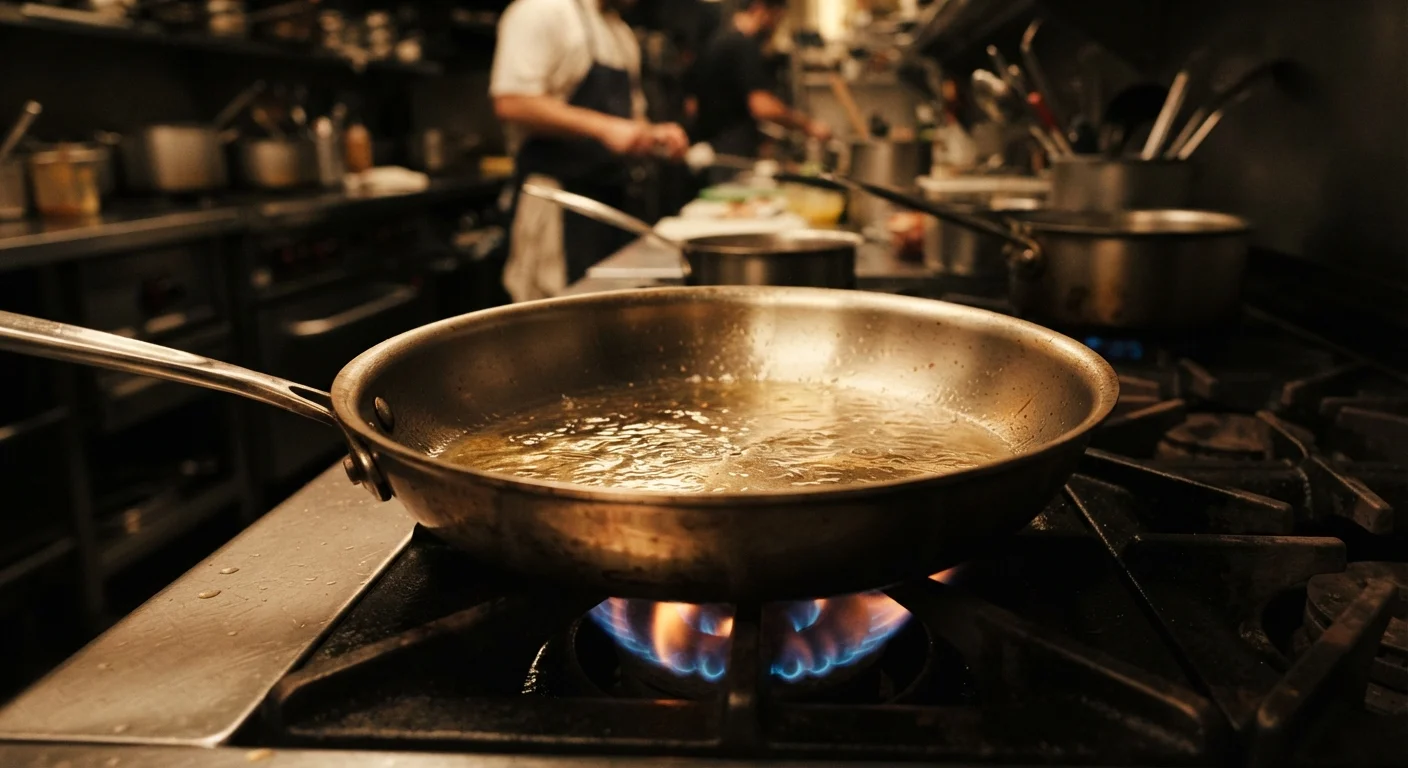
The French phrase mise en place (pronounced meez-ahn-PLAS) translates literally to "everything in its place." In professional kitchens, it's a non-negotiable discipline: nothing goes on the stove until every component is prepped, measured, and positioned. For home cooks, the concept is equally valuable - but it doesn't require culinary school rigor to apply it.
The core idea is simple: separate the thinking and the physical prep from the actual cooking. When you're standing at a hot pan, your attention should be entirely on what's happening in that pan - not on whether you remembered to mince the garlic. Mise en place eliminates that divided attention.
If weeknight cooking often feels rushed or reactive, the issue usually isn't the recipe itself. It's that prep and cooking are happening simultaneously, which compounds stress. A structured prep routine directly addresses this. It also pairs well with reading your recipe thoroughly before you start - two habits that reinforce each other.
What you will need
Building the Routine: Step by Step
The steps below reflect a practical home kitchen version of mise en place - adapted for weeknight reality rather than restaurant-scale production. The tools needed are minimal. What matters most is the sequence.
Chef's knife
The primary tool for chopping, slicing, and mincing ingredients during prep.
Cutting board
Provides a stable, safe surface for all ingredient prep work.
Small bowls or ramekins
Hold prepped ingredients separately so everything is ready to add at the right moment.
Measuring spoons and cups
Pre-measure spices and liquids to avoid guesswork mid-cook.
Kitchen scale
Useful for accurately portioning proteins or bulk ingredients by weight.
Read the entire recipe before you begin
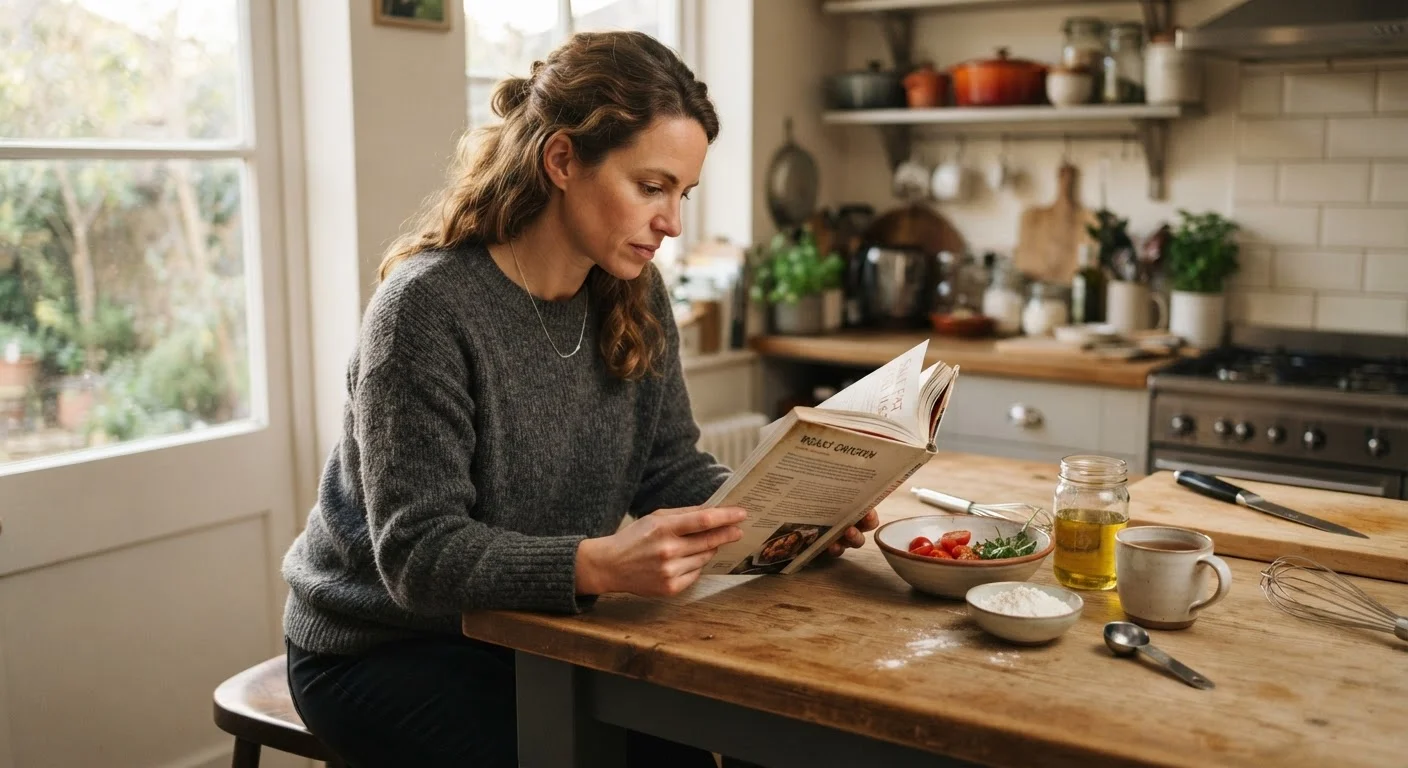
Before anything touches your cutting board, read your recipe from start to finish - not just the ingredient list, but every instruction. Note where timing overlaps, which ingredients need to be prepped the same way, and what the recipe requires you to do simultaneously. This single habit prevents most mid-cook surprises.
Clear and clean your workspace
Remove anything from your counter that isn't needed for this meal. Wipe the surface down. A clutter-free workspace isn't about aesthetics - it reduces the chance of knocking things over, keeps cross-contamination risks low, and gives you mental clarity to focus on the task. Set your cutting board near the stove so the distance from prep to pan is short.
Pull all ingredients before you start cutting
Gather everything the recipe calls for - proteins, vegetables, aromatics, pantry staples, spices - and place them on the counter. This is your moment to catch any missing ingredient before the stove is on. If something is absent, now is the time to substitute or make a quick decision, not midway through cooking.
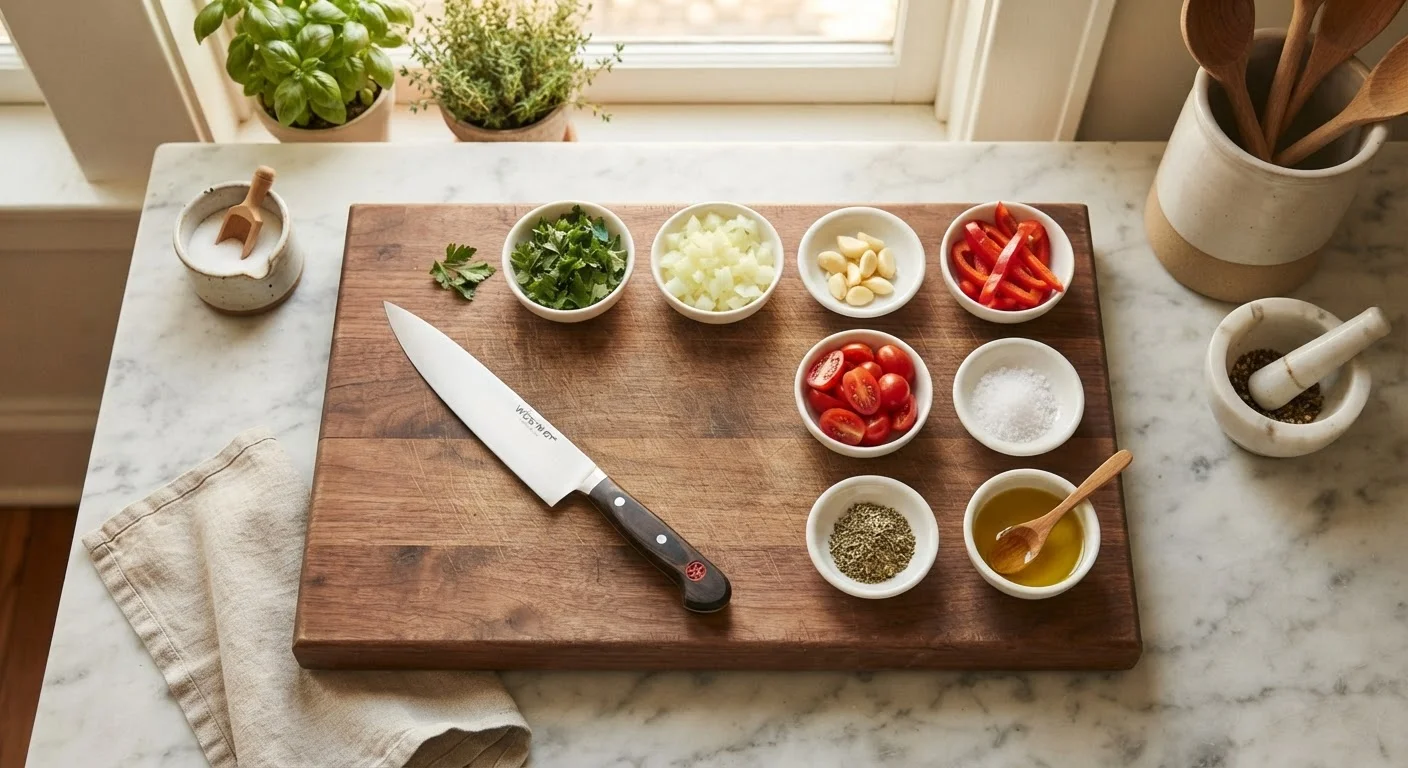
Prep and portion into small bowls
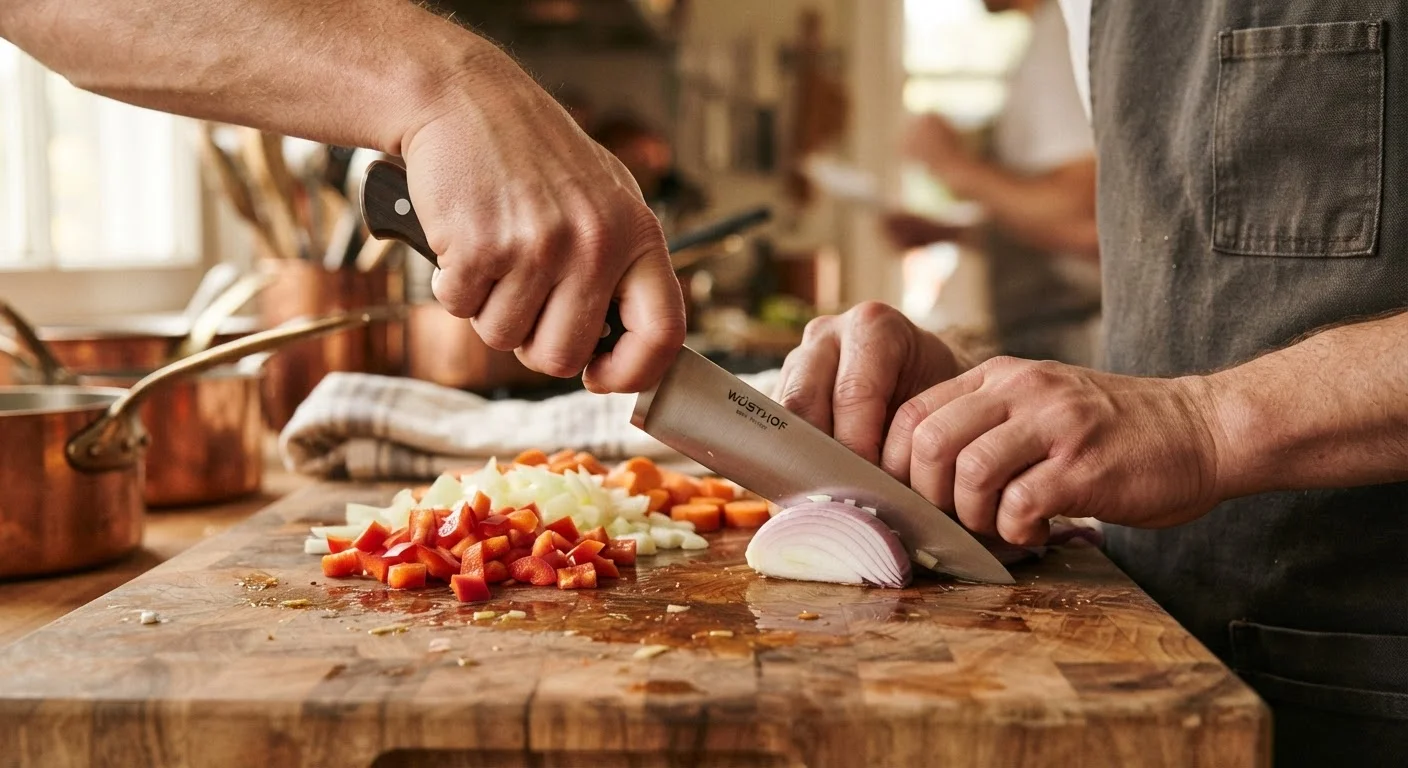
Work through your ingredient list methodically. Chop aromatics (onion, garlic, ginger), dice vegetables, measure spices, and portion proteins. Place each prepped component into its own small bowl or ramekin. This isn't about being precious - it's a functional system. When your oil hits the pan, you reach for the bowl and add the ingredient cleanly, without scrambling to chop anything mid-cook.
For spices that all go in together, combine them into one bowl. Same for aromatics added at the same step.
Set up liquids and sauces
Pre-measure any liquids - broth, wine, soy sauce, cream - into small cups or bowls. Sauces that require whisking (like a slurry or a pan sauce base) should be whisked and ready. Liquids added to a hot pan need to go in quickly; fumbling to measure while something is browning leads to overcooked food.
Do a final check before turning on the heat
Scan your workspace. Every ingredient should be prepped, portioned, and positioned. Confirm your bowls are arranged in the order you'll use them. Check that your pan, utensils, and any necessary lids are within reach. Only then turn on the heat. From this point forward, your job is to cook - not to prep.
Start Small to Build Confidence
If a full mise en place feels overwhelming on your first attempt, start with just one habit: reading the recipe before touching your knife. Add pre-measuring spices the following week. Building incrementally makes the routine sustainable rather than another thing to feel behind on.
Making the Habit Stick on Busy Nights
The biggest friction point for home cooks is feeling like mise en place takes too long on a weeknight. In practice, the added time is often 5-10 minutes of focused prep - and it eliminates the inefficiency of reactive cooking, which tends to produce both more stress and worse results.
A few strategies help make this feel manageable:
- Batch your prep earlier in the day. If you know what you're cooking for dinner, chop aromatics and portion proteins during a lunch break or before kids get home.
- Combine mise en place with meal planning. When you plan your week's meals in advance, you can prep shared ingredients - diced onions, washed greens, cooked grains - in one session rather than every night.
- Use the recipe's structure as your guide. A well-written recipe sequences ingredients in the order they're used. Prep in that order and your bowls will naturally be arranged correctly.
Over time, the routine becomes instinctive. You stop thinking about it as extra work and start experiencing it as the work - the part that makes everything else easier. For a broader look at sustaining good kitchen habits even when time is short, see practical approaches to cooking on a tight schedule. And if you want a comprehensive pre-cook checklist, this prep checklist covers tools, temperatures, and ingredients worth confirming before your first cut.
Don't Let Perfectionism Slow You Down
Mise en place is a functional system, not a performance. You don't need matching bowls or a photogenic counter arrangement. Small plates, repurposed containers, or even sections of your cutting board work fine. The goal is readiness - not aesthetics.