
Why Most Kitchen Mistakes Begin Before the Stove Is On
Ask an experienced cook what separates confident kitchen work from anxious scrambling and the answer is almost always preparation - not skill. Many home cooks dive into a recipe the way they might follow GPS directions: one step at a time, reacting to each instruction as it arrives. The result is surprise at the worst moments - discovering mid-recipe that you need an ingredient you don't have, or that the dough needed to chill for two hours.
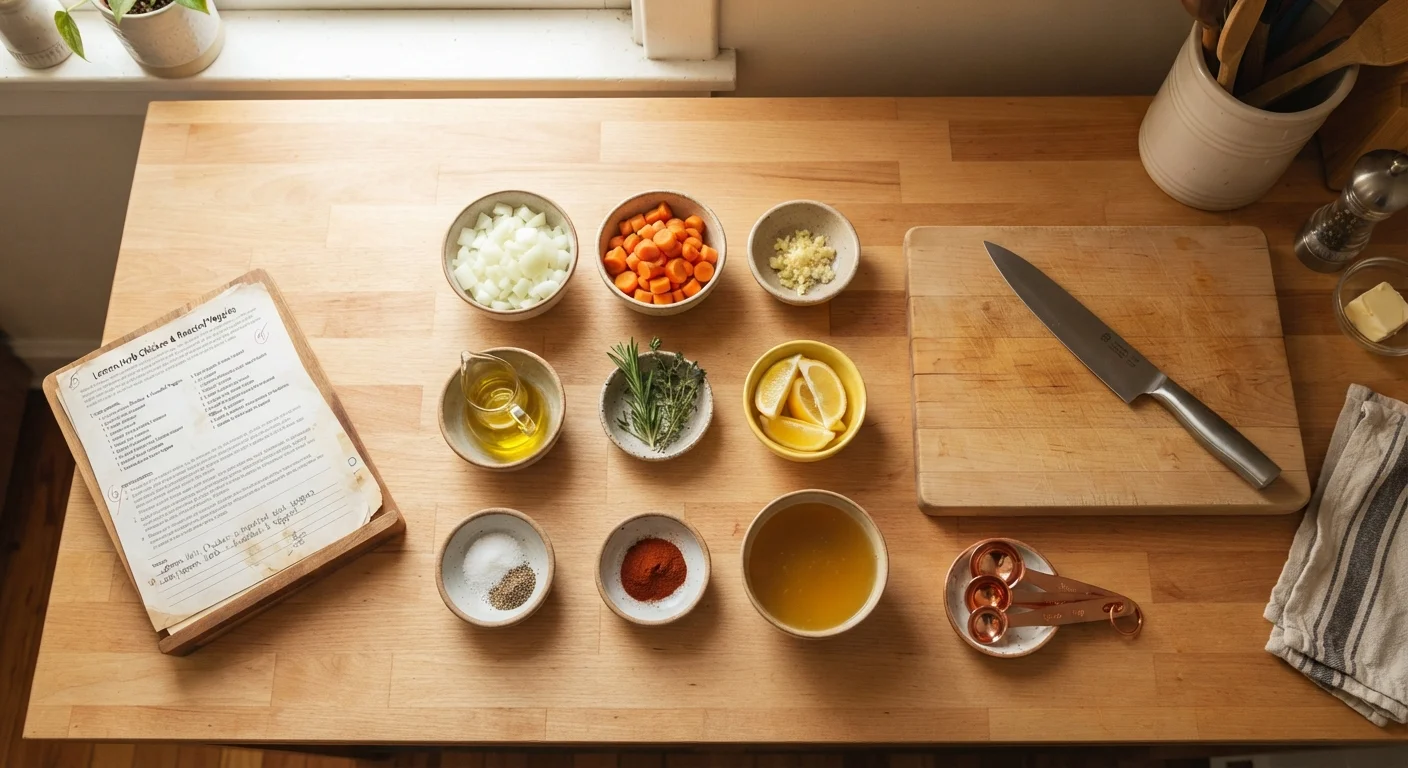
Reading a recipe fully before you cook is one of the simplest habits to build and one of the highest-return. It takes three to five minutes and converts a reactive process into a deliberate one. Think of it as a dry run: you're mentally rehearsing the sequence, checking for gaps, and setting yourself up to cook - rather than decode - when the heat is on.
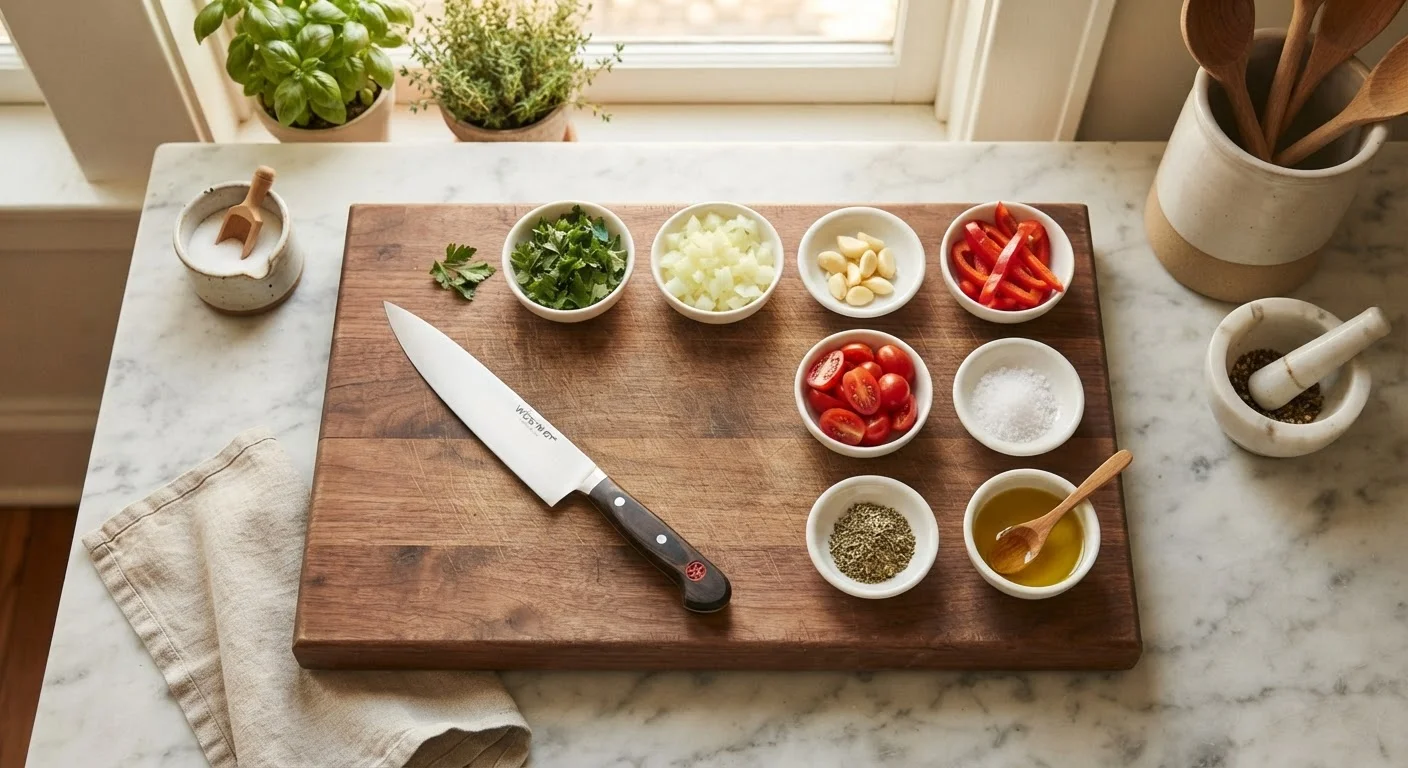
This approach pairs naturally with a mise en place routine, where ingredients are measured and prepped before cooking starts. Both habits share the same logic: front-load the thinking so the cooking flows.
How to Pre-Read a Recipe Effectively
A recipe pre-read isn't the same as skimming. The goal is a structured pass through the full document - ingredient list, instructions, and any notes - with specific things in mind.
Read the recipe from top to bottom before touching any ingredient.
A complete first read gives you the full picture - how many steps are involved, what the finished dish should look like, and whether any stage requires special timing. It's the single most effective way to avoid being caught off guard mid-cook.
Note any equipment the recipe requires before you begin prep.
Missing a piece of equipment mid-cook - a Dutch oven, a fine-mesh sieve, a kitchen thermometer - can stall or derail a dish entirely. Identifying needs in advance lets you substitute or borrow before it becomes urgent.
Flag any ingredient prep that must happen in advance.
Many recipes contain steps that look like part of the active cooking process but are actually prep steps: marinating meat overnight, bringing butter to room temperature, or soaking dried beans. Missing these can make a recipe impossible to finish as written.
Identify any technique or term you don't recognize and look it up first.
Instructions like 'fold gently,' 'deglaze the pan,' or 'bloom the spices' each refer to specific techniques. Pausing to Google a term while a sauce is reducing leads to errors; understanding it beforehand keeps you focused.
Map out the full timeline, including any passive waiting periods.
Active cook time and total time are often very different. Understanding where the passive periods fall - resting meat, chilling dough, reducing a sauce - lets you use those windows for cleanup, side dishes, or prep for the next stage.
Recipe Formats Vary Widely
Recipes from different sources - cookbooks, food blogs, culinary schools - are not standardized. Some list ingredients as you need them; others group everything at the top. Some assume familiarity with basic techniques, while others spell out every step. Getting a feel for a recipe's structure during your pre-read helps you navigate it more confidently while cooking.
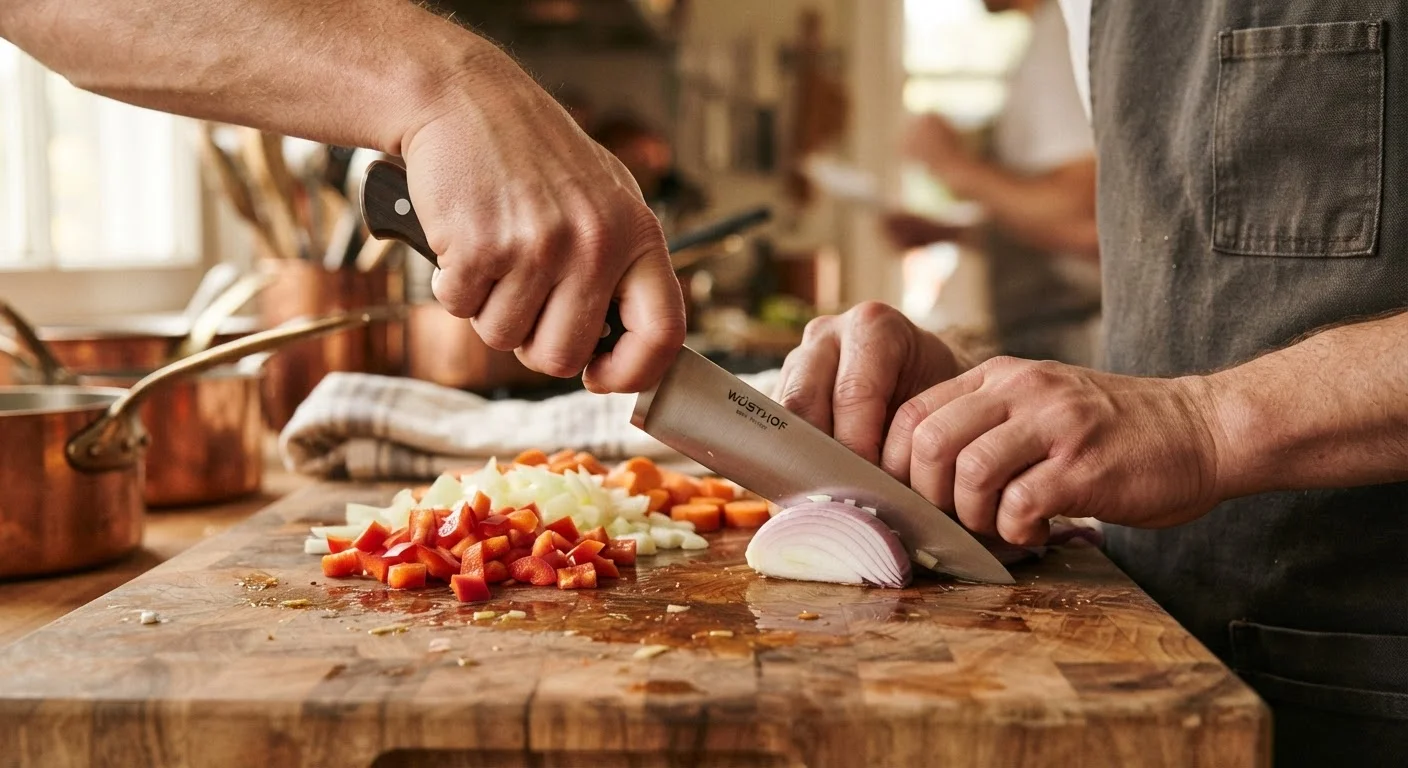
Once you've identified these elements, you're ready to move into prep. Our prep checklist guide offers a complementary approach for confirming tools and temperatures before the first cut.
Start the Habit Today
The pre-read habit pays for itself quickly. After a few recipes, scanning for timing, equipment, and technique becomes second nature - a brief, automatic step that makes everything that follows more controlled.
Small technique gains compound. Once you're reading recipes deliberately, you'll also start noticing patterns: how braising differs from roasting, why some recipes build flavor in stages, and when salting at each stage rather than at the end changes a dish. A better-read cook is, over time, a more intuitive one.
This article is for general informational and educational purposes only. For guidance on specific dietary needs or health conditions, consult a qualified healthcare professional.