What Aging-in-Place Means
Aging-in-place refers to the ability to live in your own home comfortably, safely, and independently as you grow older or as physical needs change - without requiring a move to assisted living or a care facility. The concept recognizes that our homes are often designed for peak-mobility adults, and that most homes need some thoughtful adaptation over time.
These modifications are not exclusively about old age. A person recovering from surgery, someone managing a chronic condition, or a family member with a disability may benefit from the same changes. Many features also simply make a home more functional for everyone. Think of them as good design that happens to be particularly important at certain life stages.
Aging-in-place
The ability to live in one's own home safely and independently as health or mobility needs change, without relocating to a care facility.
Universal design
A design philosophy where spaces are built from the outset to be usable by people of all ages and abilities, removing barriers rather than adding accommodations later.
CAPS (Certified Aging-in-Place Specialist)
A professional trained to assess homes and recommend modifications that support safe, independent living as people age.
Grab bar
A wall-mounted bar installed in bathrooms or other areas to provide a stable handhold and reduce fall risk during daily activities.
Step-free entry
A home entrance that has no raised threshold or steps, allowing access without lifting feet - useful for wheelchairs, walkers, and anyone with limited mobility.
Area Agency on Aging
A federally funded local organization that connects older adults and caregivers to community services, including information about home modification assistance programs.
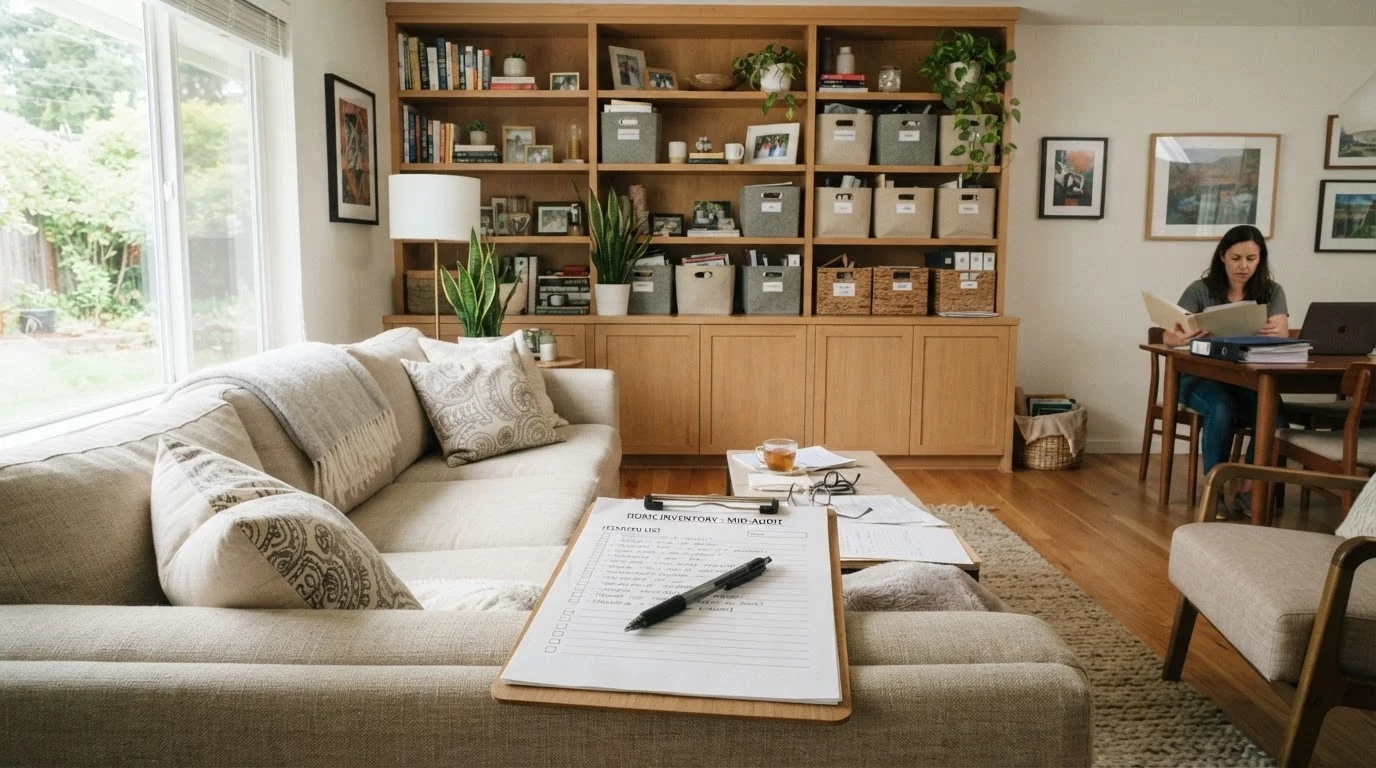
For households already thinking about how their living spaces work day-to-day, a room-by-room organization audit offers a useful parallel: identifying what actually needs to change before making any moves.
The Most Common Modifications
Modifications generally fall into a few categories based on where in the home risk and friction are highest.
Entrances and Transitions
- Step-free or ramped entries: Eliminate trip hazards and allow wheelchair or walker access.
- Wider doorways: Standard 28-30-inch openings can be widened to 32-36 inches to accommodate mobility aids.
- Lever-style door handles: Easier to operate than round knobs for those with limited grip strength.
Bathrooms
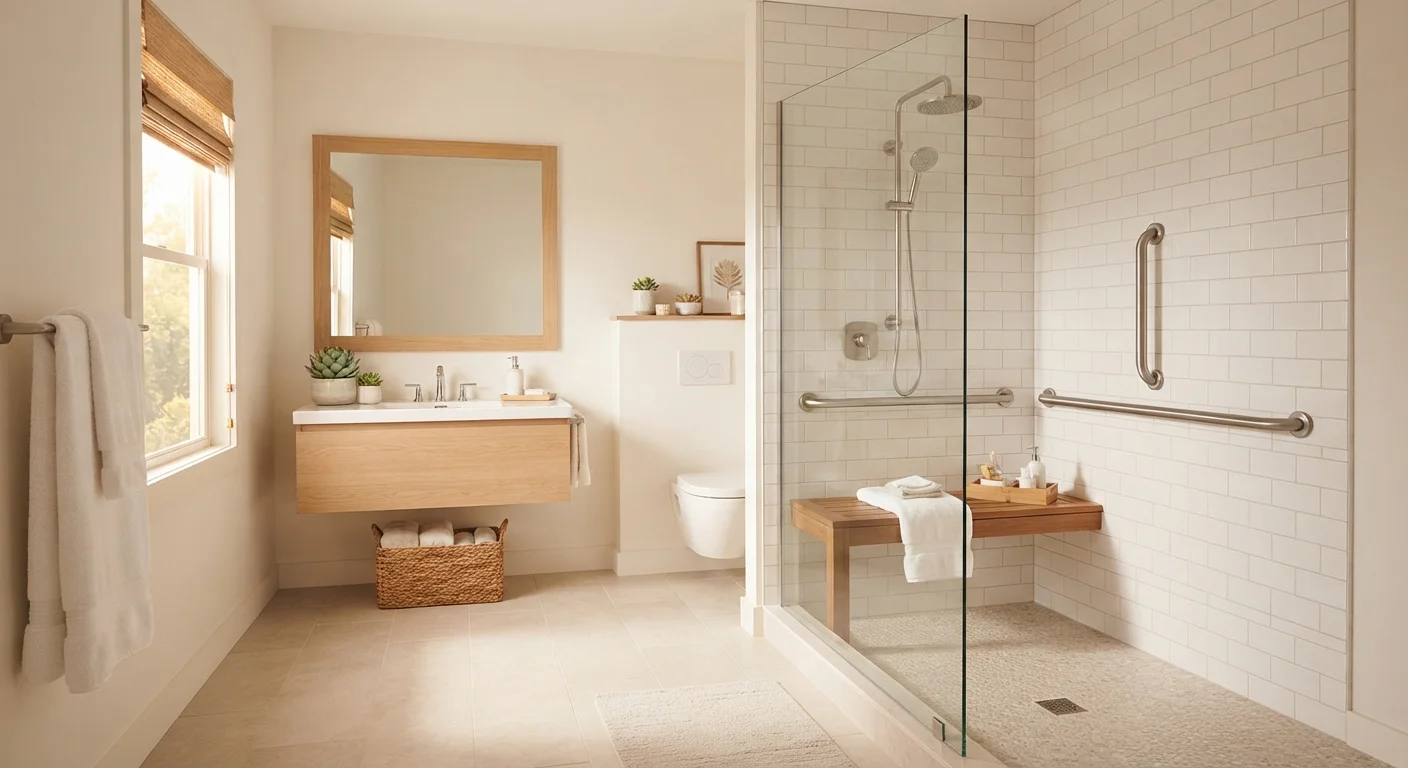
- Grab bars: Installed near the toilet and inside the shower or tub to prevent falls.
- Walk-in or roll-in showers: Eliminate the step-over threshold of traditional tub-shower combos.
- Handheld showerheads and shower seats: Allow bathing while seated and provide flexibility of reach.
Kitchens and Living Areas
- Varied counter heights: Lower sections allow seated use; pull-out shelves reduce the need to reach into deep cabinets.
- Improved lighting: Brighter, well-placed lighting reduces fall risk and eye strain.
- Non-slip flooring: Replacing smooth surfaces with textured or low-pile options reduces sliding.
Plan modifications during existing renovations
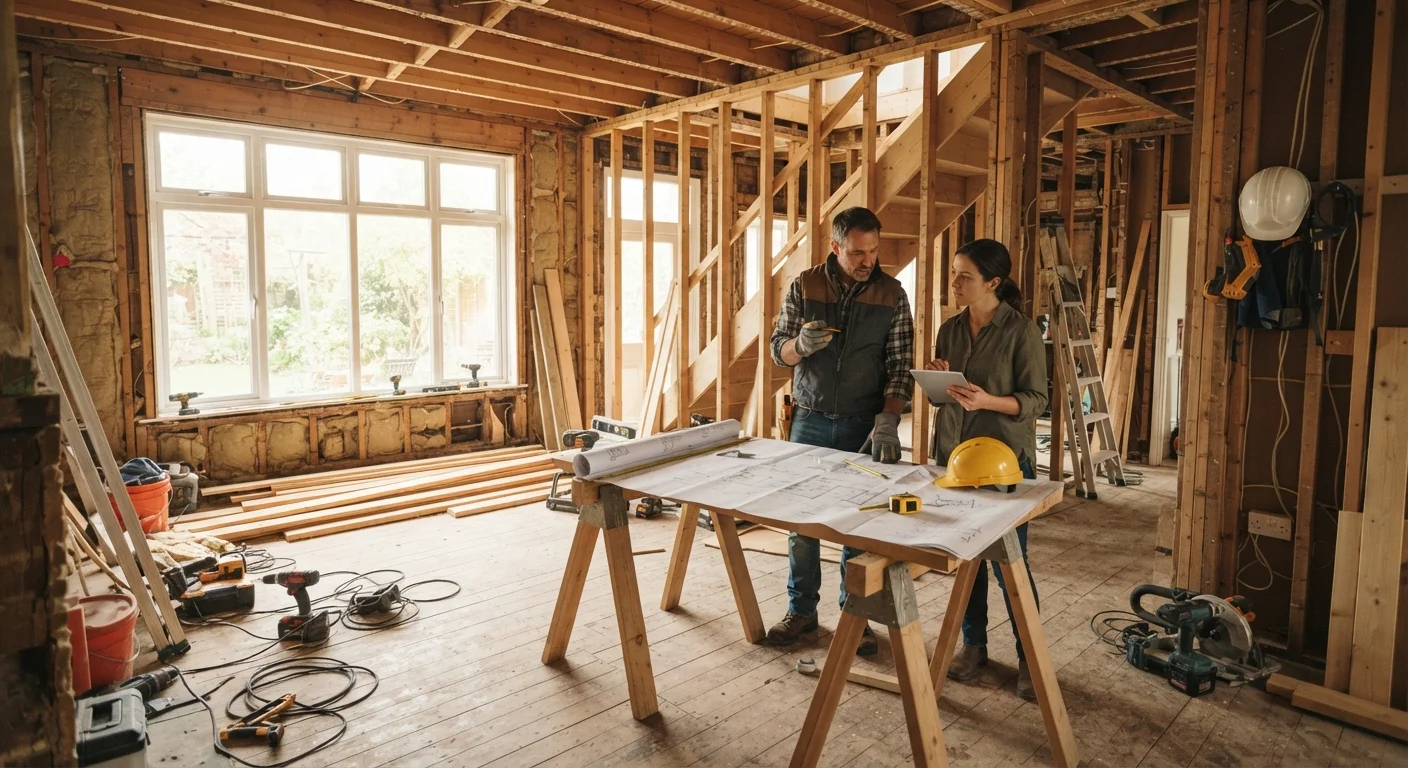
The most cost-efficient time to incorporate aging-in-place features is during a planned remodel - when walls are open and contractors are already on-site. Adding blocking for future grab bars during a bathroom tile project, for example, costs a fraction of retrofitting later. If a renovation is coming up, use it as an opportunity to think ahead.
For homes with limited square footage, targeted modifications often accomplish more than full renovations. The principles overlap with upgrades that change how a room functions for any household.
When to Start Planning
The most common mistake homeowners make is waiting until a health event forces the issue. Modifications completed under pressure - after a fall, following surgery, or during a sudden transition - tend to be more expensive, more disruptive, and less well-considered.
A more effective approach is to begin a preliminary assessment during a larger home project, such as a bathroom remodel or kitchen update. Incorporating accessible design at that stage adds comparatively little cost versus retrofitting later. Even if you are years away from needing modifications, identifying which changes would be most impactful helps you budget and sequence work intelligently.
Don't wait for a health crisis to act
Modifications planned reactively - after a fall or sudden diagnosis - are often rushed, more expensive, and may not reflect the household's actual long-term needs. Starting even a basic assessment years in advance allows for better decisions, phased budgeting, and less disruption to daily life.
Consulting the pre-renovation checklist before any major project ensures you are not overlooking structural, financial, or logistical factors that could affect your plans.
Working with Professionals
Some modifications are straightforward DIY tasks - replacing door hardware, adding a handheld showerhead, or installing a grab bar into a properly reinforced wall. Others require professional skill and, in many cases, licensed contractors.
A Certified Aging-in-Place Specialist (CAPS) - a designation offered through the National Association of Home Builders - is trained to evaluate homes and recommend modifications based on individual needs. Occupational therapists are also valuable partners; they can assess mobility and daily function, then recommend which physical changes would have the greatest practical impact.
For tasks involving electrical work, structural changes, or load-bearing elements, always hire a licensed professional. These are not areas where cost-cutting shortcuts pay off. General home maintenance principles covered in the home maintenance hub apply here too: safe, code-compliant work protects both the occupant and the home's long-term value.
Permits, Codes, and Costs
Many aging-in-place modifications touch areas that local building codes regulate. Widening a doorway, adding a ramp, or modifying plumbing typically requires a permit and inspection. Skipping this step can create problems when selling the home or filing an insurance claim, and may leave unsafe work uncorrected.
Always contact your local building department before beginning any structural or mechanical work. Requirements differ significantly between municipalities, so general guidance from the internet is not a substitute for your jurisdiction's specific rules.
Costs are highly variable. Labor markets, materials, and the scope of work all factor in. Some households may qualify for local or state grant programs, low-interest loan options, or nonprofit assistance for accessibility modifications - particularly for lower-income older adults. Your local Area Agency on Aging is one starting point for exploring what programs may be available in your community.
This article is for general informational purposes only and does not constitute professional advice. Consult a licensed contractor, occupational therapist, or other qualified professional for guidance specific to your home and circumstances.