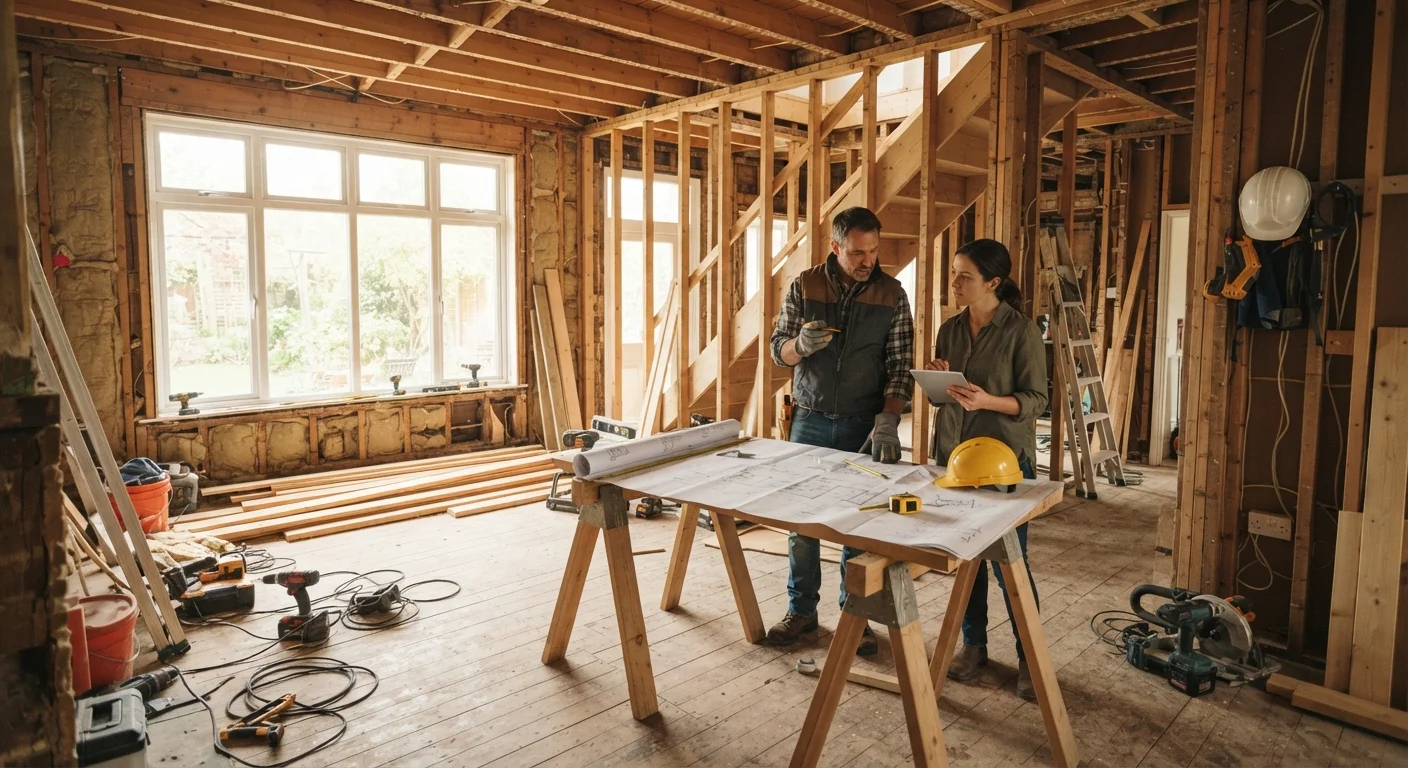
Why This Decision Is Harder Than It Looks
The impulse to DIY usually starts with a simple calculation: skip the labor cost, save money. The impulse to hire out often comes from uncertainty or a tight deadline. But both instincts can lead you astray if they aren't grounded in an honest assessment of the project itself.
Before you touch a tool or call a contractor, it's worth asking a more structured set of questions. What does the project actually require-in skill, time, and legal compliance? What happens if something goes wrong? And what are the real costs on both sides, not just the obvious ones?
Our pre-renovation assessment checklist is a useful starting point before you commit to either path.
Skill and Safety: Knowing Your Honest Limits
Enthusiasm is not the same as competence, and overestimating your abilities is one of the most common and costly DIY mistakes. Certain tasks have a steep, unforgiving learning curve-tiling, drywalling, and finish carpentry require consistent technique that takes practice to develop. Other tasks are genuinely dangerous if done incorrectly.
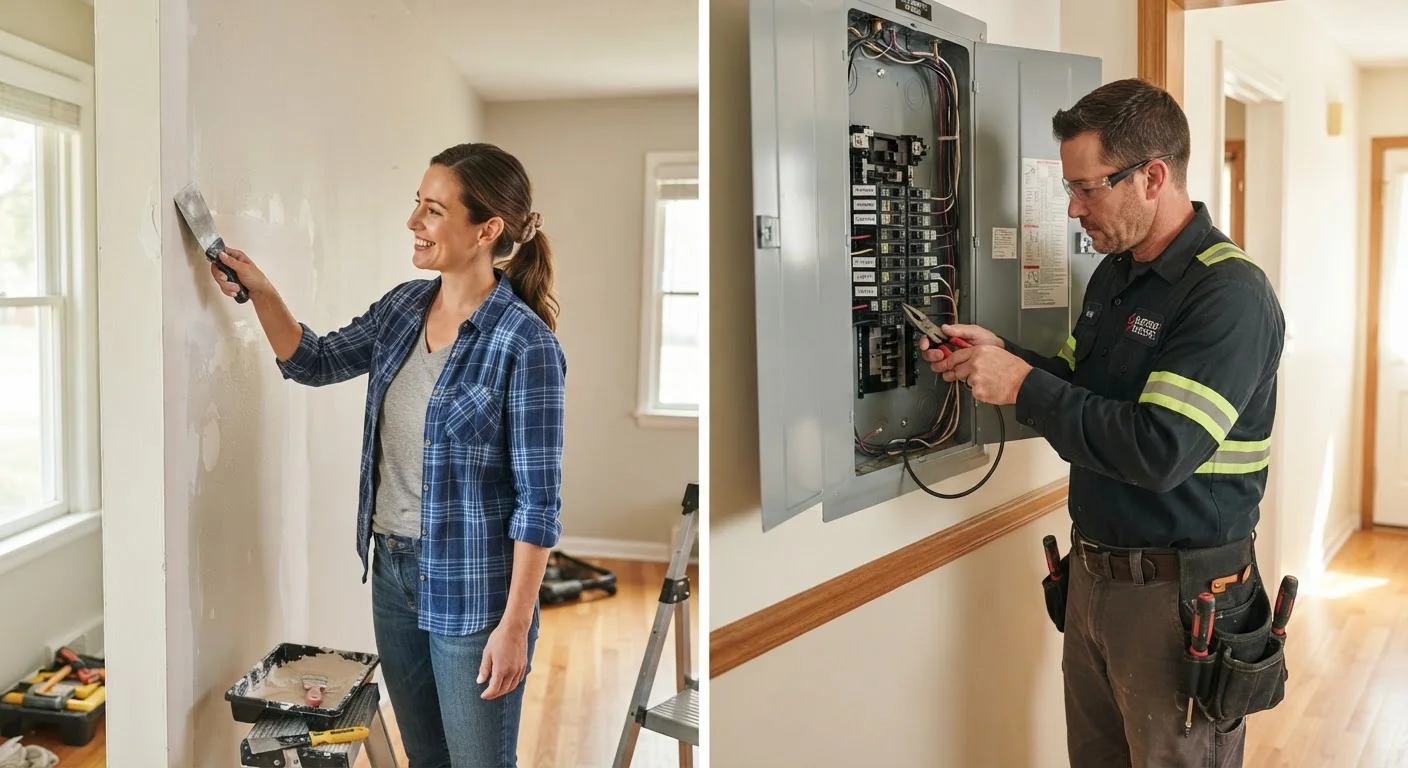
Work involving electrical panels, gas lines, or load-bearing structural elements carries real risk of injury, fire, or structural failure. In most U.S. jurisdictions, this type of work must be performed-or at minimum inspected-by a licensed professional. Attempting it yourself may not just be unsafe; it may be illegal. See our guide on which repairs are genuinely DIY-safe for a clearer breakdown.
Never DIY Licensed-Trade Work Without Verification
Electrical panel work, gas line connections, and structural modifications are regulated in most U.S. states and municipalities. Performing this work without a license-or without proper permits and inspections-can void your homeowner's insurance, create liability if anyone is harmed, and result in costly required corrections at resale. Always verify local requirements with your building department before starting any project that touches these systems.
Cosmetic and low-complexity tasks-painting interior walls, replacing hardware, assembling flat-pack furniture, basic landscaping-are generally appropriate DIY territory for most capable adults. The line tends to fall at anything that opens up walls, touches utilities, or requires a permit.
Permits, Codes, and Liability
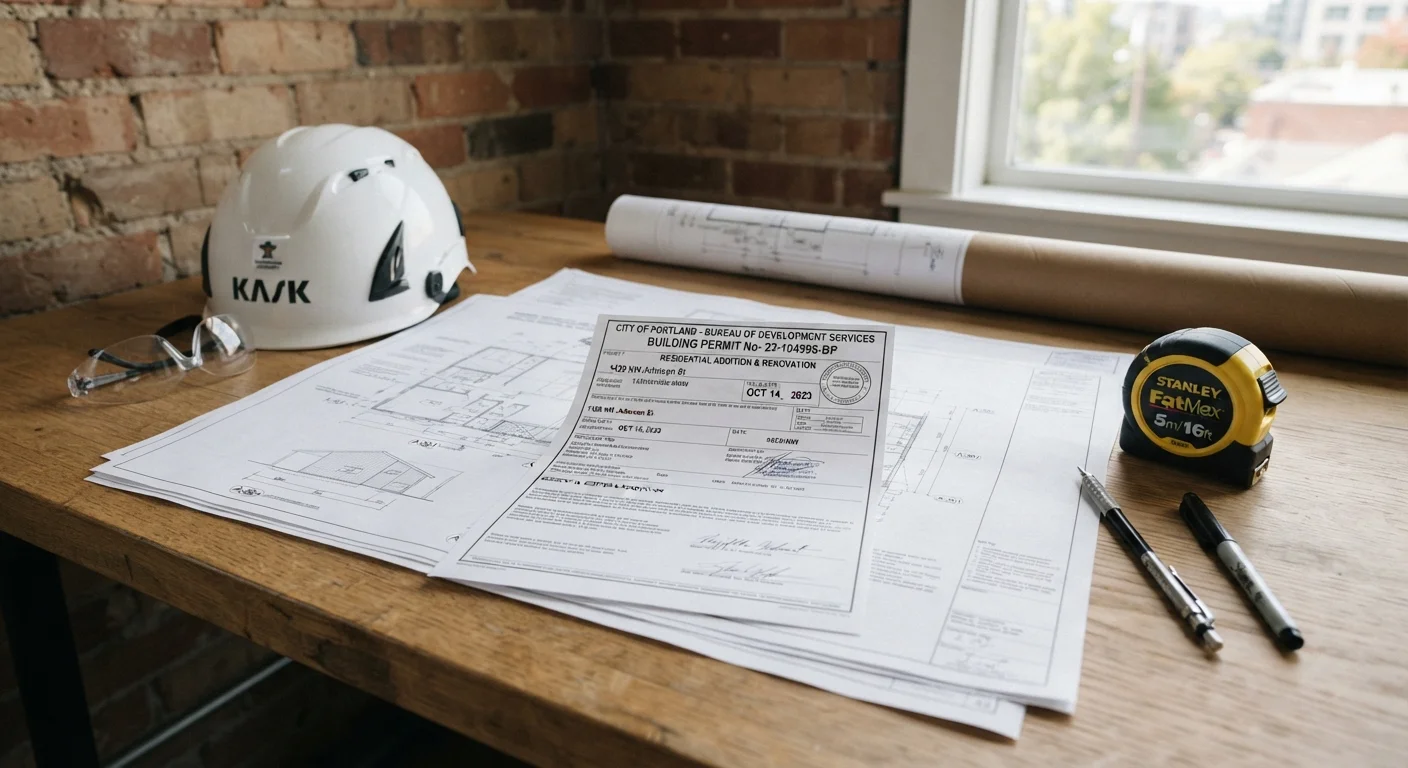
Building permits exist for good reason: they ensure that work affecting your home's structure or systems meets minimum safety standards and is inspected accordingly. Skipping a required permit doesn't make the work invisible-it can surface when you sell the home, file an insurance claim, or when an inspector flags unpermitted work during a future renovation.
Unpermitted work can lead to required demolition, reinspection costs, reduced home value, or complications with your homeowner's insurance. Our article on what a building permit actually covers explains these stakes clearly.
When you hire a licensed contractor, they typically pull the permit, carry liability insurance, and assume responsibility for code compliance. When you DIY permitted work, you become the responsible party-including for any defects discovered later. That's not a reason to avoid DIY, but it is a reason to understand what you're taking on.
When in Doubt, Get a Quote First
Getting a contractor estimate doesn't obligate you to hire anyone-but it gives you a concrete number to compare against your true DIY cost (time + materials + risk). Many homeowners who plan to DIY change their minds once they see a reasonable professional quote, and vice versa. Use the estimate as information, not a commitment.
Comparing the Real Costs
Labor typically accounts for a substantial portion of most home improvement project costs, so DIY can produce meaningful savings-when the work goes well. But the full cost picture includes your time, any tools or equipment you need to purchase or rent, the cost of mistakes, and potential rework.
Contractors bring expertise, established supplier relationships, and accountability. Their quotes will include overhead and profit, which is reasonable for the service they're providing. Understanding those quotes is its own skill; our guide to reading contractor estimates can help you evaluate what you're actually paying for.
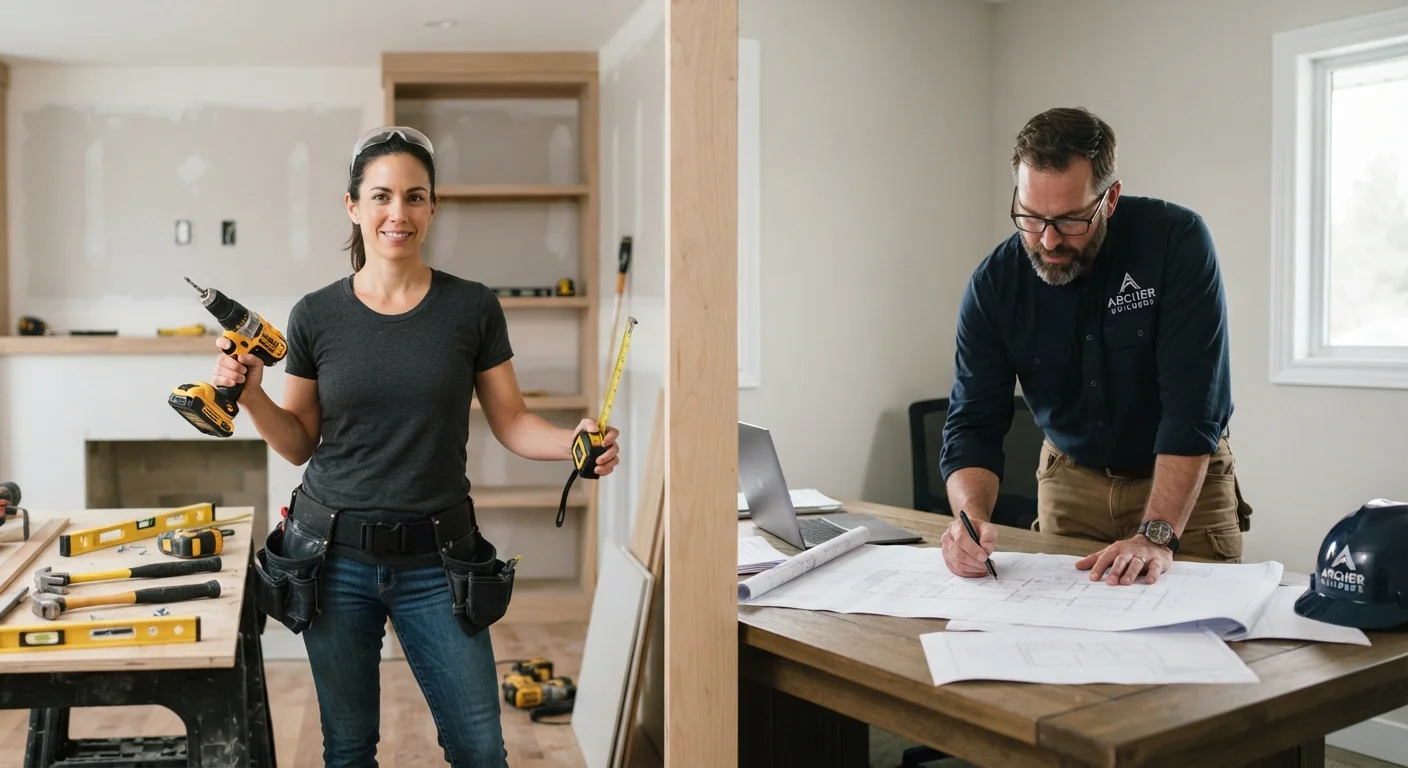
| DIY | Hiring a Contractor | |
|---|---|---|
| Labor cost | None (your time) | Significant; varies by trade and region |
| Skill requirement | Depends on task; self-assessed | Professionally verified; licensed trades |
| Permit responsibility | Homeowner pulls permit and manages inspection | Contractor typically handles permits |
| Liability if work fails | Homeowner bears full liability | Contractor's insurance and license at stake |
| Timeline | Flexible but often slower | Faster; contractor works daily |
| Quality consistency | Variable; depends on experience | Generally more consistent and warrantied |
| Best suited for | Low-risk, cosmetic, or simple tasks | Complex, permitted, or high-stakes work |
Time is also a real cost. A weekend project that drags into three months because of learning curves or material delays affects your household and your stress level. Contractors can often complete work faster simply because they do it every day.
Making the Call: A Framework for Your Specific Project
Rather than defaulting to one approach, evaluate each project individually using these factors:
- Skill match: Do you have documented, practiced experience with this specific type of work-not just related work?
- Permit requirement: Does your local jurisdiction require a permit? If yes, are you prepared to act as your own general contractor and manage the inspection process?
- Safety stakes: What is the worst plausible outcome if the work fails? If it involves fire, flooding, or structural collapse, that risk calculus matters.
- True time cost: How many hours will this realistically take you, including research, material runs, and rework? What is that time worth to you?
- Recoverability: If you make a mistake, is it easy to fix, or does it create a cascading problem?
For projects where you decide to hire out, maintaining clear communication throughout the project is essential to keeping the work on track. And general financial planning for home projects is worth reviewing through our budgeting basics resources before you commit to a scope.