Why Grout Cracks in the First Place
Grout looks like a simple material, but it performs a surprisingly demanding job. It holds tiles in alignment, seals gaps against moisture, and absorbs the minor flexing that every structure experiences. When it cracks, most homeowners assume the grout itself is defective or just old. Usually, that's not the whole story.
The most common underlying cause is substrate movement. Wood subfloors flex under foot traffic. Walls shift with seasonal humidity changes. If the tile installation doesn't account for that movement - through proper backer board, adequate mortar coverage, or expansion joints - grout takes the stress and eventually fails. No cosmetic repair will hold if the root cause isn't addressed first.
Other contributors include improper grout mixing (too much water weakens the final product), insufficient curing time before the tile sees moisture, and settlement in older homes. In wet areas like showers, thermal expansion from hot water accelerates deterioration in grout that's already under stress. For a broader look at how surface symptoms can mask deeper problems, see common home maintenance myths debunked.
Cracked Grout in Wet Areas Needs Prompt Attention
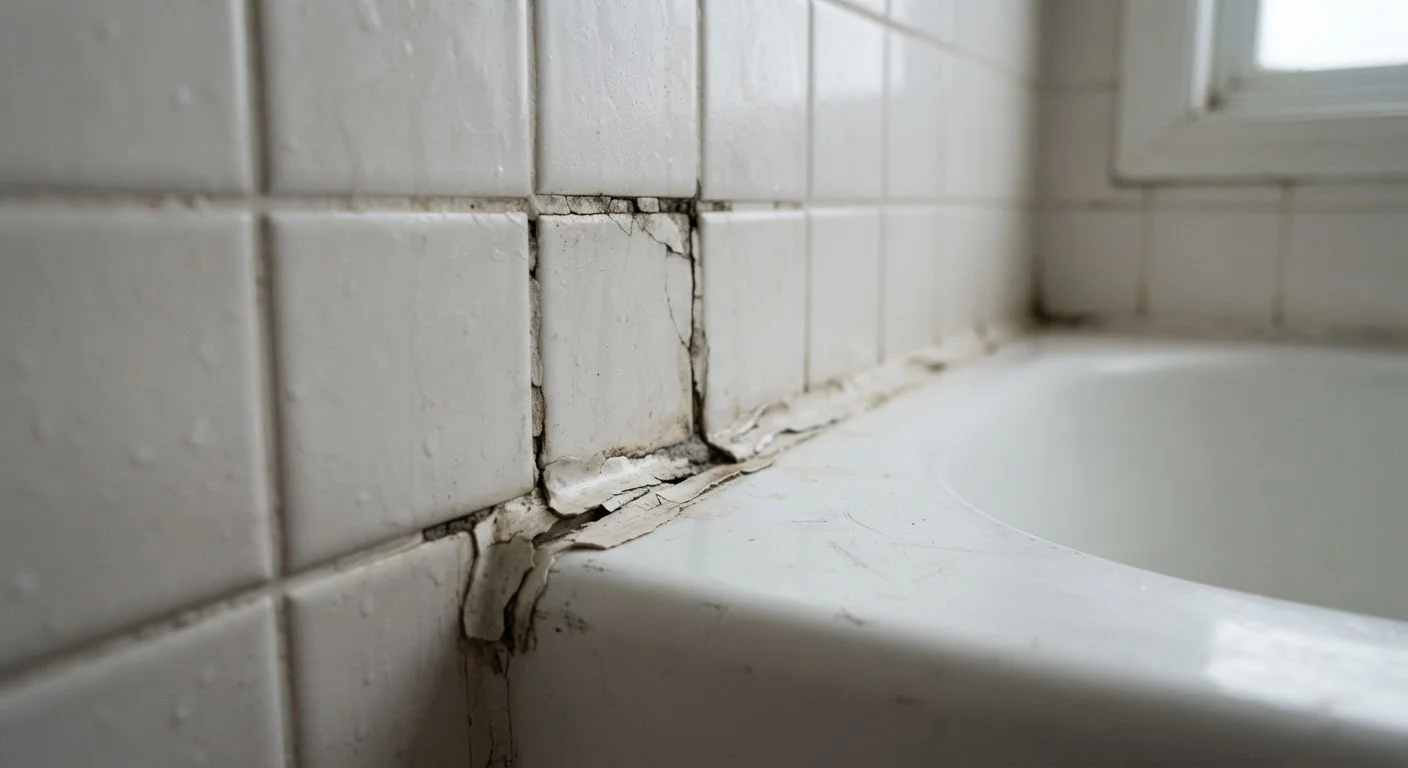
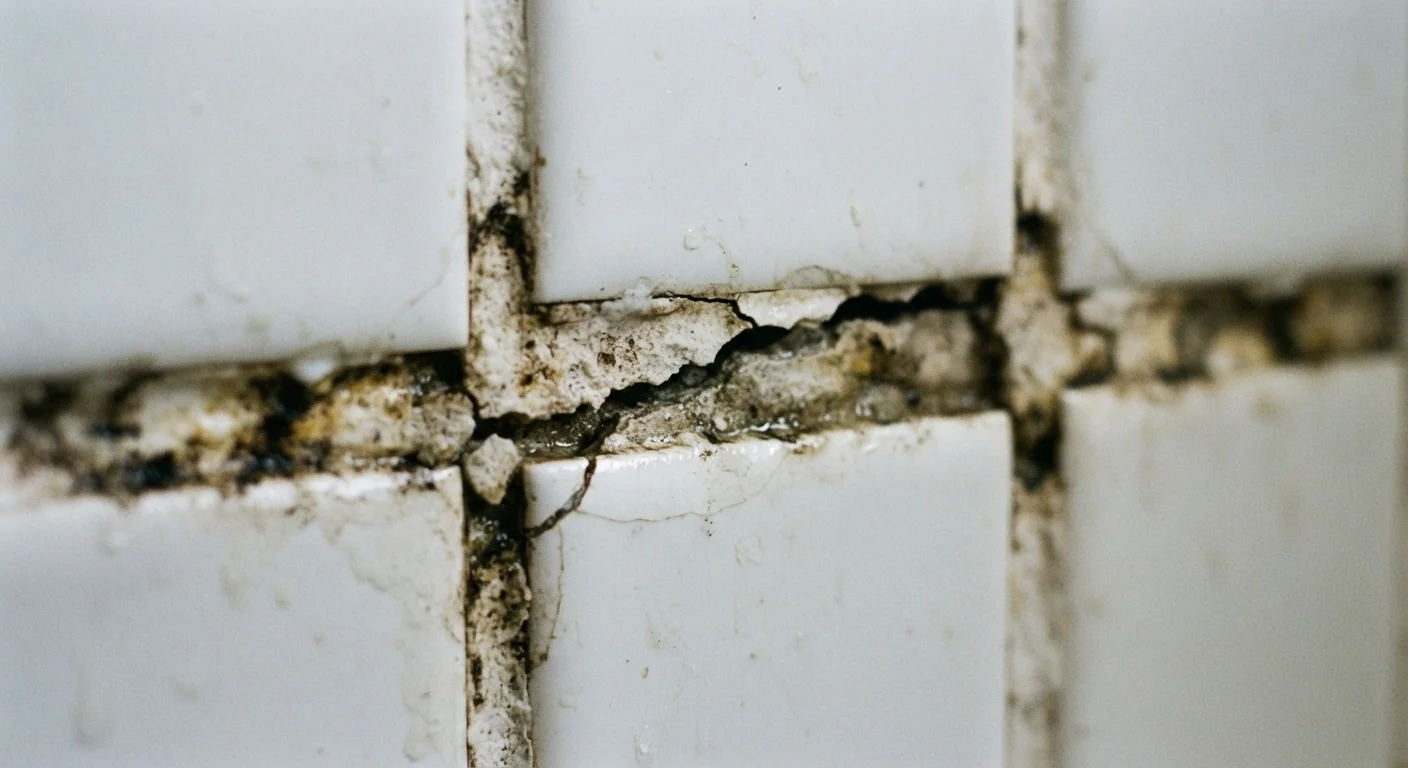
In a shower or around a bathtub, cracked grout is an active water intrusion risk - not just a cosmetic issue. Even small gaps allow moisture to reach the wall assembly over time. Mold growth and backer board deterioration can develop well before visible signs appear on the surface. Don't delay evaluation and repair in wet zones.
The Mistakes Homeowners Make When Repairing Grout
Grout repair is one of those tasks that looks straightforward but has several reliable failure points. Understanding what goes wrong - and why - is the difference between a fix that lasts years and one that fails within months.
Applying new grout directly over old cracked grout without removing the damaged material first.
Why it happens: It looks like a time-saver and the logic seems sound - fill the crack and seal it. But cracked grout has lost its bond, and new grout won't adhere reliably to a compromised surface.
Using the wrong grout type for the joint width or location.
Why it happens: Many homeowners pick up a single product without checking whether it's sanded or unsanded grout - a distinction that matters significantly. Sanded grout is designed for joints wider than 1/8 inch; unsanded for narrower joints.
Grouting corner joints and change-of-plane areas instead of using flexible caulk.
Why it happens: Grout looks uniform and is what's already in place, so homeowners naturally reach for it everywhere. But inside corners and the joint where a wall meets a floor or tub deck flex differently than flat surfaces.
Adding too much water when mixing powdered grout.
Why it happens: A looser mix is easier to work with, and the instructions on the package can seem conservative. Homeowners often add water incrementally until the grout feels workable.
Exposing freshly grouted tile to water too soon after application.
Why it happens: Once the surface looks set and the haze has been cleaned off, it's easy to assume the grout is ready. Curing and drying are different processes - grout continues to harden for days after it looks finished.
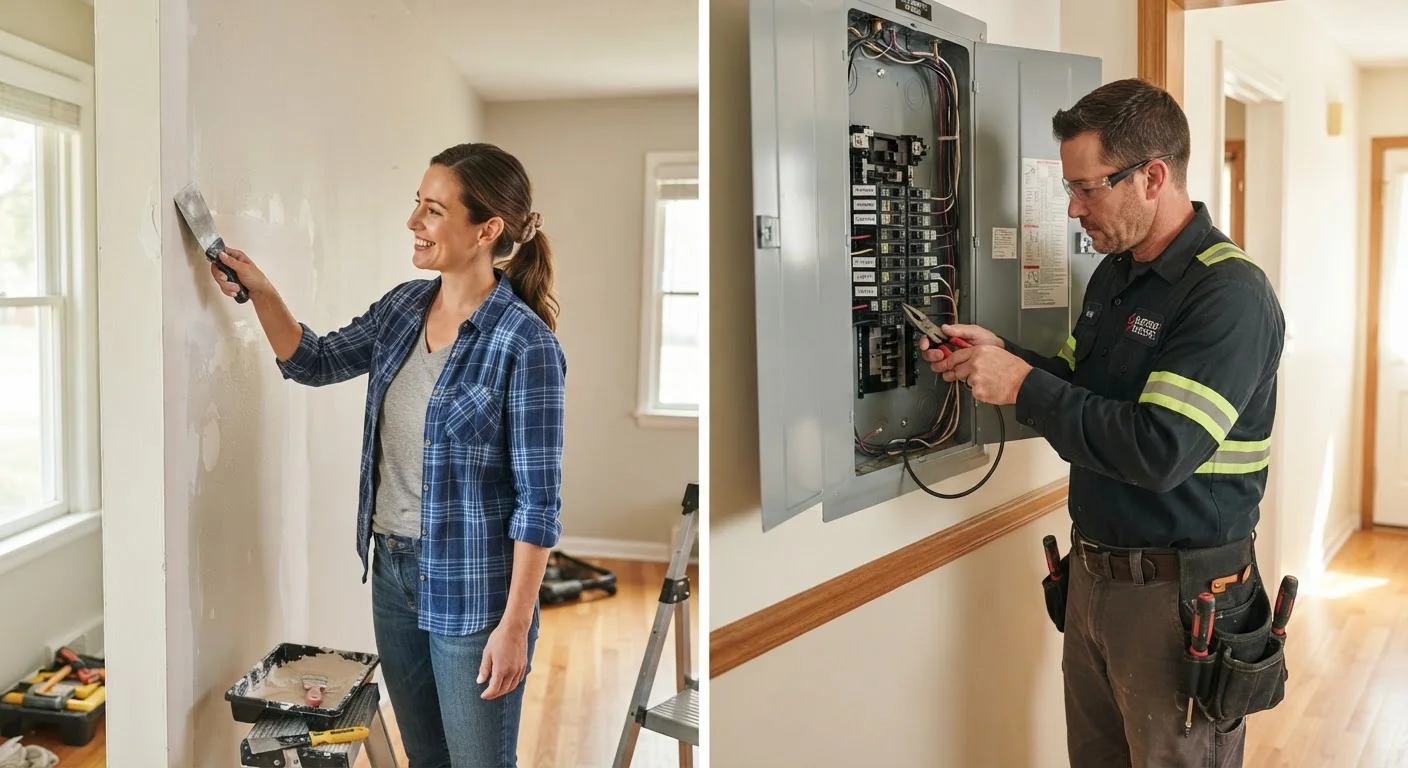
If you're unsure whether your grout repair is a manageable DIY task or a sign of something more serious, this guide to DIY versus professional repairs can help you make that call with confidence.
When Cracked Grout Becomes a Bigger Problem
Cracked grout in a dry area - like a kitchen backsplash - is mostly cosmetic and can wait. Cracked grout in a shower or around a tub is a different matter entirely. Water that penetrates grout lines reaches the backer board, then the wall framing, and eventually creates conditions for mold and structural rot. Homeowners often don't discover the damage until a renovation exposes it.
Tile Movement or Hollow Sound Signals Deeper Failure
If tiles flex underfoot, feel loose, or sound hollow when tapped, the problem has moved beyond grout. A tile that has lost its bond to the substrate will continue to crack grout regardless of how many times it's repaired. Addressing only the grout in this scenario is wasted effort - the tile itself needs to be reset, and the underlying cause of the bond failure needs to be identified before any repair is attempted.
The good news is that timely attention prevents most of the serious outcomes. If grout is cracking in multiple locations or if tiles feel loose or hollow when tapped, that's a signal to investigate further before applying any surface repair. Proper bathroom maintenance practices - including how to inspect for deterioration before it advances - are worth understanding before any repair begins.
When in doubt about the scope of damage, consulting a licensed tile contractor for an assessment is a reasonable step. See what to verify before hiring a contractor for guidance on that process.