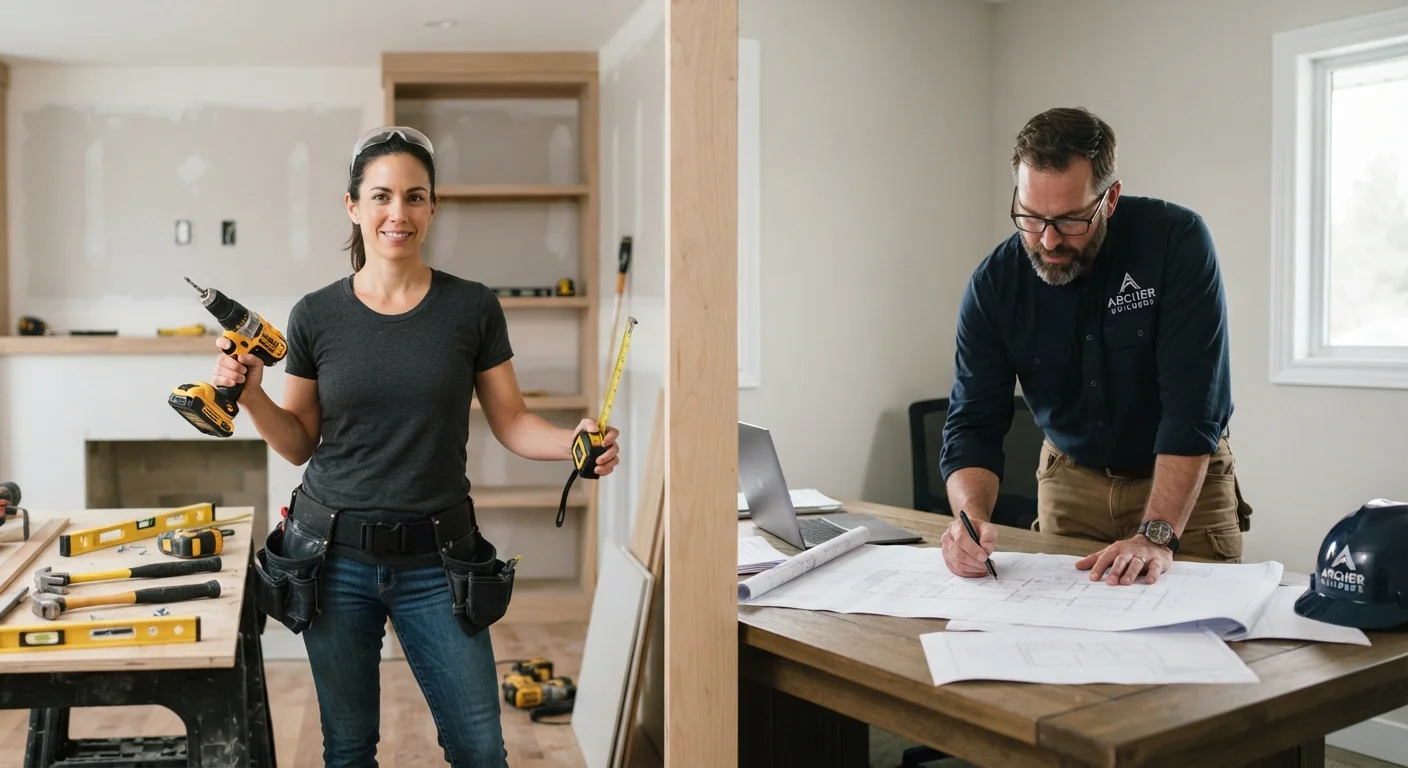

Why the Hiring Stage Is Where Projects Go Wrong
Most renovation disasters don't start on the job site - they start in the days before a single tool is lifted. Homeowners under pressure to get work done quickly, or simply unfamiliar with the process, skip steps that seem like formalities but are actually essential safeguards. The good news: these are avoidable mistakes, and recognizing them puts you in a much stronger position before any work begins.
If you're still weighing the scope of your project, see our pre-renovation assessment checklist before moving into contractor selection. And if you're not yet sure whether to hire at all, the DIY vs. hiring decision guide is worth reading first.
Skipping license and insurance verification before hiring.
Why it happens: Homeowners often take a contractor's word for it, or assume that a referral from a friend means credentials are in order.
Accepting a verbal agreement instead of a written contract.
Why it happens: When working with someone who comes highly recommended, a handshake can feel sufficient. It isn't - memories differ and disputes arise.
Getting only one bid and treating it as the market rate.
Why it happens: The process of requesting multiple bids feels time-consuming, so homeowners often stop at the first plausible quote.
Paying the full project cost upfront.
Why it happens: Some contractors request large deposits, and homeowners eager to lock in a start date comply without pushback.
Assuming the contractor will handle permits automatically.
Why it happens: Homeowners often don't know which projects require permits, so they defer entirely to the contractor without confirming responsibilities in writing.
What to Lock Down Before Work Starts
Once you've identified a contractor you're comfortable with, the work of protecting yourself isn't over - it's just shifting from vetting to documentation. Two areas trip up homeowners at this stage more than any other: contracts and permits.
Don't Let Urgency Override Due Diligence
When a pipe bursts or a roof is leaking, the pressure to hire quickly is real - but urgency is exactly when corners get cut. Even in emergency situations, take a few minutes to confirm that any contractor you hire carries valid insurance. Unlicensed or uninsured contractors leave you liable for injuries or damage that occur on your property during the work.
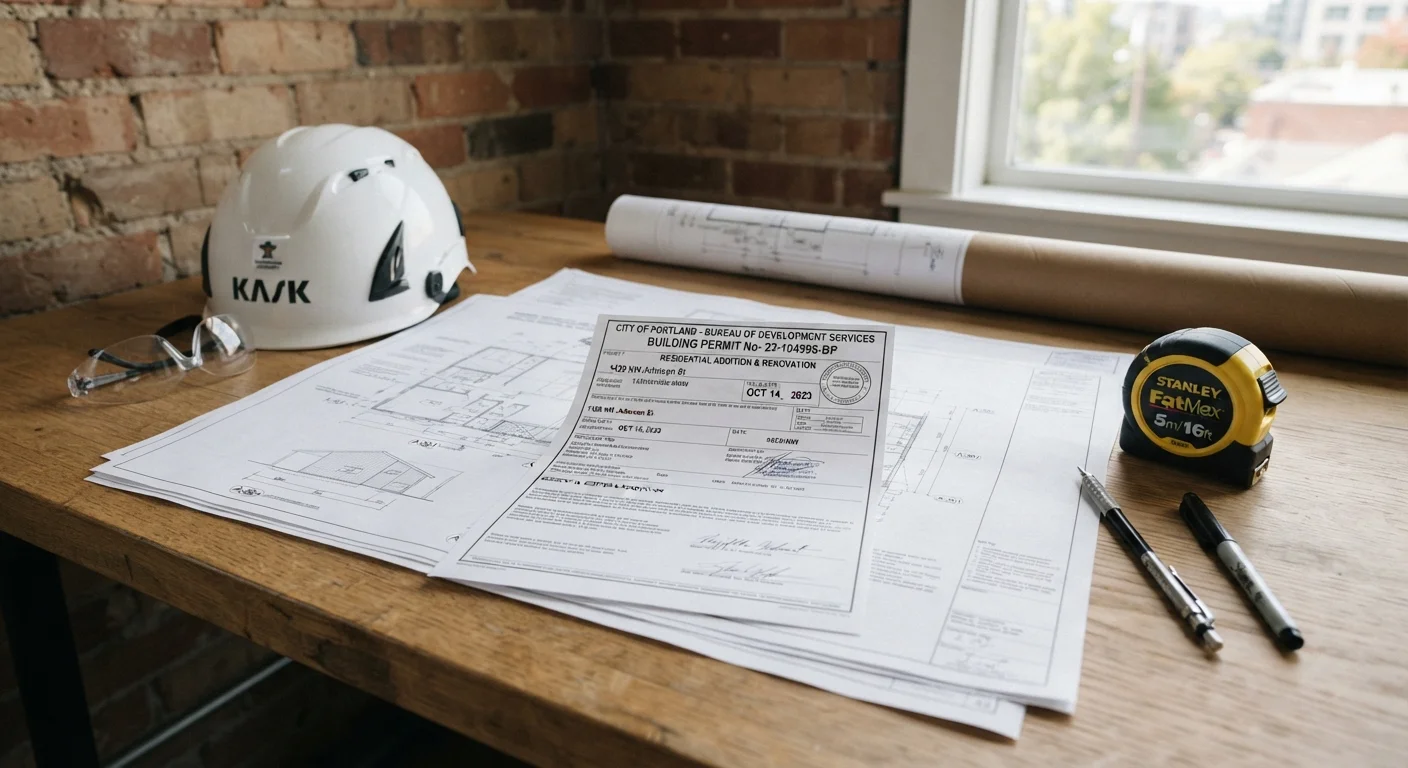
Permits are a particular blind spot. Many homeowners assume the contractor handles permitting automatically, but that assumption isn't always correct. Confirm in writing who is responsible for pulling required permits - and understand what those permits actually cover. Our article on what a building permit covers explains when they're required and the real consequences of skipping one.
Once work is underway, your biggest tool is clear, consistent communication. See our guide on communicating with contractors during a renovation to keep things on track.
~$400B
Annual U.S. home improvement spending
The U.S. home improvement market generates hundreds of billions in annual spending, making contractor fraud and disputes a significant consumer protection issue.
1 in 3
Homeowners who skip written contracts
Consumer protection surveys consistently find that a substantial share of homeowners proceed with major work based on verbal agreements alone, leaving them with little recourse in disputes.