Why Winter Preparedness Is Worth the Effort
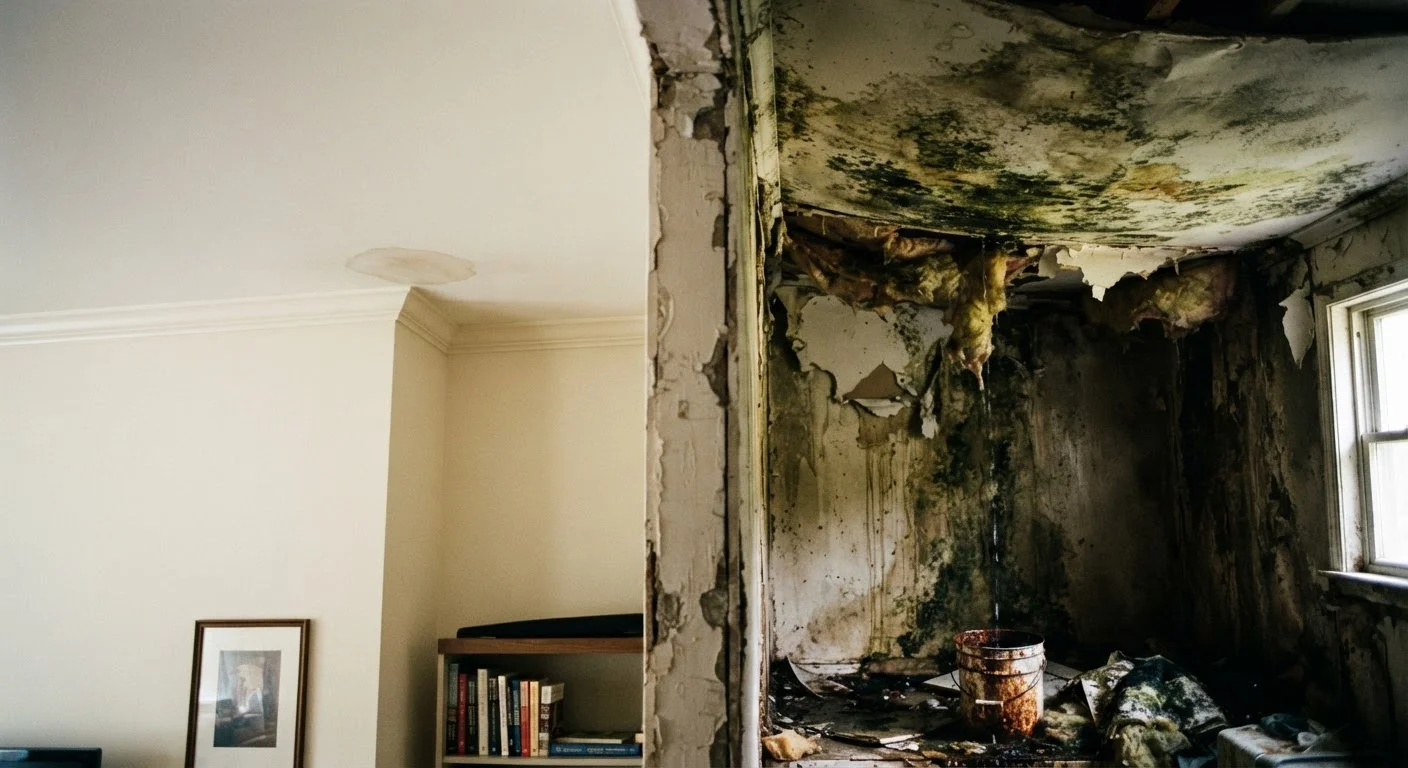
Cold-weather damage is among the most common - and most expensive - causes of home insurance claims in the U.S. Burst pipes alone can release hundreds of gallons of water into a home in a matter of hours. The good news is that the majority of winter damage is preventable with a few focused steps taken before temperatures plummet.
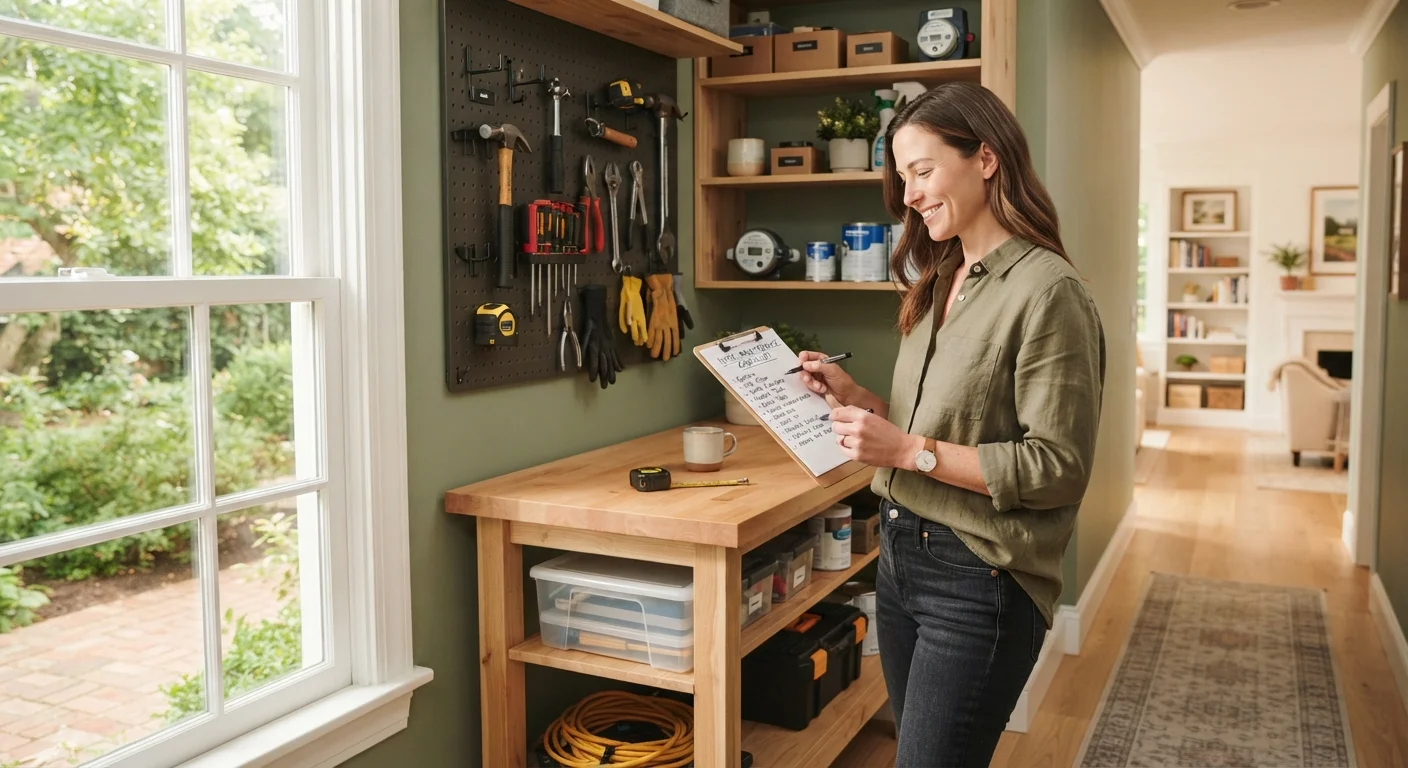
Whether you own or rent, understanding your home's vulnerabilities gives you a real advantage. Renters should share relevant concerns with their landlord, since many of these responsibilities fall to property owners. If you're new to homeownership, our introduction to home maintenance covers the broader foundation you'll want in place year-round.
$11,000+
Average cost of a burst pipe claim
According to the Insurance Information Institute, water damage from frozen pipes is among the most costly home insurance claims filed each winter.
250,000+
Homes affected by burst pipes annually
Industry estimates suggest more than a quarter million U.S. homes experience pipe freeze damage each year, most of it concentrated in brief but severe cold snaps.
Protecting Your Pipes from Freezing
Pipes freeze when the water inside them drops to 32°F - but the real danger is the expansion that occurs as water turns to ice. That pressure can split copper or plastic pipe, and the damage only becomes apparent once things thaw. Pipes most at risk are those running through unheated spaces: exterior walls, crawl spaces, garages, and under kitchen or bathroom cabinets on outside-facing walls.
Insulate exposed pipes in unheated areas before the first hard freeze.
Foam pipe insulation is inexpensive and dramatically reduces heat loss from pipes running through cold zones. Even a small gap in insulation can be enough to allow freezing in sustained cold. Installing it before temperatures drop is far simpler than dealing with a burst pipe mid-winter.
Keep your thermostat set to at least 55°F when your home will be unoccupied.
Many burst-pipe incidents happen when homeowners leave for the holidays and lower the thermostat too aggressively. Indoor air temperature directly affects wall cavity temperatures where pipes run. A minimum of 55°F keeps interior surfaces - including pipe-adjacent walls - above freezing.
Let a thin trickle of water run from faucets served by vulnerable pipes during extreme cold.
Moving water is harder to freeze than standing water. During single-digit cold snaps, running a slow drip from the faucet farthest from your main shutoff can relieve pressure and keep water moving through at-risk sections of pipe.
Locate and test your main water shutoff valve before winter arrives.
If a pipe does burst, the first thing you need to do is stop the flow of water. Homeowners who have never located their shutoff lose critical minutes - and hundreds of gallons - during an emergency. Ball-valve shutoffs should be turned occasionally to prevent them from seizing.
Clear gutters of leaves and debris before freezing temperatures arrive.
Clogged gutters trap snowmelt and standing water, which freezes and adds weight load while also worsening ice dam conditions at the roof edge. Clean gutters allow meltwater to drain freely and reduce the risk of gutters pulling away from the fascia under ice weight.
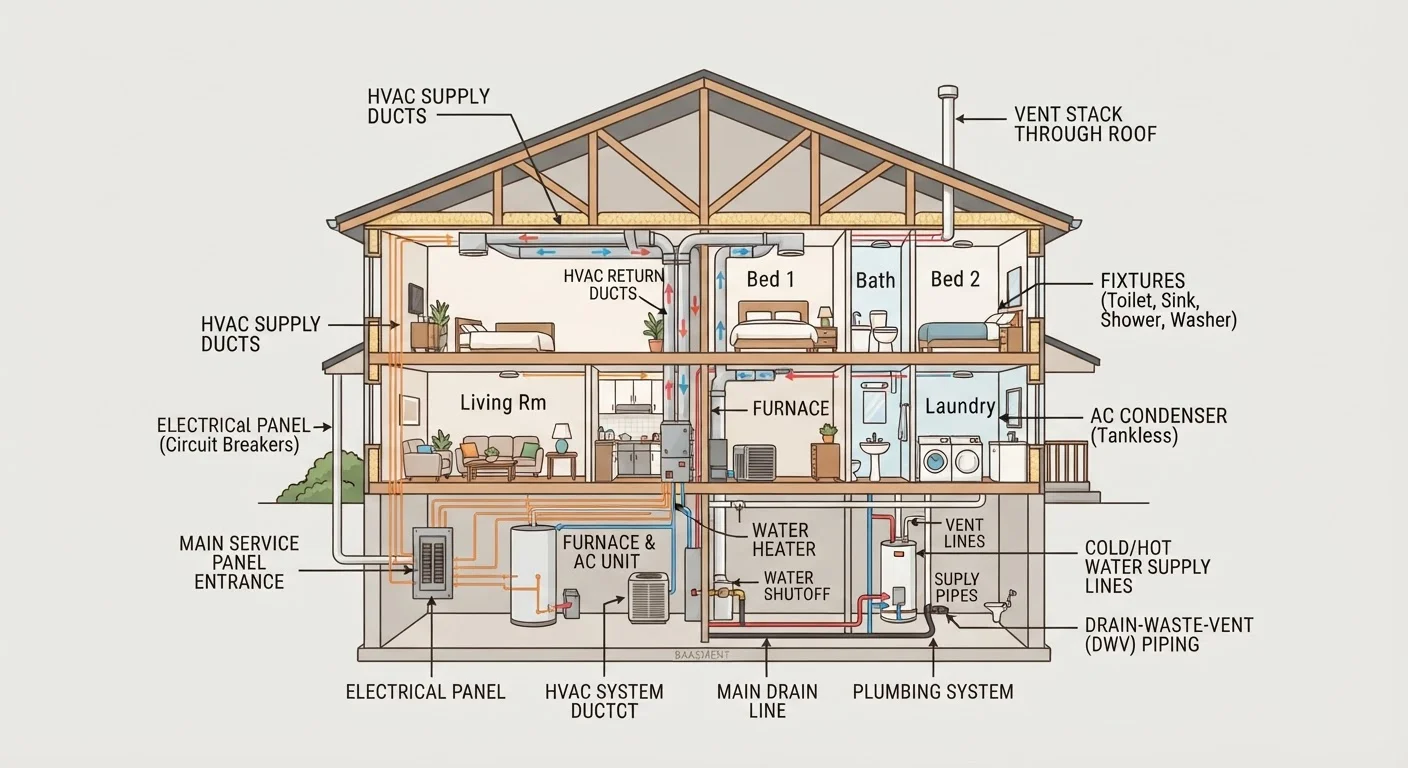
If you're unsure where your shutoff valve is located, our plain-language guide to home systems walks you through finding and using it.
Preventing Ice Dams and Roof Stress
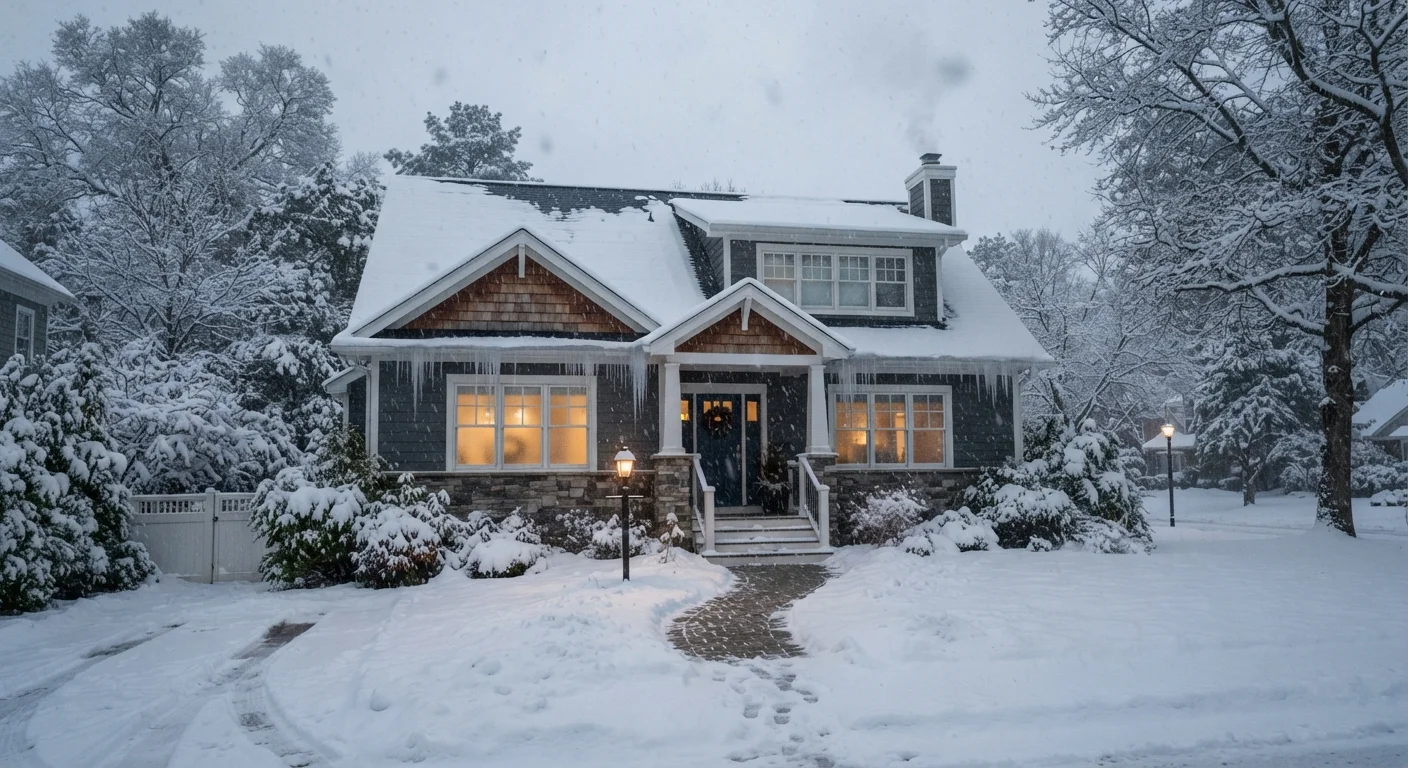
An ice dam is a ridge of ice that forms at the edge of a roof, blocking melting snow from draining properly. The trapped water can back up under shingles and leak into ceilings, walls, and insulation. Ice dams are almost always caused by uneven roof temperatures: warm air escaping through a poorly insulated attic melts snow at the roof's peak, which then refreezes at the cold eaves.
The long-term fix is improving attic insulation and ventilation - keeping the roof surface uniformly cold so snow melts gradually and evenly. In the short term, a roof rake (a long-handled tool used from the ground) can safely clear heavy snow accumulation after a storm. Do not climb onto a snow- or ice-covered roof - this is a serious fall hazard. For persistent ice dam problems, consult a roofing professional.
Check Attic Insulation Before First Snowfall
Most building codes recommend at least R-38 insulation in attic floors in colder climates, though the right level depends on your region and home design. If your attic floor is inadequately insulated, a significant amount of conditioned air escapes upward - warming the roof deck and setting the stage for ice dams. Adding blown-in insulation is a relatively affordable upgrade that pays dividends in both winter safety and year-round energy efficiency.
Skipping these steps has compounding consequences. Our article on deferred maintenance explains how minor neglect turns into major structural repairs.
Heating System Safety and Quick Wins
Your heating system works harder in winter than at any other time of year. A system that hasn't been serviced recently is more likely to fail during a cold snap - exactly when you need it most. Have a licensed HVAC technician inspect your furnace or boiler before the heating season begins. Replace furnace filters on the manufacturer's recommended schedule, typically every one to three months depending on the filter type.
Space heaters and backup generators introduce carbon monoxide risk if used improperly. Never run a generator indoors, in a garage, or near windows or vents. Keep space heaters at least three feet from flammable materials and never leave them unattended or running while you sleep.
For a season-by-season view of what else to check and when, see our seasonal home maintenance checklist.