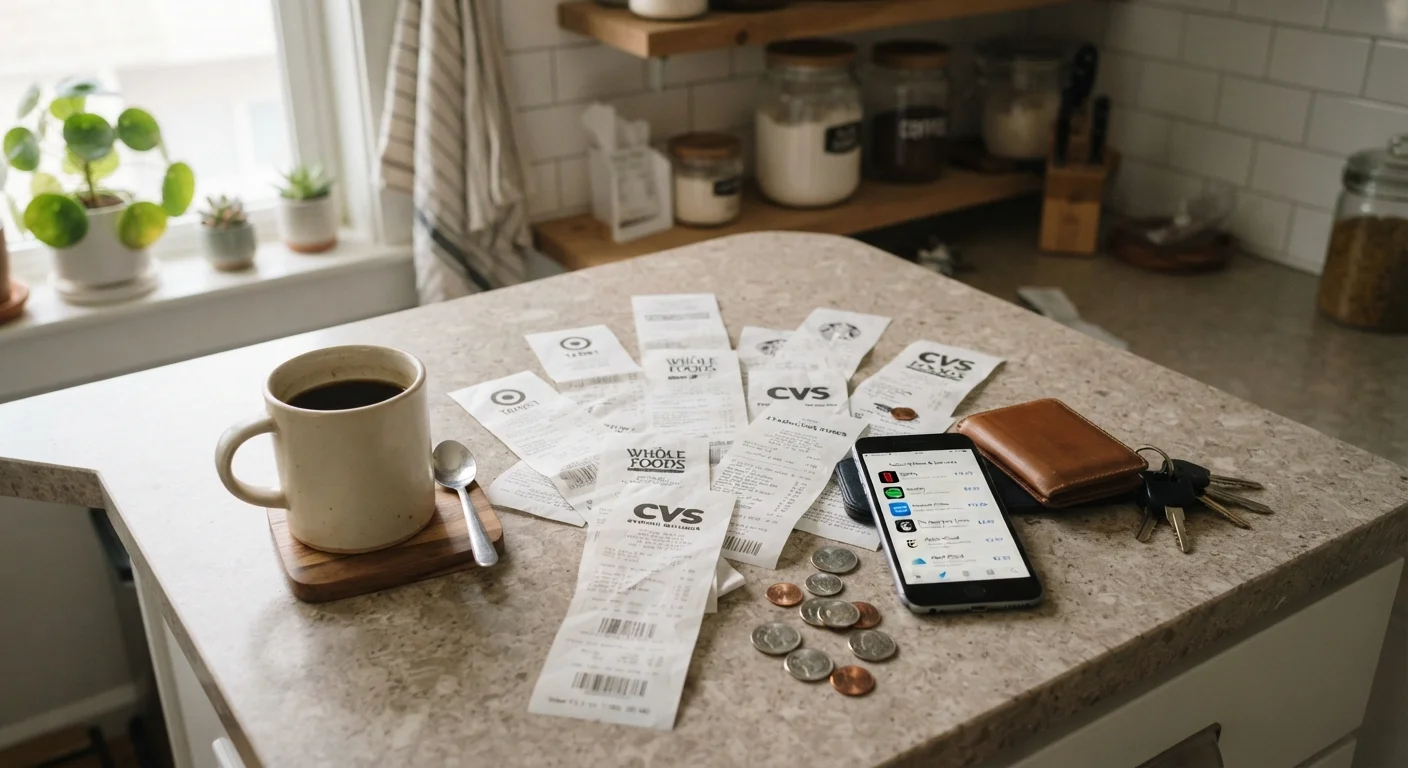

Why the Cycle Persists Regardless of Income
It's tempting to frame living paycheck to paycheck as a pure income problem-one that resolves automatically with a raise or a better job. But the data tells a more nuanced story. People at many income levels report the same financial tightness, which points to something habits play a larger role in than most people initially accept.
That's not a moral judgment-it's a practical one. Habits are also easier to change than income, and they compound just as reliably in the positive direction as the negative. What separates people who stick to a budget from those who don't is rarely willpower-it's system design.
~57%
Americans living paycheck to paycheck
A 2023 LendingClub report found roughly 57% of U.S. adults described themselves as living paycheck to paycheck, including a significant share earning six-figure incomes.
$18,000+
Average U.S. credit card debt per indebted household
According to Federal Reserve data, households carrying credit card balances hold substantial average balances, with high interest rates accelerating the payoff challenge.
The mistakes below represent the most common behavioral patterns that keep people locked in the cycle. Recognizing them is the first concrete step toward changing them.
Income Isn't the Only Factor
Research from the Federal Reserve has consistently shown that people across a wide range of income levels report living paycheck to paycheck. This means the cycle is often as much about financial habits as it is about earnings. Changing the habits-even before income increases-can meaningfully shift the trajectory.
The Habits That Hold People Back
Each of the following patterns is common, understandable, and-importantly-addressable. They tend to work together; tackling even two or three can create meaningful breathing room over time.
Spending without any written or tracked budget plan.
Why it happens: Budgeting feels tedious, and many people assume they have a rough mental sense of where their money goes-which research consistently shows is inaccurate.
Saving whatever is left over at the end of the month, rather than saving first.
Why it happens: It feels logical to cover expenses first and save the remainder, but in practice, leftover money almost always gets absorbed by discretionary spending.
Underestimating recurring subscription and convenience costs.
Why it happens: Individual charges look small-$9.99 here, $14.99 there-and since they're automatic, they rarely get scrutinized the way a large purchase would.
Using credit cards to cover routine expenses without a plan to pay the balance in full.
Why it happens: Credit cards offer short-term convenience, and the bill feels abstract until it arrives. Without a payoff plan, balances grow and interest charges compound quickly.
Making no distinction between needs, wants, and financial goals in spending decisions.
Why it happens: Without a framework, all spending feels equally valid in the moment, making it hard to prioritize or delay any purchase.
Avoiding looking at account balances or financial statements regularly.
Why it happens: Financial anxiety makes avoidance feel protective, but not knowing the numbers doesn't change them-it just delays the reckoning and allows problems to grow.
If your income is irregular, some of these habits require extra deliberate structure. Managing debt and savings on a variable income covers strategies specifically designed for freelancers and gig workers navigating this challenge.
Credit Cards Are Not Emergency Funds
Relying on credit cards to cover unexpected expenses creates a compounding problem: high interest rates mean you pay significantly more for those costs over time. Building even a small cash buffer-financial planners often suggest starting with $500-$1,000-reduces dependence on credit during unplanned events. Consult a licensed financial professional if debt has become difficult to manage on your own.
Grocery decisions also deserve attention-they're among the most frequent financial choices households make. How grocery shopping habits affect monthly budgets breaks down where common patterns cost more than they should.
This article is for general informational and educational purposes only and does not constitute personalized financial advice. Consult a qualified financial professional for guidance specific to your circumstances.