The Two Categories That Cover Every Technique
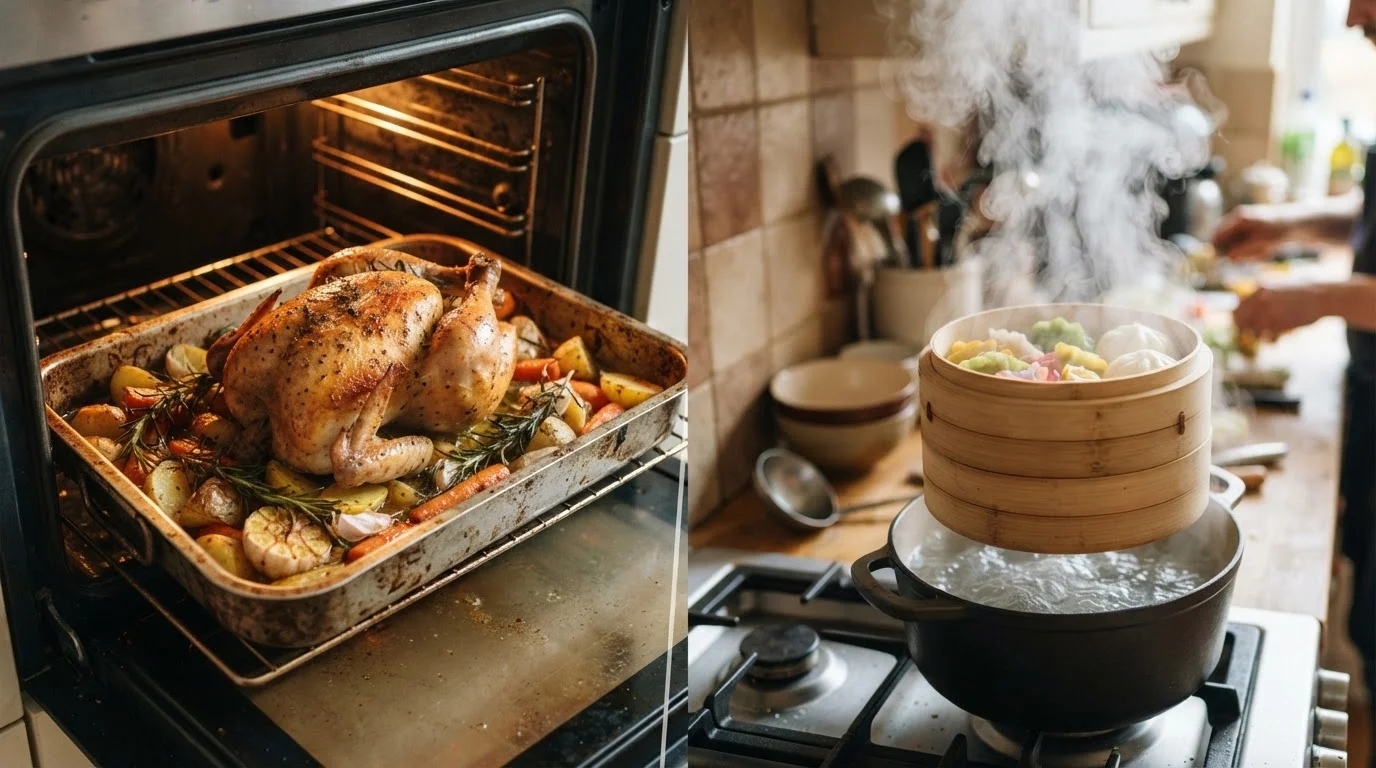
Every cooking method you'll encounter-whether in a recipe or a professional kitchen-relies on one of two principles for transferring heat to food: dry heat or moist heat. Dry heat methods use hot air, metal, or radiant energy with no water present. Moist heat methods use water, steam, or water-based liquids as the medium. That single distinction drives differences in texture, flavor development, and nutritional outcome.
| Dry Heat Max Temperature | 400-500°F+ typical oven/grill range |
| Moist Heat Temperature Ceiling | ~212°F (100°C) at sea level (Standard physics of water boiling point) |
| Browning Reaction | Maillard reaction - dry heat only |
| Collagen Conversion | Requires moist, low-slow heat |
| Best for Tender Cuts | Dry heat (quick, high-temp) |
| Best for Tough Cuts | Moist heat (braise, stew, simmer) |
Understanding this framework won't just make you a more versatile cook-it helps you troubleshoot. If a dish is coming out dull and soggy when you wanted crisp, or tough when you wanted tender, the problem often traces back to using the wrong category of heat for the job. Pan temperature is one layer of this; the broader method is another.
Dry Heat Methods: What They Are and What They Do
Dry heat cooking operates at higher effective temperatures and, critically, allows surface moisture to evaporate from food. That evaporation enables the Maillard reaction-the chemical browning process that creates the complex, savory flavors associated with roasted, grilled, and sautéed foods. No moist-heat method can produce this browning while the surface remains wet.
Maillard Reaction
A chemical reaction between amino acids and reducing sugars that occurs at high temperatures, producing the brown color and complex savory flavors on seared, roasted, or grilled foods. It requires a relatively dry surface and temperatures above roughly 280°F (140°C).
Collagen
A structural protein found in the connective tissue of meat. It is tough when raw but breaks down into gelatin over prolonged moist heat, making the meat tender and the cooking liquid silky.
Braising
A combination cooking method that begins with a dry-heat sear followed by slow cooking in a covered vessel with liquid. It is ideal for tougher, collagen-rich cuts that benefit from both browning and extended moist heat.
Poaching
A gentle moist-heat method where food is submerged in liquid held below a simmer, typically between 160-180°F. The low temperature helps delicate proteins like fish or eggs cook evenly without toughening.
Simmer
A moist heat state where liquid is heated to roughly 185-205°F, just below boiling. Small bubbles rise occasionally but the surface doesn't roll. It is gentler than boiling and preferred for soups, stocks, and braises.
Common dry heat methods include:
- Roasting and baking - hot, circulating oven air surrounds the food. Roasting typically refers to proteins and vegetables; baking to pastries and bread.
- Grilling and broiling - intense radiant heat from below (grilling) or above (broiling) sears the exterior rapidly.
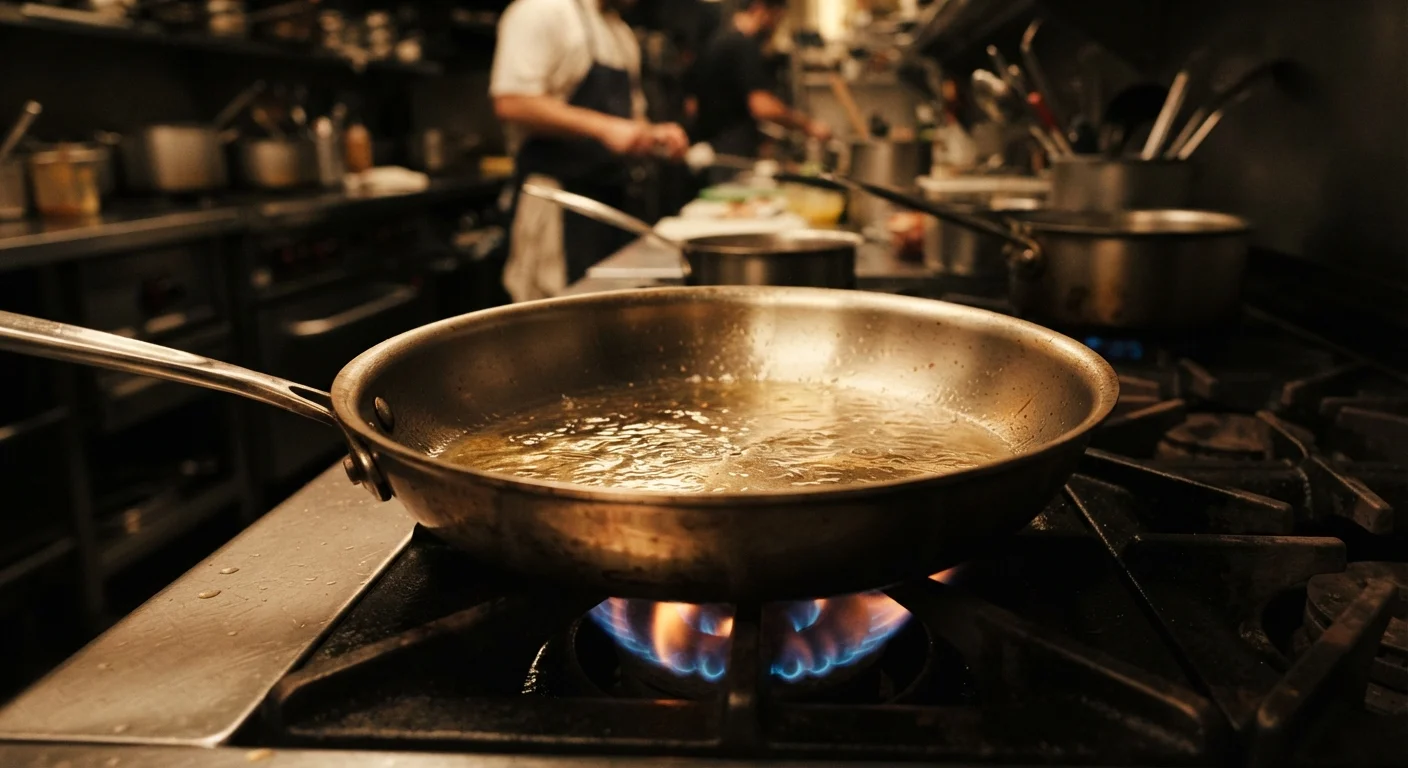
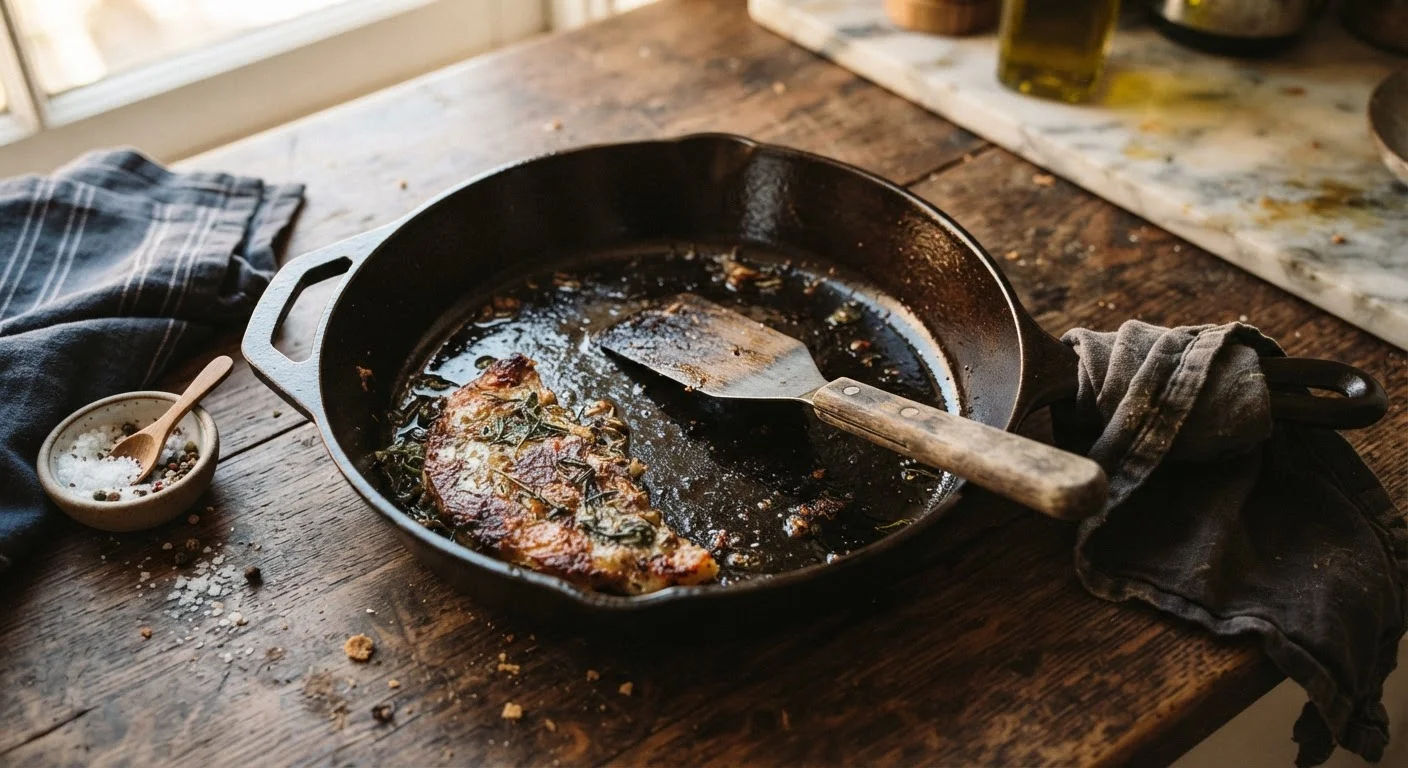
- Sautéing and pan-frying - conductive heat from a hot pan surface, with fat acting as the heat-transfer medium. See cast iron skillet guidance for how pan material affects this.
- Deep-frying - food is fully submerged in hot fat. Despite the liquid medium, oil is not water-based, so Maillard browning still occurs.
Dry heat is generally best suited to naturally tender cuts, delicate fish, and vegetables that benefit from caramelization. It is less forgiving of timing errors-overcooking is faster and harder to reverse.
Moist Heat Methods: What They Are and What They Do
Moist heat methods transfer energy through water or steam, which limits cooking temperatures to around 212°F (100°C) at sea level-the boiling point of water. While this ceiling prevents browning, it excels at breaking down collagen (the connective tissue in tougher cuts) into gelatin, producing tender, succulent results that dry heat alone cannot achieve.
Common moist heat methods include:
- Boiling and simmering - food is submerged in liquid at or just below boiling. Simmering (roughly 185-205°F) is gentler and better for most proteins and stock-making.
- Steaming - food sits above boiling water, cooked only by vapor. Nutrients are better retained than in boiling because food doesn't leach into cooking water. See common vegetable overcooking mistakes for timing guidance.
- Poaching - food is gently cooked in liquid kept below a simmer (around 160-180°F), ideal for eggs, delicate fish, and fruit.
- Braising and stewing - food is partially or fully submerged in liquid and cooked low and slow, converting tough connective tissue into tender, flavorful results.
Pressure Cooking Is a Special Case
Pressure cookers raise the boiling point of water by increasing internal pressure, allowing moist heat cooking at temperatures of around 250°F (121°C). This dramatically speeds up collagen breakdown and starch gelatinization compared to standard boiling or simmering. It is still classified as a moist heat method, but its higher temperature range gives it properties closer to slow roasting in some respects.
Because moist heat cannot exceed water's boiling point (under normal pressure), it is inherently more forgiving of timing than dry heat-though it can still overcook food.
Combining Both Methods: When and Why
Many classic techniques deliberately combine both categories. Braising starts with a dry-heat sear to build flavor via Maillard browning, then transitions to a covered, liquid-based moist heat environment for the long cook. The result captures the flavor complexity of dry heat and the tenderness of moist heat.
Similarly, some cooks finish a braise uncovered to reduce the braising liquid-returning briefly to evaporative, concentrating conditions. Resting meat after either method also matters for final texture and juiciness.
Choosing the right method-or the right sequence of methods-is one of the most transferable skills in the kitchen. Once you recognize which category a technique belongs to and what it does at the molecular level, you can adapt recipes with confidence rather than follow them blindly.
280°F
Minimum temp for Maillard browning to begin
The Maillard reaction requires surface temperatures well above boiling - explaining why moist-heat methods cannot produce a browned crust.
160-180°F
Poaching temperature range
Holding liquid in this range preserves the delicate texture of fish, eggs, and fruit that would toughen at a full boil.