Why Overcooked Vegetables Are Such a Common Problem
Mushy broccoli, grey green beans, and limp zucchini are practically a household rite of passage - and they're almost never caused by bad ingredients. They're caused by repeatable technique errors that are easy to correct once you know what to look for.
Vegetables are more delicate than proteins. They have a narrow window between underdone and overdone, and several common habits - inconsistent cutting, overcrowded pans, poor timing - conspire to push them past that window before most cooks even realize it's happening.
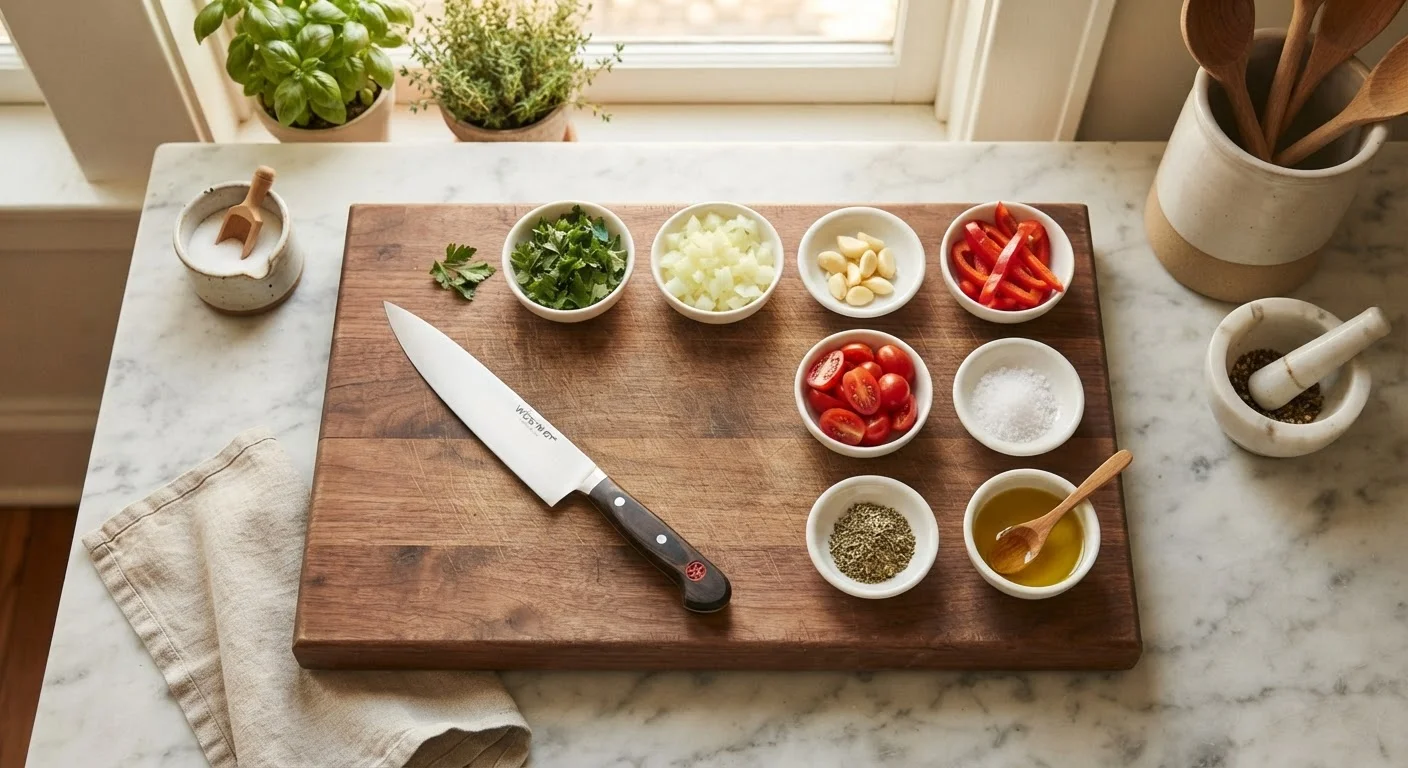
The good news: none of these mistakes require specialized equipment or professional training to fix. Most come down to a small number of adjustments in how you prep and pay attention during cooking. Before you even turn on the stove, a solid prep checklist can help you set up the conditions for success.
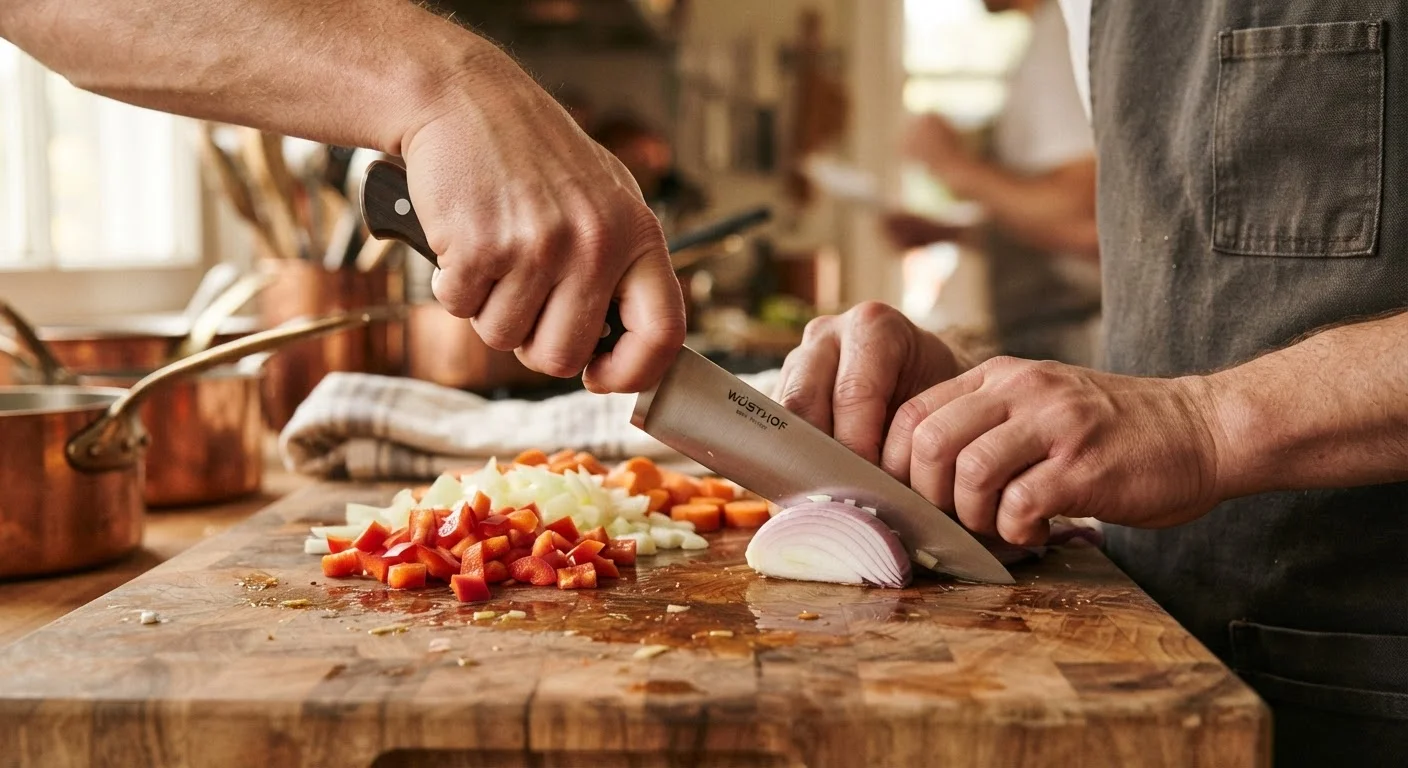
Cutting vegetables into inconsistent sizes before cooking.
Why it happens: Most home cooks focus on speed during prep, not precision. Without consistent knife technique, pieces end up in a random range of sizes on the same tray or in the same pan.
Crowding the pan or sheet tray with too many vegetables at once.
Why it happens: It feels efficient to cook everything together, and cooks often underestimate how much vegetables shrink - so they start with more than the pan can handle.
Adding vegetables to a cold pan or cold water without accounting for the extended cook time.
Why it happens: Many cooks add ingredients before the pan or water is fully heated, thinking it saves time. In reality, the slow heat-up phase causes vegetables to release moisture and soften unevenly.
Ignoring carryover cooking and leaving vegetables in the pan or oven until they look done.
Why it happens: Home cooks typically pull food off the heat only when it looks ready, not anticipating that heat retained in the food and pan continues the cooking process for another minute or two.
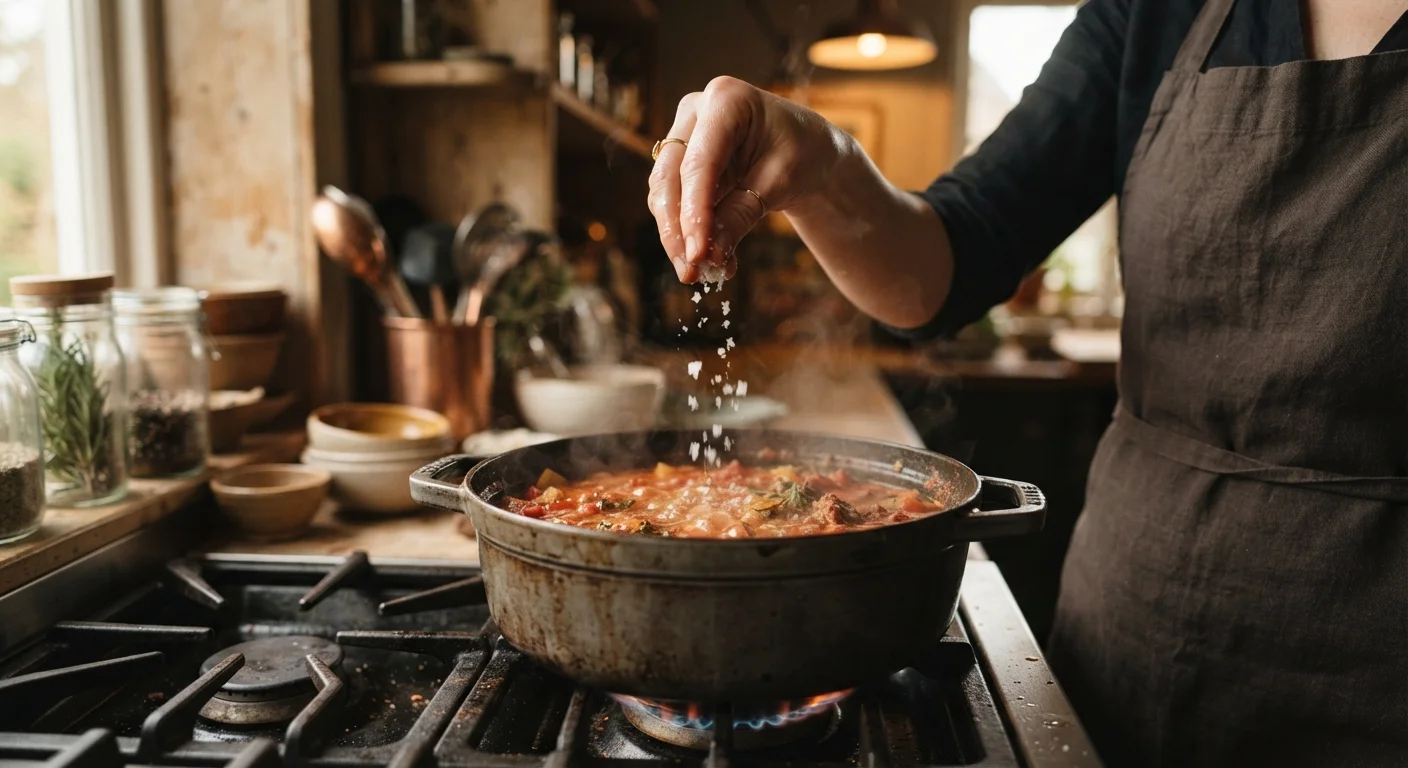
Skipping seasoning until the vegetables are already plated.
Why it happens: Many cooks treat salt as a finishing touch rather than a cooking tool, adding it only at the end as an afterthought.
How to Cook Vegetables With More Confidence
Correcting these mistakes doesn't mean memorizing more rules - it means building a few reliable habits that become second nature over time.
Don't Rely on Recipe Times Alone
Recipe cook times are always approximations. Stove BTU output, pan material, vegetable freshness, and cut size all affect how quickly food cooks. Use suggested times as a starting point, then taste and check frequently - especially in the final minute or two of cooking.
Start by reading through any recipe before you begin. Reading a recipe in advance lets you spot potential timing issues, plan your cuts, and understand when heat matters most - all before you've touched a knife or turned on a burner.
~30%
Reduction in vitamin C from boiling vegetables
Research published in food science literature suggests boiling can reduce vitamin C content in some vegetables by roughly 30% or more compared to steaming or microwaving.
2-3 min
Carryover cooking window after removing from heat
Culinary educators commonly note that dense vegetables retain enough internal heat to continue cooking for two to three minutes after being removed from a hot pan or oven.
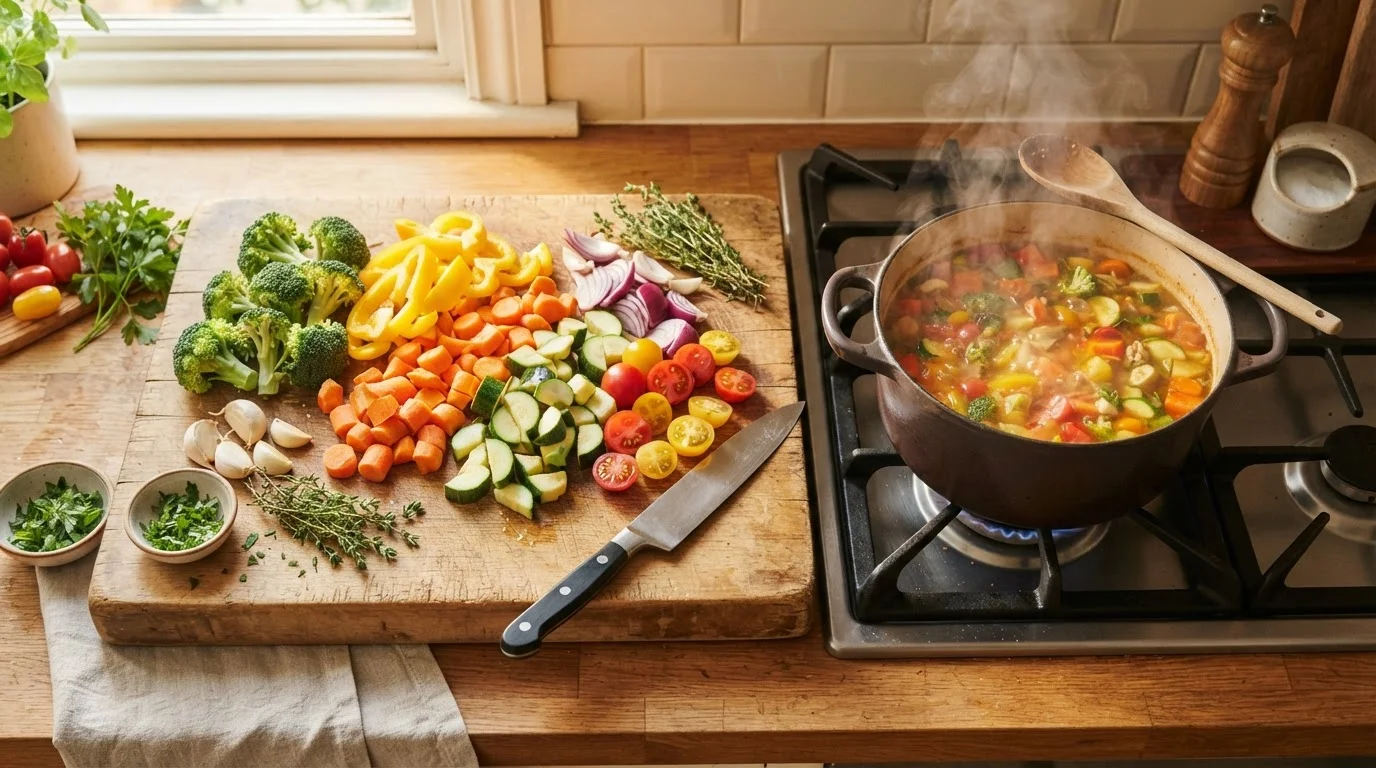
Well-cooked vegetables - vibrant, just-tender, properly seasoned - are one of the fastest ways to elevate everyday meals. And with a little attention to prep and timing, they're well within reach for any home cook. For broader context on incorporating vegetables into a balanced diet, the Healthy Eating Basics hub covers foundational nutrition principles worth exploring.
Texture Loss Also Means Nutrient Loss
Overcooking vegetables doesn't just hurt flavor and texture - it can also degrade heat-sensitive nutrients like vitamin C and certain B vitamins. Shorter, more controlled cooking methods such as steaming, sautéing, or blanching help preserve both nutritional value and eating quality. This is general nutrition information, not medical guidance; consult a registered dietitian for personalized dietary recommendations.
This article is for general informational and educational purposes only and is not a substitute for advice from a qualified healthcare or nutrition professional.