What Pressure Washing Actually Does
Pressure washing uses a motorized pump to force water through a narrow nozzle at high velocity, producing anywhere from 1,200 to over 4,000 PSI (pounds per square inch) depending on the machine. That concentrated force strips away surface contaminants-algae, mold, mildew, dirt, and oxidized paint-that ordinary garden hoses can't touch.
It's worth distinguishing pressure washing from soft washing, a lower-pressure method (typically under 500 PSI) that combines gentle water flow with cleaning solutions. Soft washing is often the safer choice for painted wood, stucco, and roofing materials. Knowing which approach fits your surface is the first decision you need to make.
Pressure washing fits naturally into a broader exterior care plan. The seasonal home maintenance checklist identifies spring as a prime time to clean siding and driveways after winter accumulation.
1,200-4,000+
PSI range of typical residential pressure washers
Consumer and professional equipment varies widely; most residential siding is rated for significantly lower pressure than maximum washer output.
500 PSI
Upper limit for soft washing applications
Soft washing uses chemical solutions paired with low pressure, making it the preferred approach for painted wood, stucco, and roofing materials.
The Real Benefits: Where Pressure Washing Earns Its Keep
When used on appropriate surfaces, pressure washing delivers measurable results that go beyond cosmetic improvement.
Removes mold, mildew, and algae effectively
Biological growth breaks down exterior finishes over time and can spread if untreated. High-pressure water physically dislodges these organisms from concrete, brick, and vinyl without the need for harsh chemical applications alone.
Restores curb appeal quickly and visibly
Driveways and siding that look stained or gray often have years of grime rather than surface damage. A single cleaning session can restore the original color and dramatically improve the home's appearance.
Extends the life of exterior surfaces
Algae and mold retain moisture against surfaces, accelerating material degradation. Regular cleaning reduces this sustained moisture exposure, potentially extending the service life of siding and hardscaping.
Prepares surfaces for painting or sealing
Adhesion fails when paint or sealant is applied over contaminated surfaces. Pressure washing is a standard surface-prep step before repainting exterior wood or sealing concrete, leading to better, longer-lasting results.
Faster and more thorough than hand scrubbing
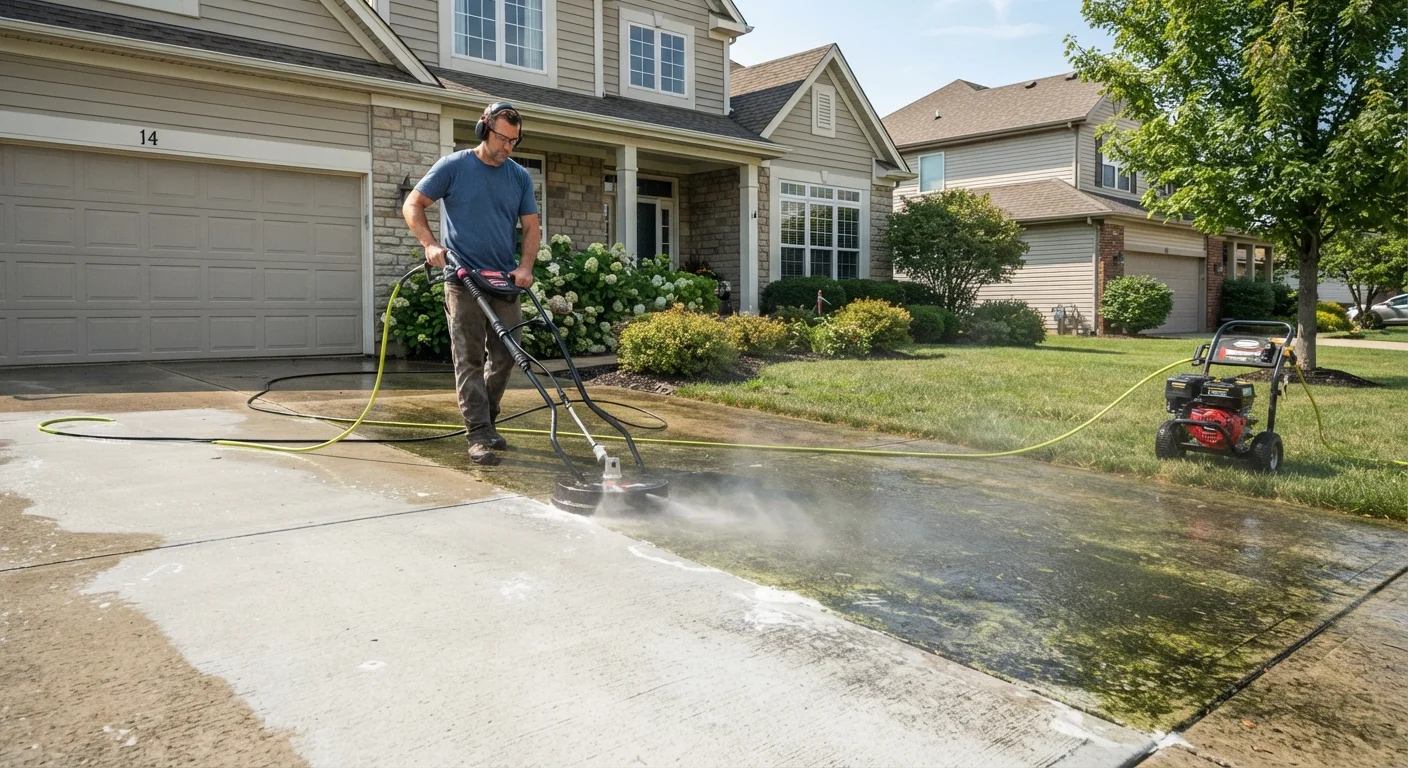
Cleaning a 500-square-foot driveway by hand takes hours and rarely removes embedded staining. A pressure washer can cover the same area in a fraction of the time with more consistent results.
Concrete driveways, walkways, vinyl siding, and brick patios are generally the strongest candidates. These materials are dense enough to handle high-pressure water without absorbing it or losing structural integrity.
The Real Risks: Where Things Go Wrong
Pressure washing is frequently misapplied, and the consequences range from surface etching to serious water damage inside walls.
Wrong PSI can permanently damage siding
Vinyl siding typically handles up to 1,500 PSI; fiber cement tolerates more. Exceeding these thresholds cracks panels, strips paint, and leaves gouged or etched surfaces that cannot be reversed without replacement.
Water can penetrate behind exterior cladding
Directing spray upward or at an angle into seams forces water past the water-resistant barrier behind siding, leading to hidden moisture damage, mold growth inside walls, and insulation degradation.
Falls and injury risk at height
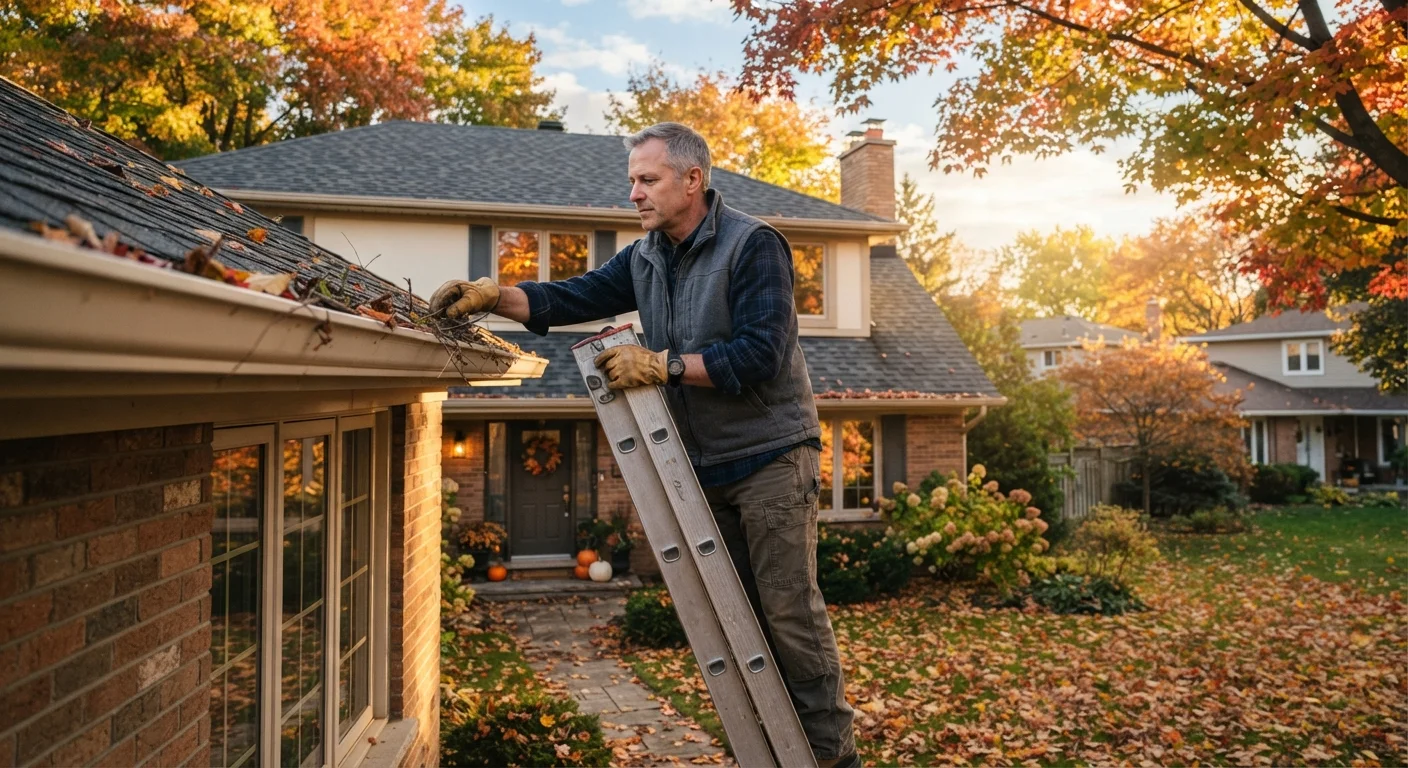
Pressure washers produce significant recoil, and managing that force while on a ladder is genuinely dangerous. The combination of slippery surfaces, spray recoil, and elevation is a leading cause of DIY injuries during exterior cleaning.
Can erode mortar and grout joints
Older masonry with soft or aging mortar may not withstand standard residential pressure settings. Eroded joints allow water infiltration that accelerates freeze-thaw damage in cold climates.
Environmental runoff considerations
Runoff containing mold spores, algae, detergents, and contaminants can enter storm drains. Some municipalities restrict what can be discharged, so checking local regulations before washing-especially with chemical additives-is advisable.
A common misconception is that more pressure always means better results-a pattern examined in home maintenance myths that cost homeowners money. In practice, exceeding a surface's tolerance strips protective coatings, forces water behind cladding, and can void manufacturer warranties on siding products.
A Note on Manufacturer Warranties
Many siding manufacturers specify acceptable cleaning methods and pressure limits in their product documentation. Using pressure that exceeds those guidelines-even with no immediate visible damage-can void the product warranty. Before cleaning, check the manufacturer's website or installation manual for recommended PSI and nozzle guidance specific to your siding material.
Surfaces to Approach With Caution-or Avoid Entirely
Not all exterior surfaces tolerate pressure washing equally. Understanding these limits prevents costly repairs:
- Cedar shake and wood shingles: High pressure splinters wood fibers and drives moisture into the grain, accelerating rot.
- Stucco: Even hairline cracks allow water intrusion; pressure washing can widen them invisibly.
- Older brick and mortar: Mortar joints softer than about 1,500 PSI tolerance can be eroded; have a mason assess condition first.
- Asphalt roofing: Pressure washing strips granules that protect shingles from UV damage-a potentially irreversible loss.
- Windows and trim: Water forced around window seals causes interior moisture problems that are expensive to remediate.
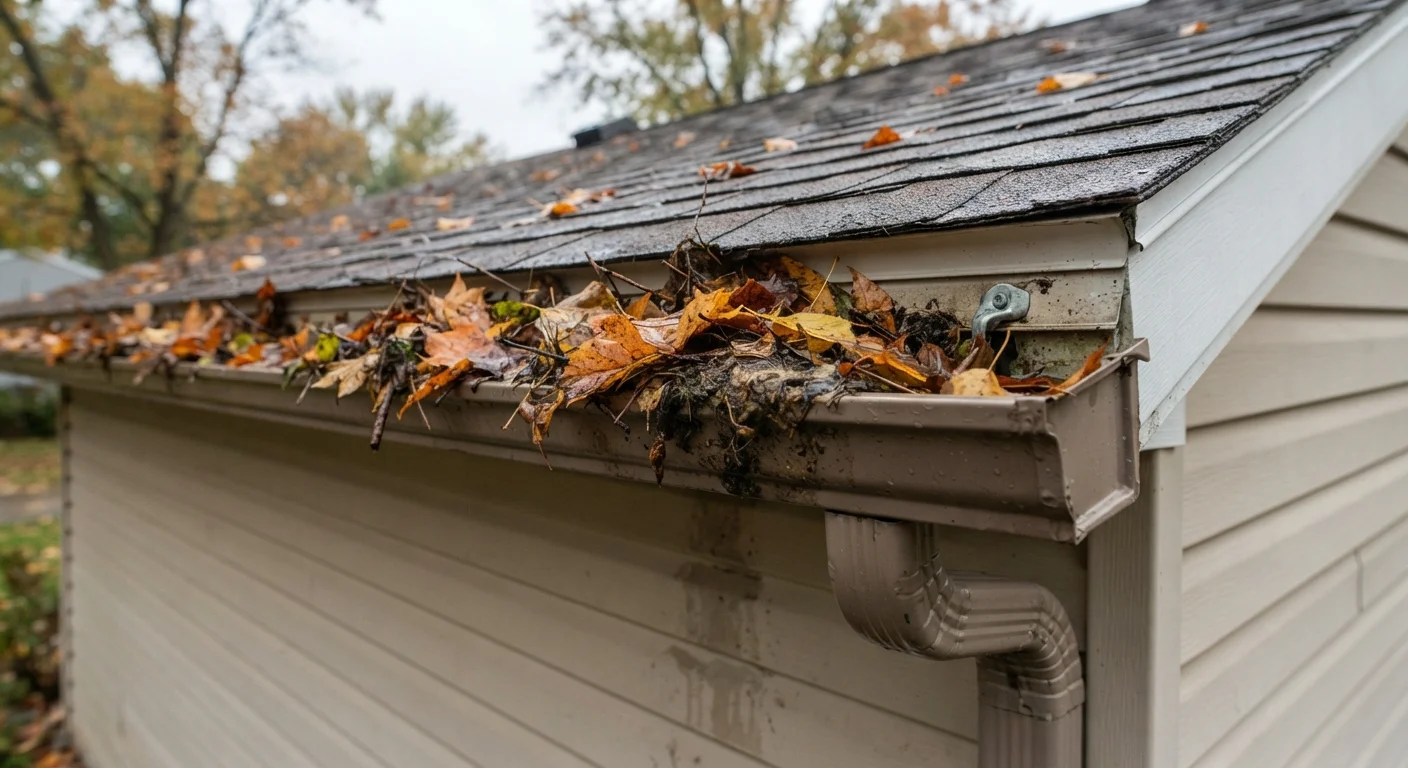
If your home has gutters already under stress, pressure washing near the roofline can compound drainage problems by introducing additional water volume against compromised seals.
DIY vs. Hiring a Professional
Renting or owning a consumer-grade pressure washer is straightforward for flat, durable surfaces like driveways and sidewalks. For home siding-especially two-story or higher-the calculus changes. Working at height with a high-recoil tool raises genuine fall risk, and angling the spray incorrectly at elevation drives water behind siding panels.
When hiring out the work, treat it like any skilled trade. Verify that the contractor carries liability insurance, ask specifically about their experience with your siding material, and get the scope of work in writing. What homeowners get wrong when hiring contractors covers licensing verification and written contracts in detail-steps that matter just as much for exterior cleaning as for remodels.
A mid-range professional service typically charges by linear footage or square footage, and costs vary significantly by region and surface complexity. Get at least two estimates and ask what PSI settings they plan to use on each surface type.