
Why Clutter Keeps Coming Back
Most people have experienced the satisfaction of a freshly decluttered room - and then watched it quietly fill back up within weeks. The issue isn't a lack of effort. It's that organizing without changing underlying habits is a temporary fix. Clutter returns because the behaviors that created it in the first place haven't changed.
The good news is that clutter prevention doesn't require a dramatic lifestyle overhaul. It requires a handful of small, repeatable habits that quietly do the heavy lifting over time. If you've already worked through an initial declutter - or are just starting out - these practices help make sure it sticks. If you haven't yet, this guide to thoughtful decluttering is a good place to begin.
The Core Habits That Actually Work
The practices below aren't complicated - but they work precisely because they're simple enough to become automatic. Consistency matters far more than perfection here.
Apply the one-in, one-out rule for every new item you bring home.
Without a limit on total quantity, items accumulate by default. Tying the arrival of something new to the departure of something existing keeps inventory stable. It also creates a natural pause before acquiring new things - which reduces impulse accumulation.
Give every item a designated home and return it there after each use.
Most everyday clutter isn't junk - it's things without a fixed place. Items that drift from room to room or land on surfaces because there's no clear spot for them are the ones that pile up. A designated home ends the drift.
Do a five-minute reset at the end of each day.
A brief, daily reset prevents small accumulations from compounding into larger messes that feel overwhelming. It's far easier to return ten items to their homes each evening than to face a weekend-long tidy session. The habit also reinforces where things belong.
Create a consistent exit point for outgoing items.
Items earmarked for donation often sit in limbo because there's no clear process for getting them out the door. A dedicated box or bag in a set location - a closet, the garage - removes that friction and keeps pre-departure items from blending back into the household.
Conduct a brief seasonal review of high-turnover areas.
Even with daily habits in place, some areas accumulate slowly over months - junk drawers, linen closets, kids' rooms. A low-pressure quarterly or seasonal look at these spots catches drift before it becomes overwhelming and reinforces the habit of evaluating what's earning its place.
Quick Wins to Start Today
You don't need to adopt every habit at once. Picking one or two and building from there is a more sustainable approach than attempting a total system overhaul. The actions below are low-effort entry points that tend to create visible results quickly - which in turn makes it easier to keep going.
For households where multiple people share the space, building these habits together matters enormously. Organizing shared homes comes with its own challenges, but agreeing on even one or two shared rules goes a long way.
Managing What Comes In
One underappreciated side of clutter prevention is controlling inflow - the steady trickle of new items into your home. Impulse purchases, freebies, gifts, and accumulated mail all contribute. A useful reframe: before bringing something new into your home, ask whether you have a clear place for it and whether it earns its space.
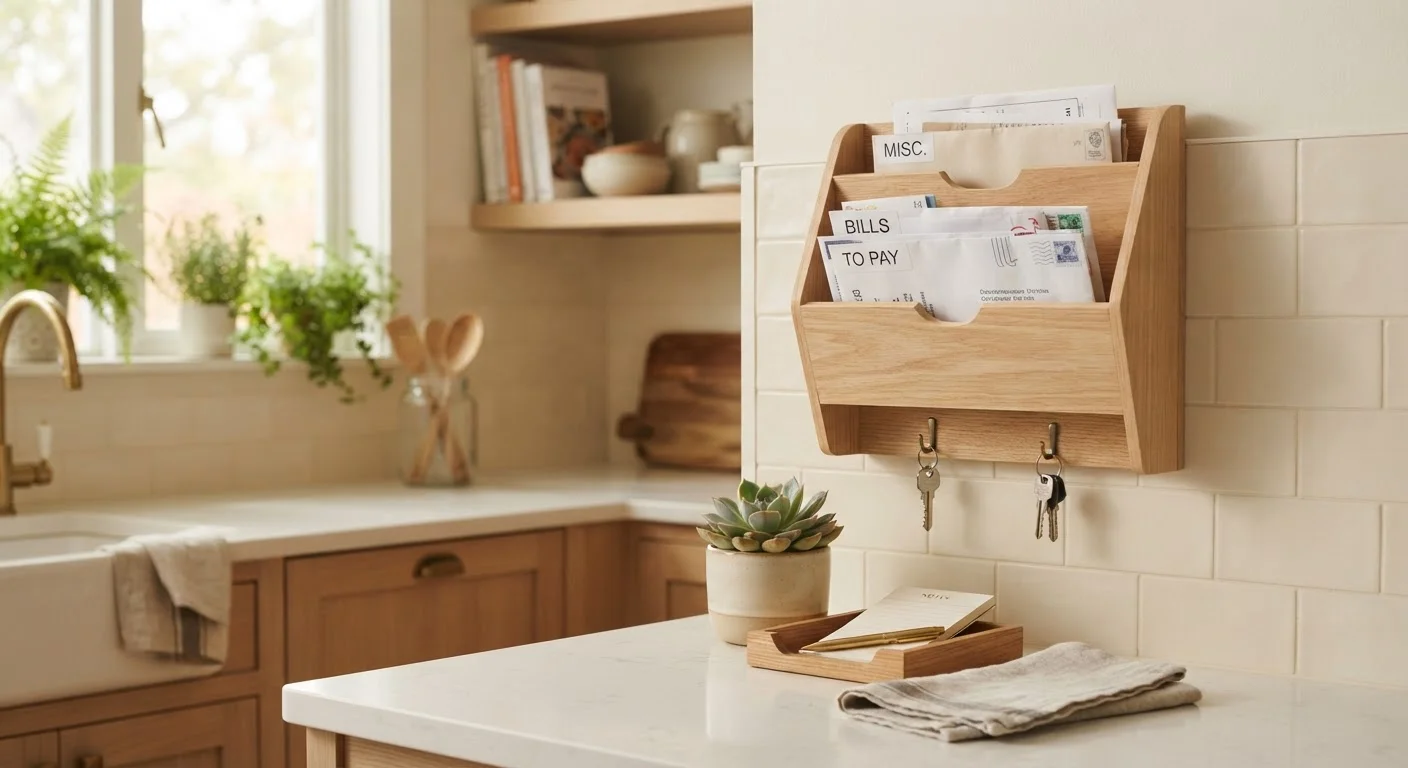
Paper is a particular offender. Mail, receipts, school forms, and product manuals pile up surprisingly fast. Building a simple system to process paper at the point it enters your home - rather than setting it down to deal with later - makes a significant difference. Managing paper clutter effectively starts with understanding where it comes from.
On Reducing What Comes In
Clutter prevention isn't only about managing what you already own - it's equally about being intentional at the point of acquisition. Catalogs, subscription boxes, retail loyalty programs, and digital shopping apps are all designed to encourage frequent purchasing. Unsubscribing from catalogs and promotional emails, or introducing a short waiting period before non-essential purchases, can meaningfully reduce inflow without requiring dramatic lifestyle changes.
It's also worth examining some of the popular organization advice that can inadvertently make things harder, not easier. Common organization myths - like the idea that you just need more storage - can keep people stuck in cycles of buying containers rather than reducing what they own.